Psoriasis has a talent for showing up at the least convenient times: before a beach trip, before a handshake-heavy work event, or right when your scalp decides to snow on your favorite black shirt. If you are looking for a simple, low-cost way to calm itchy plaques, soften scales, and make your skin feel less like it is staging a tiny rebellion, you may have heard about using Epsom salt for psoriasis.
Epsom salt is not a miracle cure, and it will not politely tell your immune system to stop overreacting. But for some people, a warm Epsom salt soak can be a soothing part of a psoriasis self-care routine. The key is knowing how to use it safely, where it may help, where it may irritate, and when it is time to call in the dermatologist cavalry.
This guide explains how Epsom salt may help psoriasis on the scalp, hands, feet, elbows, knees, and body, plus practical tips for getting relief without turning your bathtub into a science experiment.
What Is Epsom Salt?
Epsom salt is the common name for magnesium sulfate, a mineral compound that dissolves easily in water. Despite the word “salt,” it is not the same as table salt, and please do not sprinkle it on fries unless you enjoy regret with a side of bitterness.
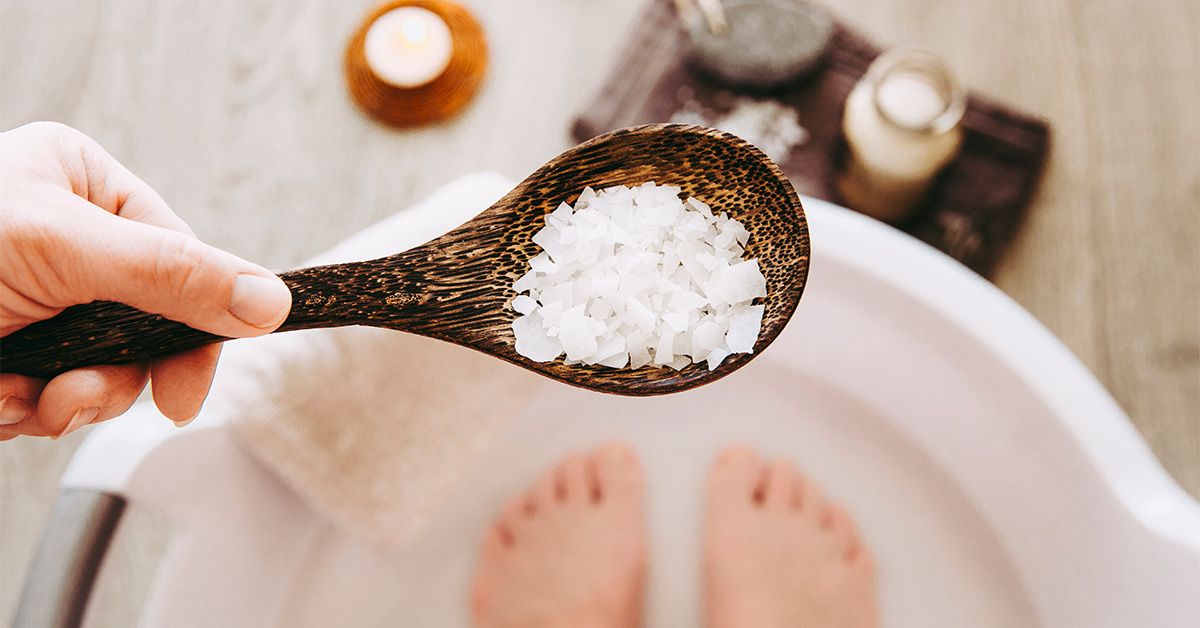
People often use Epsom salt in baths for sore muscles, tired feet, and general relaxation. For psoriasis, it is mainly used as a soak to help soften thick plaques and loosen dry, flaky scales. That may make it easier to apply moisturizer or prescribed topical treatments afterward.
Can Epsom Salt Help Psoriasis?
Epsom salt may help some psoriasis symptoms, especially dryness, itching, scaling, and tight-feeling skin. It is best thought of as a comfort tool, not a treatment that targets the underlying immune activity behind psoriasis.
Psoriasis is a chronic inflammatory skin condition that speeds up skin cell growth. Instead of shedding normally, skin cells build up and form plaques that may look red, pink, purple, brown, silvery, or gray depending on skin tone. These plaques can itch, burn, crack, bleed, or feel sore.
A warm Epsom salt bath may help by softening scales, making plaques feel less tight, and calming the urge to scratch. Warm water itself can be soothing, but hot water can worsen dryness and irritation. That means the goal is “comfortably warm,” not “lobster trying to relax.”
How to Use Epsom Salt for Psoriasis Safely
The safest approach is gentle, short, and followed by moisture. Psoriasis skin likes kindness. It does not appreciate aggressive scrubbing, harsh soaps, scalding water, or heroic exfoliation missions.
Basic Epsom Salt Bath for Body Psoriasis
For plaques on the arms, legs, elbows, knees, back, or torso, try this simple routine:
- Fill the tub with lukewarm water.
- Add Epsom salt according to the package directions or your dermatologist’s advice.
- Soak for about 10 to 15 minutes.
- Use a mild, fragrance-free cleanser only where needed.
- Pat skin dry with a soft towel; do not rub.
- Apply a thick moisturizer within a few minutes while skin is still slightly damp.
Moisturizing after the bath is not optional. It is the grand finale. Without it, water can evaporate from the skin and leave you drier than before. Choose fragrance-free creams or ointments with ingredients like petrolatum, ceramides, glycerin, or shea butter.
How Often Should You Use Epsom Salt Baths?
Many people do best starting with one or two soaks per week. If your skin feels better, you may continue. If it feels dry, stingy, or more irritated, cut back or stop. Daily bathing may be helpful for some people with psoriasis when done gently, but long or hot baths can backfire.
Think of Epsom salt as a supporting actor. It can help the main characteryour treatment planshine. But it should not replace prescription creams, medicated shampoos, phototherapy, oral medications, or biologics if your dermatologist recommends them.
Epsom Salt for Scalp Psoriasis
Scalp psoriasis can be especially frustrating because it combines itching, flakes, visible plaques, and hair-care drama. It may appear along the hairline, behind the ears, on the forehead, at the back of the neck, or across the scalp. Some people mistake it for dandruff, but scalp psoriasis often forms thicker plaques and may extend beyond the hairline.
Using Epsom salt on the scalp is trickier than using it on elbows or feet. You do not want salt crystals stuck in your hair or scratching your scalp like tiny villains. A diluted rinse or short soak may be gentler than rubbing dry salt directly onto plaques.
Scalp Rinse Method
To try an Epsom salt scalp rinse:
- Dissolve a small amount of Epsom salt in a bowl or bottle of warm water.
- Apply the solution gently to the scalp, avoiding the eyes.
- Let it sit briefly, about 5 to 10 minutes.
- Rinse thoroughly with lukewarm water.
- Follow with a gentle shampoo or dermatologist-recommended medicated shampoo if appropriate.
- Condition the hair lengths to reduce dryness.
Do not scrub plaques off the scalp. That can cause bleeding, irritation, and possible hair shedding from inflammation or trauma. If scales are thick, ask a dermatologist about salicylic acid shampoos, coal tar shampoos, topical corticosteroid solutions, foams, oils, or other scalp-specific treatments.
When Not to Use Epsom Salt on the Scalp
Skip Epsom salt on the scalp if you have open cuts, bleeding plaques, signs of infection, severe burning, or a very sensitive scalp. Also be careful if you recently dyed, bleached, relaxed, or chemically treated your hair. Your scalp may already be irritated, and adding salt water may feel like sending a marching band through a library.
Epsom Salt for Psoriasis on Hands
Hand psoriasis can make ordinary tasks feel dramatic. Washing dishes, typing, opening jars, gardening, or shaking hands may be uncomfortable when plaques crack or split. Because hands are exposed to soap, sanitizer, weather, friction, and approximately 47 mysterious household irritants, they need extra protection.
Hand Soak Method
For psoriasis on the hands, try a small basin soak instead of a full bath:
- Fill a clean bowl with lukewarm water.
- Dissolve Epsom salt fully before soaking.
- Soak hands for 5 to 10 minutes.
- Rinse gently if desired.
- Pat dry and apply a thick moisturizer or ointment.
- For nighttime, consider cotton gloves after moisturizing.
If your hands are cracked, bleeding, or painfully inflamed, plain lukewarm water followed by ointment may be better than Epsom salt. Salt water can sting broken skin. In that case, your skin is not being dramatic; it is sending a memo.
Daily Hand Care Tips
Use fragrance-free hand soap, avoid very hot water, and apply moisturizer after every wash. When cleaning, washing dishes, or handling chemicals, wear protective gloves. For sweaty tasks, a cotton liner under rubber gloves may reduce irritation.
If hand psoriasis interferes with work or daily activities, talk with a dermatologist. Hands may require prescription-strength treatment because they are constantly exposed to triggers and friction.
Epsom Salt for Feet, Elbows, Knees, and Other Areas
Feet, elbows, and knees are classic psoriasis locations because these areas get pressure and friction. Foot psoriasis can be especially uncomfortable when plaques crack on the soles. Epsom salt foot soaks may help soften rough areas, but they should be used carefully.
Foot Soak Method
Use lukewarm water, dissolve the Epsom salt completely, and soak for about 10 minutes. Afterward, pat dry carefully, especially between the toes, then apply a thick moisturizer. Wear clean cotton socks to help seal in moisture.
If you have diabetes, poor circulation, nerve problems, frequent infections, or open sores on your feet, ask a healthcare professional before soaking. Foot problems can become serious quickly, and guessing is not a medical strategy.
What Epsom Salt Will Not Do
Epsom salt will not cure psoriasis, stop every flare, replace medication, or treat psoriatic arthritis. It also will not “detox” your skin in the way many wellness posts claim. Your liver and kidneys handle detoxing; your bathtub is mainly there for soaking and occasionally holding laundry you swear you will fold later.
Psoriasis is linked to immune system activity, genetics, and environmental triggers. For moderate to severe psoriasis, effective treatment may include topical medications, phototherapy, oral drugs, or injectable biologic therapies. If plaques are spreading, painful, infected, or affecting your quality of life, professional care matters.
Possible Side Effects and Precautions
Epsom salt is generally low-risk for many people when used externally and properly diluted, but psoriasis skin can be unpredictable. Possible problems include dryness, stinging, burning, irritation, or worsening itch.
To reduce the chance of irritation:
- Use lukewarm water, never hot water.
- Limit baths to 15 minutes or less.
- Avoid scrubbing plaques.
- Do not use Epsom salt on open, bleeding, or infected skin.
- Moisturize immediately after soaking.
- Stop if your skin feels worse.
Also, do not drink Epsom salt for psoriasis unless a healthcare professional specifically tells you to use magnesium sulfate internally for another reason. Oral use can cause diarrhea and may be unsafe for some people, especially those with kidney disease or certain medication interactions.
Epsom Salt vs. Dead Sea Salt vs. Oatmeal Baths
Epsom salt is not the only bath additive people use for psoriasis. Dead Sea salt, colloidal oatmeal, and bath oils are also common options. Each works a little differently.
Dead Sea Salt
Dead Sea salt contains minerals that may help some people with scaling and itch. Like Epsom salt, it should be used in warmnot hotwater, followed by moisturizer.
Colloidal Oatmeal
Colloidal oatmeal may feel soothing for itchy, irritated skin. It is often used for sensitive skin, although results vary. Be careful because oatmeal baths can make tubs slippery. Your skin may be calmer, but your bathroom floor does not need slapstick comedy.
Bath Oils
Bath oils can reduce water loss and leave skin feeling softer. However, they can also make the tub slippery and may bother people who are sensitive to fragrances or botanical ingredients. Choose fragrance-free options when possible.
How to Build a Psoriasis-Friendly Bath Routine
A good psoriasis bath routine is simple. Start with warm water. Keep it short. Use a gentle cleanser. Add Epsom salt only if your skin tolerates it. Pat dry. Moisturize generously. Then apply prescribed treatments exactly as directed.
Timing matters. Many people find that soaking before applying topical medication helps soften plaques so the medication spreads more comfortably. However, ask your dermatologist whether you should apply medication before or after moisturizer, because the order can depend on the product.
When to See a Dermatologist
Home care can help mild symptoms, but psoriasis deserves medical attention when it is painful, widespread, persistent, or affecting sleep, work, movement, or confidence. You should also seek care if you notice pus, warmth, swelling, fever, rapidly worsening redness, or cracks that will not heal.
Joint pain, stiffness, swollen fingers or toes, heel pain, or morning stiffness may be signs of psoriatic arthritis. That requires medical evaluation because early treatment can help protect joints.
Real-Life Experiences: What Using Epsom Salt for Psoriasis May Feel Like
People often try Epsom salt for psoriasis because it feels approachable. There is no complicated device, no 12-step ritual, and no need to pronounce a medication name that sounds like a wizard spell. You buy the salt, dissolve it in warm water, soak, moisturize, and see how your skin responds.
One common experience is temporary relief from itching. A person with plaques on the elbows and knees may notice that after a 10-minute soak, the scales feel softer and less tight. The skin may not look dramatically different right away, but it may feel more flexible. That small comfort can matter, especially during a flare when every sleeve feels like sandpaper.
Another experience is easier moisturizing. Thick plaques can make creams sit on top of the skin like frosting on a cake nobody ordered. After a warm Epsom salt soak, scales may loosen slightly, allowing moisturizer to spread more smoothly. This does not mean you should scrape the scales away. Gentle is the magic word. Psoriasis skin is already irritated; it does not need a power-washing session.
For scalp psoriasis, experiences are mixed. Some people like a diluted Epsom salt rinse because it reduces the “tight helmet” feeling that can happen when plaques build up. Others find it drying or annoying to rinse out fully. Hair type, scalp sensitivity, styling products, and current inflammation all matter. If a rinse makes your scalp sting, stop. The scalp has voted.
People with hand psoriasis often have the most practical feedback: a short soak may feel soothing, but only if cracks are not open. If the skin is split, salt water can burn. In that situation, a bland ointment, cotton gloves, and dermatologist-approved medication may be a better plan. Hands work hard, and they need protection from repeated washing, sanitizers, detergents, and cold air.
Some people also describe a mental benefit. A warm bath creates a pause. Psoriasis can be stressful, and stress can be a trigger for some people. Taking 15 minutes to soak, breathe, and not scratch may help break the itch-stress cycle. No, the bath will not solve your inbox, your taxes, or your neighbor’s leaf blower, but it can give your nervous system a small vacation.
The less glamorous experience is dryness. This is where many people go wrong. They soak, feel better, get distracted, and forget moisturizer. Two hours later, their skin feels tight again. The fix is simple: place moisturizer where you can see it before getting in the bath. Make it impossible to forget. Your future skin will send a thank-you card.
The best experience usually comes from realistic expectations. Epsom salt may be helpful for comfort, but it is not a stand-alone psoriasis treatment. If you use it alongside a gentle skin-care routine and appropriate medical treatment, it may become a useful tool. If you expect it to erase plaques overnight, you may be disappointed. Psoriasis rarely accepts dramatic eviction notices.
A smart personal routine might look like this: use an Epsom salt bath once or twice weekly during dry, itchy periods; use fragrance-free moisturizer every day; avoid hot water; use medicated shampoos or creams as directed; track triggers such as stress, infections, weather, alcohol, or skin injury; and check in with a dermatologist when symptoms change. That combination is more realistic than chasing a single magic remedy.
Conclusion
Epsom salt for psoriasis may be worth trying if your goal is softer scales, calmer itching, and a more comfortable skin-care routine. It may be especially useful for body plaques, rough elbows and knees, tired feet, and mild hand symptoms when the skin is not cracked or bleeding. For scalp psoriasis, a diluted rinse may help some people, but medicated shampoos and prescription treatments are often more effective.
The golden rule is simple: warm water, short soak, no scrubbing, moisturize immediately. If your skin feels worse, stop. If psoriasis is painful, spreading, infected, or affecting your joints or daily life, see a dermatologist. Epsom salt can be a nice supporting character, but your skin deserves the full cast when symptoms need more than a soak.