
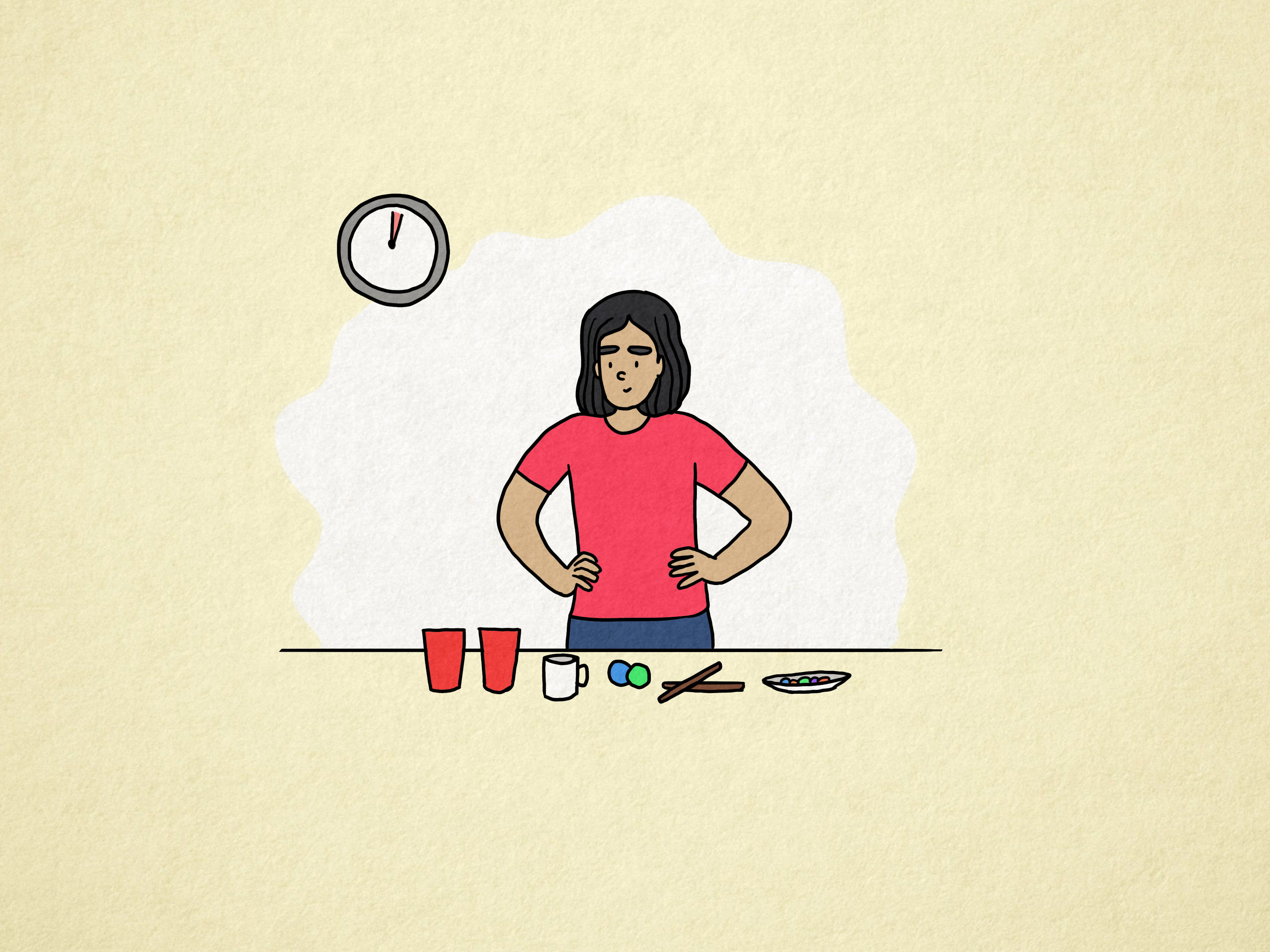
Need a party idea that does not require a professional magician, a bounce house the size of a school bus, or your entire weekend budget? Welcome to the wonderfully chaotic world of Minute to Win It games for kids. These fast, silly, low-prep challenges turn plastic cups, cotton balls, balloons, cookies, spoons, and cereal into Olympic-level entertainmentminus the international judging drama.
The magic is simple: each player gets 60 seconds to complete a challenge. That is it. One minute. No complicated rules. No long setup. No child asking, “Wait, whose turn is it?” seventeen times. These one-minute games for kids work beautifully for birthday parties, classroom celebrations, family game nights, summer camps, holiday gatherings, youth groups, and rainy afternoons when everyone has already said, “I’m bored” with Oscar-worthy sadness.
Below, you will find more than 60 fun, kid-friendly Minute to Win It games organized by supplies and play style, plus setup tips, safety notes, scoring ideas, and real-life hosting experience to help your event run smoothly. Grab a timer, clear the snack table, and prepare for giggles, cheering, and at least one adult becoming weirdly competitive about stacking cups.
What Are Minute to Win It Games?
Minute to Win It games are short challenges where players try to complete a task in 60 seconds or less. The games usually use everyday household items such as cups, ping-pong balls, straws, paper plates, marshmallows, balloons, dice, cookies, or craft sticks.
The best part is flexibility. Kids can play individually, in pairs, or on teams. You can run the games as stations, tournament rounds, classroom centers, or quick party breaks between cake and gift-opening. Since most challenges are silly rather than skill-heavy, children of different ages can join without feeling like they need to train in a secret basement gym first.
How to Set Up Minute to Win It Games for Kids
Choose Your Game Format
Before you begin, decide how kids will play. For small groups, let everyone attempt each challenge one at a time. For larger groups, create stations and rotate teams every few minutes. In a classroom, station play keeps the room moving and prevents a traffic jam of excited children holding spoons.
Gather Simple Supplies
Most party games for kids on this list use inexpensive materials: plastic cups, paper plates, cotton balls, balloons, chopsticks, straws, cookies, cereal, rubber bands, tape, and ping-pong balls. Put supplies for each game in separate bins or bags. Future-you will be grateful. Future-you deserves peace.
Explain Rules Quickly
Keep instructions short. Demonstrate the challenge once, set the timer, and let kids try. Long explanations are where party energy goes to take a nap.
Keep Safety First
Clear the play area, avoid sharp objects, supervise food-based games, and adjust supplies for younger children. For preschoolers, skip tiny items that could become choking hazards and use larger objects like pom-poms, jumbo marshmallows, or soft balls.
60+ Fun Minute to Win It Games for Kids
Cup Games
1. Stack Attack
Players stack plastic cups into a pyramid and then collapse them back into one stack before the timer ends. It sounds easy until the cups develop personalities.
2. Cup Tower Race
Give each child 20 cups. The goal is to build the tallest freestanding tower in 60 seconds. If it falls, they may rebuild.
3. Cup Flip Challenge
Players place a cup upside down on the edge of a table and flick it so it lands upright. Count successful landings.
4. Cup-to-Cup Transfer
Players move a stack of cups from one hand to the other, one cup at a time, until the original top cup returns to the top.
5. Ping-Pong Cup Toss
Set cups in a triangle. Kids bounce ping-pong balls into as many cups as possible in one minute.
6. Color Cup Sort
Mix colored cups in a stack. Players sort them into color groups as fast as they can.
7. Cup Knockdown
Stack cups into a wall and let kids roll a soft ball to knock down as many as possible.
8. Cup Balance Walk
Kids balance a cup on a paper plate while walking from one point to another. If it falls, they start again.
Balloon Games
9. Keep It Up
Players keep one balloon in the air for 60 seconds using only one hand. For older kids, use two balloons.
10. Balloon Waddle
Players hold a balloon between their knees and waddle across the room. Fastest finish wins, but style points are emotionally unavoidable.
11. Balloon Tap Relay
Teams tap a balloon across a finish line without grabbing it.
12. Balloon Cup Push
Kids blow up a balloon and use the escaping air to push cups across a table.
13. Balloon Pop Cleanup
Place small paper slips inside balloons before inflating. Kids pop balloons by sitting on them, then collect the slips. Use this only for children comfortable with loud sounds.
14. Balloon Tennis
Use paper plates taped to craft sticks as rackets. Players rally a balloon back and forth for one minute.
Cookie, Cereal, and Snack Games
15. Cookie Face
Place a cookie on the player’s forehead. Without using hands, they must move it into their mouth using facial muscles. Expect legendary expressions.
16. Cereal Bracelet
Kids thread cereal pieces onto a pipe cleaner using one hand. Count the cereal pieces after 60 seconds.
17. Marshmallow Scoop
Players use a spoon to move marshmallows from one bowl to another. For extra challenge, they hold the spoon in their mouth.
18. Chopstick Snack Transfer
Using chopsticks, players move small snacks from one plate to another. Use larger snacks for younger kids.
19. Pretzel Pick-Up
Kids use a straw or chopstick to hook pretzels and move them into a cup.
20. Candy Sort Sprint
Give players a mixed pile of colorful candy or cereal. They sort by color before time runs out.
21. Stack the Crackers
Players stack crackers as high as possible. The tower must stand for three seconds after the timer stops.
22. Noodle Necklace
Kids thread dry pasta onto yarn or pipe cleaners. This works especially well for younger players.
Ping-Pong Ball Games
23. Junk in the Trunk
Attach an empty tissue box filled with ping-pong balls to a player’s waist. They shake, dance, and wiggle until the box is empty. No hands allowed.
24. Bounce and Score
Players bounce ping-pong balls into cups arranged at different distances.
25. Spoon Catapult
Using a spoon as a tiny catapult, kids launch pom-poms or ping-pong balls into cups.
26. Ping-Pong Blow Race
Players blow a ping-pong ball across a table using only air from their mouths or a straw.
27. Ball Balance Spoon Walk
Kids carry a ping-pong ball on a spoon from start to finish. If it drops, they return to the start.
28. Target Roll
Set tape lines on the floor. Players roll ping-pong balls and try to stop them inside the target zone.
29. Floating Ball
Players use a straw to blow upward and keep a ping-pong ball floating in the air as long as possible.
Paper and Pencil Games
30. Number Order Dash
Write numbers on cards, mix them up, and have kids arrange them in order before time runs out.
31. Alphabet Race
Players write the alphabet as neatly and quickly as possible. For older kids, require one word for each letter.
32. Paper Airplane Landing
Kids make a paper airplane and try to land it inside a taped target area.
33. Sticky Note Face
Players stick as many sticky notes as possible on their own face in one minute. Silly? Yes. Effective? Also yes.
34. Paper Ball Toss
Players crumple paper into balls and toss them into a trash can or basket.
35. Drawing Dash
Call out an object, animal, or character. Kids have 60 seconds to draw it. Give awards for funniest, clearest, and most mysterious.
36. Puzzle Piece Panic
Give players a small puzzle. They try to complete as much as possible in one minute.
Straw and Cotton Ball Games
37. Cotton Ball Blow
Players blow cotton balls across a table using straws. First to the finish line wins.
38. Straw Transfer
Using suction through a straw, kids move small paper circles from one plate to another.
39. Cotton Ball Scoop
Blindfolded players use a spoon to move cotton balls from one bowl to another. Cotton balls are sneaky little clouds.
40. Pom-Pom Raceway
Kids use straws to blow pom-poms through a taped maze on the table.
41. Straw Tower
Players build the tallest structure possible using straws and tape.
42. Feather Float
Players keep a feather in the air by blowing it upward for as long as they can.
Movement Games
43. Crab Walk Relay
Kids crab-walk across the room and back before the timer ends.
44. Sock Slide
Players slide in socks from start to finish, trying to stop inside a taped square. Use a safe, open area.
45. Animal Walk Challenge
Call out an animalfrog, bear, penguin, craband kids move like that animal across the room.
46. Freeze Dance Minute
Play music while kids dance. Stop the music randomly. Anyone still moving does five jumping jacks before rejoining.
47. Hula Hoop Spin
Players try to keep a hula hoop spinning for the full minute.
48. Laundry Basket Toss
Kids toss rolled socks into laundry baskets from a marked line.
49. Balance Book Walk
Players balance a lightweight book on their head while walking across the room.
Team-Building Games
50. Human Ring Toss
One teammate stands still while another tosses pool rings or soft hoops over their arms. Keep throws gentle and safe.
51. Partner Cup Stack
Two players use one hand each to build a cup tower together.
52. Back-to-Back Balloon Carry
Partners hold a balloon between their backs and move across the room without dropping it.
53. Team Paper Chain
Teams cut and tape paper strips into the longest chain possible in one minute. Use safety scissors for younger kids.
54. Pass the Pom-Pom
Teams pass a pom-pom down the line using spoons only.
55. Cup Stack Relay
Each teammate adds cups to a shared tower. The tallest standing tower wins.
56. Silent Line-Up
Teams must line up by birthday month, height, or shoe size without talking.
Holiday and Theme Games
57. Snowball Toss
Use white pom-poms or crumpled paper as “snowballs” and toss them into buckets.
58. Pumpkin Stack
For fall parties, stack mini foam pumpkins or orange cups.
59. Valentine Heart Race
Players move candy hearts with chopsticks or spoons from one plate to another.
60. Holiday Bow Balance
Kids balance gift bows on their heads while walking across the room.
61. Easter Egg Roll
Players roll plastic eggs with a spoon toward a target.
62. Red, White, and Blue Sort
Kids sort themed pom-poms, beads, or paper squares into patriotic color groups.
63. Ghost Stack
Draw ghost faces on white cups and challenge kids to stack them into a spooky tower.
64. Reindeer Antlers
Teams use balloons and pantyhose-style tubes or paper antler templates to create silly reindeer antlers. Choose safe, breathable materials and supervise closely.
65. Birthday Candle Blow
Instead of real candles, line up lightweight paper “candles” and have kids blow them across the table using straws.
Best Minute to Win It Games by Age
Ages 4–6
Choose simple, low-pressure games with larger objects. Great options include Cotton Ball Scoop, Balloon Tap Relay, Paper Ball Toss, Noodle Necklace, Animal Walk Challenge, and Cup Tower Race. Avoid tiny candies, complicated rules, and games that require intense coordination.
Ages 7–9
This age group loves speed, silliness, and friendly competition. Try Stack Attack, Cookie Face, Junk in the Trunk, Ping-Pong Cup Toss, Cereal Bracelet, Balloon Waddle, and Spoon Catapult.
Ages 10–12
Older kids enjoy trickier challenges and team strategy. Use Straw Transfer, Silent Line-Up, Paper Chain Race, Cup Flip Challenge, Floating Ball, Puzzle Piece Panic, and Partner Cup Stack.
Scoring Ideas for Kids’ Minute to Win It Games
You do not need complicated scoring. In fact, please do not create a spreadsheet unless spreadsheets bring you joy. For casual play, award one point for completing a challenge and bonus points for the fastest time. For team play, give points for first, second, and third place. For younger children, consider non-competitive awards such as “Best Laugh,” “Most Creative Strategy,” “Fastest Comeback,” or “Most Dramatic Cup Collapse.”
Another easy option is a station card. Each child receives a card and gets a sticker for every game attempted. This keeps the focus on participation rather than winning, which is helpful when one child discovers they are a world-class ping-pong-ball bouncer and another child is simply there for snacks.
Minute to Win It Supplies Checklist
For a smooth party or classroom event, prepare a basic supply kit with plastic cups, paper plates, spoons, straws, cotton balls, pom-poms, balloons, ping-pong balls, tape, markers, index cards, pipe cleaners, cereal, marshmallows, cookies, chopsticks, laundry baskets, and a timer. Add hand wipes, trash bags, and extra supplies because children have a mysterious ability to make materials disappear into the party dimension.
Tips for Hosting a Smooth Game Day
Test Each Game First
Try each challenge before the kids arrive. Some games look easy online but become impossible in real life, especially when the cups are too flimsy or the table is secretly tilted like a tiny mountain.
Use Clear Stations
Label each station with the game name, supplies, and one-sentence directions. This is especially useful for classrooms, camps, and large birthday parties.
Keep Rounds Moving
Use a loud timer or bell. Give kids 30 seconds to rotate between stations and reset materials. The faster the pace, the less time there is for boredom to sneak in wearing party shoes.
Offer Flexible Rules
Adjust rules based on age and ability. Move targets closer, use bigger items, extend time to 90 seconds, or let kids work with partners. The goal is laughter and participation, not a courtroom debate over marshmallow transfer technique.
Real Experience: What Actually Works When Playing Minute to Win It Games With Kids
After watching many kid-centered games in action, one truth becomes clear: the simplest games are usually the biggest hits. Adults often want to create elaborate activities with laminated signs, themed props, and a setup that looks like it belongs on a television set. Kids, however, can have the time of their lives trying to move a cotton ball with a spoon while everyone screams encouragement like it is the final round of a championship.
The most successful Minute to Win It games for kids usually have three qualities. First, the rules are obvious. A child should understand the challenge within ten seconds. “Stack the cups.” “Move the marshmallows.” “Keep the balloon in the air.” Perfect. Second, the game should be funny to watch. Cookie Face, Junk in the Trunk, Balloon Waddle, and Cotton Ball Scoop always create instant laughter because the players look ridiculous in the best possible way. Third, the game should reset quickly. If it takes five adults and a printed instruction manual to prepare the next round, the party will lose momentum.
For birthday parties, station play works especially well. Set up five to eight games around the room or backyard. Divide kids into small teams and rotate them every three to five minutes. This keeps everyone active and prevents one long line of children waiting for a turn. Waiting children are not bad children; they are just tiny humans with too much energy and access to frosting.
For classrooms, the best approach is to choose quiet or semi-quiet challenges. Cup stacking, cereal bracelets, paper chains, number order cards, puzzle races, and chopstick transfers are easier to manage than balloon-heavy games. Save the loud balloon games for gyms, outdoor spaces, or moments when noise is not a problem. Teachers can also connect these games to learning: number ordering for math, alphabet races for literacy, paper chain measuring for estimation, and team challenges for communication skills.
For family game night, do not worry about perfect fairness. Mixed ages can play together if you modify the rules. Younger kids can stand closer to targets, older kids can use one hand, and adults can receive silly handicaps like spinning once before each turn. The point is shared laughter. A seven-year-old beating an adult at Cup Flip Challenge can become a family legend by breakfast.
One helpful hosting trick is to prepare a “reset helper” for each station. This can be an older child, teen, parent, or teacher assistant. Their job is to gather balls, restack cups, refill bowls, and keep the next player ready. It sounds small, but it makes the difference between a smooth event and a room full of children asking, “Now what?” at the exact same time.
Another lesson: always have backup games. Some challenges will be too easy, too hard, or not as exciting as expected. Keep a few emergency favorites ready, such as Stack Attack, Keep It Up, Paper Ball Toss, and Cookie Face. These games require almost no explanation and can rescue the energy of the room faster than a surprise pizza delivery.
Finally, keep the mood light. Kids remember the laughter more than the score. They remember Dad shaking a tissue box full of ping-pong balls. They remember their teacher trying Cookie Face and failing heroically. They remember cheering for a friend who finally landed one ball in a cup with three seconds left. That is the real win: not the minute, not the points, but the shared moment when everyone is laughing together.
Conclusion
60+ Fun Minute to Win It Games for Kids are proof that unforgettable fun does not need to be expensive, complicated, or covered in glitteralthough glitter may arrive anyway because glitter has no respect for boundaries. With simple supplies, clear rules, and a 60-second timer, you can create a party, classroom activity, or family game night that keeps kids moving, laughing, and working together.
Whether you choose cup stacking, balloon races, cookie challenges, ping-pong tosses, paper games, or team relays, the secret is to keep things playful. Adjust the difficulty, celebrate effort, and let the silliness do its job. In the end, these kids’ party games are less about winning and more about creating the kind of joyful chaos children talk about long after the cups are cleaned up.











