Some design events are loud, glittery, and filled with chairs nobody is allowed to sit on. Remodelista at Design Within Reach was not that kind of affair. The original gathering, known as “Remodelista Deconstructed,” brought the Remodelista editors to Design Within Reach’s SoHo flagship for an evening of conversation, drinks, modern furniture, vintage sensibility, and the kind of practical design wisdom that makes homeowners say, “Wait, maybe I don’t need twelve throw pillows named after emotions.”
At its heart, the event was about the meeting of two design philosophies that were made for each other. Remodelista championed the “considered home”: classic, livable, useful, and never desperate for attention. Design Within Reach, often shortened to DWR, built its reputation around authentic modern furniture, lighting, and accessories from major designers and brands. Put them together and you get a design lesson that still feels fresh today: buy thoughtfully, mix confidently, and let your home look like a real person lives therenot like a catalog swallowed a museum.
What Was “Remodelista at Design Within Reach”?
The Remodelista at Design Within Reach event took place at DWR’s SoHo flagship store in New York. It featured Remodelista editors Julie Carlson, Janet Hall, Sarah Lonsdale, and Francesca Connolly, who gathered with design fans to talk about what DWR called the “signature Remodelista mix of modern and vintage, high and low.” That phrase still deserves a tiny round of applause. It captures an approach to interiors that feels elegant without being stiff, edited without being cold, and stylish without requiring a small trust fund and a forklift.
The event was not merely about shopping. It was about decoding taste. Remodelista had become known as a sourcebook for the considered home, guiding readers through remodeling, decorating, and choosing household objects with care. Design Within Reach, meanwhile, offered access to modern classics and contemporary pieces that once felt hard to find outside the trade world. The pairing made sense because both brands treated design as something useful, personal, and deeply connected to everyday life.
Why Remodelista and Design Within Reach Were a Natural Match
Remodelista: The Considered Home, Not the Complicated Home
Remodelista’s design philosophy is refreshingly direct: classic and livable beats trendy and temporary. That does not mean boring. It means a room should survive more than one season of internet obsession. A considered home can include a humble stool, a handmade bowl, an antique mirror, and a modern sofa without starting a civil war in the living room.
The Remodelista approach values restraint, utility, good materials, and a little visual breathing room. It asks practical questions: Does this chair support an actual human spine? Will this light make dinner feel warm instead of interrogation-room chic? Can this storage bench hide shoes, dog toys, and the evidence of online shopping? In other words, Remodelista makes design feel intelligent and humane.
Design Within Reach: Modern Design Without the Secret Handshake
Design Within Reach began with a simple frustration: great modern design was often hard for ordinary buyers to access. Founder Rob Forbes wanted to make authentic modern classics easier to find, order, and live with. DWR became known for connecting retail customers with pieces by designers such as Charles and Ray Eames, George Nelson, Eero Saarinen, Harry Bertoia, and other modern design legends.
The company’s story matters because “within reach” was never only about price. It was also about availability, education, and confidence. Modern furniture can be intimidating. A beautifully proportioned lounge chair may whisper, “I studied architecture,” while your old recliner simply says, “I have snacks in the cushions.” DWR helped customers understand the value of authored design, quality production, and timeless forms that do not expire when the next color trend shows up wearing a dramatic hat.
The Signature Remodelista Mix: Modern + Vintage, High + Low
The phrase “modern and vintage, high and low” is more than a decorating slogan. It is a survival strategy for making a home feel real. Rooms filled entirely with new designer furniture can look polished but oddly lifeless, like a hotel lobby waiting for a very quiet billionaire. Rooms filled only with vintage pieces can become charming but chaotic. The magic happens in the mix.
Imagine a clean-lined DWR sofa paired with a weathered farmhouse table. Add a Nelson pendant above a thrifted cabinet. Place an Eames molded chair next to a simple woven basket. Suddenly the room has rhythm. The modern pieces provide structure; the older objects bring patina and story. The investment items anchor the space; the affordable finds keep it relaxed. Nobody wants a home that looks like it is afraid of fingerprints.
This high-low method is especially useful for homeowners working with real budgets. Spend more on the objects that carry daily weight: sofa, dining chairs, desk chair, mattress, lighting, and storage. Spend less on easily changed pieces: pillows, occasional tables, baskets, ceramics, and decorative accents. The result is a room that feels layered and personal rather than assembled in one panicked Saturday.
What Modern Homeowners Can Learn From the Event
1. Buy Fewer, Better Things
One of the strongest lessons from Remodelista and DWR is that the best interiors are edited. A well-made chair, a sturdy table, and a beautiful lamp can do more for a room than twenty accessories trying to be interesting. Buying fewer, better things is not about snobbery. It is about avoiding the slow tragedy of disposable furniture: wobbly legs, peeling veneer, and drawers that give up on life after three months.
2. Test Comfort Before Falling in Love
Modern furniture is famous for clean silhouettes, but not every beautiful chair is ready for movie night. If possible, sit, lean, swivel, recline, and perform the ancient ritual known as “Can I drink coffee here without regret?” DWR showrooms are helpful because they allow shoppers to experience scale, upholstery, seat depth, and finish in person.
3. Let Empty Space Do Some Work
Remodelista-style interiors often understand the power of negative space. Not every wall needs art. Not every corner needs a plant, although plants are lovely and also excellent at judging your watering habits. Leaving a little emptiness gives the best pieces room to breathe. It also makes cleaning easier, which is not glamorous but is deeply persuasive.
4. Mix Eras, But Keep a Common Thread
A modern sofa, vintage rug, industrial lamp, and antique chest can absolutely live together. The trick is to connect them through color, material, proportion, or mood. For example, black metal legs on a contemporary chair can echo the dark frame of a vintage mirror. Walnut finishes can connect a new credenza to an old dining table. A neutral palette can calm a room full of different periods.
How DWR Showrooms Changed the Way People Shop for Modern Design
Design Within Reach helped move modern furniture shopping away from sterile rows of products and toward room-like environments. This shift matters because furniture is rarely experienced in isolation. A chair is not just a chair; it is part of a conversation with a table, a rug, a lamp, a window, and the person who insists on putting a coaster under everything.
DWR’s later showroom concepts expanded this idea with more immersive spaces, swatch walls, dining chair testing areas, and model rooms that help customers visualize how different pieces can work together. This aligns perfectly with the Remodelista mindset. Instead of asking, “What single object looks impressive?” the better question is, “How will this object behave in the life of the room?”
That question is especially important in open-plan homes, apartments, and hybrid workspaces. A dining table might double as a desk. A lounge chair might sit near a bookshelf during the week and become the best seat in the house during weekend gatherings. A storage bench might save a small entryway from becoming a shoe avalanche. Good design earns its keep.
The Sustainability Angle: Thoughtful Design Ages Better
The Remodelista and DWR connection also points toward a more sustainable way to think about interiors. A considered home is not filled with objects chosen in a hurry and discarded in disappointment. It is built slowly, with attention to materials, repairability, versatility, and emotional staying power.
Remodelista’s later focus on low-impact living reinforces this point. Sustainable style is not only about bamboo toothbrushes and heroic compost bins. It is also about choosing durable furniture, buying secondhand when possible, repairing what can be repaired, and resisting the urge to redecorate every time a social media algorithm discovers a new shade of beige.
DWR’s place within the MillerKnoll family also connects it to broader conversations around material responsibility, product longevity, and modern manufacturing standards. For homeowners, the takeaway is simple: the greenest piece is often the one you keep, maintain, and still love ten years from now.
Room-by-Room Inspiration From the Remodelista-DWR Mindset
Living Room
Start with one strong seating piece, such as a clean-lined sofa or lounge chair. Add a vintage coffee table, a simple wool rug, warm lighting, and shelves that combine books with useful objects. Avoid the temptation to make every item “statement-making.” If everything is shouting, the room becomes a furniture debate club.
Dining Room
A modern dining table paired with mixed chairs can feel relaxed and sophisticated. Try combining iconic modern chairs with an antique sideboard or handmade ceramics. The goal is a dining space that invites people to linger, not one that makes guests whisper, “Are we allowed to use these napkins?”
Home Office
This is where DWR’s modern design strengths shine. A supportive task chair, a properly scaled desk, and adjustable lighting can transform work-from-home life. Remodelista would add a vintage tray for papers, a ceramic cup for pens, and perhaps a plant that looks productive even when you do not.
Bedroom
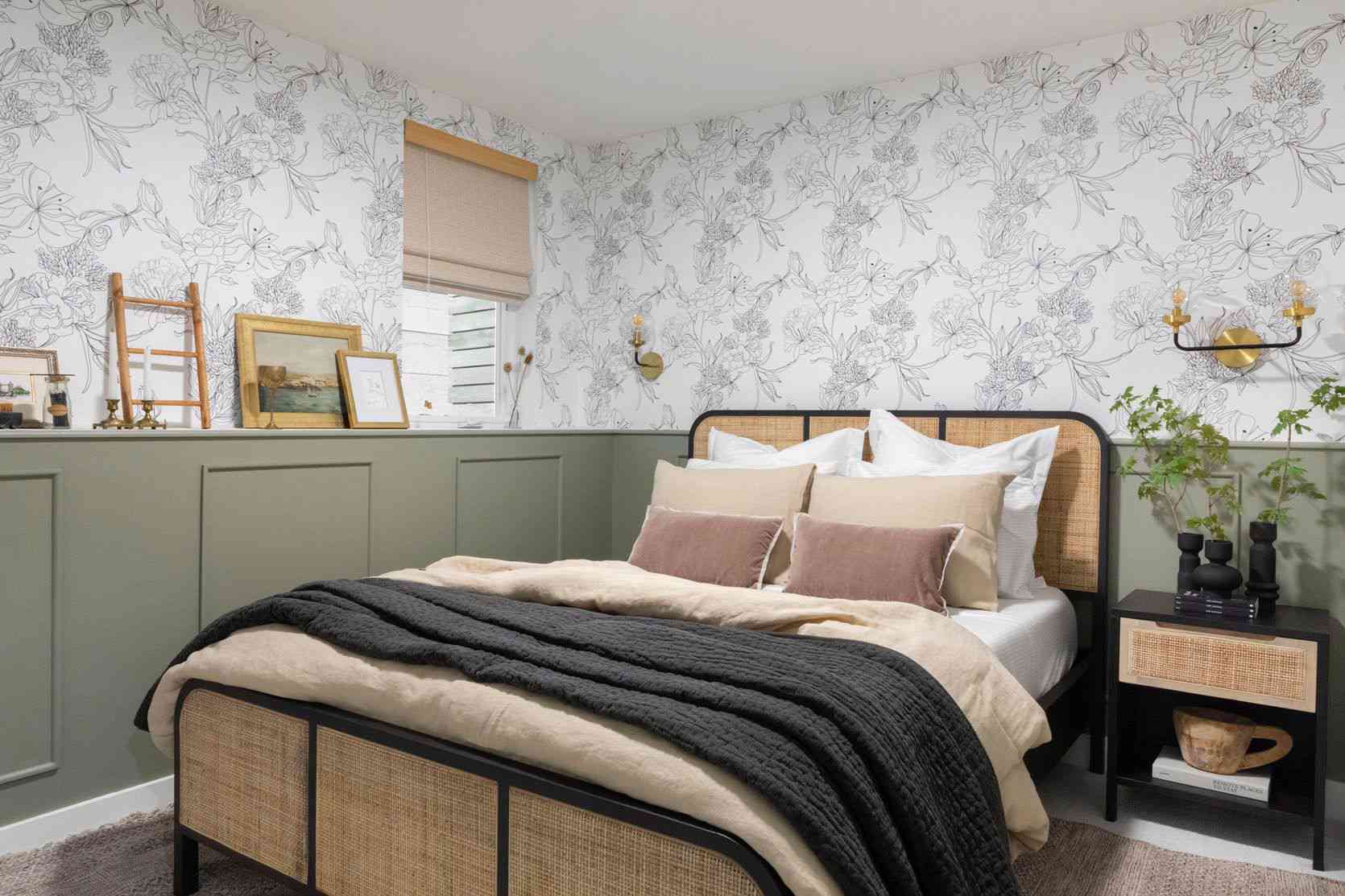
Keep the bedroom calm. Choose a simple bed frame, quality bedding, bedside lighting, and storage that hides visual clutter. A vintage bench or old wooden stool can soften modern furniture. The best bedroom design is not dramatic; it is quietly persuasive at 10:47 p.m.
Kitchen and Entryway
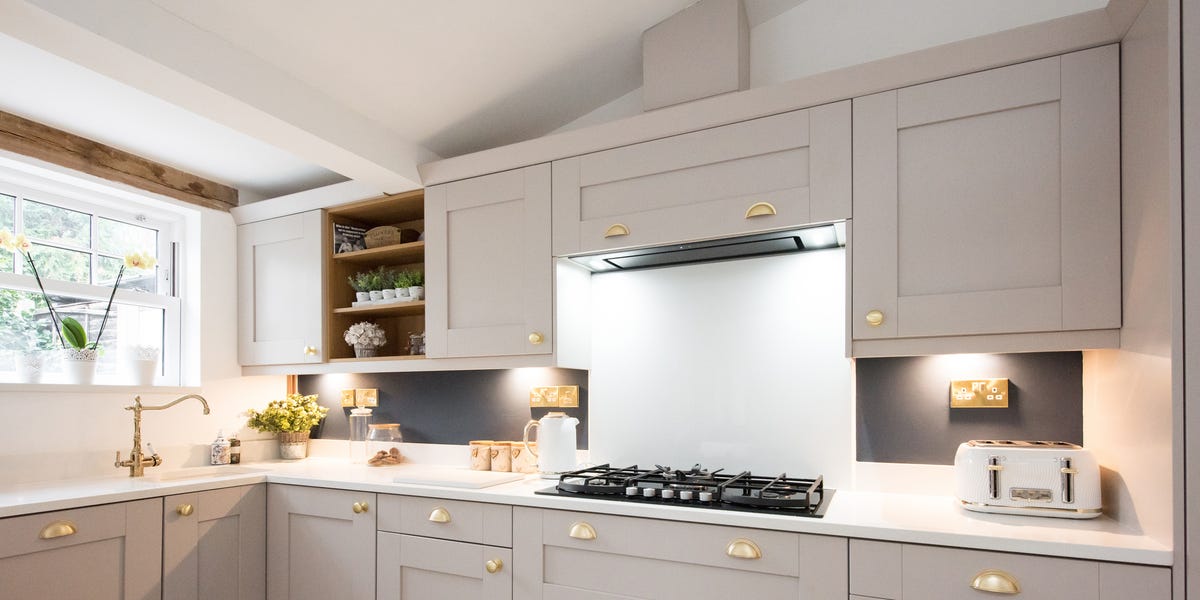
Small spaces benefit from the considered-home approach. Choose practical hooks, durable stools, compact storage, and lighting that improves both mood and function. A beautiful object is even better when it solves a boring problem. That is the secret glamour of good design: fewer messes, fewer regrets, better mornings.
How to Shop Design Within Reach the Remodelista Way
Shopping DWR with a Remodelista eye means slowing down. Measure your space before falling for a sofa with the wingspan of a small aircraft. Bring photos of your room. Collect material samples. Compare finishes in natural light. Think about the pieces you already own and love, especially vintage or sentimental items that deserve a place in the final design.
It also helps to create a priority list. If your dining chairs are uncomfortable, solve that first. If your living room lacks lighting, do not begin with decorative bowls. If your home office chair is secretly a medieval punishment device, upgrade it before buying another framed print. Design is not just about beauty; it is about improving daily life in specific, measurable ways.
Finally, do not copy a showroom exactly. Use it as a laboratory. Notice proportions, upholstery combinations, lighting temperature, rug size, and how objects are spaced. Then translate those lessons into your own home. The goal is not to live inside Design Within Reach. The goal is to make your own place feel more intentional, comfortable, and durable.
Experience Section: Visiting DWR With Remodelista Eyes
To understand the lasting appeal of Remodelista at Design Within Reach, imagine walking into a DWR showroom with a Remodelista editor perched invisibly on your shoulder, politely but firmly questioning your every impulse. You see a perfect chair. Your first thought is, “Beautiful.” The imaginary editor asks, “Beautiful where?” That is the difference between shopping and designing.
The experience begins with scale. A sofa that looks modest in a showroom can become a sectional sea monster in a city apartment. A dining table may look airy until you realize nobody can open the cabinet behind it. Walking through a showroom helps you understand the physical presence of furniture: height, depth, leg profile, arm width, and how much visual weight an object carries. Online photos are useful, but they cannot tell you whether a chair hugs your back or makes you sit like you are apologizing.
Next comes material. Touch the wool. Compare walnut and oak. Look at leather in person. Notice whether a polished surface feels too formal for your household, especially if your household includes children, pets, or adults who eat toast while walking. Remodelista’s practical spirit encourages shoppers to think beyond the first impression. Will this age well? Will it show every fingerprint? Can it tolerate real life, or does it require a velvet rope and a security guard?
Then comes the high-low edit. A DWR showroom may tempt you to buy the whole room, and honestly, the room will probably look fantastic. But the Remodelista lesson is to combine. Choose one investment piece and let humbler objects complete the story. A modern sofa can sit happily with a vintage rug. A sculptural pendant can glow above a flea-market table. A designer chair can become more charming next to books, ceramics, and a slightly imperfect antique cabinet.
The most useful part of the experience is learning restraint. Showrooms are designed to seduce, and DWR is very good at it. Everything is placed just so. The lighting behaves. The pillows never slump. Your home, however, has mail, chargers, shoes, groceries, and that one drawer full of mysterious cables. Visiting with Remodelista eyes means asking what will improve your actual life, not your fantasy life where you casually host architects for soup.
That is why the Remodelista at Design Within Reach idea still works. It gives shoppers permission to admire iconic modern design while staying grounded. It says yes to beauty, yes to quality, yes to the occasional dream chairbut also yes to measuring tape, vintage finds, budget balance, and common sense. In the end, the best design experience is not about leaving with the most expensive piece. It is about leaving with sharper eyes.
Conclusion: A Small Event With a Long Shelf Life
Remodelista at Design Within Reach may have started as an evening of conversation in a SoHo showroom, but its message still feels relevant for anyone trying to create a better home. The event celebrated a design language built on authentic modern furniture, vintage character, high-low balance, and thoughtful choices. It rejected disposable decorating and embraced the long game: rooms that become better as they are lived in.
For homeowners, renters, renovators, and design enthusiasts, the lesson is beautifully simple. Choose pieces with purpose. Mix old and new. Invest where it matters. Leave room for personality. Do not panic-buy a side table just because it is on sale and looks lonely. A considered home is not finished in a weekend; it is edited over time. And if it includes one excellent chair, one vintage treasure, and one lamp that makes everyone look slightly more attractive, you are doing just fine.