
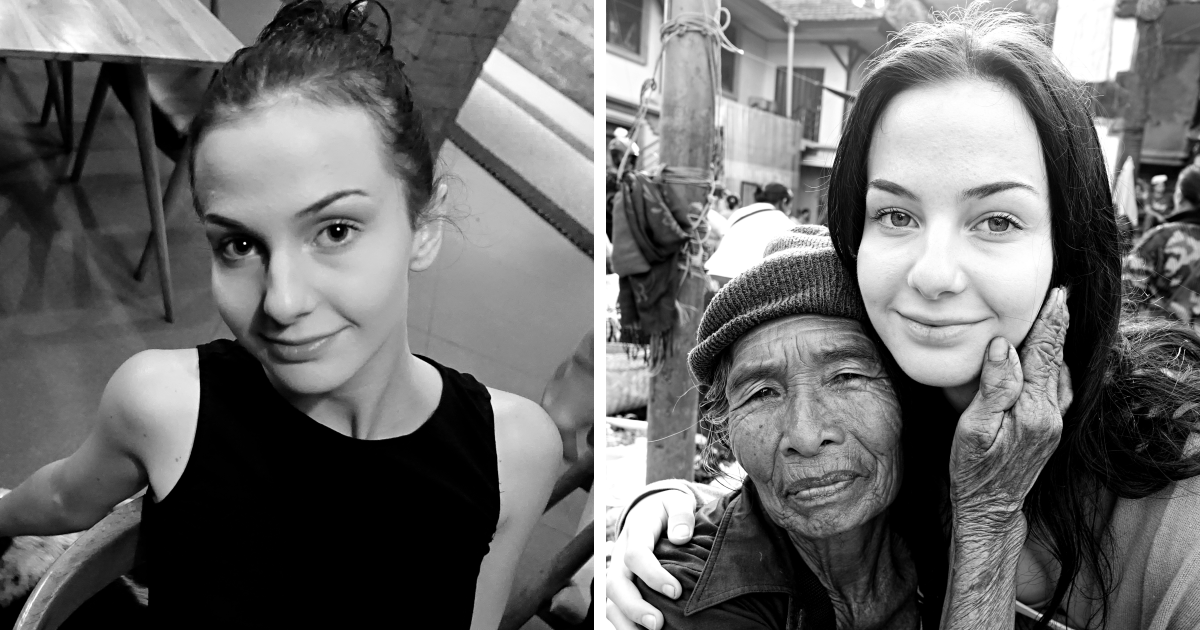
There are arrivals, and then there are arrivals in Ubud. The first kind happens at an airport: bags roll, passports appear, everyone pretends they are not tired. The second kind happens slowly, beautifully, almost ceremonially. A traveler steps into Bali’s green interior, sees rice terraces folding into the hills, hears scooters humming past temple walls, smells incense drifting from sidewalk offerings, and suddenly realizes: this is not just a destination. This is a mood, a lesson, and occasionally, a monkey with boundary issues.
So when my stunning goddaughter arrived in Ubud, it felt less like the start of a vacation and more like the opening scene of a film with excellent lighting. Ubud, Bali’s beloved cultural heart, has a special talent for turning ordinary moments into stories. A simple walk becomes a sensory parade. Breakfast becomes a wellness ceremony with dragon fruit. A wrong turn becomes a discovery of lotus ponds, carved gates, and a café that somehow serves the best coconut latte known to humanity.
This story is about her arrival, but it is also about what makes Ubud such a magnetic place for travelers: its temples, rice fields, art markets, family-friendly adventures, wellness culture, and deeply rooted Balinese traditions. It is part travel guide, part personal reflection, and part love letter to a town that manages to be both peaceful and delightfully chaotic before lunch.
Why Ubud Feels Like Bali’s Soulful Welcome Mat
Ubud sits inland, away from Bali’s beach-club bustle, and that difference is noticeable almost immediately. Instead of waves and sand, the landscape offers jungle ravines, rice paddies, river valleys, art studios, yoga shalas, temple courtyards, and roads where roosters act like they own several small businesses.
For first-time visitors, Ubud often feels like the “deep breath” part of Bali. It is where travelers come for cultural performances, woodcarving villages, painting traditions, wellness retreats, plant-forward cafés, spiritual ceremonies, and long walks through scenery so green it seems personally sponsored by chlorophyll. The town has grown more popular over the years, yes, but its core appeal remains the same: Ubud gives visitors a close look at Balinese culture while still offering the comforts modern travelers love.
That balance made it the perfect place for my goddaughter’s first real introduction to Bali. She arrived wide-eyed, stylish, and carrying the optimistic number of outfits that suggests someone believes tropical humidity respects fashion planning. Within hours, she had learned three essential Ubud truths: always carry water, always remove shoes when required, and never underestimate a macaque who has seen your snack.
The First Impression: Green, Gold, and Glorious Confusion
Her first drive into Ubud was a rolling postcard. The road passed family compounds with carved stone entrances, small shrines dressed in black-and-white poleng cloth, women carrying offerings with impossible grace, and shops selling everything from linen dresses to handmade masks. Bali does not introduce itself quietly. It layers beauty, sound, ritual, commerce, traffic, and fragrance into one vivid welcome.
For a traveler arriving from a busy city, Ubud can feel both calming and overwhelming. There are scooters everywhere. Sidewalks may suddenly become decorative suggestions. A temple ceremony can pause traffic as if time itself has politely stepped aside. And yet the pace is not harsh. It has rhythm. Once my goddaughter stopped trying to understand every detail at once, she began to notice the pattern: offerings placed each morning, incense smoke curling above doorways, gamelan sounds drifting from somewhere nearby, and neighbors greeting one another with an ease that made the town feel intimate.
Ubud’s Rice Terraces: Where the Landscape Becomes Architecture
No Ubud travel story is complete without rice terraces. Near Ubud, places like Tegallalang and Ceking Rice Terrace draw visitors because they show how agriculture, design, and daily life can become breathtaking scenery. The terraces curve along hillsides in layered green steps, reflecting centuries of Balinese farming knowledge.
The deeper story behind Bali’s rice fields is the subak system, a traditional cooperative irrigation network tied to temples, water management, agriculture, and community life. UNESCO recognizes Bali’s cultural landscape for this relationship between rice terraces, water temples, and the philosophy of harmony among people, nature, and the spiritual world. That context matters because it reminds visitors that these fields are not just “Instagram backgrounds.” They are living, working landscapes.
When my goddaughter saw the terraces for the first time, she went quiet. This was unusual. She is the kind of person who can narrate a menu. But the rice fields did what rice fields in Ubud often do: they silenced the chatter and replaced it with wonder. We walked slowly along narrow paths, stopping to watch farmers, ducks, and tourists attempting graceful poses while sweating like heroic dumplings.
Best Way to Experience the Rice Fields
Go early in the morning if possible. The light is softer, the temperature is kinder, and the crowds are thinner. Wear shoes with grip, bring small cash for local fees or donations, and avoid stepping into planted areas. A good rule for Ubud is simple: admire deeply, tread lightly, and do not treat someone else’s workplace like your personal runway.
The Sacred Monkey Forest: Cute, Ancient, and Slightly Suspicious
The Sacred Monkey Forest Sanctuary is one of Ubud’s most famous attractions, and for good reason. It is a nature reserve and temple complex where long-tailed macaques live among towering trees, mossy statues, stone pathways, and sacred architecture. The setting is magical, almost cinematic. It feels like the jungle has swallowed a temple and decided to keep it beautifully maintained.
It is also a place where visitors should use common sense. The monkeys are not plush toys with tails. They are clever wild animals with excellent reflexes and questionable respect for sunglasses. My goddaughter entered with the confidence of someone who had watched nature documentaries. She left with the wisdom of someone who had zipped her bag, removed loose accessories, and accepted that eye contact with a monkey can feel like negotiating with a tiny, furry landlord.
The Monkey Forest is worth visiting not only for the macaques but also for the atmosphere. The banyan roots, old stones, temple shrines, and filtered light create a sense of age and reverence. It is fun, yes, but it is also sacred ground. Visitors should follow posted rules, avoid feeding the monkeys unless permitted, keep food hidden, and respect temple areas.
Ubud Palace and the Art Market: Royal Gates and Bargaining Muscles
In central Ubud, the Ubud Palace, also known as Puri Saren Agung, offers a compact but memorable look at traditional Balinese architecture. Its carved gates, courtyards, and ornate details make it a natural stop during a walk through town. Nearby, Ubud Art Market brings a completely different energy: colorful textiles, woven bags, wood carvings, jewelry, paintings, souvenirs, and the ancient travel ritual of wondering whether you are bargaining well or funding someone’s early retirement.
My goddaughter loved the market immediately. She admired handmade bags, asked polite questions, compared patterns, and then discovered the delicate art of bargaining with a smile. The key is not to act like you are in combat. Bargaining in Bali is often expected in markets, but kindness matters. A fair price should feel respectful to both sides. Besides, nobody looks elegant arguing aggressively over a sarong while sweating through sunscreen.
Saraswati Temple: Lotus Ponds and a Moment of Calm
One of Ubud’s most photogenic spots is Pura Taman Saraswati, commonly called Saraswati Temple. Dedicated to Saraswati, the goddess associated with knowledge, wisdom, and the arts, the temple is known for its lotus ponds and ornate Balinese design. It is easy to visit from central Ubud, and it offers a quieter pause between shopping, café-hopping, and sightseeing.
For my goddaughter, Saraswati Temple became one of those places where travel stops being a checklist. She lingered by the lotus ponds, watching reflections ripple in the water. That is Ubud’s quiet genius. It draws you in with famous sights, then surprises you with small stillness: a flower floating near stone steps, a musician tuning an instrument, a child in ceremonial dress holding a parent’s hand.
Tirta Empul: A Sacred Water Experience Near Ubud
A short trip from Ubud can bring travelers to Tirta Empul, one of Bali’s important holy spring temples. The temple is associated with purification rituals, and visitors may observe or respectfully participate in the water cleansing ceremony when appropriate. It is a deeply meaningful place for many Balinese Hindus, so respectful behavior is essential.
For travelers, Tirta Empul is not just a beautiful stop. It is a reminder that Bali’s spirituality is not staged for tourism. It is lived daily through offerings, ceremonies, temple anniversaries, family obligations, sacred calendars, and community participation. My goddaughter understood this quickly. She asked questions, listened carefully, and treated the experience not as a photo opportunity but as a cultural privilege.
Food in Ubud: Where Healthy Meets Happily Full
Ubud’s food scene deserves its own applause. Travelers can find traditional Indonesian dishes, vegan bowls, smoothie bars, fine dining, family cafés, wood-fired pizza, herbal drinks, and desserts that make “just one bite” a hilarious lie. For a newcomer, the variety is thrilling.
We started with local flavors: nasi campur, satay, gado-gado, fresh sambal, crispy tempeh, and fragrant rice. Then came the modern Ubud classics: smoothie bowls bright enough to be mistaken for art supplies, coconut coffee, raw desserts, and salads that made us feel virtuous until we ordered cake. The beauty of eating in Ubud is that it can be both nourishing and indulgent. You can sip turmeric tonic at 10 a.m. and still be deeply committed to banana fritters by 4 p.m.
Family-Friendly Food Tip
If you are traveling with younger relatives, choose restaurants with garden seating, shade, simple rice or noodle dishes, and space to relax. Ubud can be warm and busy, so a calm lunch spot is not just a meal; it is a strategic recovery mission.
Wellness in Ubud: Yoga, Spas, and the Art of Doing Less
Ubud has long been associated with wellness travel. Yoga studios, meditation spaces, spas, healing centers, and retreats are woven into the visitor experience. Some travelers come for full wellness programs. Others simply book a massage after walking 18,000 steps and call it spiritual growth. Both approaches are valid.
My goddaughter was curious but not overly serious about wellness, which was perfect. Ubud can be profound, but it also has a sense of humor if you let it. A yoga class may teach patience. A flower bath may teach relaxation. A steep staircase to a jungle spa may teach that your calves have been neglected since 2019.
The best wellness experiences in Ubud are the ones approached without pressure. You do not have to transform your entire life in one afternoon. Sometimes it is enough to breathe, drink water, turn off your phone, and notice that the jungle has better sound design than any meditation app.
How to Plan a Beautiful First Day in Ubud
For anyone bringing a goddaughter, niece, daughter, friend, or beloved first-time traveler to Ubud, the first day should be gentle. Do not turn arrival day into an endurance sport. Long flights, tropical heat, and new surroundings require a slower rhythm.
A Simple First-Day Itinerary
Start with a relaxed breakfast or lunch near your accommodation. Take a short walk through central Ubud, visiting Ubud Palace and the Art Market if energy allows. Stop for coffee or fresh juice. In the late afternoon, visit Saraswati Temple or take a light walk along a scenic path. Save the rice terraces, Monkey Forest, and Tirta Empul for days when everyone is rested and less likely to emotionally collapse over a missing hair tie.
This softer approach gave my goddaughter space to absorb Ubud instead of sprinting through it. By sunset, she was already speaking about the town with affection, as if she had known it longer than a day.
Responsible Travel: Loving Ubud Without Wearing It Out
Ubud’s popularity brings opportunity but also pressure. Traffic, waste, overdevelopment, and the conversion of agricultural land are real concerns across Bali. Travelers can help by making thoughtful choices: stay in locally connected accommodations, avoid littering, refill water bottles where possible, respect temple etiquette, support artisans directly, and choose experiences that benefit communities rather than exploiting them.
Responsible travel also means understanding boundaries. Dress modestly in temples. Ask before photographing people closely. Do not interrupt ceremonies. Avoid climbing sacred structures. Use your right hand when giving or receiving items when possible. Learn a few Indonesian phrases such as terima kasih, meaning thank you. Small gestures matter.
My goddaughter took this seriously. She understood that beauty is not an invitation to consume carelessly. Ubud is generous, but it is not a theme park. It is home.
Personal Experience: What My Stunning Goddaughter’s Arrival Taught Me About Ubud
Watching my goddaughter arrive in Ubud reminded me that travel is often most powerful when seen through someone else’s first impression. I had read about Ubud, planned activities, checked routes, compared cafés, and prepared the usual practical advice. Bring mosquito repellent. Carry small cash. Hydrate. Beware of monkeys with the confidence of jewel thieves. But none of that preparation compared to seeing her face when Ubud began revealing itself.
The first moment happened on a small road outside town. We had stopped because the afternoon light was spilling across a rice field, turning every blade of green into something luminous. She stepped out of the car and simply stood there. No pose, no phone, no performance. Just silence. In a world where many travel moments are instantly filtered, captioned, and posted, that pause felt rare. Ubud had asked for her attention, and she gave it.
Later, in the market, she became fascinated by the hands behind the objects. A woven bag was not just a cute accessory; it was time, skill, pattern, and patience. A carved mask was not just décor; it carried tradition, symbolism, and the personality of the maker. She asked vendors how things were made. She listened. She smiled. She bought less than expected but appreciated more than most.
At the Monkey Forest, she laughed so hard that other visitors turned around. A macaque had positioned itself on a stone wall with the regal boredom of an old movie star. Another inspected a tourist’s backpack with professional focus. We kept our distance, followed the rules, and enjoyed the absurd theater of humans trying to look relaxed around animals who clearly knew they were the main attraction.
Food became another adventure. She tried sambal cautiously at first, as if it might file taxes in her name. Then she added more. She discovered tempeh, fresh coconut, Balinese coffee, and the joy of eating breakfast while looking at jungle leaves still wet from morning rain. Each meal became a conversation about place: where ingredients came from, how flavors changed across Indonesia, why travel tastes better when you are curious instead of cautious.
The most meaningful experience, however, was not a famous landmark. It was an evening walk after rain. The stones were damp, the air smelled of earth and frangipani, and small offerings rested outside doorways. Somewhere nearby, music began. Not loud, not staged, just present. My goddaughter slowed down and said Ubud felt “alive in layers.” That was exactly it. Ubud is not beautiful in one simple way. It is beautiful in layers: natural, spiritual, artistic, domestic, chaotic, serene, ancient, modern, funny, and occasionally muddy.
Her arrival changed the way I saw the town. I stopped treating Ubud as a list of things to recommend and started experiencing it again as a place full of invitations. Look closer. Walk slower. Ask better questions. Laugh when plans wobble. Respect what you do not fully understand. Leave room for wonder. That, more than any itinerary, is the gift Ubud gives to travelers who arrive with open eyes.
Conclusion: A Beautiful Arrival in Bali’s Cultural Heart
My stunning goddaughter’s arrival in Ubud became more than a family travel memory. It became a reminder of why Ubud continues to captivate travelers from around the world. The town offers rice terraces shaped by generations of cooperation, temples alive with devotion, markets full of artistry, forests where macaques rule with comic authority, and quiet corners where time seems to loosen its grip.
For first-time visitors, Ubud is not just a place to see. It is a place to feel. It encourages curiosity, patience, respect, and delight. Whether you come with family, friends, or your own brave suitcase, Ubud has a way of welcoming you into its green, golden, incense-scented rhythm. And if you are lucky enough to watch someone you love discover it for the first time, the whole town becomes new again.
Note: This article is written in original American English and synthesized from real destination information about Ubud, Bali, including its cultural sites, rice terraces, temples, markets, wellness scene, and responsible travel practices.











