
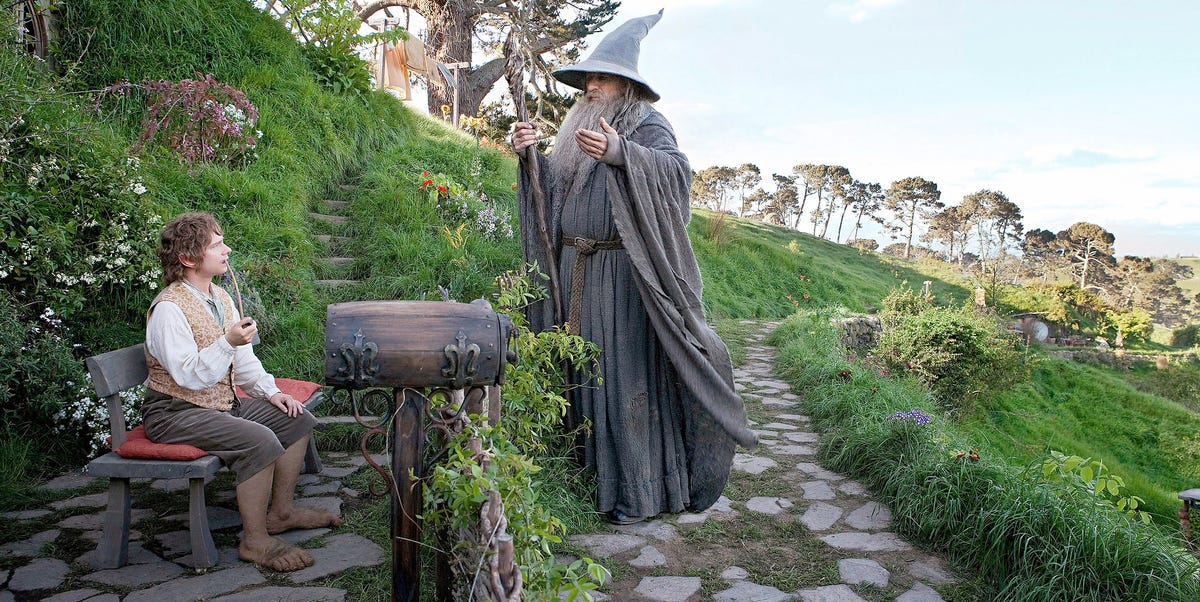
If you have ever stared at the Middle-earth franchise and wondered whether to start with The Hobbit, The Fellowship of the Ring, or the movie with the Rohirrim and a title long enough to need second breakfast, you are not alone. The good news is that watching the Lord of the Rings movies in order is much easier than surviving Mordor in sandals. The even better news is that there are really only two smart ways to do it: release order and chronological order.
Release order is the classic route. It lets the story unfold the way audiences first experienced it on the big screen, starting with Peter Jackson’s original trilogy and then circling back to the earlier adventures in The Hobbit. Chronological order flips the map and starts with stories that happen earlier in Middle-earth history. Neither choice is wrong. One gives you the cleanest emotional build. The other gives you the neatest timeline. Think of it as choosing between Aragorn’s leadership and Gandalf’s timing. Both work. One just comes with more dramatic beard energy.
This guide focuses on the modern movie continuity most viewers mean when they search for LOTR movies in order: the six live-action Middle-earth films and the animated feature The Lord of the Rings: The War of the Rohirrim. We will also briefly explain where The Rings of Power fits, because every franchise eventually grows enough branches to require an actual forest ranger.
Quick Answer: The Best Watch Orders
Release Order
- The Lord of the Rings: The Fellowship of the Ring (2001)
- The Lord of the Rings: The Two Towers (2002)
- The Lord of the Rings: The Return of the King (2003)
- The Hobbit: An Unexpected Journey (2012)
- The Hobbit: The Desolation of Smaug (2013)
- The Hobbit: The Battle of the Five Armies (2014)
- The Lord of the Rings: The War of the Rohirrim (2024) (optional but official movie entry)
Chronological Order
- The Lord of the Rings: The War of the Rohirrim (set long before the main trilogy)
- The Hobbit: An Unexpected Journey
- The Hobbit: The Desolation of Smaug
- The Hobbit: The Battle of the Five Armies
- The Lord of the Rings: The Fellowship of the Ring
- The Lord of the Rings: The Two Towers
- The Lord of the Rings: The Return of the King
If you want the simplest recommendation, here it is: first-time viewers should usually watch the Lord of the Rings movies by release order. Returning fans who already know the major characters and story beats often enjoy chronological order for a different flavor of the journey.
Why Release Order Is Usually Best
There is a reason so many movie fans default to release order. The Fellowship of the Ring, The Two Towers, and The Return of the King were designed to introduce this cinematic world, its tone, and its emotional stakes. They are the foundation. Starting there gives you the strongest sense of wonder, the cleanest character introductions, and the most satisfying rise in scale.
In plain English: release order lets the trilogy do what trilogies are supposed to do. It hooks you, expands the world, then absolutely launches your feelings into Mount Doom.
It also makes The Hobbit trilogy feel like what it is on screen: a return trip to Middle-earth made after the original films became cultural landmarks. You get the callbacks, the visual echoes, the familiar faces, and the “oh, that is where that came from” moments in a way that feels rewarding rather than mandatory homework.
Then there is The War of the Rohirrim, which works best as an optional add-on after you already know Rohan, Helm’s Deep, and the larger mythology. Watching it last can feel like dessert after a very long, very beautiful fantasy feast. Watching it first is not illegal, but it is a little like starting a steak dinner with the mint on the check.
Why Some Fans Prefer Chronological Order
If your brain loves timelines, chronological order scratches a very specific itch. It lets Middle-earth history move forward rather than backward. You see earlier conflicts, earlier heroes, and earlier pieces of the world before the War of the Ring takes center stage. For viewers who enjoy lore, lineage, and world-building, that structure can be deeply satisfying.
Chronological order also changes the tone of the marathon. Instead of beginning with Frodo and the immediate danger of the One Ring, you start with earlier stories that slowly build toward the larger crisis. That gives the whole watch-through a sweeping historical feel. Middle-earth stops feeling like one trilogy and starts feeling like a long civilization rolling toward destiny. Dramatic? Yes. Slightly nerdy? Also yes. Beautifully so.
The only catch is that chronological order can slightly flatten some reveals and emotional rhythms that worked so well in release order. You gain timeline clarity, but you trade away a bit of the original cinematic payoff. That is why it is often better for rewatches than for total newcomers.
Where Each Movie Fits
The Lord of the Rings: The War of the Rohirrim
This animated feature expands the history of Rohan and sits earlier in the timeline than the six live-action films. It is the wild card in the franchise: newer, stylistically different, and less essential for understanding Frodo’s story, but still worth knowing about if you want the complete Lord of the Rings movie order. If you are doing a pure “movie-only chronology,” it goes first.
The Hobbit Trilogy
An Unexpected Journey, The Desolation of Smaug, and The Battle of the Five Armies take place before The Lord of the Rings. These films follow Bilbo Baggins, a dragon-sized problem, and enough traveling to make your knees hurt in sympathy. In timeline terms, they belong before Frodo’s quest. In release terms, they came later and were built with an audience already familiar with the original trilogy.
The Lord of the Rings Trilogy
This is still the heart of the cinematic franchise. The Fellowship of the Ring introduces the quest, The Two Towers expands the war, and The Return of the King brings the saga to its emotionally volcanic finish. Even after all these years, this trilogy remains the anchor, the event, and the reason so many living rooms have hosted twelve-hour marathon weekends with suspicious amounts of coffee.
Detailed Watch Guide for Each Film
1. The Lord of the Rings: The Fellowship of the Ring (2001)
This is the ideal beginning in release order and still the best entry point for most viewers. It introduces Frodo, Gandalf, Aragorn, the Ring, and the basic rule that walking anywhere in Middle-earth somehow becomes an extreme sport. The film balances intimacy and epic scale beautifully, which is exactly why it remains the strongest onboarding movie in the franchise.
2. The Lord of the Rings: The Two Towers (2002)
Once the fellowship breaks, the story becomes bigger, stranger, and more ambitious. This chapter deepens the emotional stakes and broadens the war without losing sight of the characters. It is also the movie that proves the trilogy was not a one-hit wonder. It is where Middle-earth flexes.
3. The Lord of the Rings: The Return of the King (2003)
This is the grand finale, and yes, it has a lot of endings. That is not a bug. That is a feature. The film pays off years of storytelling with battlefield spectacle, character resolution, and enough emotional closure to leave even tough viewers blinking suspiciously at the screen.
4. The Hobbit: An Unexpected Journey (2012)
If you continue in release order, this is where you jump backward in the timeline. The tone is lighter at first, more adventurous and playful, though the shadows are still gathering. Bilbo’s reluctant bravery gives the movie its charm, and the story works especially well after you already understand the larger history of the Ring.
5. The Hobbit: The Desolation of Smaug (2013)
This chapter pushes the trilogy into darker and more dangerous territory. The world expands, the pace sharpens, and Smaug arrives with enough personality to steal scenes and probably your Wi-Fi password. For many viewers, this is the strongest entry in The Hobbit trilogy.
6. The Hobbit: The Battle of the Five Armies (2014)
The final Hobbit film leans hard into warfare, consequences, and the closing of Bilbo’s adventure. It also nudges the broader mythology closer to the world audiences already know from The Lord of the Rings. In chronological order, this is the last stop before the main trilogy begins.
7. The Lord of the Rings: The War of the Rohirrim (2024)
This film is the franchise’s newer side road: still part of Middle-earth, but stylistically distinct. Because it is animated and set much earlier, it can feel either like the opening chapter of a full chronology or an optional lore-rich bonus for fans who want one more ride into battle. There is no bad time to watch it, but there are smarter times. Chronology buffs can place it first. Most casual viewers should save it for after the live-action films.
Should You Watch the Extended Editions?
Ah yes, the sacred question. The extended editions are beloved for a reason. They add character beats, world-building, and extra texture that many fans now consider essential. But “essential” is a dangerous word when you are asking a newcomer to commit to a runtime roughly equivalent to crossing half of Middle-earth on foot.
Here is the practical answer:
- First-time viewers: start with the theatrical cuts if you want the smoothest pacing.
- Returning fans: the extended editions are an excellent way to revisit the saga.
- Weekend marathon warriors: pack snacks, water, blankets, and maybe a written note to the outside world.
If your goal is story momentum, theatrical cuts are friendlier. If your goal is immersion, extended editions feel like moving into Middle-earth and forwarding your mail there.
What About The Rings of Power?
The Rings of Power is part of the larger screen franchise conversation, but it is a TV series, not a movie. It takes place much earlier in Middle-earth history than the main films, which is why some franchise-wide watch lists put it before everything else in chronological order. Still, if your question is specifically how to watch the Lord of the Rings movies in order, you do not need to include it.
So if you want a movie-only watch order, skip the series. If you want a broader Middle-earth screen marathon, then yes, it belongs on the larger map. Just do not let one television detour turn your movie night into a semester abroad.
The Best Order for Different Viewers
For First-Time Viewers
Choose release order. It is cleaner, more emotionally effective, and the original trilogy still lands hardest when it arrives first.
For Hardcore Lore Fans
Choose chronological order. It turns the franchise into a historical march through Middle-earth and makes the world feel wider.
For Families or Casual Weekend Watchers
Choose the six live-action films first. Add The War of the Rohirrim later if everyone still has the stamina and at least one person in the room has begun speaking like a king of Rohan.
For Rewatchers
Try both. Release order gives you the thrill. Chronological order gives you the lore. Extended editions give you the full feast. At some point, all roads lead to a rewatch anyway.
The Experience of Watching Middle-earth This Way
Watching the Lord of the Rings movies in order is not just about checking titles off a list. It is an experience, and the order you choose changes that experience more than people expect. In release order, the marathon feels like discovery. You meet Middle-earth the way audiences originally did: one careful step at a time, then one giant battle at a time, then one emotional breakdown at a time because apparently nobody leaves The Return of the King totally composed. The world opens naturally. The stakes rise with every movie. By the end, you feel as though you have been on a true cinematic quest.
Chronological order creates a different mood. It feels less like discovery and more like destiny. You start with history already in motion, see old legends and earlier conflicts, then move toward the events that eventually place the burden of the Ring on Frodo’s shoulders. The payoff is not surprise. It is accumulation. You feel the weight of time. You notice the echoes between generations. Characters and places carry more mythic gravity because you have seen what came before. That can be incredibly satisfying, especially for viewers who love fantasy worlds with deep lore and long memory.
There is also the simple joy of tone. The Hobbit films have a slightly different energy from the original trilogy. They are more playful in places, more openly adventurous, and often a bit more colorful before things turn darker. That means a chronological watch can begin with a lighter touch and then gradually harden into the war-heavy urgency of The Lord of the Rings. Release order does the opposite: it starts with solemn grandeur, then revisits the past with a little more bounce. Neither is better in every situation. They are just different emotional routes through the same mountain range.
And then there is the practical side no one talks about enough: these movies ask for commitment. A real marathon becomes an event. You coordinate meals. You debate theatrical versus extended cuts. Somebody says, “Let’s just watch one,” and six hours later nobody remembers what daylight looked like. That is part of the charm. Middle-earth is one of those rare franchises that rewards time investment. The longer you stay in it, the more lived-in it feels.
What makes the experience special, though, is not only the scale. It is the balance between spectacle and comfort. These are epic films, but they are also cozy films. There are giant battles, yes, but there are also campfires, songs, food, friendship, maps, old stories, and long walks with people who gradually become family. Watching the movies in order taps into that rhythm. You are not simply consuming plot. You are settling into a world that feels ancient, dangerous, funny, mournful, and strangely homey all at once.
That is why so many fans return to these films again and again. A Middle-earth marathon can feel like a fantasy vacation, a reunion with old friends, or a yearly ritual that somehow still works even when you know every line and every sword swing. The order matters, but the bigger truth is this: if the watch order gets you back into Middle-earth, you already chose wisely.
Final Verdict
If you want the best all-around answer to how to watch the Lord of the Rings movies in order, go with release order: start with the original trilogy, continue with The Hobbit trilogy, and then add The War of the Rohirrim as an optional bonus. That is the cleanest, most satisfying route for most viewers.
If you want a timeline-driven marathon, go with chronological order: The War of the Rohirrim, then the three Hobbit movies, then the Lord of the Rings trilogy. It is lore-rich, immersive, and especially fun on a rewatch.
Either way, you win. You are watching one of the most beloved fantasy franchises ever made. The only real mistake is starting too late and realizing at midnight that you still have one more extended edition left and work in the morning. In that case, as Gandalf might say, all we have to decide is what to do with the coffee that is given us.














