
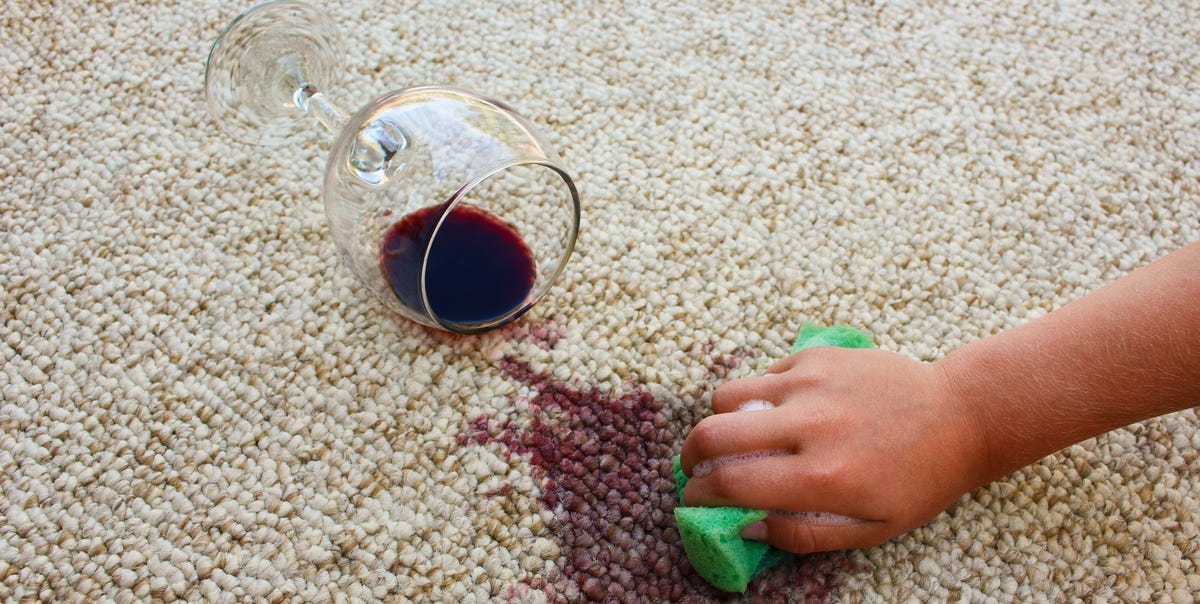
Carpet is cozy, forgiving under bare feet, and somehow always there to catch whatever gravity sends its way. Coffee? Of course. Red wine? Naturally. Mystery sticky spot from a child, pet, or grown adult who should know better? Absolutely. The good news is that learning how to clean carpet is not some secret housekeeping ritual passed down by magical grandmothers. Most stains come out with fast action, the right method, and a little patience.
If you want the best way to get stains out of carpet, start with this simple truth: the faster you respond, the better your odds. Carpet fibers can hold onto pigments, oils, and residue like a grudge. But when you know what kind of stain you are facing and resist the urge to scrub like you are trying to erase your past, you can usually save the day.
This guide covers the smartest, safest, and most effective ways to clean carpet at home. You will learn what to do first, which ingredients actually help, which ones can backfire, and how to handle common disasters like pet accidents, mud, grease, coffee, and wine. By the end, you will know how to remove carpet stains without turning a small mess into a larger, wetter, fuzzier mess.
Why Carpet Stains Are So Stubborn
Carpet stains are not all created equal. Some sit on the surface and leave after a quick blot. Others sink into the fibers, the backing, or the pad underneath. That is why a spilled soda may look gone after five minutes but reappear later like an annoying sequel no one asked for.
Water-based stains such as juice, soda, mud, and many food spills are usually easier to treat. Oil-based stains, including grease, makeup, and some sauces, tend to cling more aggressively. Protein stains like blood, vomit, dairy, and pet accidents are their own special category and often need a different approach. Then there are dyed stains, such as red wine, coffee, or sports drinks, which can settle in quickly if ignored.
Another problem is residue. Even when the color is gone, leftover soap or cleaner can attract fresh dirt. That is why the best carpet cleaning method is not just about removing the stain. It is also about removing what you used to remove the stain. Yes, carpet care can be a little dramatic.
The Golden Rules of Carpet Stain Removal
1. Blot, do not rub
Rubbing pushes the spill deeper into the fibers, spreads it outward, and can rough up the carpet pile. Blotting lifts moisture and stain material up and out. Use a clean white cloth, plain white paper towels, or another lint-free white material so you do not transfer dye onto the carpet.
2. Test first in a hidden area
Before you use any cleaner, test it in a closet corner or another inconspicuous spot. Carpets vary by fiber type, dye stability, and finish. A solution that works beautifully on one carpet can lighten or damage another.
3. Work from the outside toward the center
This keeps the stain from spreading. Think of it like containing a tiny household emergency. You want to move inward, not chase the mess into new territory.
4. Do not overwet the carpet
Too much liquid can soak through to the backing and pad, which may cause odors, slow drying, discoloration, or damage. Use enough solution to treat the stain, but not enough to create a small indoor pond.
5. Vacuum before deep cleaning
Dry soil acts like gritty sandpaper in carpet. Before you do any overall cleaning or wet cleaning, vacuum thoroughly. For dry messes like mud or crumbs, let the area dry first if needed, then vacuum before adding moisture.
6. Rinse and blot out cleaner residue
After using a cleaning solution, lightly rinse the area with clean water and blot again. This extra step helps prevent sticky buildup that attracts fresh dirt. It is not flashy, but it is one of the best-kept secrets behind cleaner-looking carpet.
7. Dry the area completely
Open windows, run a fan, and keep foot traffic off the spot until it is dry. Fast drying helps prevent odors and keeps dirt from clinging to damp fibers.
How to Clean Carpet: The Best Basic Method
For many common stains, this simple method works well and keeps you from reaching for ten random products under the sink.
- Remove solids first. Use a spoon, dull knife, or paper towel to lift away food or thick residue.
- Blot excess liquid. Press gently with a dry white cloth until you are no longer pulling up moisture.
- Apply a mild cleaning solution. A safe starting point for many synthetic carpets is a small amount of mild dish soap mixed into warm water, or a carpet-safe stain remover used according to the label.
- Blot from the outside in. Do not scrub. Keep switching to a clean section of cloth.
- Rinse lightly with clean water. Blot again to remove both stain and cleaner.
- Dry thoroughly. Place a dry towel over the area and press, then allow air circulation to finish the job.
If the stain improves but does not fully disappear, repeat the process instead of escalating too quickly to stronger chemicals. Carpet cleaning rewards patience more than brute force. In other words, this is not a gym event.
Best Way to Get Stains Out of Carpet by Stain Type
| Stain Type | Best First Move | Helpful Cleaner | Key Warning |
|---|---|---|---|
| Coffee or tea | Blot immediately | Mild dish soap solution or carpet stain remover | Do not over-wet; tannins can set |
| Red wine | Blot and dilute lightly with cold water | Carpet-safe stain remover or mild vinegar solution | Never rub; work from outside in |
| Grease or oil | Lift solids, then apply baking soda or cornstarch | Small amount of dish soap after absorbent powder | Do not smear grease deeper into fibers |
| Pet urine | Blot thoroughly | Enzyme cleaner | Avoid masking odors without breaking them down |
| Blood | Use cold water only | Cold water and gentle blotting; spot-test peroxide if suitable | Hot water can set the stain |
| Mud | Let it dry | Vacuum first, then mild cleaner if needed | Wet mud spreads fast |
| Ink | Blot gently | Rubbing alcohol on a cloth, used carefully | Test first; do not pour directly |
| Paint | Act fast while wet | Dish soap and water for water-based paint | Dried or oil-based paint may need a pro |
Coffee and tea stains
Coffee looks innocent in a mug and deeply suspicious in beige carpet. Blot as much liquid as possible first. Then use a small amount of dish soap mixed with water or a carpet stain remover. Let it sit briefly, blot again, and rinse lightly. If cream or sugar was involved, be extra careful to remove residue completely.
Red wine stains
Move quickly. Blot first, then lightly apply cold water to dilute what remains. Continue blotting. A carpet-safe stain remover or a mild vinegar-based solution may help lift the color. Repeat with patience. The real enemy is panic-scrubbing, which only drives wine deeper into the carpet.
Grease and oil stains
Grease needs a different strategy because water alone does not do much. First, remove solids if present. Next, sprinkle baking soda or cornstarch over the spot and let it sit so it can absorb oil. Vacuum it up, then use a small amount of dish soap solution to tackle what remains. Keep the water minimal and blot thoroughly.
Pet stains and odors
When dealing with pet urine, blot as much as possible right away. Then use an enzyme cleaner designed for pet messes. This is often the best way to get stains out of carpet when odors are involved because enzymes break down the organic material instead of just covering the smell. If you skip this step, your carpet may smell “fine” for a day and then mysteriously become terrible again.
Blood stains
Use cold water, not hot. Hot water can set protein stains and make them harder to remove. Blot with cold water first. If needed, use a carpet-safe treatment that is appropriate for your fiber type. Some people use hydrogen peroxide on light, colorfast carpets, but only after spot-testing because it can bleach certain materials.
Mud and dirt
The best move here is to do less at first. Let mud dry completely, then vacuum up as much loose dirt as possible. After that, treat what remains with a mild cleaning solution and blot. Trying to clean wet mud right away usually just creates a larger brown problem.
Ink stains
Ink can spread fast, so use caution. Dab a small amount of rubbing alcohol onto a cloth, not directly onto the carpet, then blot carefully. Switch cloth sections often. Test first, go slowly, and stop if you notice color transfer from the carpet itself.
Natural Carpet Cleaning Methods That Can Work
Homemade solutions can be helpful for minor stains, but “natural” does not automatically mean “safe for every carpet.” Always test first, especially on wool, silk, or plant-based fibers such as jute or sisal.
- Baking soda: Great for absorbing odors and helping with greasy messes.
- White vinegar and water: Sometimes useful for food and drink stains, especially as a mild deodorizing option.
- Mild dish soap and water: One of the safest all-purpose starting points for many synthetic carpets.
- Hydrogen peroxide: Can help with some stains on light, colorfast carpet, but treat it like a strong player and not a casual friend.
Avoid reaching for harsh laundry detergent, automatic dishwasher detergent, bleach, or heavy-duty hard-surface cleaners unless your carpet manufacturer specifically approves them. Stronger is not always smarter. Sometimes it is just stronger.
How to Deep Clean Carpet Without Damaging It
If your whole carpet looks dull, smells stale, or has high-traffic graying, spot cleaning will only take you so far. That is when you need overall carpet cleaning.
Option 1: Use a carpet cleaning machine
Vacuum first. Pre-treat visible stains. Then use the machine with the correct amount of carpet cleaning solution. More soap does not equal more clean. In fact, too much can leave residue behind. Make slow passes, and whenever possible, do extra suction-only passes to remove as much moisture as you can.
Option 2: Hire a professional
For deep-set soil, recurring stains, delicate fibers, or large rooms, professional carpet cleaning is often worth it. Many carpet care experts recommend deep cleaning about every 12 to 18 months, or according to your manufacturer’s instructions and household traffic level. Homes with pets, kids, allergies, or lots of foot traffic may need it sooner.
Common Carpet Cleaning Mistakes to Avoid
- Scrubbing instead of blotting
- Using too much water
- Skipping the spot test
- Leaving cleaner residue behind
- Using the wrong treatment for the stain type
- Walking on the spot before it dries
- Using strong chemicals on wool, silk, or natural fibers
- Ignoring the carpet pad when pet odor keeps returning
One of the biggest mistakes is using random online hacks without thinking about carpet material. A trick that works on synthetic carpeting may ruin a wool rug. Carpet does not care how convincing the hack looked in a 12-second video.
When to Call a Pro
Sometimes the best carpet stain remover is a trained human with the right equipment. Call a professional if the stain is old and set, the odor keeps returning, the stain covers a large area, or your carpet is made of wool, silk, jute, or another delicate natural fiber. You should also get help if the spill involved paint, heavy grease, or a pet accident that soaked through to the pad.
Real-Life Carpet Cleaning Experiences: What Actually Happens in Homes
Anyone can read instructions that say “blot gently,” but carpet cleaning really makes sense when you picture how these messes happen in real life. Imagine a Saturday morning coffee spill. The mug tips, the coffee spreads fast, and for two full seconds everyone in the room stares at it like the carpet might somehow clean itself out of shame. The person who grabs a white towel and starts blotting immediately usually wins. The person who rubs hard with a colored kitchen rag often ends up with a larger stain and a bonus dye transfer. Carpet cleaning is not just about products. It is about the first thirty seconds of behavior.
Then there is the classic muddy-shoe incident. Someone walks in promising, “It’s not that bad,” which is how you know it is definitely that bad. Fresh mud looks like a disaster, but the smartest move is often to let it dry. That feels wrong in the moment, yet it works. Once dry, much of the soil vacuums right up. If you attack wet mud with a soaked sponge, you usually turn a neat set of footprints into one giant brown cloud.
Pet accidents are another category entirely. People often clean the visible spot, decide the situation is handled, and then wonder why the room still smells strange two days later. The lesson here is simple: odor is information. If the carpet still smells, something is still there. Enzyme cleaners make a big difference because they target the organic material causing the odor instead of just layering perfume on top. A room that smells like “lavender urine” is still losing the battle.
Grease stains teach another useful lesson, especially after pizza night or a dropped plate of takeout noodles. Water does almost nothing at first. That is the moment when an absorbent powder like baking soda earns its paycheck. Sprinkle, wait, vacuum, and then move to a small amount of dish soap solution. People who skip straight to soaking the area often discover that grease plus water equals a larger greasy circle. Science can be rude that way.
Families with kids also learn that mystery stains are a regular feature, not a special event. Juice, marker, toothpaste, craft glue, and whatever was on that one sock all seem to end up in the carpet eventually. In those homes, the best carpet cleaning routine is not heroic deep scrubbing every weekend. It is consistency: vacuum often, treat spills fast, keep a white cloth handy, and use a small set of products that are safe and proven. The calm home-care routine beats the dramatic “chemical warfare under the sink” routine almost every time.
And finally, there is the deep-clean revelation. Many people think their carpet is permanently dingy until they finally clean it correctly or bring in a professional. Suddenly the color looks brighter, the fibers stand up better, and the whole room feels fresher. That moment teaches the biggest lesson of all: carpet rarely needs miracles. It usually just needs the right method, done at the right time, without panic, over-soaking, or a misguided attempt to scrub the stain into another dimension.
Final Thoughts
If you want to know how to clean carpet the right way, remember the basics: act fast, blot instead of rub, match the cleaner to the stain, rinse away residue, and dry the area completely. That is the best way to get stains out of carpet without damaging the fibers or creating new problems. For delicate carpets or stubborn stains, professional carpet cleaning can be the smartest next step.
In other words, carpet care is less about secret formulas and more about good habits. A quick response, a clean white cloth, and a little restraint will beat panic and random spraying nearly every time. Your carpet may never thank you in words, but it will stop looking like it has been through something. And honestly, that is gratitude enough.













