
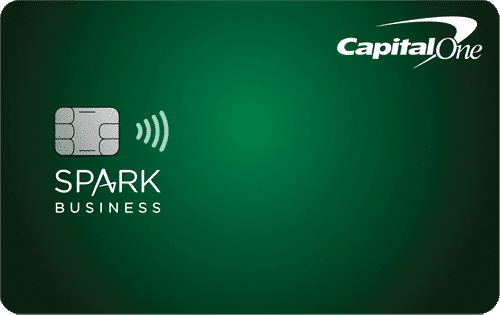
The Capital One Spark Cash Plus Card is the kind of business card that walks into a room, skips the small talk, and says, “How much inventory are we buying today?” It is built for business owners who spend heavily, pay reliably, and prefer cash back that does not require a spreadsheet, decoder ring, or minor in airline loyalty programs.
At its core, the card is simple: earn unlimited 2% cash back on every purchase, with no rotating categories and no rewards cap. That makes it especially attractive for companies with unpredictable expenses: contractors buying materials, e-commerce sellers restocking inventory, consultants booking travel, agencies paying software bills, or growing businesses that just want a straightforward return on spending.
But this is not a perfect card for every business. The Spark Cash Plus is a pay-in-full business charge card with a $150 annual fee, strong approval expectations, and a rewards structure that favors higher-spending companies. In this Capital One Spark Cash Plus Card review, we’ll break down the 2% cash back, welcome bonus, annual fee, travel rewards, drawbacks, ideal users, and real-world experiences so you can decide whether this card deserves a spot in your business walletor whether it should politely remain on the internet.
Capital One Spark Cash Plus Card: Quick Overview
The Capital One Spark Cash Plus Card is designed for established businesses that want high purchasing power and easy-to-understand rewards. Instead of offering complicated category bonuses, the card earns unlimited 2% cash back on purchases everywhere. It also earns 5% cash back on hotels and rental cars booked through Capital One Business Travel.
Key Features
- Unlimited 2% cash back on every purchase
- Unlimited 5% cash back on hotels and rental cars booked through Capital One Business Travel
- $2,000 cash bonus after spending $30,000 in the first 3 months
- Additional $2,000 cash bonus for every $500,000 spent in the first year
- $150 annual fee
- $150 annual fee refund after spending at least $150,000 in a membership year
- No preset spending limit
- Free employee and virtual cards
- No foreign transaction fees
- Best suited for businesses with excellent credit and strong cash flow
The big headline is the 2% cash back. That rate sounds small until you run the math. A business spending $100,000 per year earns $2,000 cash back. Spend $250,000 and the rewards jump to $5,000. Spend $1 million and suddenly your “boring” flat-rate card is producing $20,000 in cash back. Boring, in this case, is beautiful.
How the 2% Cash Back Works
The Capital One Spark Cash Plus Card earns unlimited 2% cash back on every purchase. There are no quarterly activations, no spending caps, and no need to memorize which category is wearing the crown this month. Office supplies? 2%. Advertising? 2%. Shipping? 2%. Client dinner? 2%. Emergency printer ink because the printer sensed fear? Also 2%.
This simplicity is the card’s strongest selling point. Many business credit cards offer higher rates in selected categories, but those cards work best when your spending neatly fits the bonus structure. Real businesses are rarely that tidy. One month you may spend on software, the next on equipment, the next on travel, and the next on a suspiciously expensive repair bill. The Spark Cash Plus handles all of it with the same flat 2% rate.
Example: Annual Rewards by Spending Level
- $50,000 annual spend = $1,000 cash back
- $100,000 annual spend = $2,000 cash back
- $150,000 annual spend = $3,000 cash back, plus annual fee refund eligibility
- $250,000 annual spend = $5,000 cash back
- $500,000 annual spend = $10,000 cash back, plus possible first-year bonus
For high-volume businesses, the card can become a quiet profit engine. It will not make bad spending good, but it can make necessary spending more rewarding. That is the sweet spot: expenses you already planned to make, paid off responsibly, earning cash back without adding operational complexity.
Welcome Bonus: Big, But Not for Tiny Spend
The current welcome offer is impressive: earn a $2,000 cash bonus after spending $30,000 in the first 3 months. The card also offers an additional $2,000 cash bonus for every $500,000 spent in the first year. For businesses with major purchasing needs, this can be extremely valuable.
However, this bonus is not designed for a side hustle that buys one laptop and a box of thank-you cards. To unlock the $2,000 welcome bonus, your business needs to spend an average of $10,000 per month for the first three months. More importantly, you need to pay that spending responsibly. Chasing a bonus by buying things your business does not need is like ordering ten office chairs because one was on sale. Congratulations: now you have a furniture problem.
Who Can Realistically Earn the Bonus?
The welcome bonus makes the most sense for businesses that already have predictable expenses. Examples include inventory purchases, paid advertising, wholesale supplies, contractor materials, business travel, vendor bills, equipment, or recurring software subscriptions. If your business can naturally hit the spending requirement, the bonus can be a strong reason to apply. If not, a lower-requirement business card may be a better fit.
Annual Fee: Is $150 Worth It?
The Capital One Spark Cash Plus Card charges a $150 annual fee. On paper, that may make some business owners pause. In practice, the break-even math is straightforward. Since the card earns 2% cash back, you would need $7,500 in annual purchases to earn $150 in rewards and offset the fee.
That is a low break-even point for many businesses. But the card gets more interesting at higher spending levels. Capital One offers a $150 statement credit each year when you spend at least $150,000 in net purchases by your membership anniversary date. In other words, businesses that use the card heavily may effectively wipe out the annual fee.
Annual Fee Math
- Spend $7,500 per year: earn $150 cash back, roughly covering the annual fee
- Spend $50,000 per year: earn $1,000 cash back, netting $850 after the annual fee
- Spend $150,000 per year: earn $3,000 cash back and qualify for the annual fee refund
For a business with meaningful cardable expenses, the $150 fee is not scary. It is more like a small toll booth on the road to better rewards. But if your business spends lightly, a no-annual-fee card may be more practical.
No Preset Spending Limit: Helpful, But Not Unlimited
The Spark Cash Plus has no preset spending limit. That sounds exciting, but it does not mean you can buy a warehouse, three forklifts, and a motivational espresso machine without consequences. “No preset spending limit” means purchasing power can adapt based on factors such as payment history, spending behavior, credit profile, and business financials.
This feature is useful for businesses with fluctuating expenses. A company may need to spend $20,000 one month and $80,000 the next. A traditional business credit card with a fixed credit line might become restrictive. The Spark Cash Plus is designed to offer more flexibility, especially for companies that regularly pay in full and maintain strong account health.
Still, purchases can be declined if Capital One is not comfortable with a transaction amount or spending pattern. Large purchases should be planned, not launched into the payment terminal like a financial cannonball. Business owners can use Capital One tools or contact the issuer before making unusually large transactions.
Pay-In-Full Structure and Pay Over Time
The Spark Cash Plus is primarily a pay-in-full card. That means it is best for businesses that can clear their balance each month. This is not a card for long-term financing, and it should not be treated like an emergency loan with a logo.
Capital One has introduced Pay Over Time functionality for eligible balances, subject to a variable APR. That adds some flexibility, but it does not change the core identity of the card. The rewards are strongest when you avoid interest and fees. Paying interest can quickly erase the value of cash back. A 2% reward is nice; carrying a costly balance is not. Math is rude that way.
Best Practice
Use this card for expenses your business can afford to pay off. If you need to finance equipment, manage seasonal cash flow, or carry balances for months, compare business cards with 0% intro APR offers, business lines of credit, or other financing tools.
Travel Benefits and No Foreign Transaction Fees
The Spark Cash Plus earns unlimited 5% cash back on hotels and rental cars booked through Capital One Business Travel. This can be valuable for companies with regular travel needs, especially if employees book lodging and transportation for client meetings, conferences, site visits, or trade shows.
The card also has no foreign transaction fees, which is a meaningful benefit for businesses that travel internationally or buy from overseas vendors. A typical foreign transaction fee on many cards is around 3%, which can completely wipe out the value of rewards. With Spark Cash Plus, international purchases become more efficient, assuming the vendor accepts the card and the transaction codes normally.
Employee Cards and Business Management Tools
Free employee and virtual cards are a practical benefit. They allow business owners to distribute spending access without handing over the main card like it is a family heirloom. Employee cards can help track team spending, separate business expenses, and earn rewards on purchases made across departments.
This is especially helpful for companies with sales teams, field workers, managers, or remote employees. Instead of reimbursing everyone through a messy pile of receipts, the business can centralize spending and reporting. Of course, clear internal rules still matter. A rewards card is not a substitute for an expense policy. Without one, “business lunch” may mysteriously begin including lobster nachos for six.
Pros of the Capital One Spark Cash Plus Card
1. Simple Unlimited 2% Cash Back
The flat 2% structure is excellent for businesses with varied expenses. No bonus calendar, no category guessing, no “Oops, that merchant coded wrong” drama.
2. Strong Welcome Bonus
The $2,000 cash bonus after $30,000 in spending is powerful for businesses that can meet the requirement naturally. The additional $2,000 bonuses for every $500,000 spent in the first year add extra upside for very high spenders.
3. Annual Fee Refund Potential
Businesses that spend at least $150,000 in a membership year can receive a $150 statement credit, effectively offsetting the annual fee.
4. No Preset Spending Limit
The flexible purchasing power can help businesses with large or irregular expenses, although it is not the same as unlimited spending.
5. No Foreign Transaction Fees
This is valuable for international travel, global suppliers, and online purchases from non-U.S. merchants.
Cons of the Capital One Spark Cash Plus Card
1. High Spending Requirement for the Bonus
Spending $30,000 in 3 months is not realistic for every business. Smaller companies may prefer a card with a more accessible welcome offer.
2. Pay-in-Full Design
The card is best for businesses with reliable cash flow. If you often carry balances, the rewards may not outweigh interest costs.
3. Excellent Credit Usually Needed
This card is generally aimed at applicants with strong credit profiles and established businesses. Approval is not guaranteed, even for owners with good credit.
4. No Premium Travel Perks
You get strong cash back, but not luxury travel perks like airport lounge access, elite hotel status, or large travel credits.
Who Should Get the Capital One Spark Cash Plus?
This card is a great fit for business owners who spend heavily, value simple cash rewards, and can pay their balance in full. It is particularly strong for companies with broad expenses that do not fit neatly into bonus categories.
Best For
- E-commerce sellers purchasing inventory
- Contractors buying materials and supplies
- Agencies with advertising, software, and contractor costs
- Consultants and professional firms with travel and operating expenses
- Businesses spending at least $150,000 annually
- Owners who want cash back instead of travel points
Who Should Skip It?
The Spark Cash Plus is not ideal for new or low-spending businesses, owners who need to carry balances, or anyone who wants premium travel benefits. If your annual business spending is modest, a no-annual-fee card may produce better net value. If your expenses concentrate heavily in categories like office supplies, internet, shipping, or advertising, a category-based business card may earn more.
Also, if your business needs financing flexibility, look elsewhere. A 2% cash-back card is not magic. It cannot make interest charges disappear, and it will not apologize for your cash-flow crunch.
Capital One Spark Cash Plus vs. Other Business Cards
Versus Capital One Spark Cash
The Spark Cash card also earns 2% cash back, but it is a traditional business credit card with a fixed credit line. It may be better for business owners who want more predictable credit limits and a lower annual fee structure. Spark Cash Plus is better for higher-spending businesses that want flexible purchasing power and can pay in full.
Versus Ink Business Unlimited
The Ink Business Unlimited card typically appeals to business owners who want no annual fee and intro APR potential. However, its flat cash-back rate is lower than 2% on regular purchases. Spark Cash Plus may win for high spenders; Ink Business Unlimited may win for smaller businesses or those needing financing flexibility.
Versus Amex Blue Business Plus
The Blue Business Plus earns 2X Membership Rewards points on purchases up to an annual cap, then 1X after that. It can be excellent for businesses that like transferable points. Spark Cash Plus is simpler and better suited for uncapped cash-back earning.
Real-World Experience: What Using This Card Feels Like
Using the Capital One Spark Cash Plus Card is a bit like hiring a very efficient bookkeeper who never asks about your feelings. The card is direct, practical, and reward-focused. Every purchase earns 2%, so business owners do not need to pause at checkout and wonder whether a transaction counts as “telecommunications,” “business services,” or “miscellaneous corporate chaos.”
For a business owner spending across multiple categories, that simplicity is refreshing. Imagine a small e-commerce company. In one month, it pays for packaging materials, freight, online ads, inventory, warehouse supplies, email software, and a hotel stay for a trade show. With many rewards cards, the owner would need to think through which purchases receive bonus rewards and which fall back to 1%. With Spark Cash Plus, most purchases simply earn 2%, while eligible hotels and rental cars booked through Capital One Business Travel earn 5%.
The card also feels useful when cash flow is strong but expenses are lumpy. Many businesses do not spend the same amount every month. A contractor may have a quiet month followed by a huge materials order. A marketing agency may pay for a client campaign upfront and get reimbursed later. A restaurant group may buy equipment in one billing cycle and supplies in another. The no-preset-spending-limit structure can help, although owners should remember that purchasing power can change.
The best experience comes when the card is used as a payment tool, not a borrowing tool. A disciplined owner can put major expenses on the card, collect cash back, track spending, and pay the balance. That turns normal operating expenses into a steady rebate. The worst experience comes when the card is used to stretch cash flow too far. Interest and late fees can turn a smart rewards strategy into a financial faceplant.
Another practical experience: employee cards can make life easier, but only if spending rules are clear. A business might issue cards to managers, sales staff, or operations leads. This reduces reimbursement headaches and helps capture rewards on distributed spending. But the company should still set policies for meals, travel, subscriptions, and approvals. Otherwise, the monthly statement can become a thrilling mystery novel titled, “Who Bought This?”
For businesses that spend $150,000 or more per year, the annual fee refund is psychologically satisfying. The $150 annual fee is already modest compared with the rewards potential, but getting it credited back after hitting the spending threshold makes the card feel cleaner. It is a small win, but business owners love small wins. Small wins are how we emotionally survive payroll week.
The welcome bonus experience is also excellent for the right business. If your company already has $30,000 in planned expenses over the first 3 months, the $2,000 bonus can be a major boost. But if you have to force the spend, the card becomes less attractive. The smartest move is to apply before a natural spending wave: inventory restock, equipment purchase, annual software renewals, trade show season, or planned advertising campaigns.
In daily use, the Spark Cash Plus feels best for owners who want fewer decisions. It does not ask you to become a points hobbyist. It does not require you to transfer rewards to an airline partner at midnight during a full moon. It gives you cash back. That is the appeal. Cash is flexible, familiar, and universally accepted by landlords, vendors, payroll systems, and that one supplier who still sends invoices that look like they were designed in 1998.
The main frustration is uncertainty around purchasing power. No preset spending limit is helpful, but it can be less predictable than a fixed credit line. If your business needs absolute certainty for large purchases, you may prefer a traditional business credit card or line of credit. Smart users will confirm purchasing power before major transactions and avoid waiting until the cashier is staring at them like a disappointed school principal.
Overall, the real-world experience is strongest when the business has high spending, reliable cash flow, and a preference for simplicity. The Spark Cash Plus is not flashy, but it is productive. It is the business card equivalent of a well-organized warehouse: not glamorous, but when it works, everything moves faster.
Final Verdict: Is the Capital One Spark Cash Plus Worth It?
The Capital One Spark Cash Plus Card is worth it for high-spending businesses that want simple, unlimited 2% cash back and can pay their balance responsibly. The welcome bonus is large, the annual fee can be offset, employee cards are useful, and the lack of foreign transaction fees adds practical value.
It is not the best card for every company. Smaller businesses, startups with uneven cash flow, or owners who need to carry balances should compare alternatives. But for established businesses with meaningful expenses, the Spark Cash Plus is one of the cleanest cash-back business cards available. It turns ordinary spending into a reliable rebate, and it does so without making you solve a rewards puzzle before your morning coffee.
Note: Card terms, rewards, fees, APRs, and welcome offers can change. Always review the latest Capital One disclosures before applying, especially if your business is counting on a specific bonus, annual fee credit, or Pay Over Time feature.













