
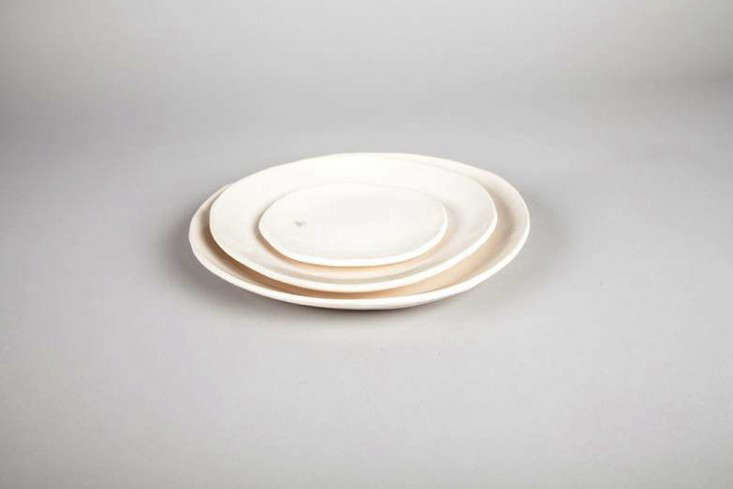
Note: In this guide, “small porcelain slab plate” refers to a low-profile, flat or gently curved porcelain plate used for small servings, appetizers, desserts, sushi, snacks, and stylish everyday presentation. It does not refer to a construction-grade porcelain tile or countertop slab, which would make dinner considerably more exciting than necessary.
A small porcelain slab plate may look like a humble piece of dinnerware, but it has a sneaky amount of talent. It can hold a delicate slice of cake, turn a pile of roasted vegetables into something restaurant-worthy, organize a cheese tasting, or make your weekday toast appear as though it has a reservation at a very confident café.
Unlike a large dinner plate, a small porcelain slab plate encourages intention. There is less blank space to fill, fewer opportunities for a sandwich to look emotionally abandoned, and more reason to think about color, texture, and balance. Whether you are building a practical collection of porcelain serveware or trying to make your table feel a little more polished, this compact plate deserves more credit than it usually gets.
What Is a Small Porcelain Slab Plate?
A small porcelain slab plate is generally a shallow plate with a broad, flat surface and a simple silhouette. It may be rectangular, square, oval, round, or organically shaped. Some have raised rims, while others are almost completely flat, resembling a miniature serving board made from porcelain rather than wood.
The word slab usually describes the look rather than a strict manufacturing category. A slab-style plate often feels modern, minimal, handmade, or slightly architectural. It may have clean straight edges, a soft freeform outline, a matte glaze, a glossy finish, or a subtly textured surface that catches the light.
Most small slab plates fall somewhere between a bread plate and a compact serving platter. They are often used for individual appetizers, dessert portions, side dishes, tapas, sushi, pastries, cookies, fruit, cheese, or small shared bites. The exact dimensions vary by maker, but many are designed to fit comfortably in one hand while still providing enough room for food to look intentional rather than crowded.
Why Porcelain Works So Well for Small Plates
Porcelain has long been popular for tableware because it can look refined without becoming too precious for daily use. A well-made porcelain plate often has a smooth, dense surface, a clean appearance, and enough strength for regular meals, snacks, and entertaining.
Compared with bulkier stoneware, porcelain can feel lighter and more streamlined. That makes it especially appealing for small plates, where a heavy piece can feel like it belongs in a medieval banquet hall rather than beside a cup of tea.
A Smooth Surface Makes Food Look Sharper
Food presentation is easier when the plate provides a clean background. White porcelain is especially versatile because it gives colorful ingredients room to stand out. Bright berries, green herbs, golden pastries, grilled shrimp, dark chocolate, and colorful sauces all tend to look more vivid against a simple white surface.
That does not mean every small porcelain slab plate must be white. Soft neutrals, pale blue, charcoal, speckled cream, and earthy glazes can create warmth and personality. The trick is choosing a finish that complements food instead of competing with it. A plate should be a stage, not a costume change.
Porcelain Fits Casual and Formal Tables
One of porcelain’s greatest strengths is flexibility. A simple slab plate can work at a relaxed weekend brunch, a family holiday dinner, a wine-and-cheese night, or a carefully planned dessert course. It can look elegant with linen napkins and polished glassware, but it also looks perfectly at home next to a mug of coffee and a suspiciously large cinnamon roll.
It Is Easy to Mix With Other Dinnerware
Small porcelain plates are not required to match every bowl, cup, and dinner plate in your cabinet. In fact, mixing them with stoneware, wood boards, linen napkins, glass dishes, or metal serving pieces can make a table feel more collected and less like it came directly from a catalog page.
A white rectangular porcelain slab plate, for example, can sit beautifully beside rustic stoneware bowls. A hand-finished porcelain plate with irregular edges can soften a sleek modern table. The goal is visual balance, not dinnerware obedience.
Best Uses for a Small Porcelain Slab Plate
The beauty of a compact slab plate is that it can do more than one job. It is not a one-night-only serving piece that emerges twice a year and then spends eleven months hiding behind a casserole dish.
Appetizers and Tapas
Small porcelain slab plates are ideal for serving crostini, stuffed mushrooms, deviled eggs, dumplings, spring rolls, sliders, skewers, or a few slices of grilled halloumi. Their flat shape gives appetizers room to breathe, especially when you want guests to see what they are eating before they enthusiastically reach for it.
For tapas-style dinners, use several small plates instead of one oversized platter. Arrange olives on one, sliced chorizo on another, marinated vegetables on a third, and a few pieces of bread on a fourth. Suddenly, dinner feels like an event instead of a refrigerator cleanout with mood lighting.
Sushi, Sashimi, and Asian-Inspired Snacks
A rectangular porcelain slab plate is a natural fit for sushi, sashimi, dumplings, bao buns, rice cakes, or crispy tofu. Its long, low surface helps create a neat arrangement, especially when paired with a small sauce dish for soy sauce, ponzu, chili oil, or sesame dressing.
Try placing sushi in a slight diagonal line rather than a rigid row. Add a small mound of pickled ginger, a dab of wasabi, and a few sesame seeds or microgreens. The plate will do most of the visual work, leaving you free to accept compliments you absolutely did not rehearse.
Desserts and Pastries
Small dessert portions look more elegant when they have their own dedicated space. A porcelain slab plate works beautifully for a slice of cheesecake, two macarons, a brownie with ice cream, a fruit tart, or cookies served with espresso.
Use negative space carefully. A small dessert should not be placed in the exact center and left there like a lonely island. Offset it slightly, add a spoonful of whipped cream or fruit compote, and use a few berries, mint leaves, or chocolate shavings to create movement.
Breakfast and Brunch
A compact porcelain plate can make breakfast feel less rushed. Use it for avocado toast, a croissant with fruit, pancakes for one, a breakfast sandwich, or scrambled eggs with roasted tomatoes. The small format naturally encourages a tidy portion, which is useful when you want a satisfying meal without accidentally building a breakfast monument.
Cheese, Charcuterie, and Small Bites
For two people, a small porcelain slab plate can replace a giant charcuterie board. Add one or two cheeses, a few crackers, sliced fruit, nuts, cured meat, and a tiny ramekin of jam or honey. It feels thoughtful without requiring enough food to feed a touring orchestra.
Small plates are also useful for separating strong flavors. Blue cheese, olives, smoked fish, spicy nuts, and pickled vegetables can each have their own dish, preventing the entire spread from becoming one giant flavor traffic jam.
How to Choose the Right Small Porcelain Slab Plate
Not every porcelain plate is suited to every home. Before buying, think about how you actually eat, serve food, clean up, and store dinnerware. A dramatic plate that does not fit in your dishwasher or cabinet is not a design statement. It is a future annoyance with excellent lighting.
Choose a Shape That Matches Your Food
Rectangular plates are excellent for sushi, cheese, desserts, bruschetta, grilled vegetables, and plated appetizers. Oval plates create a softer look and work well for pastries, seafood, and fruit. Square plates feel modern and structured, while round plates are the easiest to mix with existing dinnerware.
If you often serve foods with sauces, choose a plate with a slightly raised rim. Flat slab plates are beautiful, but they are not always enthusiastic about containing olive oil, berry syrup, or anything your toddler considers “fun juice.”
Consider the Plate’s Actual Food Surface
Outer dimensions do not tell the whole story. A plate may be wide but have a large rim that leaves a small area for food. Look at the usable center surface, especially when buying small plates for appetizers or desserts.
For individual portions, choose a plate that gives food room without making it look tiny. A practical slab plate should help you serve neatly, not force you to stack crackers vertically like a very fragile skyscraper.
Look at the Glaze and Texture
Glossy porcelain reflects light and creates a polished, classic look. Matte porcelain feels modern and relaxed, but it may show utensil marks more easily depending on the finish. Textured porcelain can add visual interest, though deeply uneven surfaces may make certain foods harder to cut or sauces harder to scoop.
A lightly textured rim with a smooth center is often a smart compromise. You get character around the edges without turning dinner into an obstacle course.
Check Care Instructions Before You Fall in Love
Many porcelain plates are designed to be dishwasher- and microwave-safe, and some are approved for low-temperature oven use. Still, care instructions vary by manufacturer. Always check the product label rather than assuming that every porcelain plate can handle every appliance.
Avoid sudden temperature shifts unless the manufacturer clearly says otherwise. Moving a chilled plate directly into a hot oven, or placing a hot plate on a cold wet surface, can create unnecessary stress. Porcelain is tough, but it is not auditioning for an action movie.
Food Safety and Everyday Care
For everyday meals, choose dinnerware that is clearly intended for food service. This is especially important when purchasing handmade, vintage, imported, decorative, or thrifted ceramic pieces. A plate may be gorgeous enough to deserve its own museum label, but that does not automatically mean it should hold hot tomato sauce.
Use decorative ceramics as display pieces unless they are clearly identified as food-safe. Chipped, cracked, or heavily worn dishes should also be inspected carefully before they are used with food, particularly acidic dishes, hot liquids, or long storage times.
Cleaning Tips for Porcelain Slab Plates
Wash porcelain promptly after serving foods that can stain, such as curry, tomato sauce, berries, turmeric, or dark chocolate. Most everyday residue will come off with warm water, mild dish soap, and a nonabrasive sponge.
If gray utensil marks appear on white porcelain, use a gentle cleaner recommended for ceramic dinnerware. Avoid aggressive scouring pads that can scratch a glossy glaze or dull a matte finish. Stacking plates with a soft liner or napkin between them can also help prevent surface wear in crowded cabinets.
How to Store Them Without Chips
Small plates are easy to stack, which is convenient until one impatient cabinet grab turns into a ceramic percussion concert. Keep stacks modest, especially with handmade or irregularly shaped plates. Store heavier plates on the bottom, and avoid cramming them into narrow shelves where every removal becomes a tiny engineering project.
Styling Ideas for a Small Porcelain Slab Plate
Porcelain slab plates are most successful when the food and table setting feel connected. The plate does not need to match everything, but it should contribute to the mood.
Minimalist White-on-White Table
Pair white porcelain slab plates with white napkins, clear glassware, and a neutral tablecloth. Add warmth with wood serving utensils or a small vase of seasonal flowers. This approach makes colorful food the star and works particularly well for brunches, seafood dinners, and desserts.
Rustic Modern Entertaining
Combine matte porcelain plates with linen napkins, wood boards, stoneware bowls, and simple greenery. Serve roasted vegetables, crusty bread, cheese, grilled chicken skewers, and fruit. The result is relaxed but polished, like a dinner party hosted by someone who owns matching napkins but still laughs when the garlic bread burns.
Colorful Small-Plate Dinner
Use several small slab plates in different but complementary colors. Keep the shapes consistent while varying tones such as cream, sage, dusty blue, charcoal, or terracotta. This works beautifully for shared meals because each dish can have its own identity without making the table look like a yard sale for ceramics.
Small Porcelain Slab Plate Experiences: Why These Little Plates Become Everyday Favorites
The first time you use a small porcelain slab plate, it may seem like an unnecessary extra. You already own plates. You probably own too many plates. There may even be a mysterious stack in the back of a cabinet that has survived three moves and has not seen daylight since someone brought home a set of commemorative holiday dishes.
Then you serve something small on a large dinner plate and notice the difference. A cookie looks lost. A piece of toast looks like it is applying for emotional support. A few slices of cheese appear to be waiting for more guests. Suddenly, the little slab plate starts making sense.
One of the best experiences with a small porcelain slab plate is the everyday breakfast upgrade. Instead of placing a hurried piece of toast directly beside the coffee maker, you put avocado toast, sliced strawberries, and a soft-boiled egg on a clean porcelain plate. Nothing about the food has changed, but the meal feels more deliberate. It is still breakfast on a Tuesday, but it is breakfast on a Tuesday that has made eye contact with its own potential.
These plates are also excellent for people who enjoy serving snacks but do not enjoy washing a mountain of dishes afterward. A small plate can hold crackers and cheese for one person, cookies for a coffee break, fruit for a child, or leftovers that do not deserve an entire dinner plate. It encourages moderation without feeling restrictive, because food tends to look more satisfying when it is arranged thoughtfully.
For entertaining, the experience becomes even better. A group of small porcelain slab plates lets you spread out food rather than piling everything onto one large board. One plate can hold olives, another can hold sliced bread, another can hold roasted nuts, and another can hold tiny desserts. Guests can move around the table, pick what they like, and pretend they are at a stylish wine bar instead of standing in someone’s kitchen next to a bowl of chips.
Small slab plates can also make homemade food feel more special. A simple grilled cheese sandwich cut into triangles looks playful on a rectangular plate. A few dumplings with chili oil become dinner rather than “something I ate while leaning over the sink.” A brownie with ice cream and raspberries becomes dessert worthy of a photo, even if the photo is only sent to a friend with the caption, “I have achieved peak indoor happiness.”
There is also something satisfying about the tactile experience. Porcelain often feels cool, smooth, and balanced in the hand. A handmade plate may have a subtle curve, a gentle ripple, or a slightly irregular edge that reminds you it was designed by a person rather than created by a factory conveyor belt with no interest in your snack presentation.
Over time, a small porcelain slab plate often becomes the piece you reach for most. It handles quick lunches, late-night desserts, fancy appetizers, birthday cake, grilled vegetables, and whatever snack appears during a movie marathon. It is compact enough to store easily, polished enough for company, and practical enough to earn its place in the daily rotation.
That is the real charm of a small porcelain slab plate. It is not trying to be the most dramatic object in your kitchen. It simply makes ordinary food feel a little more cared for. And in a world full of rushed meals, cluttered counters, and sandwiches eaten from napkins, that is a very respectable superpower.
Final Thoughts
A small porcelain slab plate is a practical, elegant, and surprisingly versatile addition to any kitchen. It works for appetizers, sushi, cheese, pastries, desserts, breakfast, snacks, and small shared dishes. Its clean surface helps food look more appealing, while its compact size makes it easy to store, stack, and use every day.
Choose a shape that fits the foods you serve most often, check that it is labeled for food use, follow the manufacturer’s care instructions, and do not be afraid to mix porcelain with other materials. The best plate is not the one that sits untouched in a display cabinet. It is the one that makes you want to set the table, even when dinner is just leftovers and optimism.













