
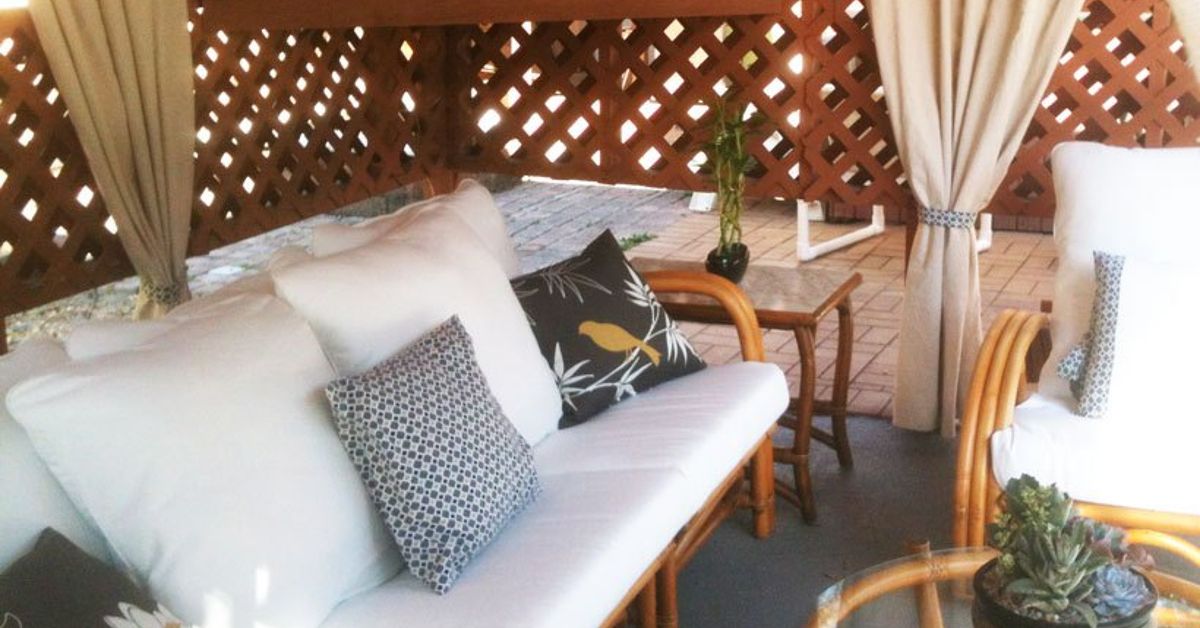
Some people dream of a private island. Others dream of a five-star resort with a pool, cabana, and someone named Marco delivering lemonade with a mint sprig. But here is the good news: you do not need a passport, a yacht, or a suspiciously large inheritance to create a backyard oasis. You just need a plan, a little creativity, and the willingness to stop treating your backyard like the place where old flowerpots go to retire.
A backyard oasis is not simply a nice patio with two chairs and a grill that has seen things. It is an outdoor living space designed for comfort, beauty, privacy, and everyday enjoyment. It can be tropical and lush, modern and minimalist, rustic and cozy, or family-friendly with room for kids, pets, and the occasional uncle who takes cornhole way too seriously.
The secret is to build your backyard around how you actually live. Do you want a quiet reading nook? A dining space for summer dinners? A fire pit for cool evenings? A garden that attracts butterflies instead of requiring weekend-long maintenance marathons? Once you define the mood and function, your outdoor space starts becoming more than a yard. It becomes your personal escape.
Start With a Backyard Vision, Not a Shopping Cart
Before buying patio furniture, string lights, planters, outdoor rugs, or that giant egg chair you saw online at 1:13 a.m., pause and look at your space with fresh eyes. A beautiful backyard oasis begins with intention. Walk outside at different times of day and notice where the sun hits, where shade naturally falls, where the wind comes from, and which view makes you happiest.
Ask yourself what your backyard needs to do. A family with young children may need durable surfaces, open play space, shade, and easy sight lines. A couple who loves entertaining may prioritize an outdoor dining area, a grill station, ambient lighting, and comfortable seating. Someone craving peace may want privacy screens, a water feature, fragrant plants, and a hammock that quietly says, “Meetings cannot find me here.”
Create a Simple Backyard Layout
Think of your yard as a floor plan without a roof. Divide it into zones: lounging, dining, cooking, gardening, playing, and relaxing. Even a small backyard can feel larger when each area has a clear purpose. A bistro table in one corner, a gravel fire pit area in another, and a row of tall planters along the fence can make a compact space feel layered and intentional.
You do not have to complete everything at once. In fact, phased projects often lead to better results because you learn how you use the space. Start with the zone you will enjoy most, then build from there. Your backyard is not a reality TV makeover. Nobody is yelling “reveal day” while you panic-purchase mulch.
Build the Foundation: Patio, Deck, Gravel, or Lawn
The foundation of your backyard oasis sets the tone for everything else. If your current “patio” is a cracked concrete slab with the personality of a parking lot, do not despair. Concrete can be cleaned, stained, painted, stenciled, or softened with outdoor rugs and container plants. Pavers can create a more polished look, while pea gravel offers a relaxed, budget-friendly surface for seating areas and pathways.
Decks are excellent for creating an outdoor room that feels connected to the house. If you already have a deck, refresh it with cleaning, sealing, new furniture placement, and better lighting. If you have a large lawn, consider reducing the grass area and replacing part of it with planting beds, mulch, gravel, or hardscaping. Less lawn often means less mowing, less watering, and fewer dramatic confrontations with the weed trimmer.
Use Pathways to Guide the Eye
A simple path can make a backyard feel designed rather than accidental. Stone pavers, gravel paths, stepping stones, brick walkways, or mulch trails can connect zones and encourage movement through the garden. A curved path adds softness and mystery, while a straight path feels clean and modern. Add low plants or solar path lights along the edges to make the walkway both practical and charming.
Add Privacy Without Building a Fortress
A true backyard oasis should feel separate from the outside world, even if your neighbor’s trampoline is emotionally close. Privacy does not always require a tall fence. You can use layered landscaping, trellises, pergolas, outdoor curtains, bamboo screens, lattice panels, hedges, or large planters to create a secluded feeling.
Evergreen shrubs provide year-round screening, while ornamental grasses add movement and softness. Climbing plants such as clematis, climbing roses, jasmine, or native vines can cover a trellis and turn a plain boundary into a living wall. If you need quick privacy, outdoor curtains hung from a pergola or covered patio can instantly create a resort-style cabana effect.
Layer Plants for a Natural Screen
The best privacy plantings are layered. Use taller shrubs or small trees in the back, medium perennials in the middle, and lower ground covers or flowers in front. This creates depth and avoids the “green wall of doom” look. Native plants are especially useful because they are adapted to local conditions and often need less water, fertilizer, and fuss once established.
Choose Comfortable Outdoor Furniture
Backyard furniture should invite people to sit down and stay awhile. If the chairs are beautiful but feel like medieval punishment devices, they do not belong in your oasis. Look for weather-resistant materials such as aluminum, teak, resin wicker, powder-coated steel, recycled plastic, or treated wood. Add outdoor cushions made with performance fabrics that can handle sun, moisture, and the occasional salsa incident.
For a lounge area, consider a sectional, deep chairs, a loveseat, chaise lounges, or a hammock. For dining, choose a table that fits your household and entertaining style. A round table encourages conversation in small spaces, while a long rectangular table works well for larger gatherings. Side tables are underrated heroes; they hold drinks, books, bug spray, and the snacks everyone pretends are for sharing.
Make Small Spaces Work Harder
If your backyard is small, choose furniture with slim profiles and multiple uses. Benches with storage, folding bistro sets, nesting tables, stackable chairs, and wall-mounted shelves can make the area feel open rather than crowded. Use vertical space with hanging planters, wall gardens, shelves, and tall pots. A mirror designed for outdoor use can reflect light and make a patio feel larger.
Bring in Shade for Comfort and Style
Shade is not optional unless your design goal is “human rotisserie.” A backyard oasis needs protection from harsh sun so you can enjoy it during more hours of the day. Shade solutions range from affordable umbrellas to permanent pergolas, shade sails, retractable awnings, covered patios, trees, and gazebos.
A market umbrella is easy to move and works well over dining tables or lounge chairs. Shade sails feel modern and can cover larger areas. Pergolas define an outdoor room and can be dressed with climbing plants, curtains, or string lights. Trees offer the most natural shade and become more beautiful over time, though they require planning and patience.
Think About Seasonal Sun
Sun patterns change throughout the year, so plan shade based on real conditions. A spot that feels perfect in April may become a skillet in July. Watch your yard through the day before deciding where to place seating, dining, and garden beds. This simple step can save you from building your dream lounge exactly where the afternoon sun goes to show off.
Design With Plants That Look Good and Work Hard
Plants are what turn an outdoor space into an oasis. They soften hard edges, add color, create privacy, attract birds and pollinators, cool the space, and make your backyard feel alive. The best backyard landscaping balances beauty with maintenance. Choose plants that suit your climate, soil, sunlight, and available time.
Native plants are a smart foundation because they typically support local wildlife and are well adapted to regional weather. Drought-tolerant plants, ornamental grasses, evergreen shrubs, flowering perennials, herbs, and container plants can all contribute to a lush but manageable design. Group plants with similar water needs together so your thirsty hydrangea does not have to share irrigation drama with a drought-loving lavender.
Use Containers for Instant Impact
Container gardens are perfect for patios, decks, balconies, and renters. Large pots filled with small trees, tropical plants, herbs, annual flowers, or ornamental grasses can create instant structure. Use containers in odd-numbered groupings and vary heights for a designer look. Just make sure pots have drainage holes, because plants enjoy water, not swimming lessons.
Add Edible Beauty
An oasis can be pretty and practical. Herbs such as basil, rosemary, mint, thyme, and parsley look attractive in containers and are useful for cooking. Blueberry bushes, strawberries, dwarf citrus, tomatoes, peppers, and edible flowers can blend into decorative beds. Nothing makes a backyard feel more rewarding than casually grabbing fresh basil like you are the star of a very relaxed cooking show.
Add Water for a Relaxing Atmosphere
Water features bring movement, sound, and a sense of calm. You do not need a swimming pool to enjoy the effect. A small fountain, bubbling urn, birdbath, pond, rain chain, stock tank pool, or tabletop water feature can create a soothing focal point. The gentle sound of water also helps mask street noise, barking dogs, and other reminders that civilization is still out there.
For low maintenance, choose a recirculating fountain with a simple pump. Place it near a seating area where you can hear it. Keep the water clean and follow mosquito prevention practices, especially in warm climates. If you want to support wildlife, a shallow birdbath or pollinator watering station with stones for landing can add life to the garden.
Light the Backyard Like an Outdoor Room
Outdoor lighting is one of the fastest ways to transform a backyard. During the day, your space may look nice. At night, with the right lighting, it becomes magical. Use layers of light the same way you would indoors: ambient lighting for overall glow, task lighting for cooking and dining, and accent lighting for trees, pathways, planters, or architectural features.
String lights are popular because they are affordable, flattering, and instantly festive. Lanterns, sconces, solar path lights, LED candles, step lights, and low-voltage landscape lights can add depth and safety. For energy savings and convenience, consider timers, dimmers, motion sensors, and LED fixtures. The goal is warm and welcoming, not “minor league baseball stadium.”
Highlight Focal Points
Use lighting to draw attention to your favorite features. Uplight a tree, tuck lights under a bench, place lanterns near steps, or add soft glow around a water feature. Avoid overlighting. Shadows are part of the mood. A backyard oasis should feel inviting, not interrogated.
Create a Cozy Fire Feature
A fire pit or outdoor fireplace can make your backyard usable beyond warm summer afternoons. Fire draws people together, adds warmth, and creates a natural gathering spot. Wood-burning fire pits provide classic crackle and campfire smell, while propane or natural gas models are cleaner and easier to control.
Before adding any fire feature, check local rules, clearance requirements, and safety guidelines. Place it on a fire-safe surface away from structures, trees, dry plants, and low-hanging branches. Add chairs in a circle or semicircle, include small tables for drinks, and keep blankets nearby for chilly evenings. Marshmallows are optional but strongly encouraged by the Department of Backyard Happiness, which I just invented but fully support.
Make Outdoor Dining Easy
Outdoor meals are one of the simplest pleasures of a backyard oasis. Even a small dining setup can make weeknight dinners feel special. Place your dining area close enough to the kitchen for convenience, or create a dedicated cooking zone with a grill, prep table, storage cabinet, and weather-safe serving cart.
Use washable table linens, sturdy dishes, outdoor-safe glassware, and a centerpiece that will not blow into your neighbor’s yard. If bugs are an issue, add fans, screened covers, citronella candles, or plants known for strong aromas, such as lavender, rosemary, and mint. Keep lighting soft and practical so people can see their food without feeling like they are dining under a dental lamp.
Add Texture With Rugs, Pillows, and Decor
Accessories make the space feel finished. Outdoor rugs define seating or dining zones and soften hard surfaces. Pillows and cushions add color, comfort, and personality. Throws, lanterns, planters, ceramic stools, garden sculptures, wall art, and trays can make the backyard feel like an extension of your home.
Choose a simple color palette to keep the design cohesive. Neutrals with green plants feel calm and timeless. Blues and whites create a coastal mood. Earth tones feel warm and rustic. Bright colors and playful patterns bring energy and joy. The best palette is the one that makes you want to go outside more often.
Do Not Overdecorate
There is a fine line between charming and “the clearance aisle exploded.” Leave breathing room. A few meaningful, weather-safe pieces usually look better than too many tiny objects. Let plants, light, and materials do most of the visual work.
Keep Maintenance Realistic
The most beautiful backyard oasis is the one you can actually maintain. Be honest about your schedule, climate, and tolerance for chores. If you hate watering, choose drought-tolerant plants and install drip irrigation. If you dislike mowing, reduce lawn space. If cushions always end up soaked, buy a storage box. If you forget plants exist, maybe do not begin with a dramatic fern collection that demands emotional availability.
Mulch planting beds to retain moisture, reduce weeds, moderate soil temperature, and create a polished look. Compost can improve soil health over time. Grouping plants by water needs, using native species, and choosing perennials can reduce ongoing work. A backyard oasis should give more energy than it takes.
Backyard Oasis Ideas by Budget
Budget-Friendly Backyard Oasis
Start with cleaning, decluttering, and rearranging what you already own. Power-wash the patio, prune overgrown shrubs, add mulch, repaint old furniture, hang string lights, and introduce a few large planters. Add an outdoor rug, pillows, and a small fire bowl or tabletop fountain. These simple updates can make a tired yard feel dramatically fresher without requiring a second mortgage.
Mid-Range Backyard Oasis
Invest in durable furniture, a defined patio or gravel lounge area, privacy screening, layered planting beds, and better lighting. Add a pergola, raised garden beds, or a built-in grill station if those match your lifestyle. This level offers the best balance between comfort, appearance, and long-term value.
Luxury Backyard Oasis
For a higher-end retreat, consider an outdoor kitchen, custom pergola, pool or spa, stone patio, outdoor fireplace, professional landscape lighting, irrigation, mature trees, and designer planting plans. Luxury does not have to mean flashy. Often, the most expensive-looking spaces are calm, cohesive, and beautifully edited.
Common Backyard Oasis Mistakes to Avoid
The first mistake is buying furniture before planning the layout. This often leads to oversized seating, awkward traffic flow, or a dining table stranded in full sun like a punishment island. Measure first. Shop second.
The second mistake is ignoring privacy. Even beautiful spaces feel uncomfortable if they are fully exposed. Add screening early in the process so the backyard feels relaxing from the start.
The third mistake is using too many materials. A little wood, a little concrete, a little gravel, a little brick, a little tile, and suddenly your backyard looks like it is auditioning for seven different design shows. Repeat materials for a calmer, more professional look.
The fourth mistake is forgetting storage. Outdoor cushions, garden tools, pool toys, grilling supplies, and kids’ items need a home. Storage benches, deck boxes, sheds, cabinets, and wall hooks keep the oasis from turning into a weatherproof junk drawer.
The fifth mistake is designing only for guests. Yes, entertaining matters, but you will use the backyard most often on ordinary days. Create a space that works for morning coffee, quiet evenings, solo reading, quick lunches, and spontaneous “I need five minutes away from everyone” moments.
Personal Experience: What Actually Makes a Backyard Feel Like an Oasis
The biggest lesson from creating and improving outdoor spaces is that comfort beats perfection every time. A backyard does not become an oasis because every corner looks ready for a magazine photo. It becomes an oasis when people naturally want to spend time there. The chair you choose matters less than whether you can sit in it for an hour without plotting revenge against the manufacturer.
One of the most effective upgrades is also one of the least glamorous: cleaning the space thoroughly. Before adding anything new, remove broken pots, dead plants, rusty furniture, random boards, empty soil bags, and outdoor items that have lost their original purpose and possibly their will to live. Once the clutter is gone, the yard immediately feels bigger and calmer. It is amazing how much “design” is simply letting the space breathe.
Another experience-based tip: start with one irresistible seating spot. Not five zones. Not a full master plan drawn with the confidence of a landscape architect. Just one place where you can sit comfortably with shade, a drink, and something pleasant to look at. Add a side table, a plant, and a light source. That one corner becomes the emotional anchor of the whole backyard. Once you use it regularly, you will know what the next upgrade should be.
Plants also teach patience. Many people want instant lushness, but the best gardens need time to settle in. Start with reliable foundation plants, then add seasonal color in containers. Large pots near seating areas provide a faster sense of abundance than tiny plants scattered everywhere. Grouping plants together looks fuller and makes watering easier. A single large planter with ornamental grass, trailing flowers, and a bold leafy plant often looks better than six lonely little pots lined up like they are waiting for the bus.
Lighting may be the most underrated mood-maker. A backyard that feels ordinary at noon can feel like a boutique hotel courtyard at night with warm string lights, lanterns, and a few highlighted plants. The trick is to keep the light soft. Harsh white lighting can make even expensive furniture look like it is sitting outside a warehouse. Warm light, placed low and layered carefully, makes people relax.
Water features are wonderful, but they should match your maintenance personality. A small recirculating fountain near a lounge chair can be perfect. A complicated pond may not be perfect if you already struggle to remember trash day. The same rule applies to outdoor kitchens, fire pits, and gardens: choose the version you will actually use, clean, and enjoy.
Finally, the best backyard oasis has something personal. It might be a chair from your grandparents’ porch, a wall of herbs you cook with, a birdbath your kids helped choose, a fire pit where friends gather, or a tiny table where you drink coffee before the day starts making requests. Trends can inspire you, but personality is what makes the space yours. A backyard oasis is not about copying a resort. It is about creating a place where your nervous system exhales.
Conclusion
Learning how to make your own backyard oasis begins with a simple idea: your outdoor space should serve your real life. Whether you have a tiny patio, a suburban lawn, a narrow side yard, or a spacious garden, you can turn it into a relaxing retreat with thoughtful zones, comfortable furniture, privacy, shade, plants, lighting, and personal touches.
Start small, work in layers, and choose upgrades that make the backyard easier and more enjoyable to use. Add one cozy seating area, soften the edges with plants, bring in warm lighting, and create privacy where you need it most. Over time, your backyard can become the place where you drink coffee, host dinners, read books, garden, nap, laugh, and briefly forget that laundry exists.
A backyard oasis does not have to be expensive or perfect. It simply has to feel good. And if it makes you say, “I’ll just sit outside for five minutes,” then somehow turns into an hour, congratulations. You built the right kind of paradise.
SEO Tags
Note: This article is written in original standard American English and synthesizes practical outdoor-living, landscaping, water-wise gardening, lighting, and backyard design guidance for web publication.











