
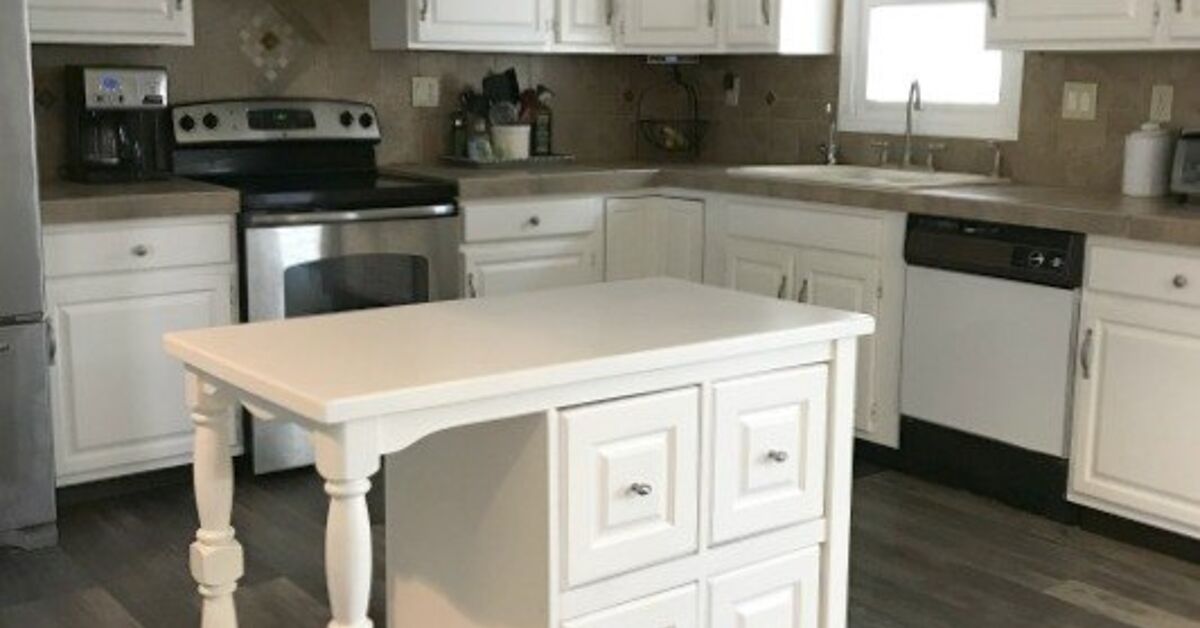
A dark painted backsplash is one of the fastest ways to make a kitchen look more expensive, more intentional, and slightly more dramatic without asking your bank account to do Olympic gymnastics. Instead of ripping out tile, buying new materials, hiring a contractor, and discovering three mystery layers behind your wall, you can use paint to create a bold focal point that changes the entire mood of the room.
The beauty of a dark backsplash is that it works in more homes than people think. Black, charcoal, navy, espresso brown, deep green, and moody blue-gray can all bring depth to a kitchen. They can sharpen white cabinets, calm busy countertops, warm up wood finishes, or make stainless steel appliances look less like they wandered in from a restaurant supply catalog. Done well, a painted backsplash is not just a budget shortcut. It is a design decision.
However, “paint it dark and hope for the best” is not a strategy. A backsplash lives in the splash zone. It deals with oil mist, tomato sauce rebellion, steam, dishwater, fingerprints, and the occasional mysterious kitchen stain that nobody in the house admits creating. So the trick is choosing the right color, surface preparation, sheen, primer, paint type, and cleaning routine.
What Is a Dark Painted Backsplash?
A dark painted backsplash is a kitchen or bathroom backsplash area finished with dark-colored paint instead of new tile, stone, glass, metal, or peel-and-stick panels. It can be painted directly on drywall, over existing tile with the correct primer and coating, over beadboard, over shiplap, or on a smooth wall panel installed behind counters.
The main keyword here is “painted,” but the real magic word is “prepared.” Paint can look sleek, modern, and durable when the surface is cleaned, sanded or deglossed, primed properly, and sealed if needed. Without preparation, even the most beautiful dark paint may peel, scratch, or bubble like it has personal problems.
Why Choose a Dark Painted Backsplash?
It Adds Instant Drama
Dark colors give a backsplash visual weight. A black painted backsplash behind white cabinets creates a crisp, graphic contrast. A deep navy backsplash with brass hardware feels tailored and classic. A forest green backsplash can make a kitchen feel earthy, cozy, and collected. Dark paint gives the wall behind the counter a purpose, which is helpful because many plain backsplashes look like they are waiting for instructions.
It Is Budget-Friendly
Replacing a backsplash can involve tile removal, wall repair, adhesive, grout, new tile, tools, labor, and a surprising number of trips to the hardware store. Painting is usually far more affordable. For homeowners who want a kitchen refresh without a full remodel, a painted backsplash can deliver a high-impact change for a fraction of the cost.
It Works for Renters and Experimenters
If you own your home, you can commit to a dark painted backsplash with durable coatings. If you rent, removable panels painted in a dark shade can create a similar effect without angering the landlord. Paint is also ideal for design experiments. Not sure whether black is too bold? Try a temporary painted board behind the range area first. It is much easier than installing black marble and then realizing your kitchen now feels like a fancy cave.
Best Dark Colors for a Painted Backsplash
Matte Black or Soft Black
Black is timeless, modern, and unapologetically bold. A soft black with warm undertones can feel more livable than a cold jet black. Pair it with white cabinets, light oak, marble-look counters, or brass accents for balance. In small kitchens, black works best when there is good lighting and lighter surfaces nearby.
Charcoal Gray
Charcoal is the diplomatic cousin of black. It gives depth without feeling as intense. Charcoal painted backsplashes look excellent with stainless steel appliances, concrete-style counters, walnut cabinets, and modern farmhouse kitchens. It also hides small smudges better than bright white, which is a gift to anyone who cooks with enthusiasm.
Navy Blue
Navy is a classic choice for a dark kitchen backsplash because it feels rich but not harsh. It works beautifully with white, cream, gray, butcher block, and brass. Navy also bridges traditional and modern styles, making it a safe option for homeowners who want drama without turning the kitchen into a nightclub.
Deep Green
Dark green is one of the most stylish backsplash paint colors because it connects the kitchen to natural tones. Think hunter green, olive-black, pine, or deep sage. It pairs especially well with warm wood, creamy cabinets, aged brass, handmade ceramics, and stone countertops.
Espresso Brown
Dark brown is underrated. An espresso painted backsplash can feel warm, grounded, and sophisticated. It is particularly attractive in kitchens with cream cabinets, beige stone, terracotta accents, or rustic wood details. Brown gives a moody effect without the starkness of black.
Should You Paint Tile, Drywall, or Paneling?
Painting Existing Tile
Painting tile is possible, but it requires the most preparation. Glossy ceramic or porcelain tile is not naturally friendly to paint. The surface must be thoroughly cleaned, deglossed or sanded, primed with a bonding primer suitable for slick surfaces, and painted with tile paint or a durable enamel. For areas exposed to heavy steam or constant water, paint may not last as long as new tile. Behind a sink or stove, durability depends heavily on product choice and how carefully the surface is prepped.
Painting Drywall
If your backsplash area is smooth drywall, painting is simpler. Clean the wall, repair dents, sand rough spots, prime if needed, and use a washable kitchen-friendly paint. Drywall is easier to repaint later, but it is less impact-resistant than tile. A higher-sheen finish or protective clear coat can help with wipeability.
Painting Beadboard or Shiplap
Beadboard and shiplap bring texture to a painted backsplash. A dark color on vertical grooves can look charming, farmhouse-inspired, or even modern depending on the cabinet style. The downside is cleaning. Grease and dust can collect in grooves, so this option is best for cooks who do not create sauce explosions every Tuesday.
Best Paint Finish for a Dark Painted Backsplash
The finish matters almost as much as the color. Flat paint may look elegant, but it is usually too delicate for a backsplash. Eggshell can work on low-splash walls, but satin, semi-gloss, or a specialty tile coating is usually more practical. Satin offers a soft glow and decent cleanability. Semi-gloss is easier to wipe but shows surface flaws more clearly. Glossy coatings can look sleek on tile but may highlight every roller mark if applied carelessly.
For a dark painted backsplash, satin is often the sweet spot. It has enough sheen to clean without turning the wall into a mirror. If painting tile, use a product designed for tile or high-moisture surfaces and follow the manufacturer’s instructions exactly. This is not the place to improvise like a cooking show contestant with no recipe.
How to Paint a Dark Backsplash the Right Way
Step 1: Clean Like You Mean It
Kitchen backsplashes collect grease, dust, soap residue, and cooking film. Before painting, clean the surface with a degreasing cleaner. Rinse if required, then let it dry completely. Paint does not bond well to grease. It will act offended and leave.
Step 2: Sand or Degloss
For glossy tile, scuff the surface with fine-grit sandpaper or use a deglosser according to product directions. The goal is not to destroy the tile; it is to create a surface the primer can grip. Wipe away all dust afterward with a damp cloth and allow the surface to dry.
Step 3: Tape and Protect
Remove outlet covers, tape around cabinets and counters, and cover countertops. Dark paint is not shy. A single drip on a pale quartz counter can cause emotional damage.
Step 4: Apply Bonding Primer
Primer is essential on tile, glossy surfaces, stained wood, and patched drywall. Use a bonding primer made for the surface you are painting. Apply it evenly with a brush for corners and a small foam roller for flat areas. Let it dry fully before painting.
Step 5: Paint in Thin Coats
Dark colors often need two coats for even coverage. Use a high-quality brush for edges and grout lines, then follow with a small roller. Work in small sections to maintain a wet edge and avoid lap marks. Thin coats dry better and look smoother than one thick coat that resembles cake frosting.
Step 6: Let It Cure
Dry paint and cured paint are not the same thing. A backsplash may feel dry in a few hours, but it can take days or longer to reach full durability depending on the product. During the curing period, avoid scrubbing, heavy splashing, or leaning appliances against the surface.
Dark Painted Backsplash Design Ideas
Black Backsplash With White Cabinets
This is the classic high-contrast look. It feels clean, bold, and timeless. Add warm wood shelves or brass hardware to keep the space from feeling too cold.
Charcoal Backsplash With Butcher Block Counters
Charcoal and wood are a natural match. The dark paint grounds the kitchen while the wood adds warmth. This combination works especially well in small kitchens, apartments, and budget remodels.
Navy Backsplash With Cream Cabinets
Navy and cream create a softer contrast than black and white. The result feels classic, cozy, and slightly coastal without requiring seashell decorations.
Dark Green Backsplash With Open Shelving
A deep green painted wall behind open shelves can make dishes, glassware, and cookbooks look curated. Even if the shelf contains three mugs, olive oil, and one suspiciously old spice jar, the background helps everything look intentional.
Stencil Over a Dark Base
If you want the look of patterned tile without buying patterned tile, use a stencil over a dark painted base. Soft white, metallic gold, muted gray, or clay-colored patterns can mimic cement tile. Keep the pattern simple if the kitchen already has busy countertops.
Common Mistakes to Avoid
Skipping Surface Prep
This is the biggest mistake. Paint failure usually starts before the paint can is even opened. Cleaning, sanding, deglossing, and priming are not optional extras; they are the difference between “beautiful DIY upgrade” and “why is my backsplash molting?”
Choosing the Wrong Sheen
Flat dark paint can look sophisticated, but it is not ideal behind a sink or stove. It marks easily and can be difficult to clean. Choose a washable finish that matches your kitchen’s level of use.
Ignoring Lighting
Dark paint absorbs light. If your kitchen has limited natural light, balance the backsplash with under-cabinet lighting, light countertops, reflective hardware, or pale walls. A dark backsplash should feel moody, not gloomy.
Painting Over Damaged Grout
If existing tile grout is cracked, loose, or stained with mildew, fix those problems first. Paint can improve color, but it cannot magically repair structural issues. It is paint, not a tiny licensed contractor.
How to Clean and Maintain a Dark Painted Backsplash
Clean a dark painted backsplash gently. Use a soft cloth or sponge with mild soap and water. Avoid abrasive scrubbers, harsh chemicals, and aggressive cleaning pads, especially during the curing period. For grease near the stove, wipe splatters quickly before they harden. Dark paint hides some marks but can show dust, water spots, and fingerprints depending on sheen.
If the backsplash gets scratched, keep a small labeled jar of touch-up paint. Dark colors can be tricky to match later, so save the exact paint name, brand, finish, and formula. Future you will be grateful, and future you deserves nice things.
Is a Dark Painted Backsplash a Good Long-Term Solution?
A dark painted backsplash can be a smart long-term solution in the right situation. It works best when the surface is low to moderate splash, properly prepared, and painted with durable products. It may not be the best choice for a constantly wet area, a heavily used commercial-style cooking zone, or a wall with failing tile underneath.
For many homeowners, though, it is an excellent middle ground. It lets you update an outdated backsplash, test a bold color, or stretch your remodeling budget. If the paint eventually wears, you can touch it up or repaint it. That flexibility is one of the biggest advantages of the project.
Real-Life Experience: Living With a Dark Painted Backsplash
The first thing people usually notice after painting a backsplash dark is how quickly the kitchen feels “finished.” Even if the cabinets are older, the counters are ordinary, and the toaster has seen things, a dark backsplash creates a strong visual anchor. It makes the kitchen look designed rather than assembled over time from clearance shelves and good intentions.
In everyday use, the experience depends on the shade and sheen. A satin charcoal backsplash is forgiving. It hides minor cooking splatter better than bright white, and it does not scream every time a drop of coffee lands near the counter. A matte black backsplash looks beautiful in photos, but in a busy kitchen it can show fingerprints and wipe marks. Semi-gloss black is easier to clean, but it reflects light and can reveal bumps, brush strokes, and uneven tile texture. The most practical dark finishes are often slightly softened colors: charcoal instead of pure black, navy instead of midnight blue, deep olive instead of almost-black green.
Another lesson is that lighting changes everything. A color that looks rich and elegant at noon may look much heavier at night. Under-cabinet lighting is one of the best companions for a dark painted backsplash. It brightens the work surface, highlights the color, and keeps the kitchen from feeling closed in. Warm lighting can make black and brown tones feel cozy, while cooler lighting can sharpen navy and charcoal.
Cooking habits matter too. If you fry food often, make pasta sauce from scratch, or cook with turmeric, install a clear protective panel behind the most active part of the stove or choose a very durable coating. Dark paint may hide some stains, but oil buildup can create shiny patches. Wiping the wall regularly is easier than trying to rescue it after months of splatter archaeology.
One surprisingly pleasant experience is how well dark backsplashes style with ordinary objects. White plates pop against them. Copper pans look warmer. Wooden cutting boards suddenly seem decorative. Even a basic glass jar of utensils can look charming against a deep background. Dark paint has a way of making simple kitchen items look curated, which is helpful when your “decor collection” is mostly things you actually use.
The biggest emotional benefit is confidence. Many people hesitate before painting a backsplash dark because they worry it will make the kitchen feel smaller. Sometimes it does the opposite. A dark backsplash can create depth, especially when paired with lighter cabinets and counters. Instead of noticing the size of the kitchen, the eye notices contrast, layers, and personality. Small kitchens do not always need to be all white. Sometimes they need better contrast and a little courage.
The project also teaches patience. The painting part is quick, but the waiting part is where durability is built. Letting primer dry, applying thin coats, and respecting curing time may feel slow, especially when you want to put the coffee maker back immediately. But rushing a backsplash is how you get dents, fingerprints, and regret. Treat the first week gently. After that, maintenance becomes simple: wipe, touch up when needed, and enjoy the fact that your kitchen got a major mood upgrade without demolition dust in your cereal.
Conclusion
A dark painted backsplash is one of the most effective ways to refresh a kitchen with color, contrast, and personality. Whether you choose soft black, charcoal gray, navy blue, deep green, or espresso brown, the result can look stylish and custom when the project is done carefully. The secret is not just the color; it is the preparation. Clean the surface thoroughly, sand or degloss glossy tile, use the right primer, apply thin coats, choose a washable finish, and allow the paint to cure.
For homeowners who want a bold kitchen update without the cost and mess of replacing tile, a dark painted backsplash offers a practical and beautiful solution. It is budget-friendly, flexible, and surprisingly transformative. Just remember: dark paint is dramatic, but good prep is the real star of the show.
Note: Always follow the paint and primer manufacturer’s instructions for your exact surface, especially when painting tile, areas near water, or walls exposed to heat and grease.











