
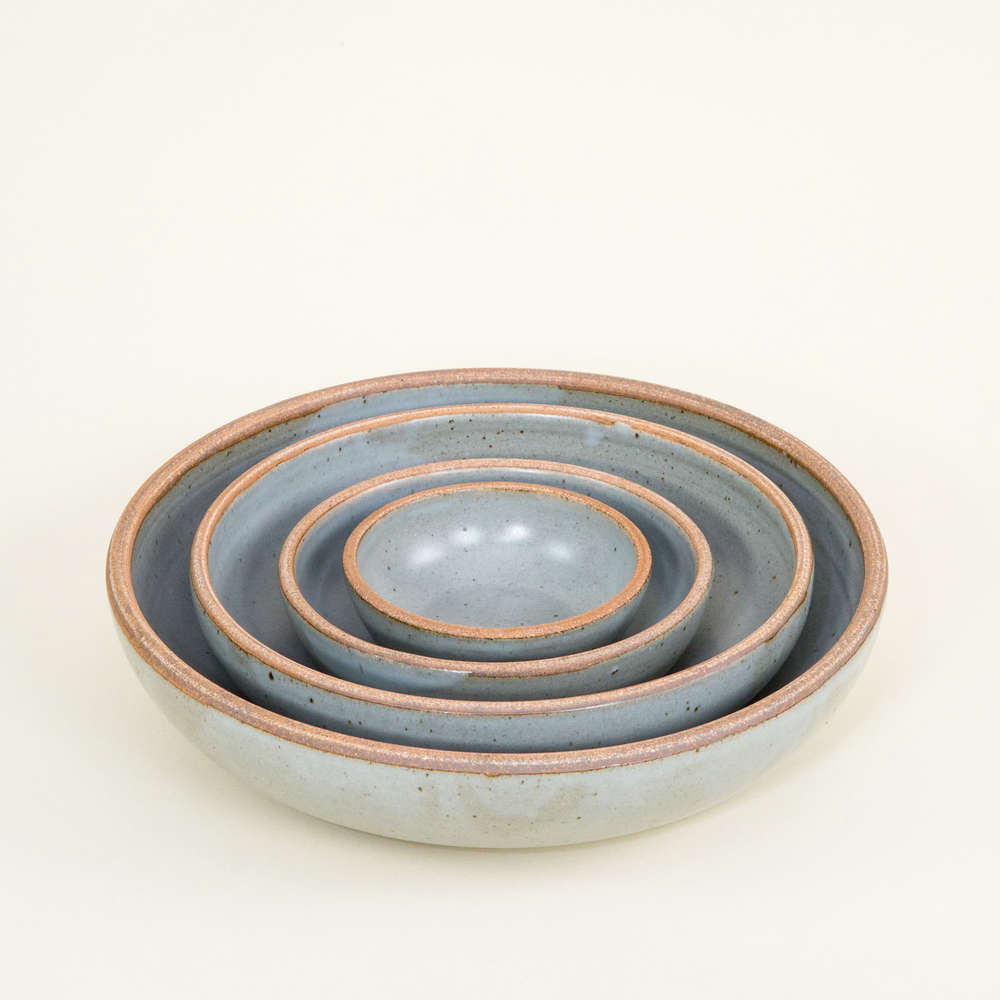
A shallow soup and salad bowl is the quiet overachiever of modern dinnerware. It looks like a plate that decided to build a small fence around itself, yet that simple design makes it useful for an impressive range of meals. Soup stays contained, salad dressing remains near the greens instead of touring the table, and pasta can be twirled without launching noodles toward an innocent dinner guest.
Also called a pasta bowl, dinner bowl, coupe bowl, low bowl, or “blate,” this versatile dish combines the broad surface of a plate with the raised rim of a traditional bowl. It works for brothy soups, hearty salads, grain bowls, risotto, curry, roasted vegetables, desserts, and nearly any meal that includes sauce. In many kitchens, it can replace several specialized pieces while making ordinary food look suspiciously restaurant-worthy.
What Is a Shallow Soup and Salad Bowl?
A shallow soup and salad bowl has a wide opening, a relatively flat or gently curved base, and low sides. Most models are wider than cereal bowls but deeper than dinner plates. Common household versions measure approximately 8 to 10 inches across, although dimensions and capacities vary considerably by manufacturer.
The defining feature is not a specific measurement but the relationship between width and depth. A conventional soup bowl concentrates food in a smaller, deeper space. A shallow bowl spreads food across a larger surface while its rim keeps liquids, dressings, grains, and runaway peas under control.
Shallow Bowl Versus Traditional Soup Bowl
A deep soup bowl is excellent for generous servings of chili, pho, ramen, or broth-heavy stews. Its tall walls retain a substantial volume and reduce splashing when the bowl is carried. However, those same walls can make garnishes harder to arrange and the last spoonfuls more difficult to reach.
A shallow soup bowl offers easier utensil access and more room for toppings. It is especially effective for creamy soups, bisques, chowders, tortellini soup, and elegant first courses. Because more of the food is visible, herbs, croutons, oils, and roasted vegetables become part of the presentation rather than disappearing into a culinary basement.
Shallow Bowl Versus Salad Plate
A salad plate is compact and convenient, but leafy salads can quickly exceed its borders. A shallow salad bowl provides room to toss ingredients, distribute dressing, and include proteins or grains without creating a lettuce avalanche.
The raised edge also helps diners gather small ingredients such as quinoa, seeds, corn, beans, and crumbled cheese. Instead of chasing one determined chickpea around a flat plate, the diner can use the curved side as a practical backstop.
Why the Shape Works So Well
The success of a shallow soup and salad bowl comes from geometry rather than kitchen magic. Its broad base creates a stable dining surface, while the low rim keeps moisture and loose ingredients contained. The design supports both visual presentation and comfortable eating.
A Wider Surface Improves Presentation
Restaurants frequently use wide bowls because they provide space around the food. A serving of risotto can be centered neatly, a salad can retain height and texture, and a soup can be finished with an attractive swirl of cream. The empty space is not wasted; it frames the meal.
At home, this means even leftovers can look intentional. Yesterday’s roasted chicken, rice, and vegetables suddenly become a “composed grain bowl.” Apparently, placing ingredients in separate sections is enough to give leftovers a new professional identity.
Low Sides Make Food Easier to Reach
Forks and spoons move more naturally across a broad, gently sloped interior than inside a narrow bowl. This is particularly helpful with pasta, salads, rice dishes, and foods that combine solids with a small amount of liquid.
A shallow profile can also make cutting tender foods easier. Meatballs, roasted squash, soft cheeses, and grilled chicken can be divided with a knife without the awkward angles created by steep bowl walls.
The Rim Controls Sauces and Dressings
A flat dinner plate works beautifully until sauce reaches the edge. A shallow bowl adds just enough protection to hold vinaigrette, curry, pasta sauce, melted butter, or meat juices. It offers the openness of a plate without the constant threat of a tabletop escape.
Best Foods to Serve in a Shallow Bowl
Versatility is the primary reason to own this type of dinnerware. One well-designed shallow bowl can move from breakfast to dessert without appearing out of place.
Soups and Stews
Use shallow bowls for tomato soup, butternut squash soup, seafood bisque, creamy mushroom soup, potato leek soup, and moderate portions of stew. The broad opening provides room for bread, herbs, cheese, sour cream, or roasted toppings.
Very brothy meals may still be better in deeper bowls, especially when the serving includes long noodles. Nobody wants to discover that a shallow vessel and enthusiastic ramen slurping form an unreliable partnership.
Main-Course Salads
Shallow salad bowls are ideal for Caesar salad with chicken, taco salad, Greek salad, Cobb salad, roasted vegetable salad, and combinations featuring grains or pasta. The wider base allows heavy ingredients to remain distributed instead of sinking beneath a mountain of greens.
For the best result, choose a bowl with enough empty space to toss the salad. Filling it completely before adding dressing usually produces two outcomes: uneven seasoning and spinach on the floor.
Pasta, Risotto, and Noodles
Pasta may be the shallow bowl’s most famous assignment. The curved rim supports twirling, contains sauce, and gives long or short pasta room to spread naturally. Risotto also benefits because its creamy texture can settle into a thin, even layer.
Wide bowls are equally useful for gnocchi, ravioli, macaroni and cheese, soba noodles, pad Thai, and saucy meatballs. A diameter near 9 or 10 inches generally provides comfortable space for an entrée without requiring a bowl the size of a satellite dish.
Grain Bowls and One-Dish Meals
Rice, quinoa, farro, couscous, and barley bowls are easier to arrange when the base is broad. Vegetables, protein, sauce, and garnishes can remain visible, allowing the diner to combine each bite as desired.
The shape also works well for burrito bowls, curry and rice, breakfast hash, shakshuka, polenta, roasted vegetables, and mashed potatoes topped with braised meat.
Breakfast and Dessert
A shallow soup and salad bowl is excellent for oatmeal with fruit, yogurt and granola, breakfast potatoes, pancakes with berries, or eggs served over grains. For dessert, try fruit cobbler, bread pudding, ice cream, poached pears, or a brownie with sauce.
The raised rim is especially valuable when dessert includes melting ice cream. It creates a containment strategy for people who prefer eating slowly or become distracted while explaining why they deserve a second brownie.
Choosing the Right Material
Shape determines how the bowl performs, but material determines its weight, durability, appearance, heat behavior, and care requirements. Product labels should always be checked because microwave, dishwasher, oven, and freezer safety can differ even among bowls made from similar materials.
Porcelain
Porcelain typically has a smooth, nonporous glazed surface and a refined appearance. It can be thinner and lighter than many stoneware pieces while still performing well for everyday dining. White porcelain is particularly effective when presentation matters because colorful food stands out clearly against it.
Many porcelain bowls are dishwasher- and microwave-safe, but decorative metallic rims, hand-painted finishes, or manufacturer-specific construction may change those instructions. Never assume that every white bowl has identical superpowers.
Stoneware
Stoneware offers a substantial feel and is popular for casual, rustic, and contemporary place settings. Reactive glazes, speckled finishes, and earthy colors give individual pieces character. Its weight can make the bowl stable on the table, although a cupboard full of stoneware may turn unloading the dishwasher into light strength training.
Stoneware is often durable enough for regular use, but rims can chip if bowls are knocked together. Stack pieces carefully and consider protective separators when storing handmade or heavily textured bowls.
Bone China
Bone china is known for being thin, light, slightly translucent, and surprisingly durable for its delicate appearance. It suits formal dining while remaining practical enough for frequent use when its care instructions allow.
It is generally more expensive than common porcelain or stoneware. Buyers should confirm dishwasher and microwave compatibility, especially when the design includes metallic decoration.
Glass
Glass shallow bowls offer a clean appearance and allow the table or placemat to show through. Tempered or strengthened glass can be practical for everyday dining, but not all glass is designed to withstand rapid temperature changes.
Avoid transferring a bowl directly between extreme hot and cold conditions unless the manufacturer specifically approves that use. Thermal shock is a dramatic phrase because the result can also be dramatic.
Melamine
Melamine bowls are lightweight, durable, and convenient for patios, picnics, campers, and households where dropped dinnerware is not a hypothetical event. They are available in many colors and patterns and are generally easier to carry than ceramic bowls.
However, melamine tableware should not be placed in a microwave unless the manufacturer explicitly states otherwise. Food should be heated in an approved container and transferred to the melamine bowl for serving. Damaged, deeply scratched, or heavily worn pieces should be replaced.
Wood
Wooden bowls bring warmth and natural texture to salads, fruit, bread, and dry snacks. A large wooden shallow bowl can make a simple green salad look inviting and is often comfortable to carry.
Wood is less suitable for very hot liquids, prolonged soaking, or routine dishwasher cleaning. Hand-wash it promptly, dry it thoroughly, and maintain it according to the maker’s instructions. Use only finishes and conditioning products intended for food-contact surfaces.
Stainless Steel
Stainless steel is lightweight, durable, and difficult to break. It is useful for outdoor meals, food preparation, and casual serving. It also resists many stains and odors better than some plastic materials.
The disadvantages are equally clear: metal cannot go in a microwave, may become hot when filled with soup, and can create a less traditional table setting. For salad, fruit, and chilled dishes, however, it is extremely practical.
What Size Should You Buy?
The best size depends on whether the bowl will be used for side dishes, entrées, or communal serving. Dimensions are often more informative than product names because one brand’s pasta bowl may resemble another brand’s soup plate.
For Individual Meals
An individual shallow bowl around 8.5 to 10 inches wide is versatile enough for pasta, salad, soup, and grain bowls. Capacity commonly falls somewhere around 20 to 32 fluid ounces, but the usable capacity may be lower if the bowl is wide and very shallow.
Do not judge by stated capacity alone. A bowl may technically hold 32 ounces when filled to the rim, yet carrying it in that condition would require the balance of a professional acrobat. Comfortable serving capacity leaves a reasonable border above the food.
For Side Salads and Smaller Portions
A bowl around 7 to 8 inches wide works well for side salads, soup starters, oatmeal, desserts, and smaller lunches. This size is easier to store and often fits more comfortably in compact dishwashers.
For Family-Style Serving
Serving bowls may range from approximately 11 to 15 inches across. Choose a bowl large enough to toss the salad without compressing delicate greens. A capacity of several quarts is useful for family dinners and gatherings, but the bowl should still fit in the sink and dishwasher if machine washing is planned.
Features Worth Checking Before Buying
A beautiful finish may earn the first glance, but practical details determine whether the bowl becomes an everyday favorite or a decorative object that lives permanently behind the waffle maker.
Stackability
Look for bowls that nest evenly without becoming tightly wedged. Stable stacks save cabinet space and reduce the likelihood of chipped rims. Extremely irregular handmade profiles can be attractive, but they may demand more storage room.
Rim Shape
A gently curved or slightly flared rim supports scooping and helps contain food. Very wide rims create elegant presentation space but reduce the usable interior. Thick rims may resist minor impacts, while thin rims can feel refined but may be more vulnerable to chipping.
Weight and Balance
Lift the bowl when possible. It should feel stable without becoming uncomfortable when full. People with limited hand strength may prefer lightweight porcelain, tempered glass, melamine, or stainless steel over thick stoneware.
Interior Finish
A smooth glazed interior is easy to clean and works well with sauces. Heavily textured surfaces can trap food or produce unpleasant scraping sounds with metal utensils. Matte glazes are fashionable, but some show utensil marks more readily than glossy finishes.
Appliance Compatibility
Confirm whether the bowl is approved for the dishwasher, microwave, oven, and freezer. These terms are not interchangeable. A microwave-safe bowl is not automatically oven-safe, and a dishwasher-safe bowl may still require careful rack placement.
Cleaning, Storage, and Food-Safety Tips
Prompt cleaning prevents dried sauces and dressings from becoming part of the bowl’s permanent biography. Most glazed porcelain, stoneware, and glass pieces can be washed with mild dish soap and a nonabrasive sponge when hand-washing is required.
In a dishwasher, position bowls so the dirty surface faces the spray and water can drain freely. Do not stack one bowl directly over another during the wash cycle because blocked surfaces may remain dirty. Large serving bowls generally belong on the lower rack when the manufacturer permits machine washing.
For stubborn utensil marks, use only cleaning methods recommended by the maker. Abrasive pads may scratch glazes, damage decorative finishes, or roughen melamine surfaces.
When storing leftovers, transfer perishable foods to covered storage containers rather than leaving them exposed in a serving bowl. Shallow storage containers help hot food cool more rapidly in the refrigerator. Refrigerate perishable leftovers promptly, generally within two hours, and keep the refrigerator at 40 degrees Fahrenheit or below.
How Many Shallow Bowls Does a Household Need?
A household that uses shallow bowls as its primary dinnerware should have at least one per regular diner, plus a few extras for guests, breakage, or delayed dishwashing. A set of six is practical for two to four people, while eight or twelve may suit larger families or frequent hosts.
Before buying a large set, test one bowl if possible. Prepare a typical meal, carry it from kitchen to table, eat from it, wash it, and place it in the cabinet. A bowl that photographs beautifully but blocks the dishwasher arm is not a lifestyle upgrade.
Common Buying Mistakes
Choosing a Bowl That Is Too Flat
An extremely flat bowl may look elegant but perform almost like a plate. It can be excellent for pasta or composed salads yet frustrating for soup. Look for a center deep enough to hold the foods you actually prepare.
Ignoring Cabinet and Dishwasher Dimensions
Ten-inch bowls can consume more space than expected, especially when several are stacked. Measure shelves, drawers, and dishwasher racks before ordering a large collection.
Assuming Every Ceramic Bowl Is Microwave-Safe
Material names provide general guidance, not a guarantee. Metallic decoration, specialty glazes, handmade construction, and manufacturer restrictions may make a ceramic bowl unsuitable for microwave use.
Buying for Appearance Alone
Color and texture matter, but so do weight, rim comfort, stackability, care requirements, and replacement availability. A bowl is not successful merely because it looks magnificent beneath an avocado.
Experiences With a Shallow Soup and Salad Bowl
My appreciation for shallow bowls began with pasta. For years, I served spaghetti on flat dinner plates because that was what the plates seemed to expect. The results were predictable: sauce drifted toward the edge, noodles required constant supervision, and grated Parmesan escaped whenever the fork moved too confidently.
The first shallow pasta bowl changed the rhythm of the meal. The broad base gave the noodles room, while the curved edge provided a surface against which the fork could twirl them. Sauce stayed in the bowl instead of forming a red ring on the placemat. The difference was not revolutionary in the history of civilization, but it was revolutionary during Tuesday dinner.
Salad revealed another advantage. In a deep mixing bowl, the best ingredients often sank to the bottom. In a shallow bowl, roasted chicken, tomatoes, avocado, nuts, and cheese remained visible and easier to distribute. Dressing spread across the ingredients rather than collecting beneath them. Each bite could contain a useful combination instead of beginning with plain lettuce and ending with a final spoonful composed entirely of feta and regret.
Soup required more experimentation. Thick tomato soup and creamy potato soup worked beautifully. Their toppings stayed visible, and bread could rest against the rim without immediately becoming a sponge. A thin chicken broth was less successful when the bowl was carried across the room too quickly. That experience established an important principle: shallow soup bowls reward calm transportation.
The bowl also became my preferred dish for leftovers. A small amount of rice looked lonely on a dinner plate and cramped in a cereal bowl. Spread across a shallow bowl with roasted vegetables, an egg, herbs, and sauce, it became a complete meal. The wide surface encouraged better arrangement, which made reheated food feel fresher and more deliberate.
One weekend, the same bowls handled pancakes in the morning, pasta salad at lunch, curry at dinner, and peach cobbler for dessert. That was when their value became obvious. Instead of owning separate dishes for every possible menu, I had one shape that adapted to nearly everything.
There were practical lessons as well. Heavy stoneware felt reassuring on the table but became cumbersome when several bowls were carried together. A lighter porcelain set proved easier for daily use. Bowls with nearly vertical rims held soup well but were less comfortable for cutting and scooping. Gently sloped sides offered the best balance.
Storage mattered more than expected. The first set nested poorly and leaned inside the cabinet like a stack of hats after a windy parade. A later set had consistent bases and smooth rims, allowing six bowls to stack securely in less vertical space. That small detail made the bowls easier to reach and therefore more likely to be used.
Color also influenced the dining experience. Dark bowls made pale foods such as risotto and mashed potatoes look dramatic, while white bowls highlighted colorful salads and curries. Speckled stoneware created a relaxed, rustic mood but occasionally showed gray utensil marks. No finish was perfect, which is comforting because neither was the cooking.
After repeated use, the most valuable quality was not appearance but flexibility. A good shallow soup and salad bowl does not demand a particular recipe or occasion. It accepts whatever the refrigerator, season, budget, or cook can provide. It helps a quick lunch feel organized and gives a dinner-party course enough style without requiring professional plating skills.
The experience suggests a straightforward buying strategy: select a medium-size bowl with a stable base, smooth interior, gently sloped rim, manageable weight, and care instructions compatible with your routine. Test whether it fits your cabinets and dishwasher. Then use it aggressively. Dinnerware earns its space by serving dinner, not by waiting for a special occasion that apparently requires perfect lighting and twelve matching napkins.
Conclusion
A shallow soup and salad bowl is one of the most versatile pieces of dinnerware a kitchen can own. Its wide surface supports attractive presentation, while its raised rim contains soup, sauce, grains, dressing, and small ingredients. It can serve pasta on Monday, salad on Tuesday, curry on Wednesday, and dessert whenever the week becomes unreasonable.
The best choice depends on personal habits. Porcelain offers a polished balance of weight and durability, stoneware provides warmth and substance, glass creates visual lightness, melamine suits outdoor use, and wood gives salads a natural presentation. Regardless of material, buyers should evaluate size, stackability, rim shape, appliance compatibility, and manufacturer care instructions.
Note: Product dimensions, capacities, heat tolerances, and cleaning requirements vary. Review the manufacturer’s instructions before using any bowl in a microwave, oven, freezer, or dishwasher.













