
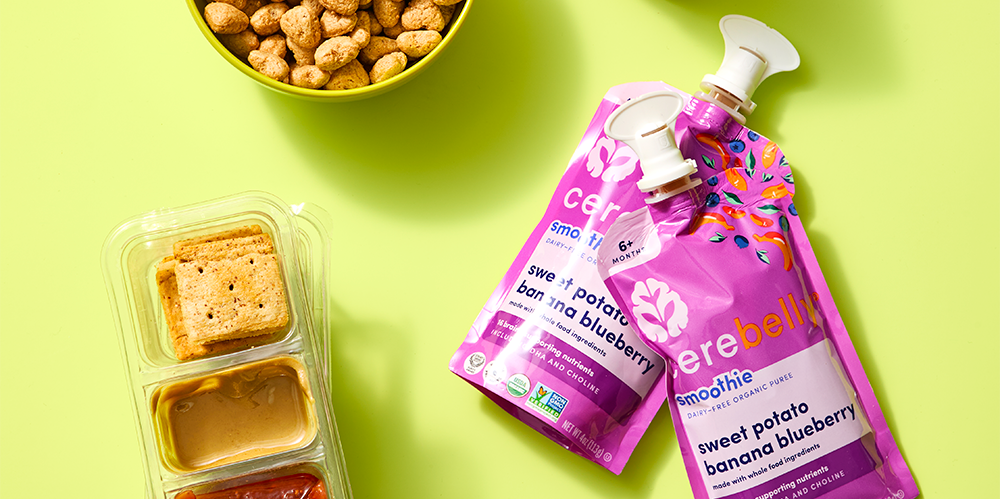
There is a special kind of chaos that arrives when a child announces, “I’m starving,” approximately 11 minutes after refusing lunch. As both a mom and a nutritionist, I know this scene well. One minute, everyone is peacefully coloring or building a couch-cushion fortress. The next, someone is lying dramatically on the kitchen floor because the banana has “too many spots.”
Kids snacks may look like a small part of the day, but they can make a meaningful contribution to a child’s overall nutrition. A thoughtfully planned snack can provide fiber, protein, calcium, healthy fats, vitamins, and enough energy to bridge the gap between meals. It can also prevent the frantic pre-dinner pantry raid that ends with six crackers, one marshmallow, and no interest in the meal you just cooked.
My approach is practical rather than perfect. I do not carve cucumbers into woodland animals at 6:30 every morning. I focus on balanced combinations, familiar ingredients, sensible portions, and foods my children will actually eat. These are the healthy kids snacks I return to again and again.
Note: This article provides general nutrition information. Children with food allergies, swallowing difficulties, medical conditions, growth concerns, or highly restricted diets may need individualized advice from a pediatrician or registered dietitian.
What Makes a Good Snack for Kids?
A snack should do more than occupy a child until dinner. Ideally, it should offer useful nutrition while being small enough that it does not replace the next meal.
My favorite formula is simple:
Choose one source of carbohydrates or fiber and pair it with protein or healthy fat.
Carbohydrate-rich foods, such as fruit, vegetables, oats, and whole-grain bread, provide readily available energy. Protein and fat can make the snack more satisfying. The result is usually more sustaining than a handful of refined crackers or a sugary snack eaten alone.
Easy Examples of the Formula
- Apple slices with peanut butter or sunflower seed butter
- Whole-grain crackers with cheese
- Berries with plain yogurt
- Carrots with hummus
- Banana with chopped walnuts for an older child
- Whole-grain toast with mashed avocado
This is not a rigid rule. Sometimes a snack is simply an orange, and sometimes it is a birthday cupcake. Healthy eating is the overall pattern, not a single afternoon decision.
The Healthy Kids Snacks I Swear By
1. Apple Slices With Nut or Seed Butter
This combination deserves its reputation as a classic. Apples provide sweetness, crunch, fluid, and fiber, while peanut, almond, or sunflower seed butter adds fat and protein.
For younger children, slice the apple thinly or soften it slightly. Spread the butter in a thin layer rather than serving a large spoonful, which can be difficult for small children to manage safely. Sunflower seed butter is my usual alternative for nut-free classrooms.
When my children reject apple slices because they are “too apple-y,” I add cinnamon or let them dip the pieces themselves. Apparently, control over dipping transforms an ordinary fruit into fine dining.
2. Plain Yogurt With Fruit
Yogurt is one of my refrigerator staples because it is quick, versatile, and easy to adapt. It provides protein and calcium, while fruit adds natural sweetness, color, and fiber.
I usually begin with plain yogurt and mix in berries, sliced peaches, mashed banana, or unsweetened applesauce. A small sprinkle of cinnamon or low-sugar granola can make it more interesting. Greek yogurt offers a thicker texture and more protein, although regular yogurt is also a nutritious choice.
Flavored yogurt can be convenient, but added sugar varies widely between products. I compare labels rather than assuming that every container decorated with strawberries contains a meaningful amount of actual strawberry.
3. Cheese and Whole-Grain Crackers
Cheese and crackers are the snack equivalent of a dependable friend. They are familiar, portable, and accepted by many selective eaters. Cheese supplies protein and calcium, while whole-grain crackers provide carbohydrates and fiber.
I look for crackers that list a whole grain near the beginning of the ingredient list. Sodium can differ considerably among brands, so the Nutrition Facts label is useful. For younger children, I serve thin cheese strips or small pieces appropriate for their chewing skills.
Add pear slices, cucumber, or grapes cut safely for the child’s age when a larger snack is needed.
4. Hummus With Vegetables or Pita
Hummus turns vegetables into dipping equipment, which improves their public relations considerably. Made primarily from chickpeas and tahini, hummus offers plant protein, fiber, and healthy fat.
Try it with cucumber strips, steamed carrot pieces, bell pepper slices, snap peas for capable older eaters, or wedges of whole-grain pita. Some children prefer a very smooth hummus, while others like roasted red pepper or garlic varieties.
Store-bought hummus is perfectly reasonable. I simply compare sodium and choose a flavor my family enjoys. A nutritionally flawless dip that nobody eats is just expensive refrigerator decor.
5. Banana Oat Bites
For a make-ahead option, I mash ripe bananas with rolled oats, cinnamon, and a spoonful of nut or seed butter. I form the mixture into small rounds and bake until set. Depending on the child’s age and preferences, I may add chopped raisins, ground flaxseed, or a few miniature chocolate chips.
The bananas provide enough sweetness that the recipe usually needs little or no added sugar. These bites freeze well and can be packed in lunchboxes after thawing.
6. Hard-Boiled Eggs With Fruit or Toast
Eggs are compact, filling, and easy to prepare in batches. Pair one with orange segments, berries, whole-grain toast, or sliced tomatoes for a simple mini-meal.
Some children happily eat a plain egg. Others require it to become a “boat,” a “moon,” or something with paprika eyes. I have learned not to question the marketing department.
7. Avocado Toast
Mashed avocado on whole-grain toast provides fiber, carbohydrates, and unsaturated fat. A squeeze of lemon can help preserve the color, while sesame seeds, hemp seeds, or a light sprinkle of cheese can add flavor.
For toddlers, cut the toast into narrow strips. For older children, add sliced egg, tomato, or mashed beans to create a more substantial after-school snack.
8. Cottage Cheese With Fruit
Cottage cheese is a convenient source of protein and calcium. Pair it with pineapple packed in juice, diced peaches, berries, or sliced cucumber and tomato for a savory version.
Texture can be a barrier, especially for selective eaters. Small-curd varieties or whipped cottage cheese may be easier to accept. It can also be blended into a smooth dip rather than served in its original lumpy glory.
9. A Mini Quesadilla
A folded whole-grain tortilla with melted cheese is quick, warm, and comforting. I often add black beans, mashed avocado, shredded chicken, or finely chopped spinach.
Cut the quesadilla into small triangles and serve it with salsa, plain yogurt, or fruit. This is one of my favorite choices when the period between lunch and dinner is long enough that a tiny snack will not do the job.
10. Roasted Chickpeas or Shelled Edamame
Beans and legumes can add plant protein and fiber to snack time. Shelled edamame is easy to serve after cooking and cooling. Roasted chickpeas offer crunch for older children who can chew them safely.
Season lightly with cinnamon, smoked paprika, garlic powder, or another family favorite. Because crunchy whole chickpeas may be difficult for young children, use softer mashed chickpeas or hummus for beginners.
11. Homemade Trail Mix for Older Kids
Trail mix is useful for outings, sports practices, and days when refrigeration is not available. I combine unsalted nuts or seeds, whole-grain cereal, and unsweetened dried fruit. A small amount of chocolate can make the mix feel special without turning it into candy wearing hiking boots.
Whole nuts, hard dried fruit, and similar foods can be choking hazards for young children. Trail mix is best reserved for older children with reliable chewing skills, and school allergy policies should always be checked.
12. Smoothies That Are More Than Fruit Juice
Smoothies can be useful when a child is tired, teething, or temporarily suspicious of anything requiring a fork. I blend fruit with milk, fortified soy milk, or plain yogurt. Oats, avocado, chia seeds, or nut butter can make the drink more balanced.
I keep portions moderate and avoid adding juice, syrups, or large amounts of honey. Whole fruit already provides plenty of sweetness. Smoothies should complement a varied diet rather than become the only acceptable way a child consumes produce.
Packaged Kids Snacks I Actually Buy
Packaged food is not a parenting failure. It is often what allows a family to reach soccer practice, survive a road trip, or leave the house wearing two matching shoes.
My pantry regularly includes unsweetened applesauce cups, tuna pouches, low-sodium whole-grain crackers, plain popcorn for older children, roasted beans, lower-sugar cereal, fruit cups packed in water or juice, and snack bars made with recognizable ingredients.
How I Read a Snack Label
I do not judge a product by the cartoon astronaut on the package or by claims such as “natural,” “wholesome,” or “made with real fruit.” I turn the package over and check:
- Serving size: Is the listed amount close to what my child will actually eat?
- Added sugar: Is it relatively low, or does the snack resemble dessert?
- Sodium: How does it compare with similar products?
- Fiber and protein: Does the product offer either, or is it mostly refined starch?
- Ingredients: Do the main ingredients match what the front of the package promises?
No single number determines whether a food is acceptable. I compare products within the same category and consider what else my child eats throughout the day.
Snack Mistakes I Try to Avoid
Allowing All-Day Grazing
Children who nibble continuously may never arrive at meals feeling comfortably hungry. I generally provide predictable meals and snacks rather than leaving food available all afternoon. Water remains accessible between eating times.
Using Snacks to Stop Every Emotion
Children sometimes need food, but they also experience boredom, frustration, fatigue, and disappointment. Automatically offering a snack for every difficult feeling can blur those signals. Sometimes the correct response to “I need a snack” is food. Sometimes it is rest, attention, water, or help finding the missing blue crayon.
Making Every Snack Extremely Exciting
When snacks are consistently sweeter, saltier, or more entertaining than meals, dinner faces unfair competition. Everyday snacks can be enjoyable without becoming miniature festivals.
Forcing a Child to Finish
I decide what food is offered and when it is served. My child decides whether to eat and how much. Appetite naturally changes with growth, activity, sleep, illness, and the mysterious laws governing childhood.
I begin with a small portion and offer more when requested. This reduces waste and makes unfamiliar foods feel less intimidating.
Safety Matters as Much as Nutrition
A nutritious food is only a good choice when it is prepared in a form the child can eat safely. Whole grapes, popcorn, whole nuts, hard raw vegetable chunks, spoonfuls of nut butter, hard candy, and large pieces of cheese or meat may pose choking risks for young children.
Food should be adapted to the child’s age and chewing ability. Grapes can be cut lengthwise and quartered, vegetables can be cooked until softer, nut butter can be spread thinly, and nuts can be finely ground or replaced with smooth seed butter.
Children should sit while eating and receive appropriate supervision. A snack eaten while running through the house is not improved by the fact that it contains organic chia seeds.
For food allergies, read labels every time, prevent cross-contact, follow the child’s medical plan, and observe school or childcare rules. Product recipes and manufacturing practices can change.
My Real-Life Experience Feeding Children
Nutrition education gave me a strong understanding of food groups, nutrients, labels, and child development. Motherhood taught me that none of this knowledge guarantees a child will eat the beautifully balanced snack placed in front of them.
I once prepared a plate with strawberries, yogurt, and oat bites. It was colorful, balanced, and genuinely tasty. My child examined it carefully and asked whether we had “normal food,” meaning a plain cracker found beneath a car seat. That moment summarized the difference between textbook feeding and real-life feeding rather efficiently.
Over time, I stopped measuring success by whether every bite was eaten. I began looking at the larger pattern. Did I provide regular opportunities to eat? Was there at least one familiar food? Did I continue offering variety without pressure? Could we sit together for a few minutes without negotiating over cucumber consumption like international diplomats?
One strategy that helped was creating a small snack station. I keep washed fruit, yogurt, cheese, and prepared vegetables in visible refrigerator containers. In the pantry, I place whole-grain crackers, applesauce, and lower-sugar cereal where the children can see them. The less nutritious foods are not forbidden, but they are not the only convenient options.
I also learned that preparation changes acceptance. A child who refuses a whole pear may happily eat thin pear slices. A child who ignores carrots may try them when a tablespoon of hummus appears beside them. One of mine disliked yogurt in a bowl but accepted the identical yogurt frozen into small drops. Children are fascinating, inconsistent research participants.
Involving them has also helped. I offer two reasonable options: “Would you like an apple with sunflower butter or yogurt with berries?” This gives the child some control without requiring me to operate an unlimited snack restaurant.
When we make trail mix, each child chooses from a few ingredients and fills a small container. When we prepare banana oat bites, they mash bananas and stir the mixture. Participation does not guarantee enthusiastic eating, but it increases familiarity. Even touching, smelling, or helping prepare a food can be useful progress for a cautious eater.
I have also relaxed about repetition. Adults often imagine that children need a completely different snack every day. In reality, many kids appreciate predictability. If cheese, crackers, and cucumber are accepted, I am comfortable serving them regularly while rotating the fruit, cracker type, or dip.
Busy days require a different standard. Sometimes the snack is a banana and a cheese stick eaten in the parking lot. Sometimes it is a packaged bar selected with reasonable ingredients. Sometimes I forget the snack bag and buy whatever workable option is available. A healthy family routine must be flexible enough to survive actual family life.
Treats are part of that life too. I do not want cookies to become mythical treasure or broccoli to become punishment. We enjoy sweets without asking them to perform nutritional miracles. A cookie is allowed to be a cookie. It does not need to contain chickpea flour, spinach extract, and the emotional burden of being called a “better choice.”
My most important lesson is that feeding children is a long process. One rejected snack does not indicate failure, and one sugary afternoon does not ruin a diet. Children develop skills and preferences through repeated, low-pressure experiences. My responsibility is to provide structure, variety, safety, and a calm example. Their responsibility is to learn, gradually and imperfectly, how to listen to their bodies.
That is why the kids snacks I swear by are not complicated recipes or expensive specialty products. They are dependable combinations I can prepare repeatedly: fruit with nut or seed butter, yogurt with berries, crackers with cheese, vegetables with hummus, eggs with toast, and simple mini-meals when hunger is bigger.
They work because they are nutritious, practical, and flexible. Most importantly, they leave room for the unpredictable preferences of the tiny humans eating them.
Conclusion
The best healthy snacks for kids are not necessarily the ones with the fanciest packaging or the longest list of superfoods. They are foods that fit the child’s age, appetite, abilities, preferences, schedule, and nutritional needs.
Begin with familiar ingredients. Pair fruit, vegetables, or whole grains with protein or healthy fat. Keep portions manageable, plan predictable snack times, compare labels, and prepare foods safely. Use packaged options when they make family life easier, and remember that treats can exist within an overall nutritious eating pattern.
Above all, remove perfection from the menu. A balanced snack served calmly and eaten willingly is more valuable than an elaborate creation that leaves everyone exhausted. Even nutritionists occasionally hand a child a banana while searching for the missing car keys.












