
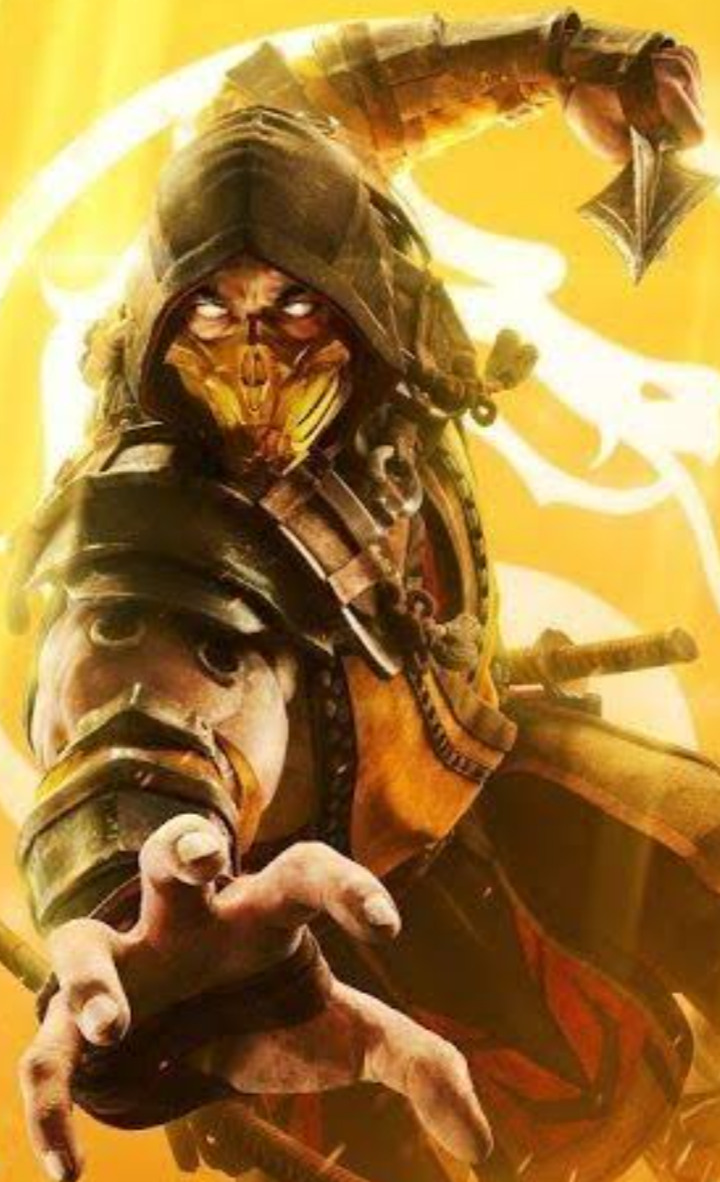
The title may look as though autocorrect challenged grammar to a duel and won, but the idea behind it is genuinely fun: draw the featured artwork, submit your version, and the creator will redraw the best entry as skillfully as possible. In clearer language, it means, “Try drawing this. The top entry will receive a redraw of their artwork, done as well as I can.”
This kind of activity belongs to the popular draw-this-in-your-style challenge, often shortened to DTIYS. One artist posts an original character, scene, or design and invites other artists to reinterpret it. Participants generally preserve a few recognizable features while changing the pose, colors, medium, mood, or visual style. Established challenges on DeviantArt demonstrate how hosts commonly encourage originality, allow creative alterations, use a dedicated hashtag, and sometimes offer a custom drawing as the prize.
Whether you are a beginner holding a pencil like it owes you money or an experienced illustrator searching for a fresh creative exercise, a redraw challenge can sharpen your skills, introduce you to other artists, and give you a reason to finish something instead of leaving another lonely sketch in the “I’ll complete it someday” folder.
What Does “Try Drawing This” Really Mean?
A “try drawing this” post is an open creative invitation. The host provides a reference image and asks followers to reproduce or reinterpret it. Unlike a strict copying exercise, the goal is usually to preserve the subject’s identity while expressing it through the participant’s personal approach.
For example, the original artwork might feature a sleepy wizard wearing a purple coat and carrying a lantern. One participant could redraw the wizard as a cheerful cartoon character. Another might create a realistic digital painting. Someone else could turn the same character into a pixel-art game sprite. The coat, lantern, and sleepy personality keep the design recognizable, but each result feels new.
What Does “Top One Will Get a Redraw” Mean?
The “top one” is the entry selected by the challenge host. That selection may be based on creativity, storytelling, technical execution, audience voting, or a combination of factors. The winner then submits one of their own characters or drawings, which the host redraws in return.
The reward does not need to be museum-ready or delivered by a mysterious courier wearing white gloves. It is valuable because it creates a personal artistic exchange. The participant interprets the host’s artwork, and the host returns the gesture by interpreting the winner’s work.
Why Redraw Challenges Are So Popular
They Remove the Blank-Page Problem
Deciding what to draw can consume more energy than drawing itself. A redraw prompt provides a character, theme, color palette, or composition, eliminating the dreaded blank canvas. Instead of inventing every detail, the artist can focus on interpretation and execution.
This structure is especially useful for beginners. Museums and art-education organizations frequently use guided prompts to develop observation, composition, perspective, and shading. The National Gallery of Art also encourages drawing activities that emphasize experimentation and process rather than obsessing over the final result.
They Help Artists Discover a Personal Style
When several people redraw the same subject, their differences become obvious. One artist uses thick outlines and bright colors. Another prefers delicate pencil shading. A third turns everything into adorable round creatures with suspiciously large eyes.
Seeing these variations helps artists recognize their own creative habits. You may discover that you naturally exaggerate expressions, simplify clothing, favor dramatic lighting, or add tiny background stories. Those repeated choices gradually become part of your artistic voice.
They Create Community Interaction
Online art can occasionally feel like placing a painting in an empty hallway and waiting for a passing ghost to press the Like button. A drawing challenge gives people a specific reason to interact. Participants tag the host, browse other entries, exchange feedback, and follow artists whose work catches their attention.
A well-run challenge creates a small temporary community around one visual idea. Even artists who do not win may gain useful feedback, new followers, or enough motivation to begin another piece.
How to Participate in a Redraw Challenge
1. Read Every Rule Before Drawing
Check the deadline, required hashtag, tagging instructions, allowed media, eligibility restrictions, and design elements that must remain recognizable. Some hosts allow major changes to the pose and costume. Others expect participants to preserve the basic composition.
Do not spend six hours creating an underwater oil painting only to discover that the challenge required a black-and-white headshot. Reading the rules is not glamorous, but neither is dramatically whispering, “I used the wrong hashtag,” at midnight.
2. Study the Reference Image
Before sketching, identify the subject’s most important features. Look for the silhouette, facial expression, costume, props, color relationships, pose, and overall mood. Decide which details make the character instantly recognizable.
Strong observational drawing is not merely about copying lines. It involves understanding the forms beneath them. Adobe’s drawing guidance recommends breaking complex subjects into manageable shapes and using references to improve structure, proportions, and accuracy.
3. Choose a Creative Direction
Ask what you can contribute without erasing the identity of the original design. Possible approaches include:
- Changing the character’s pose or camera angle
- Moving the scene into another historical period
- Turning a human character into an animal or fantasy creature
- Reimagining the artwork in a comic, realistic, retro, or minimalist style
- Creating a different background or weather condition
- Changing the mood from peaceful to dramatic
- Using traditional materials instead of digital tools
A successful entry is usually recognizable at first glance but interesting enough to reward a second look.
4. Begin With Thumbnails
Create several tiny sketches before committing to a final composition. Thumbnails help you test poses, framing, lighting, and background placement quickly. They are supposed to look rough. Their job is to answer visual questions, not audition for a gallery wall.
Choose the thumbnail with the clearest silhouette and strongest focal point. Then enlarge it into a more developed sketch.
5. Build the Drawing From Simple Forms
Construct the figure or object using circles, boxes, cylinders, and directional lines. Check the proportions before adding eyelashes, jewelry, fabric patterns, or the seventeen decorative mushrooms you suddenly decided the background needed.
For a character drawing, establish the head, torso, hips, limbs, and line of action first. For an object, check its perspective and major planes. For an environment, identify the horizon and large value groups before rendering details.
6. Add Your Own Style Without Forcing It
Your style is not a special brush downloaded from the internet. It is the result of your decisions: how you simplify forms, design shapes, use color, arrange compositions, and communicate emotion.
Instead of asking, “How do I make this look stylish?” ask more practical questions. Do I prefer clean or textured lines? Soft or high-contrast lighting? Realistic or exaggerated anatomy? Quiet colors or an explosion in a candy factory? Consistent decisions produce a more convincing result than random effects.
7. Review the Artwork Before Posting
Step away for a few minutes and return with fresh eyes. Flip the canvas horizontally if you are working digitally. Check the face, hands, perspective, values, edges, and focal point. Make sure important details are visible at social-media size.
Constructive self-critique is part of artistic growth. Art Prof describes critique as an essential part of the creative process because a fresh perspective can reveal strengths, weaknesses, and practical areas for improvement.
8. Credit the Original Artist
Name and tag the challenge host. State clearly that your entry was created for their redraw challenge. Do not present the original character or concept as your invention.
Permission matters when creating a new version of somebody else’s protected work. The U.S. Copyright Office explains that copyright owners generally control the creation of derivative versions and recommends obtaining permission when authorization is uncertain. A public redraw challenge normally provides permission within its stated rules, but that permission should not be stretched beyond the challenge.
How to Host Your Own “Try Drawing This” Challenge
Create a Strong Reference Image
Choose an artwork with a clear subject and recognizable details. A strong silhouette, interesting color palette, readable expression, and memorable prop make the prompt easier to reinterpret.
The image should be polished enough to inspire participants but not so overloaded that drawing it feels like completing a tax return with a paintbrush.
Write Clear Rules
A useful challenge announcement should explain:
- Who may participate
- The submission deadline and time zone
- The required hashtag
- Whether participants must follow or tag the host
- How much the original design may be changed
- Whether traditional, digital, animation, or three-dimensional entries are accepted
- How the winner will be selected
- What the redraw prize includes
- When the winner and prize will be announced
For promotions conducted through Instagram, official guidelines require hosts to take responsibility for lawful operation, publish official rules and eligibility terms, and acknowledge that Instagram does not sponsor or administer the promotion.
Define “Best” Before Judging
“The best drawing wins” sounds simple until thirty wildly different entries appear. Decide what matters before reviewing submissions. A beginner with a brilliant concept may produce a more memorable entry than an advanced artist who copies the reference without adding anything personal.
A balanced scoring system might assign points for creativity, connection to the original prompt, composition, storytelling, technical care, and overall impact. Publishing these criteria helps participants understand the challenge and reduces accusations that the winner was selected through a sophisticated scientific process known as “the host liked it.”
Make the Prize Realistic
Promise only what you can complete. A bust portrait or clean character sketch may be manageable. A fully rendered illustration featuring twelve characters, a castle, four dragons, and historically accurate armor may cause your drawing tablet to apply for early retirement.
State whether the prize includes a sketch, colored portrait, full-body character, simple background, digital file, or physical original. Also explain how long delivery may reasonably take.
Celebrate More Than One Entry
Even when there is one official winner, consider featuring several honorable mentions. Categories such as “most creative,” “best color,” “funniest interpretation,” or “strongest storytelling” allow more participants to feel recognized.
Share entries only under the permissions stated in the rules, preserve the artists’ names, and avoid cropping out signatures. Recognition is part of the reward.
Common Mistakes to Avoid
Copying Without Interpretation
A line-for-line reproduction may demonstrate patience, but it does not fully use the creative potential of a redraw challenge. Unless the rules specifically request an accuracy study, bring a meaningful personal decision to the piece.
Changing Everything
At the opposite extreme, an entry can become so different that the original prompt disappears. Preserve several anchor features, such as the character’s hairstyle, clothing shape, prop, color family, expression, or narrative role.
Judging by Popularity Alone
Audience voting can increase engagement, but it often favors participants with larger followings. A combined systempart public vote and part host evaluationcan produce a more balanced result.
Giving Vague Feedback
“Nice drawing” is friendly but not especially useful. Better feedback identifies a specific success and one possible improvement. For example: “The dramatic lighting makes the character feel powerful. Increasing the contrast around the face could strengthen the focal point.”
Turning the Event Into Unpaid Promotion
A challenge should provide genuine enjoyment and visibility for participants, not merely generate free promotional images for the host. Avoid claiming ownership of every entry or using submissions commercially without explicit permission.
What Artists Can Learn From Redrawing
Redrawing is more than an online trend. It is a practical way to study observation, shape design, anatomy, color, composition, and visual storytelling. It can also document improvement. When artists revisit a subject months later, they can compare decisions instead of relying on the vague feeling that they are “probably getting better, maybe.”
The biggest lesson is that improvement rarely arrives through one flawless masterpiece. It comes from repeated attempts, honest evaluation, and small corrections. A hand that looked like a bundle of nervous bananas in the first version may become convincing in the third. That is progress, and progress deserves more attention than perfection.
A Composite Experience: Running a Redraw Challenge
Consider a realistic example involving an illustrator named Maya. She had been sharing colorful fantasy characters online for nearly a year, but most posts received only brief reactions. People occasionally left a heart emoji, which was pleasant, although not exactly a deep artistic conversation.
Maya decided to post a “Try Drawing This” challenge featuring Juniper, a young forest messenger with green boots, a red scarf, and a satchel full of glowing letters. Her first announcement was only two sentences long: draw the character, tag her, and the best entry would receive a redraw. Within an hour, people began asking questions. Could they change the pose? Were traditional drawings allowed? What was the deadline? Could beginners participate? Did the glowing letters have to remain?
She realized that a fun idea still needed structure. Maya edited the post and added a four-week deadline, a unique hashtag, open-media rules, judging criteria, and a description of the prize. Participants could change the clothing, setting, pose, and art style, but the red scarf, messenger satchel, and magical-letter theme had to remain recognizable.
The clearer rules immediately improved participation. One artist drew Juniper delivering mail during a snowstorm. Another redesigned her as a science-fiction courier carrying holographic messages. A younger participant created a colored-pencil version in which the letters had tiny faces and complained about being delivered late. Technically perfect? No. Unforgettable? Absolutely.
Maya shared progress posts during the challenge, highlighting entries without ranking them. This kept the event active and encouraged artists to comment on one another’s work. She also answered questions publicly so everyone received the same information.
When the deadline arrived, Maya had forty-three entries. Choosing one winner was more difficult than expected. The most polished submission was visually impressive but stayed extremely close to the original. Another entry had rougher anatomy but transformed the concept into a dramatic nighttime scene with excellent storytelling.
Because Maya had published judging criteria, she could evaluate the pieces more consistently. She selected the nighttime interpretation as the overall winner and gave the polished entry an honorable mention for technical execution. She also recognized the funny colored-pencil drawing for character storytelling.
The final challenge was delivering the prize. Maya had promised a complete colored illustration, but her schedule became busy. Instead of disappearing into the ancient online mist, she contacted the winner, explained the delay, and provided two progress updates. The finished redraw arrived three weeks later and depicted the winner’s original character in Maya’s bright fantasy style.
The challenge did not transform Maya into an overnight celebrity. It did something more useful: it created conversations. Several participants continued following one another, two arranged an art trade, and Maya learned how much clearer her future challenge rules needed to be.
Her biggest takeaway was that the winner’s redraw was only one part of the event. The real value came from giving people a shared creative problem and enough freedom to solve it differently. The strongest entries were not necessarily the most technically advanced. They were the ones that understood the original idea and then added a distinct point of view.
Conclusion
“Try Drawing This Top One Will Get A Redraw Of Theres Best As I Can” is best understood as an informal invitation to join a redraw challenge. Its grammar may wobble, but its creative purpose is solid: make art, interpret a shared idea, connect with other artists, and reward a memorable entry with a personal redraw.
For participants, the challenge offers direction without eliminating originality. For hosts, it provides a lively way to encourage community involvement. Clear rules, respectful credit, fair judging, realistic prizes, and specific feedback turn a casual post into a rewarding art experience.
Most importantly, do not wait until your skills feel “good enough.” Draw the prompt with the abilities you have today. Your first attempt may be awkward. Your second may be better. Your third might surprise you. Every confident artist has created drawings that looked as though elbows had recently been invented. They improved because they kept going.














