
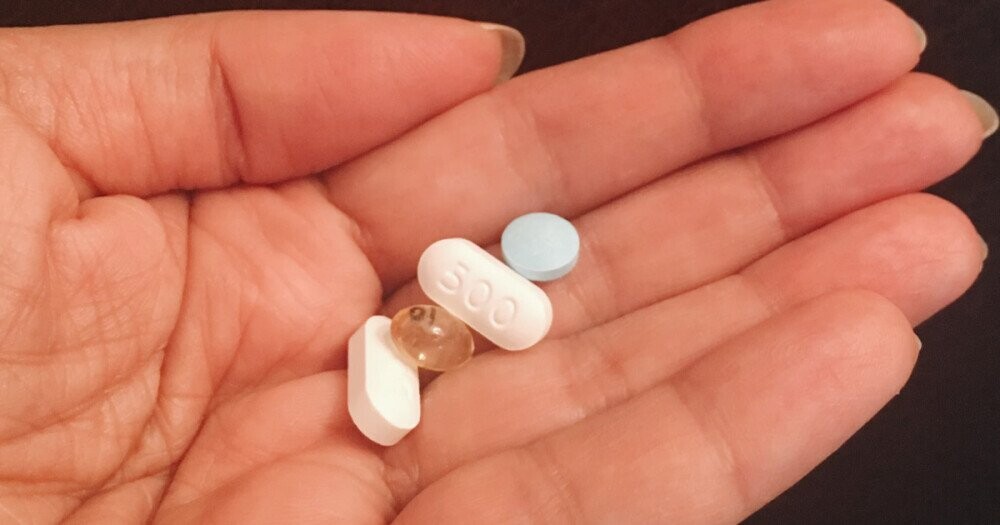
Sometimes the human body behaves like it got its medical degree from a magician. A pill with no active medicine can ease pain. A scary warning can make harmless sensations feel dramatic. Stress can turn your stomach into a protest zone, your skin into a billboard, and your chest into a full-blown panic parade. And in some cases, the brain can trigger symptoms so powerful they look exactly like seizures, pregnancy, or even a heart attack.
That does not mean these symptoms are fake. It means the mind-body connection is real, messy, and far more influential than most of us like to admit. Your brain is not just sitting upstairs writing dramatic diary entries. It is constantly sending signals that affect hormones, nerves, blood vessels, digestion, pain perception, breathing, muscle tension, and more. In other words, your body is always listening.
This is where things get fascinating. The stories below are rooted in real medical phenomena that show how thoughts, fear, belief, stress, grief, and expectation can shape what people feel in very physical ways. Some are strange. Some are unsettling. All of them are a reminder that the line between “mental” and “physical” is way blurrier than pop culture likes to pretend.
Why the Mind-Body Connection Gets So Wild
The brain is not a detached commentator. It is part of the machinery. It helps regulate pain, digestion, movement, immune responses, sleep, heart rate, and stress hormones. So when expectation changes, symptoms can change. When fear spikes, the body often follows. When chronic stress stays switched on for too long, the body pays rent in headaches, stomach problems, rashes, chest tightness, jaw clenching, poor sleep, and exhaustion.
That is why these six stories matter. They are not freak accidents from the edge of medicine. They are dramatic examples of processes that affect ordinary people every day. The only difference is that in these cases, the volume knob got turned way up.
1. The Sugar Pill That Can Calm Real Pain
The placebo effect is not “nothing happened”
Let’s start with the celebrity of mind-body medicine: the placebo effect. This is what happens when a person feels better after an inactive treatment because their brain expects relief. Yes, it sounds like a prank. No, it is not imaginary.
People often hear “placebo” and think “fake medicine for gullible people.” That is a terrible summary. A better summary is this: the ritual of treatment can change how the brain processes symptoms. If a person believes help is coming, the brain may dial down pain, soften anxiety, or shift how symptoms are experienced. That can happen with a sugar pill, a saline injection, or even the whole atmosphere of care around treatment.
The weird part is not that people are foolish. The weird part is that the body responds to context. A reassuring clinician, a convincing treatment ritual, and a strong expectation of improvement can influence real sensations. Pain is one of the clearest examples because the brain plays a major role in how pain signals are interpreted. In plain English, the brain is both messenger and editor, and sometimes it edits generously.
So the first wild story is this: a person can feel genuine symptom relief from an inactive treatment, not because the illness was invented, but because the brain’s expectation changed the body’s response. Your nervous system, apparently, is very into atmosphere.
2. The Warning Label That Can Make You Feel Worse
Meet the placebo effect’s grumpy twin: the nocebo effect
If placebo is the brain helping out, nocebo is the brain showing up like an uninvited critic. The nocebo effect happens when negative expectations make symptoms feel worse or side effects feel more intense. In medical settings, that can mean a person experiences more pain, more discomfort, or more side-effect drama because they were primed to expect trouble.
This does not mean side effects are fake. It means expectation can amplify them. If someone is told a shot will really hurt, the experience may feel harsher. If a patient expects a medication to cause muscle pain, headaches, or fatigue, the brain may become extra vigilant, scanning every sensation like a suspicious airport guard. Suddenly, normal body noise feels like a five-alarm emergency.
That is what makes the nocebo effect so sneaky. The symptoms are still real to the person experiencing them. The suffering is not pretend. But the expectation itself becomes part of the mechanism. The brain can magnify pain, discomfort, and bodily awareness in ways that make an intervention feel worse than it otherwise would.
In a way, this is one of the most relatable stories on the list. Nearly everyone has felt it. You read the side effects first, and five minutes later your body starts acting like it just joined the cast of a medical drama. The mind may not create every symptom from scratch, but it can absolutely grab a megaphone.
3. The Stomach That Stages a Nervous Revolt
Why anxiety loves your digestive system so much
If you have ever had “butterflies” before a speech, nausea before an exam, or an urgent need to locate a bathroom before a difficult conversation, congratulations: you have met the brain-gut connection. This relationship is so strong that emotions can trigger very physical digestive symptoms, from cramping and bloating to diarrhea, constipation, nausea, and plain old stomach misery.
The gut and brain communicate constantly. Strong emotions can influence hormones, nerves, and muscle activity throughout the digestive tract. That helps explain why stress can make existing gastrointestinal problems flare and can also create symptoms in people who are otherwise healthy. The body does not always wait for a real threat. Sometimes a tense email does the trick.
What makes this story wild is how quickly the body can obey stress. A person can be sitting safely in a chair, but their body reacts like a tiger just RSVP’d yes. Heart rate climbs. Muscles tense. Digestion changes gears. Appetite vanishes, or suddenly everything in the pantry looks emotionally supportive.
This is not weakness. It is biology with terrible timing. The same stress response that once helped humans survive danger can turn modern life into a digestive obstacle course. Public speaking, breakups, deadlines, grief, uncertainty, and chronic pressure can all leave the stomach acting like it has personal opinions.
4. The Seizure That Looks Neurological Because It Is
Functional symptoms are real symptoms
One of the most misunderstood mind-body stories involves functional neurological symptoms, including psychogenic non-epileptic seizures, often called PNES. These episodes can look strikingly similar to epileptic seizures, yet they are not caused by the same abnormal electrical activity in the brain. That difference matters medically, but it should never be mistaken for “the person is making it up.”
They are not. These symptoms are involuntary. They are real. And they can be deeply disruptive.
This is where language often fails patients. People hear words like “psychogenic” or “functional” and assume the problem is imaginary. In reality, the symptoms can involve movement changes, altered awareness, weakness, shaking, or seizure-like episodes that demand serious evaluation. The issue is not that nothing is happening. The issue is that the problem lies in how brain networks are functioning rather than in the kind of electrical seizure activity doctors see in epilepsy.
That makes this one of the wildest stories on the list: the brain can produce symptoms dramatic enough to mimic a major neurological disorder, while standard assumptions about cause point in the wrong direction. Many patients are misdiagnosed at first, which can lead to frustration, unnecessary treatments, and the extra misery of not being believed.
The big lesson here is simple and important. Mind-body conditions are not lesser conditions. They do not become unreal just because a scan or test does not tell the whole story. Sometimes medicine has to catch up to what the patient has been feeling all along.
5. The Phantom Pregnancy That Feels Completely Real
Pseudocyesis is one of medicine’s strangest examples of belief shaping the body
Pseudocyesis, or false pregnancy, is rare, but it may be the most jaw-dropping example of the mind-body connection on this list. A person believes they are pregnant and may develop symptoms that resemble pregnancy, even though there is no fetus. The body can echo the belief in unsettlingly convincing ways.
This is not the same as simply wondering whether you might be pregnant. Pseudocyesis can involve missed periods, nausea, weight gain, abdominal enlargement, breast changes, and the powerful feeling that pregnancy is truly happening. Then testing and ultrasound show otherwise.
Why does this happen? Medicine does not reduce it to one neat answer. Psychological factors can play a role, and hormonal changes may also be involved. The result is a condition that reminds us how deeply the brain and body influence one another. A belief is not just floating around in abstract thought. It can be linked to real physical changes.
What makes pseudocyesis especially moving is the emotional weight wrapped around it. It is not a quirky trivia fact. It is often distressing, disorienting, and heartbreaking. The person is not performing. They are living inside an experience their body seems to confirm. That is why compassionate diagnosis matters so much.
If placebo shows the body can respond to hope, pseudocyesis shows that the body can also respond to powerful emotional and psychological pressures in ways that seem almost unbelievable. Human biology, once again, chooses drama.
6. The Heart That Can Break From Stress
Sometimes grief and shock hit the body like a physical blow
We talk about a “broken heart” as if it is pure poetry. Unfortunately, the body occasionally takes the phrase very literally. Extreme emotional stress has been linked to broken heart syndrome, a temporary heart condition that can mimic a heart attack. People may feel sudden chest pain or shortness of breath, and the symptoms can be frighteningly real.
This condition, also known as stress cardiomyopathy or Takotsubo cardiomyopathy, is a reminder that emotional distress is not trapped in the feelings department. Grief, intense shock, or overwhelming stress can ripple through the cardiovascular system. The heart and brain are in constant conversation, and sometimes that conversation goes off the rails.
Not every stress-induced chest symptom means broken heart syndrome, of course. Stress can also cause racing heartbeats, blood pressure changes, tightness, and a general sense that your chest is starring in a thriller. But broken heart syndrome stands out because it looks so much like a major cardiac emergency.
That is what makes it such a memorable final story. An argument, a sudden loss, a crushing event, or severe stress can trigger symptoms that feel like the body has crossed from emotion into emergency. And in a very real sense, it has. The old cliché about heartbreak turns out to have more medical teeth than anyone asked for.
What These Stories Actually Mean
The point of these six stories is not that the mind is secretly a supervillain. It is that the brain and body are part of one system, and that system is deeply influenced by expectation, stress, fear, grief, context, and belief. Sometimes those influences help. Sometimes they hurt. Either way, they are real.
That matters because people with mind-body symptoms are often dismissed. They hear phrases like “it’s just stress” or “it’s all in your head,” which is a spectacularly bad way to describe something that is happening through the head and the body. A stress rash still itches. A functional seizure is still disruptive. A nocebo-fueled side effect still feels miserable. A panic-driven stomach problem still ruins lunch.
The best modern view is not mind versus body. It is mind through body. Once you understand that, these stories stop sounding like spooky exceptions and start sounding like extreme versions of processes that affect almost everyone.
Extra Experiences: Everyday Ways the Mind Messes With the Body
Now for the part that makes all this feel less like a medical documentary and more like real life. Most people will never experience pseudocyesis or broken heart syndrome. But nearly everyone has had a small, annoying, strangely theatrical body reaction driven by the brain.
Think about the student who studies for days, walks into the exam room, and suddenly forgets the alphabet, their own name, and possibly how chairs work. Their hands sweat, their heart races, their stomach twists, and their mouth goes dry. Nothing in the room is attacking them, but the body has already declared a state of emergency.
Or think about the person who has to give a presentation at work. Five minutes earlier they were fine. Then the slideshow appears, twenty faces turn toward them, and their body decides this is an ideal moment for shaking hands, a pounding pulse, and a throat that feels lined with cotton balls. The brain interprets social threat, and the body responds like it is escaping wolves.
Then there is grief, which can feel like someone replaced your internal organs with wet cement. Appetite disappears. Sleep gets weird. The chest feels tight. Muscles ache. Energy drains away. That is not “being dramatic.” Emotional pain can show up as very physical fatigue and tension.
Stress also has a wonderful talent for turning minor sensations into lead roles. A harmless flutter feels ominous. A normal stomach gurgle becomes a crisis. A small itch becomes a full philosophical event. When people are under chronic stress, the body often becomes louder, not quieter. Headaches, jaw clenching, skin flare-ups, bowel changes, and random aches can start auditioning for daily attention.
Even positive emotions get in on the act. Excitement can bring nausea. Falling in love can mess with sleep and appetite. Anticipation can cause lightheadedness, butterflies, and restlessness. Apparently the body does not care whether the big feeling is fear, joy, or romantic chaos. It just likes to participate.
And then there is the modern masterpiece: doomscrolling. People sit perfectly still while their nervous system reacts to a firehose of stress. Shoulders rise. Breathing gets shallow. The jaw tightens. Sleep suffers. The body absorbs tension while the person technically appears to be “just checking their phone.”
So yes, the mind can mess with the body in astonishing ways. Sometimes that looks dramatic enough for a case report. More often it looks like the everyday weirdness of being human: the nervous stomach, the stress headache, the chest flutter, the mystery rash, the tension neck, the exhausted body after an emotionally brutal week. None of that is trivial. It is the mind-body connection doing what it has always done: translating feelings into flesh.
Conclusion
The wildest thing about these stories is not that the body can be influenced by the mind. It is that we still act surprised every time it happens. Placebos can soothe. Nocebos can sting. Stress can rattle the gut, skin, muscles, and heart. Functional neurological symptoms can look terrifyingly physical because they are. False pregnancy can mimic pregnancy. Grief can hit the heart like a hammer.
The lesson is not to dismiss symptoms. It is the opposite. Symptoms deserve serious attention even when the pathway runs through stress, belief, or emotion. The brain is part of the body, not its gossip columnist. And once you understand that, these “wild stories” start to make a lot more sense.














