
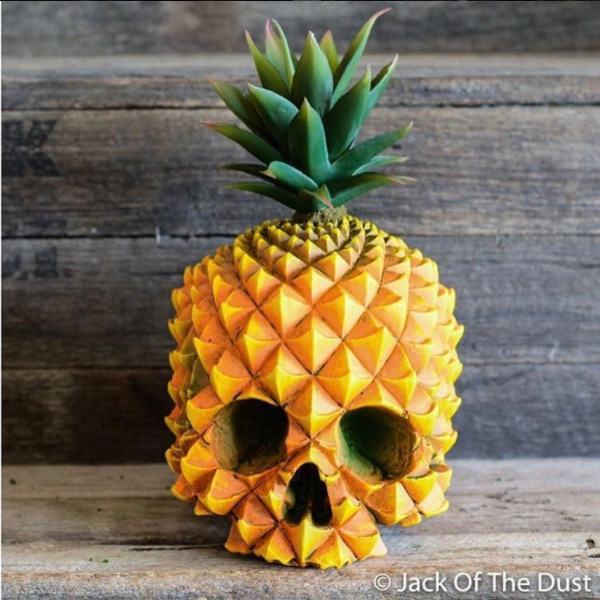
Note: This article discusses the piña colada as a cultural, culinary, and lifestyle topic. Traditional adult versions are intended only for people of legal drinking age. For everyone else, the alcohol-free piña colada is the real beach-day MVP: creamy, pineapple-bright, coconut-smooth, and happily drama-free.
The Drink That Tastes Like Vacation Wearing Sunglasses
Some flavors do not walk into a room quietly. They burst through the door wearing a flower shirt, carrying a pineapple, and asking why nobody has turned on beach music yet. That is the piña colada. Even before you take a sip of an alcohol-free version, the aroma alone suggests sun-warmed sand, poolside umbrellas, and a schedule with exactly zero meetings.
The title “Anyone For Pina Coladas??” has the same energy as a friend leaning over the patio table at 3:47 p.m. and announcing that ordinary beverages have officially been canceled. It is playful, tropical, and a little over-the-top, which is exactly why the piña colada remains one of the most recognizable pineapple coconut drinks in the world.
At its heart, the piña colada is a study in balance. Pineapple brings brightness and tang. Coconut adds body, sweetness, and a creamy island hug. Ice turns it into a frosty escape plan. In traditional adult cocktail culture, rum has historically played a role, but the flavor profile is so strong that the alcohol-free piña colada stands proudly on its own. In fact, many people prefer the virgin piña colada because it lets the pineapple and coconut do the talking without interruption.
What Does “Piña Colada” Actually Mean?
The name “piña colada” comes from Spanish and is commonly understood as “strained pineapple.” That simple meaning points back to the drink’s essential fruit base: pineapple juice, traditionally pressed and strained for a smooth texture. It sounds elegant, but let us be honest: “strained pineapple” does not quite sell the fantasy. “Piña colada,” on the other hand, sounds like it should come with a tiny umbrella, a breeze, and someone magically paying your hotel bill.
The drink is closely tied to Puerto Rico, where it became a symbol of hospitality and tropical flavor. Puerto Rico named the piña colada its official drink in 1978, and the association has stuck ever since. Today, travelers often treat it as part of the San Juan experience, right alongside historic streets, ocean views, music, and plates of unforgettable local food.
A Brief, Sunny History of the Piña Colada
Like many legendary foods and drinks, the piña colada has a history with a few competing origin stories. The most famous version credits bartender Ramón “Monchito” Marrero at the Caribe Hilton in San Juan, Puerto Rico, with creating the modern piña colada in the 1950s. According to that account, Marrero wanted to capture the flavors of Puerto Rico in one icy, creamy drink. Mission accomplished. If vacation had a flavor profile, this would be it.
Another origin claim points to Barrachina, a restaurant in Old San Juan, where bartender Ramón Portas Mingot is said to have created a version in the 1960s. There are also older legends involving pineapple, coconut, and rum-like combinations appearing in Caribbean stories long before the modern blended version became famous. The exact inventor may remain debated, but the important truth is less mysterious: Puerto Rico gave the piña colada its identity, and the world happily adopted it.
The Coco López Connection
One major reason the modern piña colada became possible was the development of cream of coconut. Cream of coconut is not the same thing as coconut milk or plain coconut cream. It is sweetened, rich, and designed to create that velvety texture people associate with tropical blended drinks and desserts.
In Puerto Rico, Don Ramón López Irizarry helped develop a commercial cream of coconut product that became closely connected with the piña colada’s rise. This matters because texture is everything. Without the right coconut element, a piña colada can taste thin, icy, or disappointingly flat. With it, the drink becomes smooth, lush, and dangerously close to dessert.
Why Pineapple and Coconut Work So Well Together
Pineapple and coconut are one of those flavor pairings that make you wonder if nature has a tiny culinary department. Pineapple is juicy, acidic, and bright. Coconut is mellow, creamy, and slightly nutty. Together, they create contrast without conflict.
Think of pineapple as the friend who talks everyone into dancing. Coconut is the friend who makes sure the playlist is good and nobody forgets sunscreen. One brings sparkle; the other brings comfort. That is why pineapple coconut drinks, desserts, smoothies, cakes, popsicles, and sauces show up across summer menus. The pairing tastes familiar but still feels festive.
The Texture Factor
Flavor may get the applause, but texture is the behind-the-scenes producer. A great piña colada should feel creamy, cold, and smooth without becoming heavy. If it is too icy, it tastes like pineapple snow. If it is too sweet, it feels like drinking frosting through a straw. If the coconut is too weak, the whole thing loses its tropical personality and becomes pineapple juice wearing a costume.
The best alcohol-free piña colada experience usually comes from a thoughtful mix of pineapple, coconut, ice, and a little acidity. Some people like a squeeze of lime for brightness. Others prefer frozen pineapple for a thicker smoothie-style texture. A splash of sparkling water can make it lighter and more refreshing. The beauty is that the non-alcoholic version is flexible, family-friendly, and easy to adapt for different tastes.
The Rise of the Virgin Piña Colada
The virgin piña colada deserves more respect than it gets. Too often, people treat alcohol-free drinks like the backup dancers of the beverage world. Not here. A well-made virgin piña colada is flavorful, pretty, satisfying, and absolutely capable of stealing the spotlight at a party.
It works at backyard cookouts, birthday parties, brunches, beach picnics, pool days, and cozy movie nights when you want tropical energy without booking a flight. It also fits perfectly into modern hospitality trends. More restaurants, hotels, and home hosts are paying attention to mocktails, zero-proof drinks, and inclusive beverage menus. That means a piña colada can be fun for guests who do not drink alcohol, are underage, are driving, are pregnant, are health-conscious, or simply prefer the taste of fruit and coconut without anything extra.
Mocktail Variations That Keep Things Interesting
The classic alcohol-free piña colada profile is already excellent, but small variations can turn it into something memorable. Mango adds golden sweetness and a slightly tropical perfume. Strawberry creates a pink, fruity version that looks like summer got a makeover. Banana makes the texture thicker and more dessert-like. A little ginger adds a spicy snap that keeps the drink from becoming too sweet.
For a lighter version, blend pineapple with coconut water and a smaller amount of coconut cream. For a dessert version, use frozen pineapple and a creamy coconut base for a milkshake-like texture. For a party version, serve it in clear glasses with pineapple wedges, toasted coconut, or colorful paper straws. Presentation matters. Nobody ever said, “Wow, this tropical drink would be better in a sad paper cup.”
Piña Coladas in Pop Culture
The piña colada is not just a drink; it is a cultural shorthand. Mention it, and people immediately think of vacations, beach resorts, poolside chairs, and the kind of relaxed mood where flip-flops count as formalwear. It also became permanently linked to pop culture through the famous “Escape” song, widely known as “The Piña Colada Song.” The song helped turn the phrase into a playful symbol of romantic comedy chaos, tropical fantasy, and slightly questionable personal ads.
That pop culture connection is part of why the piña colada has survived changing beverage trends. Some drinks come and go like seasonal fashion. The piña colada stays because it is instantly understandable. You do not need a lecture to enjoy pineapple and coconut. You just need taste buds and possibly a lawn chair.
How to Build a Piña Colada-Themed Moment Without the Fuss
A piña colada theme works beautifully for gatherings because it gives people a mood before the first glass is even served. You can build an entire event around the colors and flavors: pineapple yellow, coconut white, leafy green, and ocean blue. Add tropical fruit bowls, grilled pineapple skewers, coconut cupcakes, shrimp tacos, jerk-style vegetables, limey slaw, or a simple snack board with salty chips and fresh salsa.
Music helps too. Think breezy island rhythms, old-school summer hits, or mellow beach playlists. Decor does not need to be expensive. A few pineapples, palm-print napkins, reusable cups, and a pitcher of alcohol-free piña coladas can transform a normal afternoon into a mini vacation. The goal is not perfection. The goal is to make everyone feel like they have briefly escaped their inbox.
Food Pairings That Make Sense
Because piña coladas are creamy and fruity, they pair especially well with foods that are salty, smoky, spicy, or grilled. Think grilled chicken, roasted vegetables, fish tacos, coconut rice, black bean salads, plantain chips, spicy salsa, and citrusy seafood dishes for legal-age dining contexts where appropriate. The sweetness of pineapple and coconut can cool down heat, while the acidity of pineapple refreshes the palate after richer foods.
Desserts are also a natural match. Pineapple upside-down cake, coconut macaroons, key lime pie, mango sorbet, and vanilla cupcakes all fit the tropical theme. If the table looks like it belongs near a beach, you are probably doing something right.
Common Piña Colada Mistakes
The first mistake is making it too sweet. Pineapple and cream of coconut already bring plenty of sweetness, so balance matters. A little acidity from lime or tart pineapple can keep the flavor lively. The second mistake is ignoring texture. Too much ice can water everything down; too little can make the drink feel heavy. Frozen fruit is often a smart way to add thickness without diluting flavor.
The third mistake is treating the garnish as an afterthought. A pineapple wedge, cherry, mint sprig, toasted coconut rim, or citrus twist can make a simple glass feel special. The fourth mistake is assuming adults are the only audience. Alcohol-free piña coladas can be the most popular drink at the table because they are colorful, flavorful, and inclusive.
Why “Anyone For Pina Coladas??” Still Works as a Perfect Summer Question
The phrase works because it is not really asking about a beverage. It is asking: Are we allowed to have fun now? Can we stop being serious for ten minutes? Is it socially acceptable to put pineapple on the counter and pretend we live closer to the ocean?
That is the magic of the piña colada. It gives people permission to enjoy a tiny vacation moment. You can be in a backyard, apartment kitchen, family barbecue, hotel balcony, or rainy Tuesday living room, and the flavor still transports you somewhere warmer. It is nostalgia and novelty in the same glass.
In a food world full of complicated trends, the piña colada remains refreshingly easy to understand. Pineapple. Coconut. Cold. Creamy. Happy. That is the pitch. No foam chemistry required. No mysterious ingredient harvested by monks under a blue moon. Just tropical flavors doing what they do best.
Extra Experiences: The Piña Colada Mood in Real Life
There is a specific kind of joy that comes from serving piña coladas at home, especially the alcohol-free kind. It starts before anyone tastes anything. The moment pineapple is sliced, the kitchen smells brighter. Coconut cream adds that soft, beachy aroma that makes people wander in and ask, “What are you making?” with the hopeful expression of someone who has already decided they want one.
One of the best piña colada experiences is the backyard version. The weather is warm, the chairs do not match, someone forgot to bring ice, and there is always one person standing too close to the grill giving advice they were not asked for. Then the piña coladas appear. Suddenly the whole gathering upgrades itself. Kids can enjoy the mocktail version, adults who are not drinking feel included, and everyone gets to hold something that looks festive enough for a resort brochure.
Another great experience is the “pretend vacation” night. This is especially useful when travel is not happening, the budget is giving you side-eye, or the weather outside is aggressively un-tropical. You make alcohol-free piña coladas, put on island-inspired music, cook something simple with lime and pineapple, and declare the living room a beach. Is there sand? No. Is that a good thing? Absolutely. Indoor beaches have fewer seagulls and much better Wi-Fi.
The piña colada also has a funny way of making people nostalgic. Someone will remember a cruise. Someone else will mention a hotel pool from childhood. Another person will bring up a family party where the blender worked overtime and the kitchen counter became sticky enough to qualify as modern art. These drinks are tied to memories because they feel ceremonial. They are not poured absentmindedly like a glass of water. They are announced. They arrive with garnish. They make an entrance.
For hosts, the alcohol-free piña colada is practical as well as charming. You can prepare a base ahead of time, keep garnishes ready, and adjust the texture depending on the crowd. Some guests like it thick and smoothie-like. Others prefer it lighter and icier. Some want extra pineapple tang; others want more coconut creaminess. It is a forgiving drink, which is exactly what party food should be. Nobody wants a beverage that requires a science degree and emotional support.
There is also something visually delightful about the piña colada. Its pale, creamy color creates the perfect background for bright garnishes. Add pineapple leaves and it looks tropical. Add a cherry and it looks retro. Add toasted coconut and it looks fancy. Serve it in a hollowed pineapple and people will take pictures before anyone is allowed to touch it. The drink understands social media better than some influencers.
Most importantly, the piña colada experience reminds us that simple pleasures still matter. A cold pineapple coconut drink will not solve every problem, but it can soften the edges of a long day. It can make a small gathering feel more thoughtful. It can turn a plain afternoon into something worth remembering. And when someone asks, “Anyone for pina coladas??” the best answer is usually a cheerful yes, especially when everyone can enjoy a delicious alcohol-free glass.
Conclusion
The piña colada has earned its place as one of the world’s favorite tropical drinks because it delivers more than flavor. It delivers atmosphere. From its Puerto Rican roots and debated origin stories to its global popularity and modern mocktail appeal, this pineapple coconut classic continues to represent relaxation, celebration, and sunny imagination.
Whether served as a legal-age adult cocktail in traditional settings or as a family-friendly virgin piña colada, the drink remains wonderfully adaptable. It can be elegant, playful, nostalgic, or completely silly in the best possible way. That is why “Anyone For Pina Coladas??” still sounds less like a question and more like an invitation to enjoy life with a little extra pineapple.














