
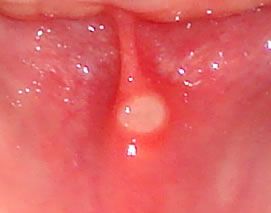
A canker sore may be tiny, but it can turn eating, drinking, brushing your teeth, and occasionally speaking into an obstacle course. One minute you are enjoying lunch; the next, a tortilla chip touches the wrong spot and your entire mouth files a formal complaint.
Also called an aphthous ulcer, a canker sore is a shallow, painful lesion that develops inside the mouth. It may appear on the inner lips, cheeks, gums, tongue, soft palate, or beneath the tongue. Most sores are harmless and heal without treatment, although recurring, unusually large, or persistent ulcers may deserve professional evaluation.
This guide explains canker sore symptoms, possible causes, treatment options, prevention strategies, and the warning signs that mean it is time to call a dentist or healthcare professional.
What Is a Canker Sore?
A canker sore is a small break in the tissue lining the inside of the mouth. The medical term is recurrent aphthous stomatitis when ulcers repeatedly return.
Unlike cold sores, canker sores are not caused by the herpes simplex virus. They are not contagious, do not spread through kissing, and usually do not form on the outer surface of the lips. Cold sores typically begin as fluid-filled blisters around the lips, whereas canker sores usually look like open, round ulcers inside the mouth.
Canker sores can affect people of any age, but they often begin during childhood or adolescence. Some people experience one isolated ulcer every few years. Others develop clusters several times a year, often after stress, illness, accidental mouth injuries, or certain dietary changes.
Common Canker Sore Symptoms
A typical canker sore is round or oval with a white, yellow, or grayish center surrounded by a red border. Pain may begin before the sore becomes clearly visible.
Early warning signs
Some people notice a tingling, burning, tender, or prickling sensation approximately one day before the ulcer appears. Catching this early stage can be useful because topical treatments often work best when applied promptly.
Typical symptoms
- One or more painful ulcers inside the mouth
- A round or oval sore with a pale center
- A red, inflamed border around the lesion
- Pain that worsens while eating, drinking, or brushing
- Sensitivity to acidic, spicy, salty, or crunchy foods
- Temporary difficulty speaking if the sore is near the tongue
Most minor canker sores measure less than one-third of an inch across. The pain may be strongest during the first several days and then gradually improve as the tissue heals.
Large or severe ulcers may occasionally be accompanied by fatigue, fever, or swollen lymph nodes. These symptoms are not typical of an ordinary minor sore and should be discussed with a healthcare professional.
Types of Canker Sores
Minor canker sores
Minor aphthous ulcers are the most common type. They are generally small, shallow, and round. Most heal within one or two weeks without leaving a scar.
Major canker sores
Major ulcers are deeper and larger than minor sores. They can be extremely painful, may take several weeks to heal, and can sometimes leave scarring. A large ulcer can interfere with eating and drinking enough to create a risk of dehydration, especially in children or older adults.
Herpetiform canker sores
Despite the confusing name, herpetiform canker sores are not caused by herpes. They appear as numerous tiny ulcers that may merge into a larger irregular lesion. They are less common and can cause significant mouth pain.
What Causes Canker Sores?
The exact cause of canker sores is not always clear. Researchers generally consider them the result of an abnormal immune reaction affecting the mouth’s delicate lining. In many cases, several triggers may be involved rather than one single culprit.
Minor mouth injuries
Everyday trauma is a frequent trigger. Accidentally biting the cheek, brushing too aggressively, receiving dental work, wearing poorly fitting dentures, or being poked by braces can damage the mouth lining. Even a particularly enthusiastic potato chip can start the process.
Stress and inadequate sleep
Emotional stress does not directly injure the mouth, but it can influence immune activity and daily habits. During stressful periods, people may sleep less, grind their teeth, bite their cheeks, or eat differently. These factors may make an outbreak more likely.
Food sensitivities and irritation
Acidic or spicy foods can trigger or aggravate sores in susceptible people. Common offenders include citrus fruits, tomatoes, pineapple, hot peppers, vinegar, and heavily seasoned snacks. Chocolate, coffee, nuts, and certain food additives are sometimes reported as personal triggers, although reactions vary considerably.
Sodium lauryl sulfate, a foaming ingredient used in some toothpastes, may worsen recurrent ulcers in certain people. Switching to an SLS-free toothpaste is a low-risk experiment, but it will not solve every case.
Nutritional deficiencies
Recurring mouth ulcers can be associated with deficiencies of iron, folate, vitamin B12, or zinc. This does not mean everyone with a canker sore needs a suitcase full of supplements. Unnecessary supplementation can cause side effects and may hide an underlying medical problem. A clinician can order appropriate testing when a deficiency is suspected.
Hormonal and immune changes
Some people notice outbreaks around hormonal changes, including menstruation. Illnesses, immune-system shifts, and a family tendency toward recurrent aphthous ulcers may also increase susceptibility.
Underlying medical conditions
Frequent, severe, or unusual mouth ulcers can occasionally be linked to conditions such as celiac disease, inflammatory bowel disease, Behçet disease, immune disorders, or blood-cell abnormalities. Certain medications may also cause mouth ulceration.
An occasional small canker sore is rarely a sign of serious disease. The possibility of an underlying condition becomes more relevant when ulcers are persistent, unusually large, nearly continuous, or accompanied by digestive problems, genital sores, eye inflammation, unexplained weight loss, joint symptoms, or recurring fever.
How Long Does a Canker Sore Last?
Most minor canker sores heal within seven to fourteen days. Pain often improves before the ulcer completely disappears. Major sores can last several weeks, while clusters may heal at different rates.
Healing may take longer if the sore is repeatedly irritated by a sharp tooth, dental appliance, hard food, smoking, or aggressive brushing. A mouth ulcer that remains for more than two weeks should be examined, particularly if it is getting larger, bleeding, becoming harder, or causing increasing pain.
Canker Sore Treatments
There is no instant cure that makes a canker sore vanish on command. Treatment focuses on controlling pain, reducing inflammation, protecting the ulcer, and helping the tissue heal without repeated irritation.
Use a gentle mouth rinse
Rinsing with warm salt water or a mild baking-soda solution may soothe the area and help keep the mouth clean. Do not swallow the rinse. Avoid highly concentrated mixtures, alcohol-heavy mouthwashes, and undiluted hydrogen peroxide, which can irritate or damage oral tissue.
Protect the sore from friction
Over-the-counter oral pastes, patches, and barrier gels can cover the ulcer and reduce contact with food or teeth. These products are especially helpful when a sore sits in a location that gets rubbed every time you speak or chew.
Try topical pain relief
Products containing local anesthetic ingredients, such as benzocaine, may temporarily numb the sore. Follow the label carefully, use only the recommended amount, and check with a pediatrician or dentist before applying numbing medication to a young child.
Ice chips can also provide brief relief. Letting a small piece melt near the sore is usually more comfortable than pressing a large ice cube against tender tissue like you are trying to interrogate it.
Choose softer foods
During healing, favor soft, bland foods such as oatmeal, yogurt, scrambled eggs, smoothies eaten with a spoon, mashed vegetables, soups that are not too hot, and tender proteins. Avoid sharp chips, crusty bread, spicy sauces, sour candy, citrus juice, and very hot beverages.
Drinking through a straw may reduce contact with some ulcers, but it can worsen discomfort when a sore is located near the back of the mouth. Use whichever method feels less painful.
Brush carefully
Continue brushing and flossing, but use a soft-bristled toothbrush and gentle pressure. Good oral hygiene reduces additional irritation from plaque and food debris. Avoid repeatedly touching the sore with a finger or tongue because constant checking delays the moment when you finally forget it exists.
Prescription corticosteroid treatments
For painful or recurring ulcers, a dentist or physician may prescribe a topical corticosteroid, such as a dental paste applied directly to the lesion. Steroid mouth rinses may be used when multiple areas are involved. These medications can reduce inflammation and may shorten symptoms when started early.
Other medical treatments
Severe cases may require stronger anti-inflammatory medication, specialized mouth rinses, or treatment aimed at an underlying disease or deficiency. A clinician may occasionally cauterize a particularly painful lesion with a chemical agent. This can reduce discomfort in selected cases, but it should only be performed or recommended by a qualified professional.
Antibiotics do not routinely treat canker sores because these ulcers are not usually caused by bacteria. Antiviral medications used for cold sores are also generally ineffective against aphthous ulcers.
What Not to Do
- Do not pop, cut, scrape, or pick at the ulcer.
- Do not place aspirin directly on the sore; it can cause a chemical burn.
- Do not use undiluted peroxide, alcohol, or harsh essential oils.
- Do not assume every persistent mouth ulcer is an ordinary canker sore.
- Do not take high-dose vitamins or minerals without identifying a deficiency.
Many dramatic online remedies create more irritation than relief. If a treatment feels as though it is burning a hole through the furniture, it probably does not belong on delicate mouth tissue.
When to See a Dentist or Doctor
Arrange an evaluation when a mouth sore:
- Lasts longer than two weeks
- Is unusually large, deep, or painful
- Returns frequently or appears almost continuously
- Spreads across several areas of the mouth
- Prevents normal eating or drinking
- Is accompanied by fever, diarrhea, rash, or swollen lymph nodes
- Develops after starting a new medication
- Has hard, irregular, raised, or persistently bleeding edges
- Occurs with sores elsewhere on the body or with eye symptoms
Seek prompt care if a child cannot drink because of mouth pain, shows signs of dehydration, or becomes unusually sleepy. Signs of dehydration can include reduced urination, a dry mouth, lack of tears, dizziness, and unusual weakness.
How Canker Sores Are Diagnosed
Most canker sores can be diagnosed through a visual examination and a review of symptoms. A clinician may ask how often the ulcers occur, how long they last, whether relatives have similar problems, and whether outbreaks are associated with foods, medications, stress, or digestive symptoms.
Testing is not usually required for one typical sore. Recurrent or severe cases may lead to blood tests for anemia and nutritional deficiencies. Additional testing may be considered when symptoms suggest celiac disease, inflammatory bowel disease, infection, autoimmune illness, or another cause of oral ulceration. A persistent suspicious lesion may require a biopsy to rule out other conditions.
How to Prevent Recurring Canker Sores
Track possible triggers
Keep a brief record of outbreaks, foods, stress levels, sleep, medications, and mouth injuries. Patterns may emerge after several episodes. One sore after eating salsa proves very little; five outbreaks after the same extra-hot recipe are more persuasive.
Reduce physical irritation
Use a soft toothbrush, chew slowly, and avoid talking while chewing if cheek biting is a frequent problem. Ask a dentist to smooth a sharp tooth, adjust an appliance, or recommend orthodontic wax for irritating braces.
Maintain balanced nutrition
Eat a varied diet containing adequate protein, vegetables, fruits, whole grains, and sources of iron and B vitamins. People with a confirmed deficiency should follow a clinician’s treatment plan rather than guessing at supplement doses.
Manage stress and sleep
Regular exercise, relaxation exercises, scheduled breaks, and consistent sleep may reduce outbreaks in people whose sores are tied to stressful periods. Stress management is not magic, but neither is trying to survive on four hours of sleep and vending-machine crackers.
Consider changing oral-care products
People with frequent ulcers may try an SLS-free toothpaste and a mild, alcohol-free mouthwash. Give the change enough time to judge whether outbreak frequency improves.
Frequently Asked Questions
Are canker sores contagious?
No. Ordinary canker sores cannot be spread by kissing, sharing utensils, or touching the lesion. Cold sores, however, are viral and contagious.
Can stress cause a canker sore?
Stress is a common reported trigger, particularly when combined with poor sleep, cheek biting, illness, or changes in eating habits. It is usually one part of the picture rather than the sole cause.
Should I put salt directly on a canker sore?
No. Directly applying dry salt can cause intense pain and tissue irritation. A mild salt-water rinse is gentler and more appropriate.
Can I pop a canker sore?
No. A canker sore is an ulcer, not a fluid-filled pimple or blister. There is nothing useful to pop, and trying may cause bleeding, infection, and delayed healing.
Why do I keep getting canker sores?
Recurring sores may be related to genetics, stress, mouth trauma, food sensitivities, nutritional deficiencies, hormonal changes, or an underlying health condition. Frequent outbreaks should be discussed with a dentist or physician.
Real-World Experiences: Living With a Canker Sore
The following examples reflect common experiences people report rather than one specific patient’s medical history.
A typical minor canker sore often begins without much ceremony. Someone wakes up and notices that the inside of the lower lip feels strangely rough. By lunchtime, a tiny white spot has appeared. The person orders a sandwich, takes one bite, and discovers that toasted bread has apparently been redesigned as a medieval weapon.
The first instinct is often to inspect the sore every few minutes. The tongue keeps drifting toward it, partly to check whether it is still there and partly because human beings are mysteriously compelled to poke anything painful. Unfortunately, repeated rubbing makes the area angrier. The experience usually improves once the person begins leaving the ulcer alone, switches to softer food, and uses a protective oral paste.
Another common situation involves braces. A student develops an ulcer exactly where a bracket rubs the cheek. The sore gets better overnight, then becomes irritated again during breakfast. In this case, pain relief alone may not be enough. Covering the bracket with orthodontic wax and asking the orthodontist about persistent friction can be more useful than applying numbing gel repeatedly.
Some adults notice that ulcers appear during busy work periods. One may develop after several nights of poor sleep, multiple cups of coffee, skipped meals, and the sort of stress that causes a person to answer an email while brushing their teeth. A diary may show that no single food is responsible. Instead, exhaustion, rushed eating, and accidental cheek biting repeatedly occur before each outbreak.
Dietary irritation is another familiar experience. A person may comfortably eat tomatoes most of the year but find that tomato sauce becomes unbearable once an ulcer is present. This does not necessarily mean tomatoes caused the sore. Acidic foods can intensify pain even when they were not the original trigger. Temporarily avoiding them can make meals much easier without requiring a permanent tomato farewell ceremony.
Parents often face a different challenge when a child has a painful mouth ulcer. The child may reject food, become irritable, or refuse to brush. Offering cool water, yogurt, soft eggs, or other bland foods can help. The priority is maintaining fluid intake. A child who cannot drink, urinates less than normal, or seems unusually weak should receive medical advice promptly.
People with recurring ulcers sometimes experiment with numerous home remedies at once. They change toothpaste, take several supplements, eliminate six food groups, and apply ingredients discovered during a late-night internet expedition. This can make it impossible to identify what actually helped. A better approach is to make one safe change at a time, record the results, and involve a healthcare professional when outbreaks are severe or frequent.
The emotional effect should not be dismissed. A small ulcer can be surprisingly distracting when every word, sip, and bite triggers pain. It may interfere with meetings, sleep, exercise, or social meals. Acknowledging that discomfort is reasonable; assuming the worst is usually not. Most minor sores heal normally, especially when they are protected from friction and given several days to settle down.
The experience becomes more concerning when a lesion does not follow the usual pattern. A sore that persists beyond two weeks, grows, becomes hard, bleeds repeatedly, or returns with other symptoms should not be managed indefinitely with drugstore gel. Getting it examined does not mean something serious is definitely present. It means persistent mouth changes deserve a proper name and an appropriate plan.
Conclusion
Canker sores are common, noncontagious ulcers that usually heal within one or two weeks. Minor injuries, stress, food irritation, immune activity, and nutritional deficiencies can contribute to outbreaks. Most cases can be managed with gentle rinses, protective products, careful brushing, soft foods, and temporary avoidance of irritating ingredients.
Recurring, severe, or persistent ulcers require more attention. A dentist or physician can determine whether prescription anti-inflammatory treatment, nutritional testing, appliance adjustment, or evaluation for another health condition is appropriate. Until then, be kind to the sore, skip the hot sauce, and resist the urge to inspect it with your tongue every thirty seconds.
Note: This article provides general educational information and is not a substitute for diagnosis or treatment from a licensed dentist, physician, or other qualified healthcare professional.














