
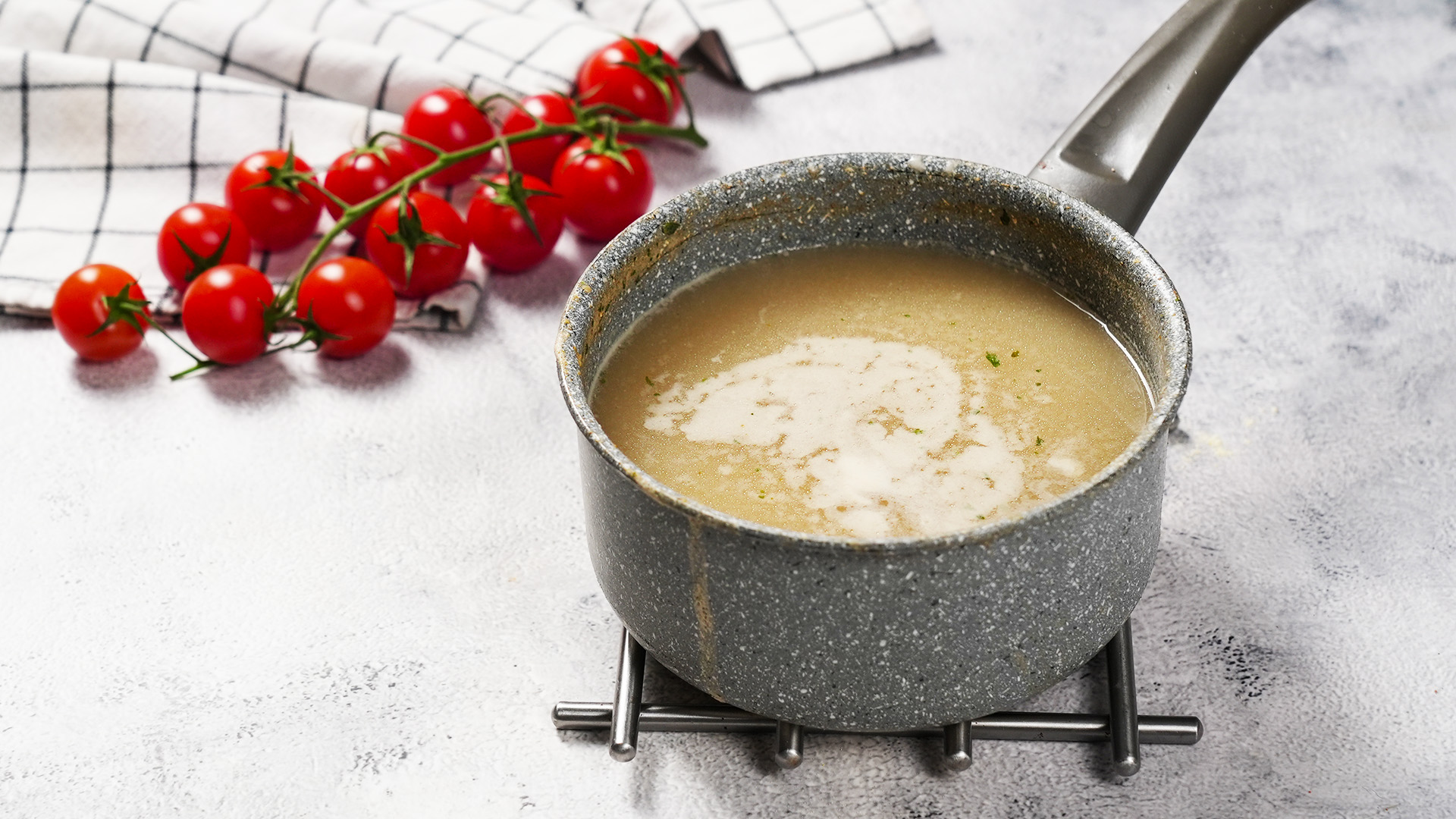
Few kitchen disappointments are as dramatic as lifting the lid on a pot of soup and realizing it looks less like dinner and more like a flavored puddle with commitment issues. Luckily, flour can come to the rescue. It is affordable, easy to find, and surprisingly flexible when you know how to use it correctly.
Learning how to thicken soup with flour is not just about dumping a spoonful into the pot and hoping for the best. That path leads to lumps, a raw flour taste, and the kind of texture that makes people politely ask for “just a small bowl.” The better method is simple: choose the right flour technique, mix it properly, simmer it long enough, and adjust slowly.
This guide walks you through nine easy steps for thickening soup with flour, whether you are fixing a watery chicken soup, giving body to a creamy potato soup, or rescuing a vegetable chowder that somehow turned into hot salad water. By the end, you will know how to use a roux, flour slurry, and beurre manié like a calm, confident soup whisperer.
Why Flour Works So Well as a Soup Thickener
Flour thickens soup because it contains starch. When starch granules meet heat and liquid, they swell and help give the soup more body. This process turns a thin broth into something smoother, richer, and more satisfying. Flour is especially helpful in creamy soups, chowders, gravies, stews, and hearty vegetable soups.
Compared with cornstarch, flour creates a softer, more opaque finish. That means it may not be ideal for a crystal-clear broth, but it is excellent when you want comfort-food texture. Think chicken pot pie soup, creamy mushroom soup, broccoli cheddar soup, clam chowder, or sausage and potato soup. Flour does not just thicken; when cooked with fat, it can add a gentle toasted flavor too.
Easy Ways to Thicken Soup with Flour: 9 Steps
Step 1: Decide How Thick You Want the Soup
Before adding flour, decide what “thick” means for your recipe. A lightly thickened soup should still flow easily from a spoon. A chowder should feel creamy and substantial. A stew-like soup should coat the spoon and hold vegetables, beans, meat, or noodles in a hearty base.
A good rule is to start small. For a pot of soup, begin with one to two tablespoons of flour, then add more only if needed. Soup thickens as it simmers and often thickens more as it cools. If you go too far, you can thin it with broth, milk, water, or stock, but it is easier to add thickness than to undo a paste-like pot of regret.
Step 2: Choose the Best Flour Method
There are three main ways to thicken soup with flour: roux, slurry, and beurre manié. Each has its own personality.
A roux is flour cooked with fat, usually butter or oil. It is best when you are building soup from the beginning or when you can make a quick roux in a separate pan. A roux gives the smoothest, most classic texture.
A flour slurry is flour whisked with cool liquid before being added to hot soup. It is fast, practical, and useful when the soup is already made but needs more body. A slurry is the “we can still fix this” method.
Beurre manié is a paste made from softened butter and flour. It is added in small pieces to simmering soup near the end of cooking. It thickens gently and adds a rich finish without requiring a separate pan.
Step 3: Make a Roux for the Smoothest Texture
To make a basic roux, use equal parts fat and flour. For example, melt two tablespoons of butter in a saucepan, then whisk in two tablespoons of all-purpose flour. Cook the mixture over medium heat, stirring constantly, until it looks smooth and smells lightly toasted.
For creamy soups, cook the roux only until pale or lightly golden. This keeps the flavor mild and preserves thickening power. For gumbo-style soups or deeply flavored stews, a darker roux can add nutty complexity, but it will thicken less than a pale roux.
Once the roux is ready, slowly whisk in some warm broth or soup liquid. Add the liquid gradually at first so the roux loosens smoothly. Then stir the mixture back into the soup and simmer. This method works beautifully for potato soup, broccoli cheese soup, creamy chicken soup, corn chowder, and seafood chowder.
Step 4: Use a Flour Slurry for a Quick Fix
If your soup is already cooked and too thin, a flour slurry is the easiest solution. Do not add dry flour directly to the pot. Dry flour clumps as soon as it hits hot liquid, and those little dumpling-like blobs are not charming.
Instead, whisk one to two tablespoons of flour with about one-quarter cup of cold water, broth, or milk until completely smooth. Cold liquid helps the flour disperse before it meets heat. Once the mixture is lump-free, slowly pour it into the simmering soup while stirring constantly.
Let the soup return to a gentle simmer. The thickening will not happen instantly; flour needs time to hydrate, cook, and lose its raw taste. Simmer for several minutes, stirring often, then check the texture before adding more.
Step 5: Try Beurre Manié for Last-Minute Thickening
Beurre manié sounds fancy enough to wear a tiny chef hat, but it is wonderfully simple. Mash equal parts softened butter and flour together until you have a smooth paste. For a medium pot of soup, try one tablespoon of butter mixed with one tablespoon of flour.
Add the paste in small pieces to simmering soup, whisking after each addition. The butter helps the flour spread evenly through the liquid, reducing the chance of lumps. This technique is excellent when your soup is almost done and you do not want to dirty another pan.
Beurre manié is especially nice in mushroom soup, chicken stew, beef vegetable soup, and creamy herb soups. It adds thickness and a silky finish without making the soup feel heavy.
Step 6: Simmer Long Enough to Cook Out the Flour Taste
One of the biggest mistakes when thickening soup with flour is not cooking it long enough. Flour needs time to do its job. If you add flour and serve the soup immediately, the texture may feel grainy and the flavor may taste flat or doughy.
After adding a roux, slurry, or beurre manié, simmer the soup gently. Stir often, especially if the soup contains dairy, cheese, potatoes, pasta, or rice. A low simmer gives the starch time to thicken the liquid while preventing scorching on the bottom of the pot.
If the soup contains milk or cream, avoid a hard boil. High heat can make dairy separate or create an unpleasant texture. Keep the heat steady and patient. Soup rewards patience, much like houseplants, sourdough starters, and people waiting for coffee.
Step 7: Adjust the Consistency Slowly
Thickening soup is a gradual process. Add a small amount of thickener, simmer, stir, and reassess. If it is still too thin, repeat the process. This is better than adding too much flour all at once and ending up with soup that could patch drywall.
If the soup becomes too thick, add more liquid. Use broth for savory depth, milk for creaminess, water for a neutral adjustment, or a splash of cream for richness. Add liquid in small amounts and stir well before deciding whether you need more.
Also remember that ingredients continue to absorb liquid. Pasta, rice, lentils, beans, and potatoes can thicken soup as they sit. A soup that seems perfect on the stove may become much thicker after 20 minutes in the pot or overnight in the refrigerator.
Step 8: Match the Flour Technique to the Soup Type
Different soups need different flour strategies. For creamy soups, a light roux is usually the best choice because it creates a smooth, cohesive base. Use it for cream of chicken, broccoli cheddar, tomato bisque, potato soup, and chowders.
For chunky soups and stews, a slurry is fast and effective. It works well when you already have meat, vegetables, and broth simmering together. Beef stew soup, chicken vegetable soup, turkey noodle soup, and sausage bean soup can all benefit from a careful slurry.
For finishing a soup at the end, beurre manié is ideal. It adds subtle richness and lets you control thickness one small piece at a time. It is particularly useful when the soup tastes great but looks a little too loose.
Step 9: Taste, Season, and Finish Like a Pro
After thickening, always taste the soup again. Flour can soften flavors slightly, especially salt, acid, and spices. You may need a pinch of salt, a few grinds of black pepper, a squeeze of lemon, a dash of vinegar, or a sprinkle of fresh herbs to wake everything up.
For creamy soups, finishing touches matter. Try shredded cheese, chopped parsley, chives, toasted breadcrumbs, croutons, cracked pepper, or a drizzle of olive oil. For rustic soups, add fresh thyme, smoked paprika, bay leaf, or a splash of hot sauce.
Texture is only one part of great soup. A thick soup should still taste balanced, comforting, and lively. Flour gives the body; seasoning gives the personality.
How Much Flour Should You Use to Thicken Soup?
The right amount depends on the soup and your preferred texture, but these practical starting points help:
- Light thickening: 1 tablespoon flour for 4 cups of soup
- Medium thickening: 2 tablespoons flour for 4 cups of soup
- Hearty chowder texture: 3 to 4 tablespoons flour for 4 cups of soup
When making a roux, pair flour with an equal amount of fat. For example, two tablespoons flour plus two tablespoons butter can lightly to moderately thicken a medium pot of soup. For a slurry, whisk the flour with cold liquid first. For beurre manié, mash flour with softened butter before adding it gradually.
Common Mistakes When Thickening Soup with Flour
Adding Flour Directly to Hot Soup
This is the classic lump-maker. Flour needs to be dispersed in fat or cold liquid before it goes into hot soup. Otherwise, the outside of each flour particle hydrates too quickly and traps dry flour inside.
Skipping the Simmer
Flour-thickened soup needs cooking time. If the soup tastes chalky or raw, keep simmering gently and stirring. The flavor should mellow and the texture should smooth out.
Using Too Much Flour
More flour is not always better. Too much can make soup heavy, dull, and pasty. Add flour in stages and give each addition time to work.
Forgetting to Stir
Thick soups can stick to the bottom of the pot. Stir frequently with a wooden spoon or heat-safe spatula, scraping the bottom and corners where thickened soup likes to hide.
Can You Use Whole Wheat Flour, Gluten-Free Flour, or Self-Rising Flour?
All-purpose flour is the best default choice because it has a neutral flavor and reliable thickening power. Whole wheat flour can work, but it may add a nuttier taste and slightly grainier texture. Use it in rustic soups where that flavor makes sense, such as lentil soup, mushroom soup, or beef stew.
Gluten-free flour blends can sometimes thicken soup, but results vary depending on the blend. Rice flour, sweet rice flour, and some cup-for-cup blends can work well, especially in a roux. Cornstarch, potato starch, arrowroot, or blended vegetables may be better choices for people who need a gluten-free thickener.
Self-rising flour is not ideal because it contains baking powder and salt. It may affect flavor and texture in ways you do not want. Save it for biscuits, not soup rescue missions.
Best Soups to Thicken with Flour
Flour works best in soups where a creamy, opaque, or hearty texture is welcome. Good examples include:
- Chicken and dumpling soup
- Potato soup
- Broccoli cheddar soup
- Cream of mushroom soup
- Clam chowder
- Corn chowder
- Turkey pot pie soup
- Beef and vegetable stew soup
- Tomato soup with a roux base
Flour is less ideal for delicate clear soups, such as consommé, miso soup, or light chicken broth. Those soups are meant to stay clear and clean-tasting. If you want to thicken them, consider blending some ingredients, adding noodles, using rice, or simply reducing the broth.
Storage and Reheating Tips for Flour-Thickened Soup
Flour-thickened soup usually gets thicker after refrigeration. Store leftovers in shallow airtight containers so they cool quickly. Most cooked leftovers should be refrigerated and used within a few days. When reheating, warm the soup gently and stir often.
If the soup is too thick after chilling, add broth, water, milk, or cream a little at a time while reheating. Avoid blasting dairy-based soups over high heat. A gentle reheat helps preserve the smooth texture you worked so hard to create.
Freezing flour-thickened soups can be hit or miss. Some creamy soups separate after thawing, especially if they contain milk, cream, or cheese. If you plan to freeze soup, consider freezing the broth and solids before adding dairy, then thickening and finishing after reheating.
Extra Experience: What Home Cooks Learn After Thickening a Lot of Soup
The first thing you learn when thickening soup with flour is that panic is not an ingredient. Many home cooks see a thin pot of soup and immediately reach for a heaping scoop of flour. That is understandable, but soup does not like sudden decisions. The best results come from slowing down, mixing the flour properly, and letting heat do its work.
In real kitchens, the most reliable method often depends on timing. If you are just starting the soup, make a roux. It gives you control from the beginning and builds a sturdy base. For example, when making creamy chicken soup, melt butter, soften onions and celery, stir in flour, then slowly whisk in broth. The soup thickens evenly as it simmers, and the flavor tastes intentional rather than repaired.
If the soup is already finished and you only notice the thin texture at the end, use a slurry or beurre manié. A slurry is great when you want a quick fix without adding more fat. Beurre manié is better when you want the soup to feel richer. I think of slurry as the practical friend who shows up with a toolbox, while beurre manié arrives wearing a scarf and somehow makes the room look better.
Another lesson: lumps usually come from rushing. If you whisk flour with cold liquid until it is perfectly smooth, you are already halfway to success. Some cooks like to shake the flour and cold liquid in a jar with a tight lid. This works well, but only if the lid is actually tight. Otherwise, congratulations, you have invented wallpaper paste for your counter.
Experience also teaches that flour changes flavor, not just texture. A raw flour taste can flatten a beautiful soup. That is why simmering matters. Once flour is added, give the soup time. Stir gently, scrape the bottom, and let the texture settle. If the soup contains cheese or cream, keep the heat low so it stays smooth.
Seasoning at the end is another underrated trick. After thickening, taste again. You may need salt, pepper, garlic powder, lemon juice, vinegar, herbs, or a tiny pinch of cayenne. Thick soup can taste muted if you forget this step. The goal is not just “thick.” The goal is “thick and delicious.” There is a difference, and your spoon knows it.
Finally, remember that soup is forgiving. If it gets too thick, add liquid. If it is still too thin, add more thickener slowly. If it tastes bland, season it. If it looks boring, garnish it. A sprinkle of herbs, a swirl of cream, crunchy croutons, or shredded cheese can turn a humble bowl into something that looks planned. Flour is simply one tool, but used well, it can turn watery soup into a cozy, spoon-hugging meal.
Conclusion
Thickening soup with flour is easy once you understand the basic techniques. Use a roux for the smoothest base, a slurry for a quick correction, or beurre manié for a rich last-minute finish. Always mix flour with fat or cold liquid before adding it to hot soup, simmer long enough to cook out the raw taste, and adjust gradually until the texture feels just right.
The next time your soup looks too thin, do not panic. Grab flour, choose your method, and give the pot a little patience. With nine simple steps, you can turn a watery soup into a creamy, hearty, deeply satisfying bowl that tastes like it meant to be that way all along.














