
Note: Publish-ready HTML body only. Unnecessary source markers removed as requested.
If you have ever wanted to sound warm, polite, and just a little more interesting than the average tourist armed with a thumbs-up and blind optimism, learning how to greet people in Afrikaans is a smart place to start. Afrikaans is one of South Africa’s official languages, and while you do not need to master the whole language to make a good first impression, a few well-chosen greetings can go a long way. In many situations, using even one or two Afrikaans phrases shows effort, respect, and genuine curiosity. That matters.
The good news is that Afrikaans greetings are beginner-friendly. Many words are short, practical, and surprisingly easy to remember once you hear them a few times. The even better news? You do not need to sound like a movie villain clearing your throat into a microphone to get started. You just need the right phrases, a little confidence, and a willingness to smile through the occasional pronunciation wobble.
This guide breaks everything down into nine simple steps. You will learn the most useful Afrikaans greetings, when to use them, how to sound polite, how formal or informal to be, and how to avoid the classic language-learner mistake of greeting someone warmly and then freezing like a Wi-Fi router in a thunderstorm.
Why Learning Afrikaans Greetings Matters
Greetings do more than fill silence. They set the tone for a conversation. In Afrikaans, as in many languages, the way you say hello can signal friendliness, respect, confidence, and cultural awareness. If you are traveling, meeting Afrikaans speakers, studying the language, or simply curious about South African culture, greetings are your easiest win.
They are also practical. A simple Hallo can help you begin a conversation. Hoe gaan dit? can turn a quick hello into a real interaction. Dankie and Totsiens help you leave the conversation as gracefully as you entered it. In other words, greetings are the social version of learning where the brakes are before driving the car.
Step 1: Start with the Simplest Afrikaans Hello
The most common place to begin is with a basic hello. In Afrikaans, the easiest and most widely understood options are:
- Hallo Hello
- Haai Hi
- Goeie dag Good day
Hallo is your safest all-purpose choice. It works in casual settings, is easy for English speakers to pronounce, and does not sound overly stiff. Haai is more informal, so it is better with friends, peers, or relaxed social situations. Goeie dag sounds a little more polished and can work when you want to sound respectful without going full fancy.
If you are a beginner, start with Hallo. It is the language-learning equivalent of wearing a nice clean shirt: simple, reliable, and rarely a mistake.
Step 2: Match Your Greeting to the Time of Day
Just like in English, Afrikaans has time-specific greetings. Using them makes you sound more natural and more tuned in to the situation.
- Goeiemôre or Goeie môre Good morning
- Goeie middag Good afternoon
- Goeienaand or Goeie naand Good evening
- Goeienag Good night
Goeiemôre is perfect in the morning when you are greeting someone for the first time that day. Goeie middag fits afternoon interactions. Goeienaand works when meeting someone in the evening. Goeienag, however, is usually for saying good night as you leave or when someone is heading off to bed, not for starting a conversation.
That last one matters. Saying “good night” when you mean “good evening” can make you sound as if you are greeting someone by immediately dismissing them. Efficient, yes. Socially elegant, not so much.
Step 3: Ask “How Are You?” the Right Way
Once you say hello, the next natural step is asking how the other person is doing. The most useful Afrikaans phrase here is:
Hoe gaan dit? How are you?
You may also hear or use slightly longer versions:
- Hoe gaan dit met jou? How are you? (informal)
- Hoe gaan dit met u? How are you? (formal)
If someone asks you the same question, a standard reply is:
- Goed, dankie Fine, thank you
- Baie goed, dankie Very well, thank you
- Dit gaan goed I’m doing well
To keep the conversation going, add:
En met jou? And you?
En met u? And you? (formal)
This small exchange is gold because it makes your greeting feel human instead of robotic. You are no longer just reciting phrases. You are participating.
Step 4: Know When to Be Formal and When to Relax
One of the biggest keys to greeting people in Afrikaans is understanding formality. Afrikaans has informal and formal ways to address people, much like many other languages.
Use jou or jy when speaking informally to friends, classmates, peers, or younger people. Use u when speaking more formally to elders, people you do not know well, authority figures, or in businesslike situations.
For example:
- Hoe gaan dit met jou? informal
- Hoe gaan dit met u? formal
If you are unsure, it is better to lean slightly formal at first. Respect ages well. Informality can grow naturally once the tone is established. Starting too casual with someone older or in a formal setting can come across as a bit too breezy.
Think of it this way: polite first, casual later. It is easier to warm up a conversation than to un-awkward it.
Step 5: Use Names and Titles to Sound Respectful
If you really want your greeting to land well, pair it with a title or a name when appropriate. In formal or respectful settings, common titles include:
- Meneer Mr. / Sir
- Mevrou Mrs. / Ms. / Madam
So instead of saying only Goeiemôre, you might say:
Goeiemôre, Meneer.
Goeienaand, Mevrou.
This is especially useful in schools, workplaces, professional meetings, or when greeting someone older. Adding a title signals that you are not just learning words; you are learning manners too. Language gets you heard, but courtesy gets you remembered.
Step 6: Add Politeness Markers to Your Greeting
If hello opens the door, politeness keeps it from swinging back into your face. A few Afrikaans courtesy phrases can make your greetings feel much more natural.
- Asseblief Please
- Dankie Thank you
- Baie dankie Thank you very much
- Verskoon my Excuse me
- Aangename kennis Pleased to meet you
- Lekker om jou te ontmoet Nice to meet you
Here is how that might sound in real life:
Hallo, ek is Sam. Aangename kennis.
Hello, I’m Sam. Pleased to meet you.
Or:
Verskoon my, praat jy Engels?
Excuse me, do you speak English?
These phrases are especially helpful when you are just beginning. They let you be friendly even if the rest of your Afrikaans vocabulary is still under construction.
Step 7: Pay Attention to Pronunciation
Afrikaans pronunciation is not impossible, but it does have a few sounds that may surprise English speakers. The big one is the g sound, which is often produced deeper in the throat, a bit like the “ch” in the Scottish word loch. That means words like goed and gaan may sound rougher than you expect.
Do not panic. You do not need perfect pronunciation to be understood. Focus on being clear, calm, and consistent. Here are a few quick tips:
- Say Hallo clearly and naturally.
- Practice Goeiemôre slowly before trying to say it quickly.
- Do not overdo the throat sound in every word, or you may sound like you are wrestling a dust bunny.
- If needed, slow down and repeat the phrase with confidence.
A good greeting delivered warmly with imperfect pronunciation is usually far better than a flawless phrase delivered like you are reading a ransom note.
Step 8: Match the Greeting with the Right Body Language
Words matter, but so does how you carry them. In many South African contexts, a smile and a handshake are common when meeting someone for the first time, especially in professional settings. Eye contact is often part of that greeting. Among friends or people who know each other well, the interaction may be more relaxed and may even include a hug.
That said, context matters. Age, setting, and relationship all shape the right approach. If you are unsure, keep it simple:
- Smile
- Make polite eye contact
- Offer a handshake in formal situations
- Wait and observe in unfamiliar social settings
Good body language can make a simple Hallo feel warm and genuine. Bad body language can make even the most elegant greeting feel like a customer service script read by a haunted mannequin.
Step 9: Close the Conversation Gracefully
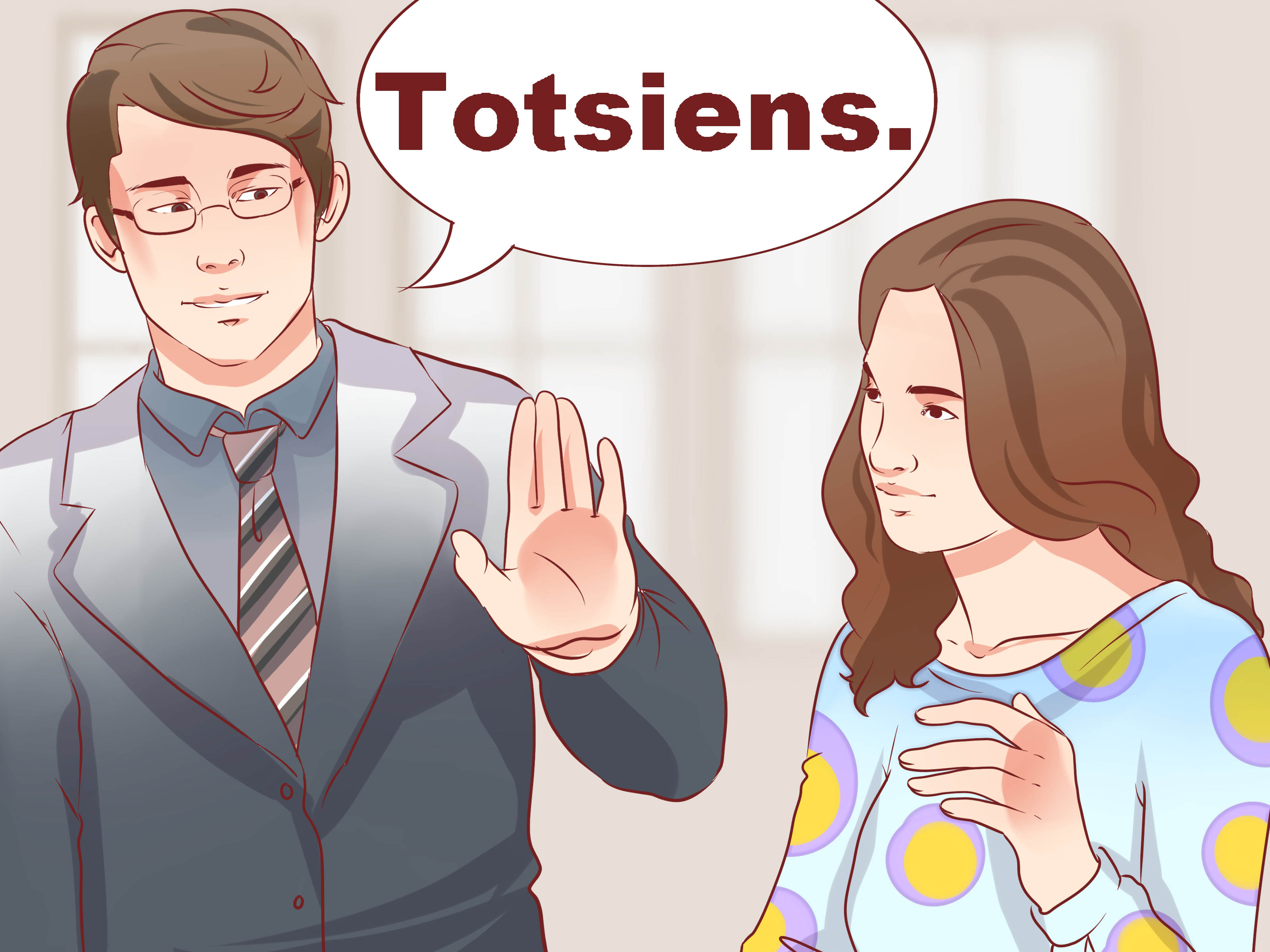
A greeting does not really end until you know how to say goodbye. Fortunately, Afrikaans gives you several useful ways to wrap things up politely.
- Totsiens Goodbye
- Sien jou later See you later
- Lekker dag Have a nice day
- Mooi loop Go well / Walk well
Totsiens is the all-purpose classic. Sien jou later is better for casual situations. Lekker dag adds friendliness and warmth. If you want your Afrikaans greeting game to feel complete, a smooth goodbye is not optional. It is the final bow after the performance.
Useful Mini Conversation Examples
Casual Greeting
A: Hallo! Hoe gaan dit?
B: Goed, dankie. En met jou?
A: Dit gaan goed. Dankie!
Formal Greeting
A: Goeiemôre, Meneer. Hoe gaan dit met u?
B: Baie goed, dankie. En met jou?
A: Goed, dankie.
First Meeting
A: Hallo, ek is Mia. Aangename kennis.
B: Hallo, ek is Daniel. Lekker om jou te ontmoet.
Common Mistakes to Avoid
- Using good night as a hello: Save Goeienag for parting, not opening.
- Ignoring formality: Use u when extra respect is appropriate.
- Speaking too fast: Slow and clear beats fast and confusing every time.
- Forgetting politeness: Asseblief and Dankie make a huge difference.
- Trying to sound perfect immediately: Aim for connection, not theatrical perfection.
Conclusion
Learning how to greet people in Afrikaans is one of the easiest and most rewarding ways to begin connecting with the language. You do not need a giant vocabulary or an accent polished by twenty-seven language apps and a dramatic montage. You need a handful of useful phrases, a sense of when to be formal or informal, and the confidence to use what you know.
Start with Hallo. Add time-based greetings like Goeiemôre and Goeienaand. Ask Hoe gaan dit? when you want to keep the interaction going. Use Dankie, Asseblief, and Totsiens to sound courteous from beginning to end. Once those phrases become comfortable, you will find that greeting people in Afrikaans feels less like memorization and more like real communication.
And that is the real goal. Not to impress people with a perfect pronunciation performance, but to open a conversation with warmth, respect, and sincerity. In any language, that is a powerful first step.
Experiences Related to “How to Greet People in Afrikaans: 9 Steps”
One of the most interesting things about learning Afrikaans greetings is how quickly they move from “study material” to “actual life skill.” Many learners begin with a list of phrases on a screen and assume the whole thing will feel mechanical. Then they use Hallo with a real person, hear a smile in the reply, and suddenly the language stops being an abstract hobby and starts feeling alive.
A common experience for beginners is realizing that the first successful greeting matters more emotionally than grammatically. You might forget half the sentence you planned to say, but if you manage a confident Goeiemôre or a polite Hoe gaan dit?, the conversation often opens in a friendly way. That small success builds momentum. After that, even a shy learner usually feels brave enough to try Dankie, Aangename kennis, or Totsiens the next time.
Another relatable experience is discovering that Afrikaans greetings can feel familiar and unfamiliar at the same time. Some words seem close enough to English or Dutch-related forms that they look approachable. Then the pronunciation arrives, especially that famous throatier g, and suddenly your mouth begins negotiating terms. This is normal. Most learners go through a phase where they sound excellent in their heads and slightly bewildered out loud. The trick is to keep going anyway.
People also notice that greetings teach culture as much as language. For example, choosing between a casual and formal style makes you more aware of age, setting, and social tone. Saying Hoe gaan dit met u? instead of the informal version can completely change how respectful you sound. Adding a title like Meneer or Mevrou often makes the greeting feel more thoughtful. These details may seem small on paper, but in real interactions they can shape the entire mood.
Travelers often describe a very specific kind of delight when a local person responds warmly to an Afrikaans greeting. It is not usually because the phrase was perfect. It is because effort is visible. A person hears that you tried. That simple effort can break tension, invite help, and create a more human moment than walking in with only English and hopeful eyebrows.
There is also the funny side. Many learners report mixing up Goeienaand and Goeienag, or practicing Hoe gaan dit? so intensely that they forget how to answer it when someone asks back. This is practically a rite of passage. Language learning is full of tiny comic moments. The good news is that greetings are forgiving. A smile, a quick correction, and a cheerful Dankie can rescue almost anything.
Over time, repeated use makes the phrases feel more natural. What begins as memorization turns into rhythm. You stop translating every word in your head. You start hearing where the sentence rises, where it softens, and where friendliness naturally fits. That is when greetings become more than a lesson. They become part of how you show respect, curiosity, and connection.
So if you are learning Afrikaans, do not underestimate the power of a greeting. Those first few words can lead to better conversations, stronger cultural awareness, and the satisfying realization that you are no longer just studying the language. You are using it.












