
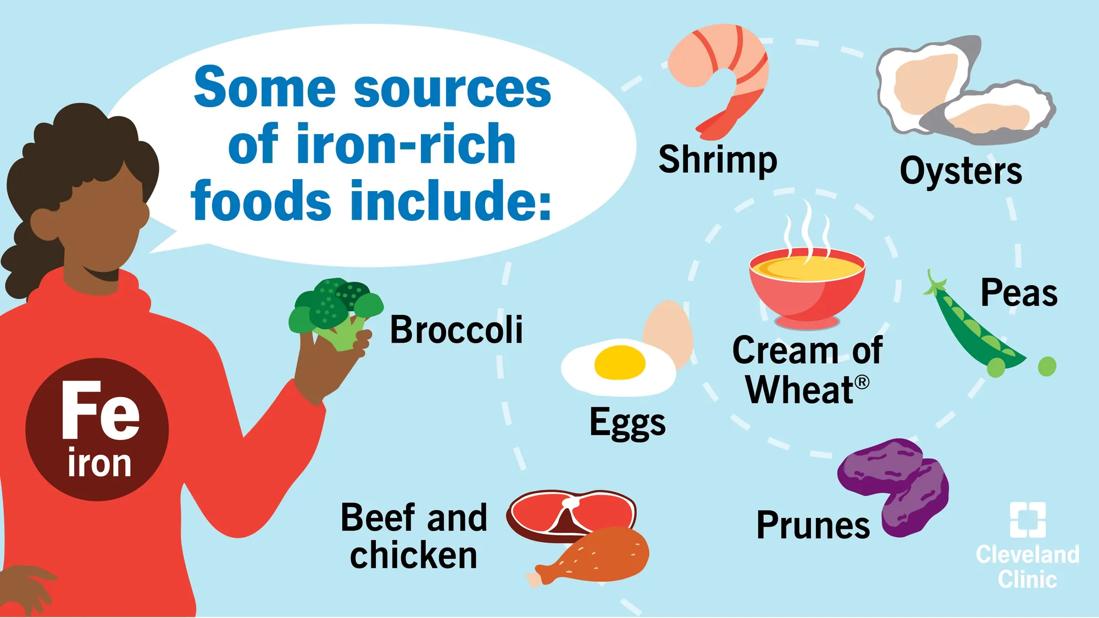
Iron is the quiet overachiever of the nutrition world. It does not get the glamorous reputation of protein or the social-media sparkle of collagen, but it helps your blood carry oxygen throughout your body. Without enough iron, everyday tasks can start to feel like you are doing them while wearing a backpack full of wet towels.
Fortunately, building an iron-rich diet does not require living on steak, kale smoothies, or mysterious brown powders sold by people with very confident eyebrows. There are plenty of delicious foods high in iron, including seafood, lean meats, beans, tofu, leafy greens, fortified grains, seeds, dried fruit, and even dark chocolate. Iron supports hemoglobin production, muscle metabolism, growth, and normal cellular function.
This guide covers 52 foods high in iron, explains how to help your body absorb more of it, and shares realistic meal ideas for people who would rather eat a satisfying dinner than memorize a nutrition textbook.
Why Iron Matters So Much
Iron is a mineral your body uses to make hemoglobin, the protein in red blood cells that carries oxygen from your lungs to the rest of your body. It also helps support myoglobin, a protein that delivers oxygen to muscles. When iron stores run low, some people may develop iron-deficiency anemia, which can cause fatigue, weakness, dizziness, pale skin, headaches, shortness of breath, and feeling cold more often than usual.
Not everyone needs the same amount of iron. Adult men generally need about 8 milligrams daily, while women ages 19 to 50 typically need 18 milligrams. During pregnancy, iron needs rise to 27 milligrams per day. Plant-based eaters may need to pay extra attention to iron intake because plant iron is generally absorbed less efficiently than iron from animal foods.
Heme Iron vs. Non-Heme Iron
There are two main forms of dietary iron:
- Heme iron comes mostly from meat, poultry, and seafood. Your body generally absorbs it more easily.
- Non-heme iron comes from beans, lentils, tofu, grains, nuts, seeds, vegetables, and fortified foods.
Both forms count. Heme iron is the easier houseguest, but non-heme iron is everywhere once you know where to look. Vitamin C can help your body absorb non-heme iron more effectively, which is why a lentil bowl with tomatoes or a tofu stir-fry with bell peppers is more than just a pretty plate.
52 Foods High in Iron to Add to Your Diet
Iron amounts vary by serving size, preparation method, brand, and whether a food is fortified. The foods below are reliable choices to rotate through meals and snacks rather than treating as a rigid ranking. USDA nutrition data and clinical nutrition guidance consistently identify seafood, lean meats, legumes, dark leafy greens, fortified grains, nuts, seeds, and dried fruit as useful dietary iron sources.
Seafood, Meat, and Animal-Based Foods
- Oysters: A standout source of heme iron, zinc, and protein.
- Clams: Small shellfish with a surprisingly serious iron résumé.
- Mussels: A flavorful seafood option for pasta, soups, and stews.
- Sardines: Convenient canned fish that also provides omega-3 fats.
- Mackerel: Rich, oily fish with iron and heart-healthy fats.
- Canned tuna: An easy pantry staple for sandwiches and grain bowls.
- Shrimp: A quick-cooking seafood choice with protein and iron.
- Lean beef: One of the most familiar sources of absorbable heme iron.
- Beef liver: Extremely rich in iron, though it is best enjoyed in sensible portions.
- Turkey: Dark meat tends to provide more iron than very lean white meat.
- Chicken thighs: A juicy, practical iron-containing protein for weeknight meals.
- Pork tenderloin: Lean, versatile, and easy to season with citrus or herbs.
- Lamb: A rich-tasting option that works well in stews, kebabs, and meatballs.
- Venison: A lean game meat that can contribute iron to a balanced diet.
- Eggs: A modest source of iron that fits easily into breakfast, lunch, or dinner.
- Canned salmon: A convenient protein choice that pairs well with leafy greens.
Beans, Lentils, Peas, and Soy Foods
- White beans: One of the most impressive plant-based iron choices in the pantry.
- Lentils: Affordable, filling, and perfect for soups, curries, salads, and tacos.
- Chickpeas: Great roasted for snacks, blended into hummus, or tossed into salads.
- Kidney beans: A classic chili ingredient with fiber, protein, and iron.
- Black beans: Excellent in burrito bowls, black bean soup, and breakfast tacos.
- Pinto beans: Creamy, hearty, and ideal for Mexican-inspired meals.
- Black-eyed peas: A Southern favorite that deserves more than one holiday appearance.
- Split peas: Cheap, comforting, and especially good in thick soups.
- Green peas: A simple freezer staple that adds color and plant-based iron.
- Edamame: Young soybeans that work as snacks, salad toppers, or stir-fry additions.
- Tofu: A flexible protein that happily absorbs sauces, spices, and marinades.
- Tempeh: Fermented soy with a firmer texture and nutty flavor.
Leafy Greens, Grains, and Fortified Staples
- Cooked spinach: A well-known plant source of iron that works in soups, eggs, and pasta.
- Collard greens: Sturdy greens that pair beautifully with beans and smoked paprika.
- Swiss chard: Colorful leaves with a mild earthy flavor and useful iron content.
- Kale: Good in salads, soups, sautéed side dishes, and blended sauces.
- Amaranth: A naturally gluten-free grain-like seed with iron and protein.
- Quinoa: A versatile base for bowls, salads, and breakfast porridge.
- Oats: A breakfast workhorse that becomes more useful with fruit and seeds.
- Iron-fortified breakfast cereal: Check the label; some varieties provide a major share of daily iron needs.
- Cream of Wheat: A warm cereal that can be especially high in iron when fortified.
- Enriched pasta: A familiar dinner option that may contain added iron.
- Whole-wheat bread: A practical supporting source for sandwiches and toast.
- Bran cereal: A crunchy option that can add fiber and iron to breakfast.
Nuts, Seeds, Sweet Ingredients, and Snacks
- Pumpkin seeds: Small but mighty, with iron, magnesium, and satisfying crunch.
- Sesame seeds: Sprinkle them over stir-fries, salads, roasted vegetables, or rice bowls.
- Tahini: Sesame seed paste that makes sauces, dressings, and hummus taste richer.
- Hemp seeds: Easy to scatter over oatmeal, yogurt, salads, and smoothies.
- Cashews: Creamy nuts that work in snacks, sauces, curries, and stir-fries.
- Pistachios: A crunchy snack with protein, healthy fats, and plant-based iron.
- Almonds: A portable option for trail mix, oatmeal, or homemade snack bars.
- Peanuts or peanut butter: Budget-friendly pantry favorites with iron and protein.
- Blackstrap molasses: A deeply flavored sweetener that can add iron to oatmeal or baked goods.
- Dried apricots: A naturally sweet snack that pairs well with nuts and seeds.
- Prunes: Convenient dried fruit with iron and fiber.
- Dark chocolate: A pleasantly dramatic way to get some iron, preferably without treating the entire bar as a serving size.
How to Help Your Body Absorb More Iron
Finding foods high in iron is only part of the job. Absorption matters, especially for people who rely heavily on plant-based foods. A few easy pairing strategies can make a meaningful difference.
Pair Plant Iron With Vitamin C
Vitamin C helps your body absorb non-heme iron. Add strawberries to fortified cereal, squeeze lemon over lentils, serve oranges with a bean salad, or include tomatoes and bell peppers in a tofu bowl. Good vitamin C partners include citrus fruit, kiwi, strawberries, broccoli, potatoes, tomatoes, and sweet peppers.
Build Meals Instead of Chasing One “Magic” Food
A bowl of lentil chili with tomatoes, a spinach salad topped with chicken, or tofu stir-fry with broccoli and red bell peppers gives you multiple ingredients working together. That is much more useful than eating a sad spoonful of pumpkin seeds at 10:47 p.m. and hoping your nutrition problems have been spiritually resolved.
Be Smart About Tea, Coffee, and Calcium
Tea and coffee contain compounds that can reduce iron absorption when consumed with an iron-focused meal. Calcium may also affect iron absorption in some situations. You do not need to fear your morning latte, but if you are trying to improve low iron levels, consider having coffee or tea between meals instead of directly with your iron-rich breakfast or supplement.
Easy High-Iron Meal Ideas
Breakfast
- Iron-fortified cereal with strawberries, orange slices, and pumpkin seeds.
- Oatmeal with blackstrap molasses, raisins, chopped almonds, and berries.
- Egg scramble with spinach, tomatoes, and whole-wheat toast.
Lunch
- Lentil soup with a side salad featuring bell peppers and lemon dressing.
- Black bean burrito bowl with brown rice, salsa, avocado, and cabbage.
- Turkey and spinach sandwich with tomato slices and citrus fruit.
Dinner
- Lean beef stir-fry with broccoli, peppers, and sesame seeds.
- Tofu curry with chickpeas, tomatoes, kale, and quinoa.
- Salmon with sautéed Swiss chard, roasted potatoes, and lemon.
- White bean pasta with tomato sauce, spinach, and a sprinkle of hemp seeds.
Snacks
- Roasted chickpeas with paprika and lemon zest.
- Trail mix with pistachios, cashews, pumpkin seeds, and dried apricots.
- Hummus with red bell pepper strips.
- A square or two of dark chocolate with a handful of almonds.
Can Food Alone Fix Low Iron?
Sometimes improving your diet is enough to support healthy iron intake. But diet is not always the whole story. Heavy menstrual bleeding, pregnancy, frequent blood donation, digestive conditions, gastrointestinal bleeding, certain medications, and weight-loss surgery can all contribute to iron deficiency. Persistent fatigue or shortness of breath should not be self-diagnosed as “probably just a busy week.”
Iron supplements can be helpful in some cases, but they are not harmless candy disguised as a tablet. Too much iron can damage organs, and some people have conditions that cause iron overload. Talk with a qualified healthcare professional before starting an iron supplement, especially if you have symptoms, are pregnant, have a chronic medical condition, or have been told you may have anemia.
Everyday Experiences: What an Iron-Rich Diet Can Look Like in Real Life
Most people do not wake up one morning and announce, “Today, I shall optimize my non-heme iron bioavailability.” They wake up late, look at the fridge, and wonder whether leftover pizza counts as breakfast. That is exactly why an iron-rich eating pattern works best when it fits ordinary life instead of demanding culinary perfection.
For example, someone who normally eats toast and coffee for breakfast might start with a much smaller upgrade: fortified cereal with berries, or oatmeal topped with pumpkin seeds and raisins. The goal is not to transform breakfast into a laboratory experiment. It is simply to make one familiar meal pull a little more nutritional weight. Adding fruit helps bring vitamin C into the picture, while seeds and fortified grains bring in more iron.
Lunch can be where plant-based iron becomes surprisingly easy. A bean-and-rice bowl, lentil soup, or chickpea salad does not need to be bland or “health food” in the depressing sense. Add salsa, tomatoes, lemon juice, roasted peppers, herbs, and a little hot sauce, and suddenly the meal tastes like lunch rather than a punishment assigned by a very strict wellness coach. Beans and lentils also have the bonus of being affordable, filling, and forgiving if you are cooking for a household with different dietary preferences.
Dinner offers another opportunity to mix iron sources instead of relying on one food. A person who eats meat might choose lean beef once in a while, toss spinach into pasta sauce, or add turkey to a chili with beans. Someone following a vegetarian or vegan diet might use tofu, tempeh, lentils, chickpeas, quinoa, and seeds throughout the week. The practical lesson is variety. Eating the same “healthy” meal every day is one of the fastest ways to become emotionally invested in a drive-thru menu.
Snack habits can change, too. Instead of treating snacks as random handfuls of whatever is nearest, a person can keep pumpkin seeds, pistachios, roasted chickpeas, dried apricots, or hummus available. These foods are easy to bring to work, school, or travel days. Pairing hummus with bell pepper strips or dried fruit with nuts gives the snack more staying power than a vending-machine cookie that tastes faintly of regret.
Another real-world experience is learning that timing can matter. Someone who drinks coffee or tea with every meal may not need to quit either one forever. They can simply move that drink away from the meal they want to make especially iron-focused. Small adjustments often feel more sustainable than dramatic rules. This approach also leaves room for cultural foods, family recipes, restaurant meals, and the occasional dessert that is eaten because life is short and cake exists.
The biggest success usually comes from consistency, not intensity. An iron-rich eating pattern can look like fortified cereal on Monday, lentil soup on Tuesday, tacos with black beans on Wednesday, salmon and greens on Thursday, tofu stir-fry on Friday, and a comforting bowl of chili over the weekend. That is not a restrictive diet. It is simply a more thoughtful way to stock the pantry, plan meals, and give your body more of a nutrient it genuinely needs.
Final Takeaway
The best foods high in iron are not limited to one food group or one expensive grocery aisle. Seafood, lean meat, beans, lentils, tofu, leafy greens, fortified cereals, nuts, seeds, dried fruit, and dark chocolate can all help support your iron intake. Focus on variety, pair plant-based iron with vitamin C-rich foods, and speak with a healthcare professional if you have symptoms of iron deficiency or are considering supplements.
Note: This article is for general nutrition education and is not a substitute for medical advice, diagnosis, or treatment. Seek professional care for ongoing fatigue, shortness of breath, unusual bleeding, suspected anemia, or questions about iron supplementation.














