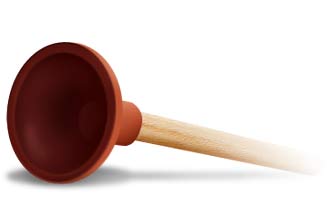
There are household objects we appreciate because they are beautiful: a polished coffee table, a perfect reading lamp, a refrigerator that does not sound like a haunted submarine. Then there are household objects we appreciate because they appear at the exact second civilization is about to collapse. A plunger belongs proudly in the second group.
“A plunger when you really need one” sounds almost too small to be awesome until the moment arrives. Then suddenly, that rubber cup on a stick becomes a heroic rescue device, a bathroom peace treaty, and the difference between “minor inconvenience” and “why is there a towel dam around the toilet?” Inspired by the spirit of 1000 Awesome Things, this article celebrates one of life’s least glamorous but most deeply appreciated miracles: finding a plunger exactly when panic starts filling the bowl.
The Tiny Household Hero Nobody Wants to Talk About
A plunger is not the kind of tool people brag about owning. Nobody gives a house tour and says, “And here, tucked behind the toilet, is my finest rubber-based emergency technology.” Yet when a toilet hesitates, gurgles, or starts rising with the confidence of a villain in a movie sequel, the plunger instantly becomes the most important object in the room.
That is why this topic works so well as an “awesome thing.” It turns an ordinary bathroom tool into a symbol of relief. It is not about plumbing alone. It is about the emotional roller coaster of being seconds away from disaster and discovering that help is already waiting behind the door, in the cabinet, or beside the toilet like a humble knight holding a wooden handle.
Why a Plunger Feels So Awesome in the Moment
1. It Gives You Immediate Control
Bathroom clogs create a special kind of panic because they move fast. One second, everything seems normal. The next, water is climbing the bowl like it has an appointment upstairs. In that moment, a plunger offers something powerful: action. You are no longer just staring, bargaining, or whispering, “Please, no.” You have a tool, a plan, and a fighting chance.
The best part is that a plunger is simple. No app update. No complicated instruction manual. No login. No subscription. Just rubber, pressure, water, and determination. When the seal is right and the clog finally gives way, the sense of victory is wildly out of proportion to the task. You did not win an Olympic medal, but emotionally, it is close.
2. It Saves Money, Time, and Dignity
Calling a plumber is sometimes necessary, especially when a clog is deep, repeated, or caused by a foreign object. But for many common toilet clogs, the right plunger can solve the problem before the situation turns expensive. It can also save you from awkward conversations, late-night hardware store runs, and the deeply uncomfortable experience of explaining to a guest why the bathroom is “temporarily unavailable.”
A plunger also protects dignity in social situations. At home, a clog is annoying. At someone else’s house, it becomes a suspense thriller. At work, it becomes a secret mission. At a date’s apartment, it becomes a test of character, luck, and whether the bathroom has a cabinet. When a plunger is already there, accessible but discreet, it lets people handle the problem privately. That is not just practical. That is polite.
The Right Plunger Matters More Than Most People Think
Not all plungers are created equal. The classic flat-bottom cup plunger is the one many people picture first, but it is generally better for flat drains such as sinks and tubs. For toilets, the star of the show is usually the flange plunger, which has a fold-out rubber extension designed to fit into the toilet drain and create a stronger seal.
That seal is the magic. A plunger works by moving water and pressure against the blockage. If the seal is weak, the pressure escapes and you mostly create splashes, frustration, and regret. If the seal is strong, the push-and-pull motion can help move the clog through the trapway. In plain English: the plunger needs to hug the drain like it means it.
Cup Plunger vs. Flange Plunger
A cup plunger has a simple rubber dome. It can work well on flat surfaces because the cup can sit evenly over the drain. A toilet bowl, however, is curved and awkward, because of course it is. A flange plunger adds a rubber sleeve or flap that fits into the toilet opening, making it easier to form suction where a flat cup may struggle.
There are also accordion and beehive-style plungers. Accordion plungers can create strong pressure, though their harder plastic can be less forgiving on porcelain if handled carelessly. Beehive plungers are designed to fit many toilet shapes, including some newer high-efficiency toilets. For most homes, a good flange or beehive toilet plunger is the practical choice.
How to Use a Plunger Without Turning the Bathroom Into a Splash Zone
When the toilet is clogged, the first rule is simple: do not keep flushing. Repeated flushing can make an already tense situation worse, especially if the bowl is near the top. If water is rising, stop and focus on preventing overflow. Many toilets have a shutoff valve near the wall behind the toilet. Turning it clockwise can stop more water from entering the tank. You can also remove the tank lid and close the flapper to prevent more water from rushing into the bowl.
Next, prepare the area. Move bath mats, grab gloves, and place old towels or paper towels nearby. If the bowl is extremely full, wait for the water level to drop or carefully remove some water with a container you are prepared to clean thoroughly afterward. The water level should be high enough to cover the rubber cup of the plunger, because water helps transfer pressure better than air.
A Simple Plunging Method
- Use a toilet plunger, preferably a flange plunger.
- Place the flange into the toilet drain opening.
- Tilt the plunger slightly at first to let trapped air escape.
- Press down gently to create a seal.
- Begin with a slow push, then use firm, steady up-and-down motions.
- Keep the seal intact while plunging.
- After several strong pumps, lift the plunger and see whether the water drains.
- Flush only after the bowl has returned to a safe water level.
The goal is not to attack the toilet like you are churning butter in a panic barn. The goal is controlled pressure. Start gently, build force, and keep the plunger vertical. If you break the seal every two seconds, the tool cannot do its job. If you keep the seal, the pressure can work where it matters.
What Not to Do During a Toilet Emergency
Plunger panic often leads to creative decision-making, and not all creativity belongs in the bathroom. One major rule: do not mix chemical drain cleaners with plunging. If harsh chemicals splash back, they can injure skin or eyes and may damage surfaces. A plunger is a physical tool; let it do physical work without turning the bowl into a chemistry experiment.
Another rule: do not flush random items and hope the plumbing “figures it out.” Toilets are not trash cans with water features. Public utilities repeatedly warn that wipes, paper towels, cotton swabs, dental floss, feminine hygiene products, and grease can create serious blockages. Even products labeled “flushable” may not break down like toilet paper in real plumbing and sewer systems.
For prevention, remember the simple rule: flush human waste and toilet paper only. That advice may not sound glamorous, but neither does mopping up an overflow while questioning every decision you have made since breakfast.
When a Plunger Is Not Enough
A plunger is awesome, but it is not magic. If repeated plunging does not work, the clog may be deeper in the line, caused by a foreign object, or connected to a larger plumbing issue. A toilet auger can help with some stubborn toilet clogs, but it must be used carefully to avoid scratching the porcelain. If multiple drains are backing up, sewage odors appear, water returns after draining, or clogs happen repeatedly, it is time to call a professional.
There is no shame in calling a plumber. The shame is pretending everything is fine while the bathroom floor becomes a shallow indoor pond. A good rule is to try the safe basics first, then stop before you make the problem bigger, messier, or more expensive.
The Social Genius of Keeping a Plunger Nearby
For hosts, a plunger should be available but not presented like a centerpiece. Guests do not want to ask where it is. Nobody wants to leave a dinner party, tap the host on the shoulder, and say, “Wonderful lasagna, quick question about emergency suction tools.” Keeping a clean plunger in a discreet holder, cabinet, or bathroom closet is a small act of kindness.
The same goes for offices, rental homes, vacation cabins, restaurants, and guest bathrooms. A plunger is one of those things people notice only when it is missing. When it is present, it quietly protects everyone from embarrassment. That is practical hospitality. It says, “We believe in preparedness, privacy, and the continued dryness of this floor.”
Why This Fits the 1000 Awesome Things Mindset
The magic of 1000 Awesome Things is noticing everyday relief. It celebrates tiny wins: the exact change, the good parking spot, the lucky save, the humble moment that briefly makes life feel generous. A plunger when you really need one belongs in that universe because it transforms dread into relief almost instantly.
The moment before finding a plunger is all stress. The moment after finding one is hope. And the moment after the clog clears? Pure, ridiculous joy. You might even stand there for a second, listening to the water drain, feeling like a licensed professional despite having no certification except courage and proximity to rubber.
The Psychology of Bathroom Relief
Part of what makes a plunger so emotionally satisfying is that it solves a problem people deeply do not want to discuss. A clogged toilet is private, urgent, and slightly comic after the danger passes. It brings out a universal human experience: everyone uses bathrooms, everyone wants them to work, and nobody wants a plumbing event to become a public announcement.
That is why the plunger becomes symbolic. It is preparedness in its least glamorous form. It is adulthood hiding behind the toilet. It is the small object that says, “Relax. We have handled worse.” In a world full of smart devices and expensive gadgets, the plunger remains beautifully analog. It does not need Wi-Fi. It does not track your data. It just waits patiently for the least convenient moment of your week.
Buying and Storing a Plunger the Smart Way
If you are setting up a home, do not wait until you need a plunger to buy one. That is like buying a parachute after jumping. Choose a sturdy toilet plunger with a flange or beehive shape, a comfortable handle, and a holder that allows the rubber to dry. Good airflow matters because trapped moisture can create odors.
It is also wise to keep separate plungers for toilets and sinks. This is not snobbery; this is sanitation. A toilet plunger has seen things your kitchen sink does not need to know about. Label them mentally, store them separately, and maintain peace between the plumbing kingdoms.
Cleaning the Plunger After Victory
After the clog clears, the story is not quite over. Rinse the plunger in clean toilet water by flushing once the bowl is draining normally, then disinfect it according to the cleaning product directions you use at home. Let it dry as much as possible before returning it to storage. A covered holder with ventilation is better than a sealed container that traps moisture and odors.
This is the unglamorous victory lap. You solved the problem, protected the floor, and restored the bathroom to civilization. Now clean the hero and put it back in its lair.
Conclusion: The Plunger Is Proof That Awesome Can Be Practical
A plunger when you really need one is awesome because it arrives at the exact intersection of panic and possibility. It is cheap, simple, effective, and deeply underappreciated until the bowl starts rising. It can rescue a quiet evening, save a party, protect a guest from embarrassment, and turn a household emergency into a manageable chore.
The next time you see a plunger tucked modestly beside a toilet, give it a little respect. Not a salute, necessarily. That might be too much. But a nod? Absolutely. Because when the bathroom soundtrack changes from “normal flush” to “ominous gurgle,” that rubber cup on a stick may become the most awesome thing in the house.
Extra Experience Section: Real-Life Moments That Make a Plunger Feel Like a Superhero
Everyone has a plunger story, even if they would rather file it under “classified information.” Maybe it happened during a family gathering, when the house was full, the bathroom line was long, and one suspicious flush suddenly made the room go silent. You know that silence. It is not peaceful. It is the silence of someone realizing the toilet has chosen violence. In that moment, opening the cabinet and finding a plunger feels like discovering a fire extinguisher during a birthday-candle accident.
One common experience is the guest bathroom rescue. You are visiting someone’s home, trying to be polite, moving through the evening like a civilized person, and then the toilet does something dramatic. The panic is immediate. You look around for solutions with the focus of a detective in a crime show. Cabinet? Nothing. Behind the toilet? Cleaning spray, extra paper, no plunger. Under the sink? More soap than any human needs. Then, finally, behind the door, there it is. The plunger. Suddenly you are not a helpless guest anymore. You are a quiet problem-solver with a mission.
Another classic experience happens at home late at night. The house is asleep, the hallway is dark, and the toilet decides this is the perfect time for a plumbing cliffhanger. You are tired, maybe wearing socks, which makes the stakes even higher because nobody wants emergency bathroom water near socks. You reach for the plunger, create the seal, plunge carefully, and after a few tense seconds, the water drops. The relief is so strong you almost want to whisper, “We did it,” to the plunger like it is a loyal teammate.
Parents know a different version of this story. Children are creative flushers. They may believe toilets can process half a roll of toilet paper, a toy, or something described only as “I wanted to see what would happen.” What happens, of course, is that an adult enters with gloves, towels, and the thousand-yard stare of someone who has been here before. In those moments, the plunger is not just a tool. It is part of the parenting kit, right beside snacks, patience, and the ability to say “Please stop doing that” in seventeen emotional tones.
Renters and first-time homeowners also learn the plunger lesson quickly. Many people remember buying furniture, dishes, bedding, and maybe a fancy candle before realizing they forgot the most important emergency tool in the bathroom. The first clog changes priorities forever. After that, a plunger is not optional. It is a home essential, like batteries, a flashlight, and knowing where the shutoff valve is.
The funniest part is how a plunger makes people feel skilled. You may not know how to repair a pipe, replace a wax ring, or explain what a trapway is without Googling it. But when the water drains after a successful plunge, you feel capable. Handy, even. You wash your hands, stand a little taller, and return to normal life with the quiet confidence of someone who has faced the porcelain abyss and won.
That is why “a plunger when you really need one” deserves its place among awesome things. It is not fancy. It is not decorative. It will never be the star of a lifestyle magazine spread unless the theme is “Emergency Preparedness With Mild Embarrassment.” But when you need it, truly need it, there is nothing more beautiful than that humble rubber hero waiting within reach.