A fireplace has one job: convince everyone in the room that life is under control, even if the laundry is plotting a hostile takeover upstairs. The right fire log makes that illusion much easier. Instead of wrestling with damp wood, hunting for kindling, or performing ancient lighter-fluid rituals that should not be attempted by anyone with eyebrows, today’s best tested fire logs offer quick lighting, steady flames, less mess, and long-lasting ambience.
Whether you want a cozy indoor fire for movie night, a low-smoke backyard glow for guests, or a fire pit centerpiece that keeps the conversation warm after the snacks disappear, manufactured fire logs can be a smart alternative to traditional cordwood. They are not all the same, though. Some are built for long burn time, some for cleaner performance, some for crackle and realism, and some specifically for outdoor roasting.
This guide breaks down what makes the best fire logs worth buying, which types perform best in real-world use, and how to choose the right log for your fireplace, fire pit, or campfire setup without turning your living room into a smokehouse restaurant.
What Are Fire Logs, Exactly?
Manufactured fire logs are compressed fuel logs typically made from sawdust, recycled wood fibers, agricultural fibers, nutshells, coffee grounds, waxes, or other combustible binders. Unlike a split oak log from the woodpile, a fire log is engineered to light easily and burn in a predictable way. That predictability is the main attraction. You light the wrapper or designated lighting points, step back, and let the log do its cozy little performance.
The best fire logs are designed to reduce the usual fireplace hassles: smoky starts, uneven flames, dirty ash, and constant poking. Many are individually wrapped for clean storage, and most popular indoor logs are intended to be burned one at a time. That last detail matters. Fire logs are not just “fake firewood.” They behave differently because wax or other binders control the burn pattern.
Why Choose Fire Logs Over Traditional Wood?
Traditional firewood has charm. It smells rustic, looks beautiful stacked by the hearth, and gives you a valid reason to own an axe. But it also has flaws. Firewood needs to be seasoned properly, stored correctly, protected from moisture, and selected carefully. Wet wood burns poorly, creates more smoke, and can contribute to creosote buildup. A fire log skips much of that drama.
Good fire logs light faster, burn more consistently, and produce less ash than a typical wood fire. They are also easier to transport and store. For apartment-style patios, suburban fire pits, occasional fireplace users, and anyone who wants ambience without becoming a part-time lumberjack, they can be wonderfully practical.
The biggest benefits
The top advantages are convenience, controlled burn time, lower mess, and dependable flame quality. A 3-hour or 4-hour log can cover an entire evening without constant refueling. That makes fire logs ideal for dinner parties, reading nights, holiday gatherings, and “I deserve this” Tuesdays.
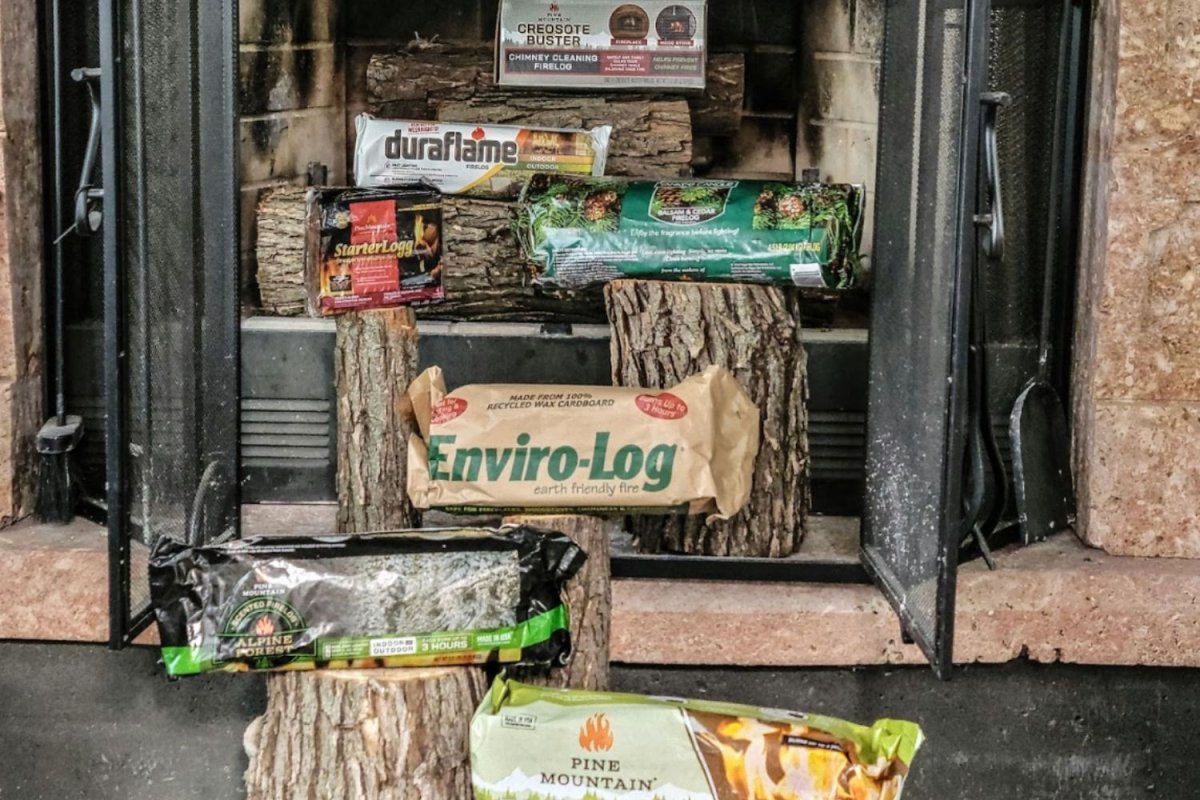
Best Tested Fire Logs for Long-Lasting Ambience
The best choice depends on how you plan to use the fire. Indoor fireplaces need logs approved for that setting. Outdoor fire pits may benefit from larger flames and lower smoke. Campfire cooking requires logs specifically designed and tested for roasting food. Below are the standout categories to consider.
Best Overall: Duraflame Indoor/Outdoor Fire Logs
Duraflame is one of the most familiar names in manufactured fire logs, and for good reason. Its indoor/outdoor logs are easy to light, widely available, and built for predictable ambience. Many 4.5-pound Duraflame fire logs are designed to burn for up to three hours in an indoor fireplace, making them a strong pick for anyone who wants a simple, no-fuss evening fire.
These logs are especially useful for casual fireplace users. You do not need kindling, newspaper towers, or the patience of a wilderness guide. Light the wrapper as directed, wait a few minutes, and the log develops into a steady flame. They also create less ash than a typical cordwood fire, which means cleanup is more “quick sweep” and less “archaeological dig.”
Choose Duraflame indoor/outdoor logs if you want a reliable all-purpose fire log for fireplaces, outdoor fireplaces, or fire pits. They are not the most rustic option, but they are consistent, convenient, and easy to recommend.
Best Long-Burning Fire Log: Pine Mountain 4-Hour Fire Log
If your goal is maximum burn time, Pine Mountain 4-Hour Fire Logs deserve attention. These logs are designed for extended fires and often appeal to people who want a longer evening burn without adding more fuel. Retail product details commonly list a burn time of up to four hours, and independent testing has found that the log can perform impressively when used according to directions.
Pine Mountain’s clean-burn technology is another reason it stands out. The brand’s traditional fire logs are marketed as cleaner-burning than cordwood, with reduced particulate matter and carbon monoxide compared with regular wood fires. They are made with renewable and recycled biomass materials such as hardwood sawdust and nutshells, giving them a more resource-conscious profile than freshly cut firewood.
This is the log to buy when you want long-lasting ambience for a full movie, a relaxed dinner, or a holiday living room scene where the fireplace quietly does its job in the background like a very warm stage actor.
Best for Outdoor Roasting: Duraflame OUTDOOR Fire Logs
Not every manufactured fire log is safe for cooking, so this category deserves a flashing neon warning sign. If you want marshmallows, hot dogs, or s’mores, choose a product specifically designed and tested for roasting campfire foods. Duraflame OUTDOOR Fire Logs fit that purpose.
These logs are made from 100% renewable resources, including recycled and renewable wood and agricultural fibers combined with bio-derived waxes. They are designed for outdoor fires, campfires, beach fires where allowed, and backyard fire pits. They also produce less smoke and emissions than regular wood fires, which is excellent news for the person sitting downwind, otherwise known as “the chosen victim.”
Use these when food is part of the plan. Do not assume a standard indoor fire log is appropriate for roasting. If the package does not clearly say it is made and tested for cooking or roasting, save the snacks for a proper outdoor roasting log or natural hardwood coals.
Best Aromatic Option: Pine Mountain Java-Log
Pine Mountain Java-Log brings a fun twist to the fire log category by incorporating the cozy aroma of coffee. It is designed to light easily and create bright flames with a warm, inviting scent. For people who love the smell of a coffee shop almost as much as the glow of a fireplace, this is a charming option.
The Java-Log is especially appealing for outdoor use, where the coffee fragrance can spread without becoming too concentrated indoors. It is a good pick for patios, backyard gatherings, and cool evenings when you want the fire to feel slightly more special than usual. Think of it as ambience with a caffeine-adjacent personality.
Best Realistic Crackle: Crackling Fire Logs
Some people want a fire that looks clean and controlled. Others want the full fireplace soundtrack: snap, pop, crackle, and the occasional dramatic spark noise that makes everyone glance up from their phones. Crackling fire logs are designed to mimic the sound of traditional wood.
Duraflame Crackleflame and similar products are good options if you want a more authentic sensory experience. The sound adds atmosphere, especially during holidays or quiet winter nights. Just remember that realistic crackle does not mean “treat it like real wood.” Follow the fire log’s instructions, burn one log at a time when directed, and use a fireplace screen.
How to Choose the Best Fire Log
Before buying a box, match the fire log to your appliance, your setting, and your expectations. The best tested fire logs are not automatically interchangeable. A log meant for an open masonry fireplace may not be suitable for a wood stove. A log meant for ambience may not be suitable for cooking. A log meant for a large outdoor fire pit may be too intense for a small chiminea.
1. Check indoor or outdoor approval
Always read the label. Some fire logs are approved for indoor fireplaces, outdoor fireplaces, fire pits, and campfire rings. Others have more limited uses. Pine Mountain, for example, says its traditional and specialty fire logs are designed for traditional wood-burning fireplaces and outdoor fire pits, not airtight wood stoves. That distinction is important for safety and performance.
2. Compare burn time honestly
Burn time is a helpful guide, but it is not a magic contract signed by the flame. Airflow, outdoor wind, fireplace design, and how the log is positioned can affect performance. A 4-hour log may burn shorter in a windy fire pit and longer in a protected fireplace. Use advertised burn time as a realistic estimate, not a stopwatch challenge.
3. Think about smoke and emissions
Cleaner-burning fire logs can be a better choice than damp or poorly seasoned firewood, but no real flame is completely impact-free. Wood smoke and fireplace emissions still require proper ventilation. The EPA notes that fireplaces can emit harmful air pollution, even though fireplaces are regulated differently from wood heaters. In plain English: the fire may be charming, but your chimney still needs to work.
4. Decide whether food is involved
This is simple: only cook over logs specifically labeled for cooking or roasting. Many standard fire logs are not recommended for food. If s’mores are on the menu, buy outdoor roasting logs or use natural, properly seasoned hardwood and wait for suitable coals. Your marshmallow deserves better than mystery residue.
5. Consider storage and handling
Individually wrapped logs are cleaner to store and easier to carry. They are great for homes where the fireplace is used occasionally. Keep fire logs in a cool, dry place away from children and pets. Even if the ingredients are not especially exotic, they are still fuel products, not chew toys, snacks, or modern art.
Fire Log Safety Tips You Should Not Skip
A good fire log makes things easier, but it does not replace basic fire safety. Before the first fire of the season, have your chimney inspected. The Chimney Safety Institute of America recommends annual chimney checks to help prevent chimney fires and carbon monoxide problems. That is not the glamorous part of fireplace ownership, but neither is explaining smoke damage to your insurance company.
Burn one manufactured log at a time
Most indoor fire logs are formulated for single-log use. Do not stack several together unless the product specifically instructs you to do so. More logs do not mean more cozy. They may mean more heat than your fireplace is designed to handle.
Do not break or poke burning fire logs
Manufactured logs are engineered to burn in a particular shape. Breaking one apart can change the burn rate and increase flare-ups. Poking can also move burning wax or hot fuel where you do not want it. Let the log burn naturally, like a tiny disciplined bonfire with a schedule.
Use a fireplace screen
A screen helps keep sparks and embers inside the fireplace. This is especially useful with crackling logs or any fire that produces lively flames. Keep furniture, rugs, curtains, kindling, decorations, and suspiciously flammable holiday crafts well away from the hearth.
Keep carbon monoxide and smoke alarms working
Every home with a fireplace should have working smoke alarms and carbon monoxide alarms. Test them regularly and replace batteries or units according to manufacturer guidance. A cozy fire should come with peace of mind, not a guessing game.
Avoid alcohol-fueled tabletop fire pits
Fire logs are not the same as alcohol or liquid-fuel tabletop fireplaces. The U.S. Consumer Product Safety Commission has warned consumers about certain liquid-burning fire pits because of flame jetting and severe burn hazards. If you want ambience, choose a properly installed fireplace, approved fire pit, electric fireplace, or tested solid-fuel fire lognot a tiny open bowl of liquid fuel trying to audition for a disaster movie.
Fire Logs vs. Firewood: Which Creates Better Ambience?
For pure romance, seasoned hardwood still has fans. Oak, maple, hickory, and ash can create beautiful flames and long-lasting coals when properly dried. But firewood demands more work. It needs seasoning, storage, stacking, and careful moisture control. The EPA recommends burning wood with moisture content under 20 percent for cleaner, more efficient fires.
Fire logs win on convenience. They are better for people who want a quick, predictable fire without managing a woodpile. They also reduce the mess of bark, bugs, splinters, and ash. If your fireplace is mostly for ambience rather than serious heating, a manufactured fire log may be the more practical choice.
The best approach may be seasonal. Use fire logs for easy weekday ambience and properly seasoned hardwood for longer traditional fires when you have time to build and tend them. Your fireplace does not need brand loyalty. It needs safe fuel and a responsible human nearby.
Common Mistakes to Avoid
Using fire logs in the wrong appliance
Never assume a fire log is safe for a wood stove, insert, chiminea, or enclosed appliance unless the package specifically says so. Airtight appliances can create different temperatures and airflow patterns that may not match the log’s design.
Adding a fire log to an existing wood fire
Many manufacturers advise against adding a manufactured log to an active wood fire. The additional fuel can cause sudden flare-ups. If you want to switch fuel types, wait until the existing fire is fully out and the fireplace is safe to relight.
Cooking over regular fire logs
Standard fire logs are for flames and ambience, not dinner. Use roasting-approved logs or natural wood coals. Your hot dog should not taste like a hardware aisle.
Ignoring local burn rules
Some regions restrict burning during air-quality advisories, dry weather, or fire-danger periods. Always check local rules before lighting an outdoor fire. “But the vibes were immaculate” is not a legal defense.
Our Practical Buying Recommendations
For most homes, start with a reliable 3-hour indoor/outdoor fire log from a major brand such as Duraflame. It offers the best balance of convenience, availability, and steady ambience. For longer evenings, choose Pine Mountain 4-Hour Fire Logs. For backyard cooking and s’mores, choose Duraflame OUTDOOR Fire Logs or another product clearly labeled for roasting. For scent and novelty, try Pine Mountain Java-Log outdoors. For classic fireplace sound, select a crackling fire log.
Buy a small pack first before committing to a large case. Fireplaces vary, and so do personal preferences. Some people love a bright, fast flame. Others prefer a slower, longer burn. Some want crackle. Some want low smoke. Some just want the dog to stop judging them for failing to light real wood. Testing a few options is the easiest way to find your favorite.
Real-Life Experience: What It Feels Like to Use Long-Lasting Fire Logs
The first thing most people notice about a quality fire log is the relief. There is no messy bundle of kindling, no bark crumbs across the floor, and no frantic search for the one dry piece of newspaper left in the house. You place the log in the fireplace, light the marked wrapper, and within minutes the room begins to change. The light softens. The shadows move. People instinctively gather closer. Even the most ordinary living room starts acting like it belongs in a holiday movie.
Long-lasting fire logs are especially useful when hosting guests. With regular wood, someone usually becomes the unofficial fire manager, poking, rearranging, adding logs, opening the screen, closing the screen, and slowly turning into a medieval blacksmith. With a manufactured 3-hour or 4-hour log, the fire becomes background magic. You can serve drinks, finish dinner, play cards, or sit through an entire movie without constantly tending the flames.
Another pleasant surprise is the cleanup. A traditional wood fire can leave a deep bed of ash, chunks of charred wood, and a smoky smell that lingers like an unwanted houseguest. Fire logs generally burn down more neatly. There is still ash, of course, because physics refuses to take the evening off, but there is usually less mess to manage. For occasional fireplace users, that alone can make the switch worthwhile.
Outdoor use has its own charm. A good fire log in a backyard fire pit creates a quick gathering point. Friends arrive, someone brings a blanket, someone else claims they are “not cold” while standing six inches from the flames, and suddenly the evening has a center. Outdoor roasting logs add even more fun because they make s’mores simple. The key is choosing logs specifically tested for roasting, then following the directions carefully.
The best experience comes from setting expectations. Fire logs are not identical to a roaring pile of oak. Some produce smaller flames. Some prioritize burn time over drama. Some are cleaner and steadier but less wild-looking than cordwood. That is not a flaw; it is the point. A fire log is engineered ambience. It gives you the glow, warmth, and comfort of a fire with fewer chores attached.
For quiet nights, a long-burning log pairs beautifully with reading, soft music, or doing absolutely nothing in a way that feels productive because there is fire involved. For families, it creates a cozy ritual without requiring everyone to learn fire-building techniques. For couples, it adds atmosphere without the comedy sketch of trying to light damp wood while pretending everything is going perfectly.
After using several types, the practical lesson is clear: keep different logs for different occasions. A 3-hour indoor log is perfect for weeknights. A 4-hour log is ideal for holidays or longer gatherings. A roasting-approved outdoor log belongs with the camping gear or patio supplies. A scented or crackling log is fun when atmosphere matters more than heat. Once you match the log to the moment, the fireplace becomes easier to enjoy and much harder to ignore.
Conclusion
The best tested fire logs make fireplace ambience easier, cleaner, and more predictable. They are not a perfect replacement for every traditional wood fire, but they are an excellent solution for modern homes where convenience matters. Choose Duraflame indoor/outdoor logs for dependable everyday fires, Pine Mountain 4-Hour logs for long-lasting ambience, Duraflame OUTDOOR logs for roasting, and specialty options like Java-Log or crackling logs when you want extra personality.
Above all, use fire logs safely. Read the label, burn them only in approved appliances, avoid cooking over standard logs, maintain your chimney, and keep smoke and carbon monoxide alarms working. Do that, and your fireplace can deliver exactly what you wanted in the first place: warmth, glow, comfort, and the quiet satisfaction of enjoying a beautiful fire without fighting a pile of damp wood like it owes you money.