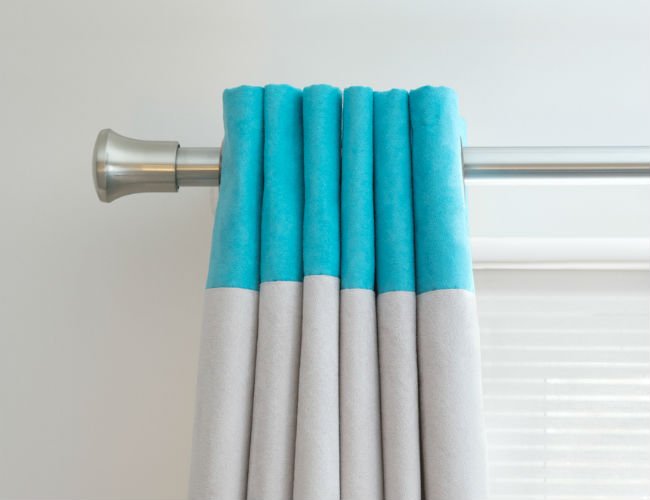
Hanging curtains sounds simple until you are standing on a ladder, holding a rod in one hand, a pencil in the other, and silently negotiating with your ceiling, window trim, and sense of dignity. The good news: there is a practical rule that works in most homes. Hang curtains at least 4 to 6 inches above the window frame, and whenever the room allows it, go higher to make the window look taller, the ceiling feel loftier, and the whole space appear more finished.
That one measurement can change everything. Curtains hung too low can make a beautiful room look a little tired, like it dressed in a hurry. Curtains hung high and wide, on the other hand, create the decorator-approved illusion of height, balance, and generosity. The window looks larger. More daylight slips in. The wall feels intentional instead of interrupted. In other words, your curtains stop looking like an afterthought and start acting like architecture.
This guide solves the big questionhow high to hang curtains above windowswhile also covering rod width, curtain length, room proportions, special windows, renter-friendly options, and common mistakes. By the end, you will know exactly where to place your curtain rod without turning your wall into Swiss cheese.
The Quick Answer: Hang Curtains 4 to 6 Inches Above the Window
For most standard rooms, the best curtain rod height is 4 to 6 inches above the top of the window frame. This is the classic, reliable placement because it creates visual lift without looking exaggerated. It also leaves enough room for brackets, finials, rings, and fabric headers.
However, “4 to 6 inches” is not a law handed down by the Curtain Council of America. It is a starting point. If your ceiling is tall, your trim is low, or your room needs a more dramatic look, you can mount the rod higher. Many designers prefer placing the rod halfway to two-thirds of the distance between the top of the window and the ceiling. In rooms with 8-foot ceilings, hanging curtains close to the ceiling can often make the space feel taller and more polished.
A Simple Formula That Works
Use this easy rule:
- Standard ceiling: Mount the rod 4 to 6 inches above the window frame.
- Low ceiling: Mount the rod as close to the ceiling or crown molding as possible while leaving room for hardware.
- Tall ceiling: Mount the rod 6 to 12 inches above the frame, or about two-thirds of the way between the window and ceiling.
- Very tall wall: Avoid placing the rod awkwardly high unless the curtain length supports it. Proportion matters.
The goal is to make the window look taller without making the curtains seem like they are floating in the wrong zip code.
Why Hanging Curtains Higher Makes a Room Look Better
Curtains are not just fabric panels. They are visual tricks with hems. When you mount the rod above the window, the eye reads the entire curtain panel as part of the window’s height. This makes the window appear taller than it really is. The effect is especially useful in small bedrooms, apartments, older homes with compact windows, and living rooms that need a little vertical drama.
High Curtains Create the Illusion of Taller Ceilings
A curtain rod installed directly on top of the window frame visually chops the wall into sections. A higher rod pulls the eye upward, making the ceiling feel taller. This is one of the easiest design upgrades you can make without painting, remodeling, or pretending you enjoy drywall dust.
High and Wide Curtains Let in More Light
Height is only half the story. Width matters too. When the curtain rod extends beyond the window frame, the open curtain panels can stack on the wall instead of covering the glass. That means more natural light, a bigger-looking window, and fewer gloomy corners. Your plants will appreciate it. Your selfies might, too.
They Make Ready-Made Curtains Look Custom
Custom drapery can be expensive, but smart placement can make store-bought curtains look far more tailored. A properly mounted rod, floor-length panels, and enough fabric fullness can turn basic curtains into something that looks intentionally designed.
How Wide Should the Curtain Rod Be?
Once you know the height, decide the rod width. A good rule is to extend the curtain rod 4 to 6 inches beyond each side of the window frame. For a fuller, more dramatic look, extend it 8 to 12 inches total beyond the window, or even more for large windows and wide walls.
For example, if your window is 54 inches wide, a rod around 66 to 72 inches wide can look balanced. This gives your curtains enough room to open without blocking the glass. It also makes the window look wider, which is especially helpful for narrow windows.
Do Not Go Too Narrow
A rod that barely reaches past the window frame is one of the most common curtain mistakes. The panels crowd the glass, block daylight, and make the window feel smaller. It is the decorating equivalent of wearing pants that technically fit but make everyone uncomfortable.
Do Not Go Ridiculously Wide Either
Wide is good. Wildly wide is not always better. If the rod extends too far beyond a small window, the setup can look unbalanced. As a general guide, keep the rod extension proportional to the window and wall. The curtains should frame the window, not announce a hostile takeover of the room.
How Long Should Curtains Be?
For the most polished look, curtains should usually reach the floor. The best length depends on the style and function of the room.
- Floating curtains: End about 1/2 inch above the floor. Great for curtains that open and close often.
- Kissing curtains: Just touch the floor. This gives a clean, tailored designer look.
- Breaking curtains: Extend about 1 inch onto the floor. Soft and relaxed.
- Puddled curtains: Add 4 to 8 extra inches of fabric. Romantic, dramatic, and slightly high-maintenance.
For most homes, curtains that kiss or lightly float above the floor are the easiest to maintain. Puddled curtains can look luxurious in formal rooms, but they collect dust, pet hair, and the occasional mysterious crumb. Use them where style matters more than daily practicality.
How to Measure Before Hanging Curtains
Measure before buying anything. This sounds obvious, yet many curtain disasters begin with someone confidently saying, “I think 84 inches should be fine.” Famous last words.
Step 1: Measure Window Width
Measure the width of the window frame from outside edge to outside edge. Then add 8 to 12 inches total, or 4 to 6 inches on each side, for the rod extension. For larger windows, you may want more stack-back space.
Step 2: Choose Rod Height
Mark a spot 4 to 6 inches above the window frame. Then step back and look at the wall. If there is plenty of space between the frame and ceiling, consider moving the rod higher. If there is crown molding, place the rod just below it, leaving enough clearance for brackets and rings.
Step 3: Measure Curtain Length
Measure from the planned rod position to the floor. If using rings or clips, remember that they add length. If using grommet curtains, measure from the top of the rod to the floor while accounting for the fabric above the grommet.
Step 4: Choose Curtain Width
For good fullness, curtain panels should be about 1.5 to 2 times the width of the window. For sheers or a richer look, go up to 2.5 or 3 times the width. Flat, skimpy curtains can make even nice fabric look sad. Curtains need a little body, like a good sandwich.
Where to Hang Curtains in Different Rooms
Living Room
In a living room, hang curtains high and wide for the most elegant effect. Mount the rod 6 inches above the frame or closer to the ceiling if the room feels short. Choose panels that kiss the floor for a clean look. If the room is formal, a slight break can add softness.
Bedroom
Bedrooms benefit from height, width, and light control. Hang the rod high enough to reduce light gaps at the top, especially if you use blackout curtains. Extend the rod wider than the window so panels can fully cover the glass at night and stack away during the day.
Dining Room
Dining rooms can handle a little drama. Consider hanging curtains closer to the ceiling and using heavier fabric or lined panels. Floor-length curtains give the room a more intentional, dressed-up feeling, even if dinner is takeout eaten from real plates for morale.
Kitchen
Kitchen curtains are different. Floor-length panels are not always practical near sinks, counters, or heat sources. Café curtains, Roman shades, or sill-length curtains may be better. If you do use panels, keep them away from stoves and areas where fabric could become a cleaning nightmare.
Bathroom
Moisture matters in bathrooms. Use washable, mildew-resistant fabric when possible. Hang the rod high enough to look intentional, but avoid long puddled fabric. Bathrooms are already humid; they do not need curtains auditioning for a swamp scene.
Special Window Situations
Windows Close to the Ceiling
If the window is already near the ceiling, mount the rod just below the ceiling or crown molding. Leave enough room for the hardware to fit comfortably. In this case, a small gap above the frame is fine because the window already has height.
Short Windows
Short windows are perfect candidates for the high-and-wide approach. Hang the rod well above the frame and use floor-length panels. This makes the window look taller and prevents the wall from feeling squat.
Wide Windows
Wide windows need sturdy rods and center support brackets. Without support, a long curtain rod can sag in the middle, creating a look best described as “defeated.” Use heavier hardware for lined curtains, velvet panels, or wide spans.
Arched Windows
For arched windows, you can either place the rod above the arch to frame the entire window or mount below the arch if you want to preserve the shape. Hanging above the arch creates a grander look, while leaving the arch exposed highlights the architecture.
Bay Windows
Bay windows often require special angled rods, individual rods, or ceiling-mounted tracks. The height should still feel consistent across all sections. If the angles are tricky, painter’s tape can help you visualize the rod line before drilling.
Curtain Hardware Tips That Prevent Regret
The prettiest curtain panels in the world will not save flimsy hardware. Choose a rod strong enough for the fabric weight. Lightweight sheers can use slimmer rods. Heavy lined drapes need thicker rods, stronger brackets, and wall anchors if you are not drilling into studs.
Use a Level
Never trust your eye alone. Walls, ceilings, and window frames can be slightly uneven. A level helps you create a straight rod line even if the house itself has “character,” which is a polite way of saying nothing is square.
Mark Before You Drill
Measure twice, mark with pencil, and step back before drilling. Use painter’s tape to test the rod height and width visually. This simple step can prevent unnecessary holes and emotional turbulence.
Use Anchors When Needed
If your brackets do not line up with studs, use wall anchors rated for the curtain weight. Heavy curtains tug on hardware every time they open and close. Drywall alone is not a long-term relationship material.
Common Curtain Hanging Mistakes
Hanging the Rod Too Low
This is the classic mistake. A low rod makes the window look shorter and the wall feel cramped. Move the rod higher to create a more open, elevated look.
Buying Curtains That Are Too Short
Curtains that stop several inches above the floor can look accidental unless they are intentionally sill-length or café curtains. For main living spaces, floor-length curtains usually look more finished.
Using Too Little Fabric
Panels should have fullness when closed. If they barely meet in the middle, the result can look cheap even if the fabric was not. Choose wider panels or add extra panels for a fuller appearance.
Forgetting About the Stack
When curtains open, the fabric needs somewhere to go. If the rod is too narrow, the panels stack over the glass and block light. Extend the rod beyond the frame to give the fabric breathing room.
Ignoring Function
Beautiful curtains still need to work. Consider privacy, insulation, light filtering, blackout needs, pets, children, cleaning, and how often the curtains will move. A gorgeous puddle of velvet is less charming after a toddler uses it as a napkin.
Renter-Friendly Ways to Hang Curtains
Renters can still improve window treatments without angering the security deposit gods. Tension rods work for inside mounts, especially with lightweight curtains. No-drill brackets, adhesive hooks, and magnetic rods can also work in certain situations, depending on window type and fabric weight.
For the best look, choose the highest and widest no-drill option that is safely supported. Avoid heavy drapes on adhesive hardware unless the product is rated for the weight. Gravity is patient, and it always wins.
Should Curtains Match the Wall, Furniture, or Trim?
Curtain color depends on the mood you want. Curtains close to the wall color create a calm, seamless look. Contrasting curtains add drama and definition. Natural linen, cotton, and textured neutrals are versatile choices for many rooms. Velvet adds depth and softness. Sheers keep things airy while filtering light.
Hardware should relate to other finishes in the room. Black rods feel crisp and modern. Brass adds warmth. Nickel and chrome can work well with cooler palettes. Wood rods bring a relaxed, traditional feel. The rod does not have to match every metal in the room, but it should look invited to the party.
Best Curtain Height by Ceiling Height
| Ceiling Height | Recommended Rod Placement | Best Curtain Length |
|---|---|---|
| 8 feet | 4 to 6 inches above the frame, or close to ceiling | Floor-length, often 84 to 96 inches depending on rod height |
| 9 feet | 6 to 10 inches above the frame | 96 to 108 inches, depending on measurements |
| 10 feet or higher | 8 to 12 inches above the frame, or proportionally higher | 108 to 120 inches or custom length |
| Low ceiling | As close to ceiling or molding as practical | Measure carefully from rod to floor |
Practical Examples
Example 1: Standard Bedroom Window
Your window is 36 inches wide and 60 inches tall in a room with an 8-foot ceiling. Mount the rod 5 inches above the window frame and extend it 5 inches on each side. Choose floor-length panels that match the rod-to-floor measurement. This setup looks balanced and works well for everyday use.
Example 2: Small Living Room With Low Ceilings
Your ceiling is 8 feet, but the windows are short. Mount the rod 2 to 3 inches below the ceiling or crown molding. Use long panels that reach the floor. The wall will look taller, and the short window will seem more substantial.
Example 3: Large Dining Room Window
Your window is 72 inches wide with generous wall space on both sides. Extend the rod 8 to 10 inches beyond each side of the frame. Hang it 8 inches above the window or about two-thirds of the way toward the ceiling. Use full panels so the fabric looks rich when closed.
Personal Experience: What Curtain Hanging Teaches You the Hard Way
The first time many homeowners hang curtains, they usually make the same optimistic mistake: they mount the rod just above the window trim because that seems logical. The result is not terrible, exactly. It covers the window. It provides privacy. It technically performs the duties of a curtain. But something feels off. The room looks shorter, the curtains look smaller, and the window seems like it is wearing a hat pulled down too low.
The biggest lesson from real-life curtain hanging is that placement matters more than people expect. Moving a rod up just a few inches can change the entire feeling of a room. In one small bedroom, for example, a rod mounted directly above the frame made the windows look squat. The curtains were nicesoft white cotton, simple pleats, good texturebut they looked oddly underwhelming. After remounting the rod closer to the ceiling and extending it several inches wider on each side, the same curtains looked custom. Nothing else changed. Same panels, same wall color, same furniture. The room simply stood up straighter.
Another lesson: measure from the final rod height, not from the window. This sounds painfully obvious after the fact, but it is easy to buy curtains based on the window size and then realize the panels are too short once the rod is placed higher. That is how people end up with curtains hovering above the floor like they are afraid of it. Always decide the rod height first, then measure down to where the curtain should end.
Hardware also deserves more respect than it gets. Lightweight rods may look fine in the package, but heavy curtains can expose their weaknesses quickly. A long rod without a center bracket may sag. Brackets installed without anchors may loosen. Screws placed too close to old plaster edges may wobble. The solution is not complicated: use proper anchors, choose rods rated for the fabric weight, and test the bracket placement before committing. Curtains are soft, but gravity is not.
Living with curtains also teaches you about function. In a guest room, curtains that lightly kiss the floor look tidy and welcoming. In a family room with pets, curtains that float slightly above the floor are often easier to clean. In a formal dining room, a small break at the floor can look elegant. In a child’s room, puddled curtains may become a blanket, cape, fort wall, or experimental climbing device. Beauty is important, but daily life gets a vote.
The high-and-wide approach is especially helpful in older homes where windows are not perfectly centered, floors slope slightly, or trim sizes vary from room to room. Hanging curtains higher can visually correct awkward proportions. Extending rods wider can balance narrow windows. Using the same rod height throughout a room can create order even when the architecture is a little quirky.
The final experience-based tip is to pause before drilling. Use painter’s tape to mark the rod height and width. Step back. Look from the doorway. Look while seated. Look in daylight and at night. Curtains take up a lot of visual space, so a two-minute preview can save patching holes later. Once the height feels right, install carefully, steam the panels, and let them hang for a day or two. Fabric relaxes. Rooms settle. And suddenly, the window looks less like a hole in the wall and more like a design decision.
Conclusion: The Best Curtain Height Is High, Wide, and Proportional
So, how high should you hang curtains above windows? In most rooms, start with 4 to 6 inches above the window frame. If the ceiling height and curtain length allow, go higheroften halfway to two-thirds of the distance between the frame and ceiling, or close to the ceiling for a taller effect. Pair that height with a rod that extends 4 to 6 inches beyond each side of the window, and choose curtains that reach the floor for a finished look.
The secret is not just height. It is proportion. Good curtain placement balances the window, wall, ceiling, fabric, and function. Hang them too low, and the room shrinks. Hang them high and wide, and the space feels brighter, taller, and more expensive than the project actually was. That is the kind of home improvement math everyone can enjoy.
Note: This article is original, written in standard American English, and synthesized from current home improvement and interior design best practices for publication-ready use.