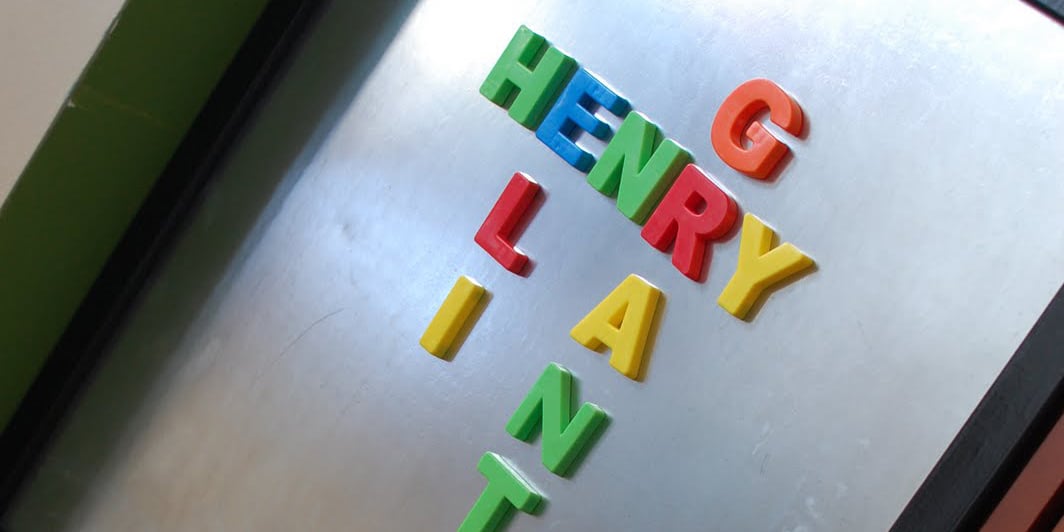
A magnetic kids project board may sound like something a tiny CEO would use to manage juice-box inventory, but it is actually one of the simplest, smartest tools for helping children organize schoolwork, chores, creative ideas, science projects, and daily routines. In a world where backpacks magically eat permission slips and homework instructions vanish into another dimension, a magnetic project board gives kids a visible place to plan, display, sort, and celebrate their work.
At its best, a magnetic kids project board is part learning station, part command center, part art gallery, and part “please stop asking where your spelling list went” solution. It can be used at home, in classrooms, homeschool spaces, therapy rooms, playrooms, and kids’ bedrooms. With the right materials and a thoughtful layout, it helps children build independence, responsibility, creativity, and confidencewithout requiring parents to become full-time project managers wearing whistle lanyards.
What Is a Magnetic Kids Project Board?
A magnetic kids project board is a reusable board with a magnetic surface where children can attach papers, task cards, pictures, labels, drawings, schedules, learning pieces, and project materials using magnets. Some boards are dry-erase magnetic whiteboards. Others are metal panels, framed boards, magnetic chalkboards, or DIY boards made from sheet metal placed inside a wooden frame.
The main idea is simple: children can move things around. That movement matters. A worksheet taped to a wall is static. A magnetic board invites interaction. Kids can sort spelling words, arrange project steps, track homework, move a “to-do” magnet to a “done” column, or proudly display a masterpiece involving one sun, four clouds, and a dinosaur wearing sunglasses.
Why Magnetic Project Boards Work So Well for Kids
Children often understand information better when they can see it, touch it, and rearrange it. A magnetic kids project board turns abstract responsibilities into visible, manageable pieces. Instead of saying, “Finish your project by Friday,” the board can show each step: choose a topic, gather supplies, make notes, draw diagrams, write captions, practice the presentation, and pack the final board.
They Make Big Tasks Feel Smaller
Large school projects can overwhelm children. Even adults sometimes see a blank project board and suddenly remember they need to clean the refrigerator instead. Kids feel the same pressure, especially when a project has many parts. A magnetic board breaks the work into bite-sized steps. Each magnet, card, or sticky note represents one action. Moving that piece to the completed section gives children a small winand small wins are powerful.
They Support Visual Learning
Many children benefit from visual reminders. A magnetic project board can show routines, schedules, project deadlines, reading goals, math facts, vocabulary words, art prompts, or science fair steps. Instead of relying on repeated verbal reminders, parents and teachers can point to the board. This reduces nagging, preserves everyone’s sanity, and gives kids more ownership over their responsibilities.
They Encourage Independence
A well-designed board answers the questions children ask most often: What do I do next? Where does this paper go? What is due tomorrow? Did I finish everything? When kids can check the board themselves, they practice planning and decision-making. That is a big step toward independence, even if they still need help finding both shoes before school.
Best Uses for a Magnetic Kids Project Board
The beauty of a magnetic kids project board is that it can grow with your child. A preschooler might use it for picture schedules and color sorting. An elementary student might use it for homework, reading logs, spelling words, and science projects. A middle schooler can use it for deadlines, study plans, sports schedules, and long-term assignments.
Homework Organization
Create columns labeled “To Do,” “In Progress,” and “Finished.” Use magnets to hold worksheets, assignment cards, reading logs, and notes from school. This simple layout helps children see their workload at a glance. It also prevents papers from forming mysterious piles on the kitchen counter, where they blend in with grocery lists and pizza coupons.
Science Fair and School Projects
A magnetic board is excellent for planning a science fair display before anything is glued permanently. Children can move sections around, test where the title looks best, arrange photos, compare chart placement, and organize labels. For example, a science project board might include sections for question, hypothesis, materials, procedure, data, results, and conclusion. Magnets allow kids to experiment with layout before committing to the final design.
Chore Charts and Responsibility Boards
Magnetic chore cards are easy for children to move from “Need to Do” to “Done.” Tasks can include making the bed, feeding the pet, packing lunch, putting laundry in the hamper, or clearing dishes. The visual movement gives kids a sense of progress. Bonus: it is harder to claim “I forgot” when the chore card is staring from the board like a tiny laminated judge.
Creative Art and Storytelling
Use the board as a rotating art gallery or storytelling station. Kids can attach drawings, character magnets, word cards, scenery pieces, or comic-strip panels. They can rearrange scenes, build stories, practice sequencing, and display their favorite creations. This is especially useful for children who love hands-on creative play.
Daily Routine and Morning Checklists
A magnetic routine board can help children move through mornings and evenings with less chaos. Picture cards might show brushing teeth, getting dressed, eating breakfast, packing the backpack, and putting on shoes. For nighttime, cards might include bath, pajamas, reading, water bottle, and lights out. It is not magic, but it is closeespecially on mornings when everyone is operating on cereal fumes.
How to Choose the Right Magnetic Kids Project Board
Before buying or making a board, think about your child’s age, available wall space, safety needs, and how the board will be used. A small lap-size board may be perfect for spelling practice, while a large wall-mounted board works better for projects, schedules, and family planning.
Size and Placement
Choose a board large enough to hold several items without becoming crowded. For young children, place the board at eye level so they can reach it comfortably. A board that is too high becomes parent-controlled. A board at the right height becomes child-friendly.
Surface Type
Magnetic dry-erase boards are practical because kids can write, erase, and attach materials. Metal boards are sturdy and often more durable. Magnetic chalkboards can look charming, though chalk dust may not be ideal for every space. If the board will be used for school projects, choose a smooth surface that is easy to clean and does not stain easily.
Frame and Corners
Look for rounded corners, a sturdy frame, and secure mounting hardware. A lightweight board may be easier to move, but a wall board should be firmly attached. Children tug, lean, point, poke, and occasionally treat furniture as jungle equipment. Plan accordingly.
Magnet Strength and Safety
Use age-appropriate magnets that are large enough not to be swallowed. Avoid tiny, loose, high-powered magnets, especially around toddlers and younger children. Small powerful magnets can be extremely dangerous if swallowed because they may attract each other inside the body. For younger kids, choose large button magnets, enclosed magnetic clips, or magnetic pieces specifically designed for children.
Safety Tips Every Parent Should Know
Safety should come before cuteness. A magnetic kids project board should help children learn, not create a hazard. Always follow age recommendations on magnetic products and avoid small detachable magnets around children under three. Even with older children, supervision is important if magnets are small or if younger siblings are nearby.
Skip High-Powered Magnet Sets
High-powered magnet balls and small rare-earth magnets are not appropriate for a child’s project board. They may look sleek, but they are risky in homes with kids. Use larger, weaker magnets made for classroom or home organization instead.
Check Magnets Regularly
Inspect magnetic clips, letters, tiles, and decorative pieces. If a magnet is loose, cracked, or separating from its backing, remove it immediately. A broken magnet is not a “we’ll fix it later” item. It belongs in the trash or repair bin where children cannot access it.
Mount the Board Securely
If the board is on a wall, use appropriate anchors or studs. If it stands on a desk or shelf, make sure it cannot tip over easily. A project board should not become a surprise indoor sled.
Set Clear Rules
Teach children that magnets stay on the board, not in mouths, noses, ears, pockets, or mystery treasure boxes. Simple rules work best: “Magnets are tools, not snacks.” It sounds silly, but memorable rules help.
DIY Magnetic Kids Project Board: Simple Step-by-Step Guide
You can buy a ready-made board, but making a DIY magnetic kids project board allows you to customize the size, color, layout, and purpose. It can also become a fun weekend projectas long as someone remembers where the measuring tape went.
Materials You May Need
- A magnetic dry-erase board, metal sheet, or galvanized steel panel
- Wood frame or trim pieces, if making a custom board
- Sandpaper for smoothing edges
- Paint or peel-and-stick wallpaper for decoration
- Large child-safe magnets or magnetic clips
- Labels, card stock, laminating sheets, or printable task cards
- Wall anchors, screws, or heavy-duty hanging strips rated for the board’s weight
Step 1: Decide the Board’s Purpose
Do you want a homework station, chore chart, art display, science project planner, or daily routine board? The purpose determines the layout. A homework board may need columns. A creative board may need open space. A routine board may need picture cards and a “finished” area.
Step 2: Choose a Layout
Sketch the board on paper first. Common layouts include three-column planning, weekly calendars, subject zones, project stages, or routine sequences. Keep the design simple. A board with too many sections can overwhelm children and make the whole thing look like mission control for a rocket launch.
Step 3: Add Labels
Use clear labels such as “Today,” “This Week,” “Ideas,” “Supplies,” “Questions,” “Finished,” and “Bring to School.” Younger children may benefit from picture labels. Older children can use written labels and color coding.
Step 4: Create Magnetic Cards
Make cards for tasks, subjects, chores, project steps, or learning activities. Laminate them if possible, then attach adhesive magnetic strips to the back. For example, a school project set might include “Research,” “Draw Diagram,” “Write Draft,” “Edit,” “Print,” “Practice,” and “Pack.”
Step 5: Keep Supplies Nearby
Place markers, erasers, extra magnets, index cards, and project supplies in a nearby basket or cup. The easier the board is to use, the more likely your child will actually use it. Organization should not require a scavenger hunt.
Magnetic Kids Project Board Ideas by Age
Preschool and Kindergarten
For younger children, focus on pictures, colors, matching, routines, and simple choices. Use large magnets with shapes, animals, letters, numbers, or emotions. A board can help children practice naming feelings, choosing activities, or following a morning routine.
Elementary School
Elementary students can use magnetic boards for homework tracking, spelling practice, math facts, book reports, science fair planning, and weekly goals. Try a “Question of the Day” area or a “Word Wall” where children add new vocabulary.
Middle School
Older kids may prefer a cleaner, less childish design. Use the board for deadlines, test dates, sports schedules, project milestones, and study plans. Magnetic folders or clips can hold handouts, rubrics, and permission slips.
Project Board Layout Examples
The Three-Column Board
Label the columns “Plan,” “Work,” and “Done.” This layout is great for homework, chores, and long-term projects. It teaches children that work moves through stages, rather than appearing all at once like a thundercloud of responsibility.
The Weekly School Board
Create sections for Monday through Friday. Add assignment cards, after-school activities, library day reminders, and test dates. This helps children prepare for the week and reduces last-minute surprises.
The Science Fair Board Planner
Use sections for topic, question, hypothesis, materials, steps, results, charts, photos, and conclusion. Children can move pieces around before creating the final display. This helps them understand flow, spacing, and visual hierarchy.
The Creativity Board
Leave most of the board open for drawings, magnetic letters, story pieces, poems, photos, and idea cards. Add a small “Artist Notes” section where kids can write what they made and why. This encourages reflection without turning creativity into homework in disguise.
How a Magnetic Board Builds Executive Function Skills
Executive function skills include planning, organizing, remembering instructions, managing time, and finishing tasks. Children are not born with fully developed executive function skills. That is why a child can remember every dinosaur name ever discovered but forget to put socks on both feet.
A magnetic project board gives children a practical way to practice these skills. They learn to list tasks, arrange priorities, check progress, and complete steps in order. Over time, the board becomes more than a display surface. It becomes a thinking tool.
Common Mistakes to Avoid
Making the Board Too Complicated
Parents often get excited and create a board with twenty categories, seven color systems, and a legend worthy of a subway map. Start simple. You can always add more later.
Doing Everything for the Child
The board should belong to the child. Let kids choose colors, labels, magnets, and sections when possible. A child who helps design the board is more likely to use it.
Forgetting to Reset the Board
A project board needs regular updates. Set a weekly reset time to remove old papers, add new tasks, clean the surface, and celebrate completed work.
Using Weak Magnets on Heavy Papers
If papers slide down the board like tired penguins, use stronger child-safe magnetic clips. Match magnet strength to the weight of the materials.
Cleaning and Maintenance Tips
Use dry-erase markers only on dry-erase surfaces. Clean the board weekly with a soft cloth. For stubborn marker shadows, use a cleaner approved for the board type. Keep magnets dry and check adhesive backs regularly. Store extra pieces in a labeled container so they do not migrate under the couch, where all small household objects apparently go to retire.
Budget-Friendly Magnetic Board Ideas
You do not need an expensive setup. A basic magnetic whiteboard, a few large magnets, and homemade labels can work beautifully. Metal baking sheets can become portable magnetic activity boards for younger children. Magnetic clips can turn any metal surface into a display zone. For a polished look, frame a metal sheet and paint the frame to match the room.
of Real-Life Experience: What It Feels Like to Use a Magnetic Kids Project Board
The first thing you notice after setting up a magnetic kids project board is how quickly children understand the idea. They may not use it perfectly at first, and yes, one magnet may briefly become a spaceship, but the board gives them a place to begin. That alone is valuable. Many kids struggle not because they cannot do the work, but because they cannot see where to start. A visible board turns “I have a project” into “I have three steps today.” That is a huge emotional difference.
In a typical home setup, the board often works best near the child’s usual work area. A kitchen corner, homework desk, hallway command center, or playroom wall can all work. When the board is easy to see, it becomes part of the daily rhythm. A child can come home, unpack papers, clip important notes to the board, move homework into the “To Do” area, and choose what to complete first. It sounds simple, but simple systems are usually the ones families keep using.
One helpful experience is letting the child personalize the board. When kids pick the magnets, choose the title, draw small icons, or decide whether the “Done” section says “Finished,” “Victory,” or “Boom, Completed,” they feel ownership. That ownership matters more than perfect design. A slightly crooked label made by a child is often more effective than a flawless adult-made board that feels like another rule.
For school projects, the magnetic board is especially useful during the messy middle stage. That is the stage after the exciting idea but before the final product, when papers multiply and confidence starts wobbling. Instead of gluing everything too early, kids can use magnets to test different layouts. They can compare where photos, captions, charts, and paragraphs should go. This teaches planning and revision in a hands-on way. It also reduces the classic family crisis known as “We glued the conclusion upside down.”
The board can also improve communication between adults and children. Instead of asking ten times whether homework is finished, a parent can say, “Show me what moved to Done.” That small shift makes the child explain progress instead of simply answering yes or no. It encourages accountability without turning every evening into a courtroom drama.
Another real benefit appears when children feel proud of completed work. A magnetic project board is not only for tasks; it is also for celebration. Displaying a finished drawing, a good spelling test, a reading badge, or a project photo tells the child, “Your effort matters.” Kids need that. Adults do too, honestly. If grown-ups had magnetic boards for everyday victories, many would proudly post “Answered email without overthinking it” or “Remembered to buy toothpaste.”
The key lesson from using a magnetic kids project board is this: keep it flexible. Some weeks it will be a homework tracker. Other weeks it will become an art gallery, science planner, chore chart, or confidence wall. That flexibility is the magic. The board grows with your child, supports different learning styles, and makes organization feel less like punishment and more like a tool. And when a child moves that final magnet into the “Done” section, the smile is worth every minute spent setting it up.
Conclusion
A magnetic kids project board is a practical, creative, and child-friendly way to organize schoolwork, routines, chores, projects, and ideas. It helps children see what needs to happen, move tasks through clear stages, and take pride in finished work. Whether you buy a ready-made magnetic whiteboard or build a DIY version, the best board is safe, simple, reachable, and flexible. Use large child-safe magnets, keep the layout clear, and let your child help design the system. With the right setup, a magnetic kids project board can turn scattered papers and big assignments into manageable stepsand maybe even make homework feel a little less like a villain origin story.