Some names show up online like fireworks: loud, sparkly, impossible to miss, and usually followed by a sponsored hoodie. Others appear in a quieter but more interesting waythrough real work, student leadership, community projects, creative credits, and the kind of practical environmental stewardship that involves trails, trees, mud, maps, and probably at least one stubborn wheelbarrow. Calvin Gramling fits the second category.
Based on publicly available information, Calvin Gramling is connected with Skidmore College as an environmental studies student and North Woods Steward, with public mentions tied to Arbor Day tree planting, campus sustainability, athletics, photography, and student creative life. That combination makes his public profile less like a traditional celebrity biography and more like a case study in modern student leadership: part conservation, part education, part community service, and part “yes, someone has to keep the boardwalk usable after the weather gets dramatic.”
This article explores Calvin Gramling through that public footprint. It does not attempt to invent personal details or fill in private information. Instead, it looks at what his visible activities suggest about campus sustainability, outdoor education, student initiative, and the growing importance of young environmental leaders in American colleges.
Who Is Calvin Gramling?
Calvin Gramling is publicly identified in connection with Skidmore College, a liberal arts college in Saratoga Springs, New York. The strongest public references connect him to environmental studies and to Skidmore’s North Woods, a campus forest used for recreation, education, and research. In Skidmore’s sustainability communications, Calvin Gramling ’28 is mentioned for leading a tree planting event for Arbor Day, placing him directly within the college’s student-led sustainability work.
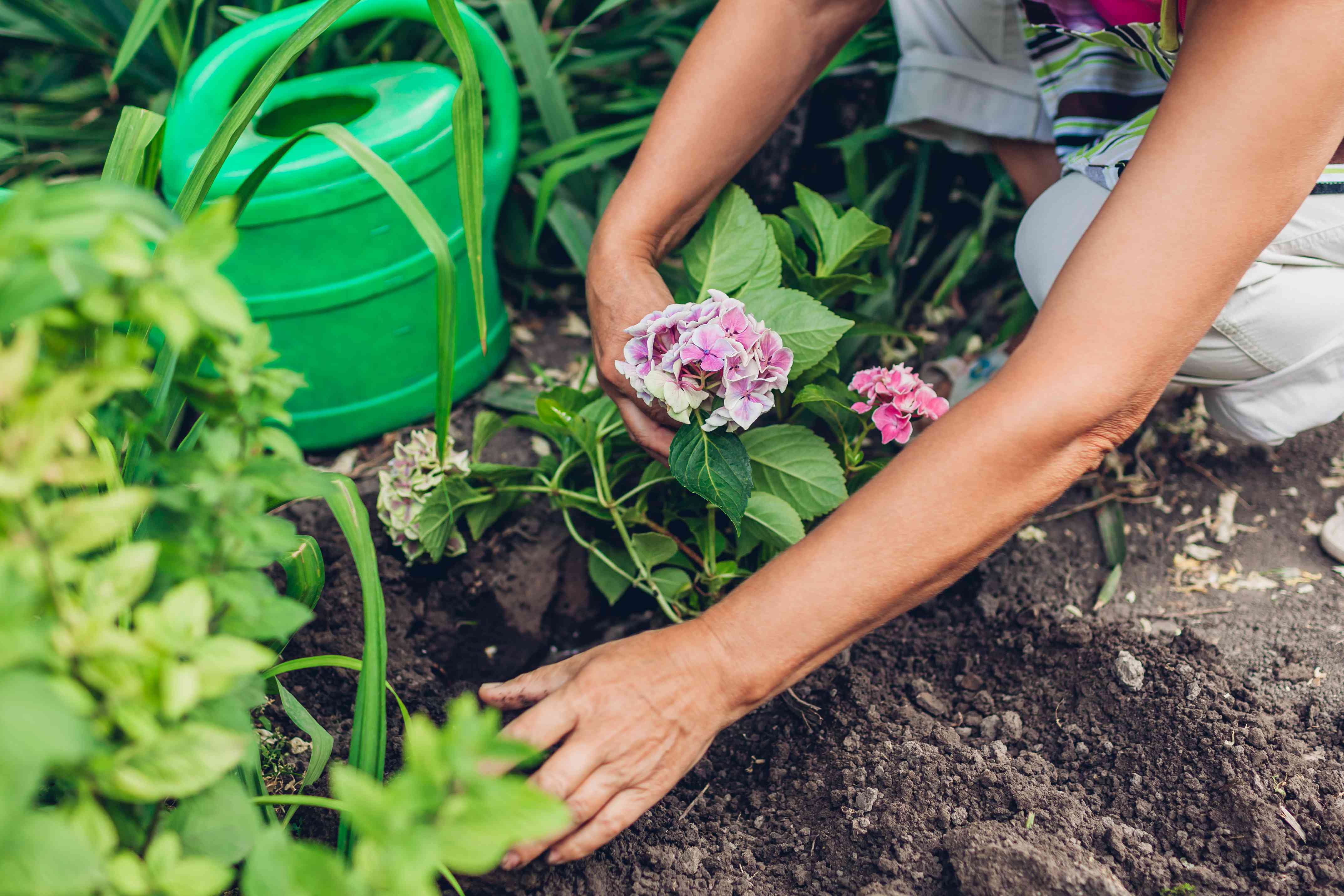
That may sound like a small detail at first. It is not. Tree planting on a college campus is more than a ceremonial shovel photo. Done well, it connects ecological planning, community engagement, long-term land care, and education. A tree planted today may shape the experience of students who have not even learned how expensive textbooks are yet. In other words, Arbor Day work has a long memory.
Public information also links Gramling with the role of North Woods Steward. At Skidmore, North Woods Stewards help care for the land and trails, support educational programming, monitor invasive species, and connect classroom learning with real conservation work. That role is hands-on. It is not the type of environmental work that happens only in a meeting room with a reusable water bottle and a very intense spreadsheet. It happens outside, where roots trip you, trail signs loosen, and invasive shrubs do not politely remove themselves.
The Skidmore North Woods Connection
To understand the public profile of Calvin Gramling, it helps to understand the place most closely associated with his sustainability work: Skidmore’s North Woods. The North Woods is a forested area on or near campus that serves students, faculty, staff, and the Saratoga Springs community. It is used for walking, hiking, running, meditation, cross-country skiing, teaching, and research.
Skidmore describes the North Woods as roughly 150 acres and as an outdoor laboratory. More than thirty courses across the college have reportedly used the area, and student research projects are regularly connected to the woods. That makes it a rare educational space: a classroom with birds, trail mud, tree canopy, and absolutely no fluorescent lighting. A biology lesson lands differently when the ecosystem is under your shoes instead of trapped in a slide deck.
Why the North Woods Matter
Campus forests like the North Woods play several roles at once. Ecologically, they support plant and animal life, protect habitat, and preserve open space in a region where development pressure can reshape landscapes quickly. Academically, they offer a living laboratory for environmental studies, geology, biology, sustainability planning, and field research. Socially, they give students and community members a place to breathe, walk, think, and recover from the emotional roller coaster of college Wi-Fi outages.
The North Woods also demonstrates a key idea in modern sustainability: conservation is not only about faraway wilderness. It is also about local places people see every day. A trail behind a campus building can become a gateway to environmental awareness. A student who joins a guided walk may later volunteer for invasive species removal. A casual runner may begin noticing changes in the understory. Curiosity often starts with proximity.
What a North Woods Steward Actually Does
The title “North Woods Steward” has a pleasant, almost storybook sound. It could be a fantasy character who carries a lantern and gives advice to lost travelers. In practice, the job is more grounded and more demanding. Skidmore’s North Woods Stewards maintain trails, lead educational programming, support outreach, assist with research, and help manage invasive species such as burning bush and garlic mustard.
Trail stewardship can include checking signage, improving boardwalks, clearing small obstacles, watching for erosion, and making sure visitors understand basic rules. These tasks may not look glamorous on a résumé, but they are exactly what keep public natural spaces usable. A trail system is not maintained by good vibes. It needs people who notice loose boards, confusing intersections, muddy sections, and the suspiciously enthusiastic spread of invasive plants.
Education and Outreach
One of the most important parts of stewardship is interpretation: helping others understand what they are seeing. A good educational walk through a forest does more than identify a tree. It explains relationshipsbetween soil and roots, human history and land use, geology and water, invasive species and biodiversity. Suddenly a path is not just a path. It is a layered story, and the steward is the person translating it without making everyone feel like they accidentally enrolled in a three-hour lecture.
Public information associated with Calvin Gramling describes educational tours on the history, geology, and biology of the North Woods and the broader region. That combination is important because environmental understanding is rarely one-subject work. Forest health is biology, yes, but it is also history, land management, climate, community behavior, and policy. The best stewards learn to connect those dots in language ordinary people can actually enjoy.
Calvin Gramling and Student-Led Sustainability
Skidmore’s spring 2026 sustainability update places Calvin Gramling among several students involved in campus environmental initiatives. The mention of his Arbor Day tree planting event appears alongside compost work, greenhouse gas inventory efforts, recycling education, and sustainability outreach. In that context, Gramling is part of a wider student-led sustainability culture rather than a standalone headline.
That matters. Environmental progress on college campuses often depends on networks of students doing specific, practical work. One student improves signage. Another tracks emissions. Another manages compost participation. Another plants trees. None of those actions alone solves climate change, but together they create a campus culture where sustainability becomes normal instead of decorative.
There is a lesson here for any school, nonprofit, or community organization: give students real responsibilities and real places to care for. A tree planting event is more memorable when students help plan it. A forest is more valued when students lead tours through it. A sustainability plan becomes more than a PDF when people can point to a bridge, trail, garden, sign, or sapling and say, “We worked on that.”
Arbor Day, Tree Campus Work, and Long-Term Thinking
Arbor Day may seem simple: plant a tree, smile, perhaps make a dad joke about “branching out.” But within higher education, tree programs can connect to formal planning, campus landscape management, biodiversity, resilience, and service learning. The Arbor Day Foundation’s Tree Campus Higher Education program encourages colleges and universities to plant, nurture, and celebrate trees while building systems for long-term care.
Skidmore’s tree care planning emphasizes goals such as species diversity, resilience, educational opportunities, campus aesthetics, and informed management practices. Those ideas are not abstract. Tree diversity helps reduce vulnerability to pests and disease. Resilient planting choices matter as weather patterns shift. Educational opportunities turn a campus landscape into a teaching tool. Informed maintenance keeps trees healthy and people safe. Trees are lovely, yes, but they are also infrastructure wearing bark.
Why Tree Planting Is More Than Symbolism
A tree planting event can become a public ritual for environmental responsibility. It brings people together around a visible act of care. Participants may remember where the tree is located, what species it is, and why it was chosen. Over time, that memory can attach people to place. For a student like Calvin Gramling, leading an Arbor Day planting is a practical example of environmental studies moving from coursework into community action.
The best campus sustainability work has that same quality. It is visible, participatory, and durable. It gives people something to do with their concern. And in an era when environmental news can feel overwhelming, doing something specificplanting, mapping, teaching, maintainingcan be a powerful antidote to helplessness.
A Broader Public Footprint: Running, Photography, and Campus Life
Public records also connect the name Calvin Gramling with cross-country and track participation, including listings tied to Vergennes Union. Running may seem separate from environmental stewardship, but it fits the broader picture. Runners learn landscapes differently. They notice surfaces, hills, weather, shade, drainage, and trail conditions. A person who runs through outdoor spaces often develops a practical relationship with land: where it floods, where it freezes, where the path narrows, where roots are waiting like tiny wooden pranksters.
There are also public creative references. A 2025 online music-related page credits Calvin Gramling as a photographer for Sunseeker, an indie/alt-rock band based in Saratoga Springs. Another public event listing connects the name to Skidmore’s small jazz ensemble context. These mentions suggest a student life that is not limited to one lane. Environmental work, athletics, photography, and music-adjacent spaces all point toward a person engaged in campus and community life through multiple forms of participation.
That range is worth noticing. Many modern student leaders are not single-category people. They are environmental studies students who also run, photograph, play music, organize events, or support friends’ creative projects. Their influence does not always come from a title. Sometimes it comes from showing up in different rooms with the same steady energy.
Why Calvin Gramling Is an Interesting SEO Topic
From an SEO perspective, “Calvin Gramling” is a narrow keyword, but narrow does not mean weak. Search interest around a specific name often comes from people looking for context: Who is this person? Why does the name appear in sustainability updates? Is Calvin Gramling connected to Skidmore College? What does a North Woods Steward do? A useful article should answer those questions without exaggeration.
The best approach is not to inflate Calvin Gramling into a national celebrity or pretend there is a giant archive of interviews. That would be bad journalism and, frankly, bad manners. The stronger approach is to build a clear, honest profile around verifiable public themes: environmental studies, campus stewardship, Arbor Day leadership, North Woods education, student sustainability, running, and creative campus involvement.
Search Intent Behind the Name
Someone searching for Calvin Gramling may be trying to connect a name with a public role. They may have seen a sustainability mention, a campus post, a race result, or a creative credit. The article should therefore be structured as a helpful explainer rather than a gossip page. Search engines reward clarity, relevance, and trustworthy organization. Readers reward not wasting their time. Everyone wins, which is rare on the internet and should be celebrated with snacks.
Lessons From Calvin Gramling’s Public Work
The public information around Calvin Gramling points to several larger lessons about student leadership and sustainability. First, meaningful environmental work often starts locally. A student does not need to launch a global organization to make a difference. Maintaining trails, leading tours, planting trees, and helping others understand a campus forest are all valuable acts.
Second, education is part of conservation. People protect places they understand. A guided walk can change how someone sees a forest. A tree planting can change how someone thinks about time. A conversation about invasive species can change how someone gardens at home. Stewardship spreads through knowledge as much as through tools.
Third, student work becomes more powerful when institutions create support structures. Skidmore’s North Woods Steward program gives students a role with responsibility, continuity, and purpose. That structure matters because environmental care is not a one-day performance. It requires repeated attention, records, maintenance, and institutional memory.
Experience Notes: What the Calvin Gramling Topic Teaches About Real Stewardship
Spend enough time around campus forests, trail programs, or student sustainability projects and one thing becomes obvious: the work is both inspiring and deeply unglamorous. That is not an insult. It is the secret ingredient. Real stewardship often looks like checking whether a sign is still readable, explaining to a visitor why dogs should stay leashed, or discovering that a plant with pretty leaves is quietly behaving like a botanical villain.
The topic of Calvin Gramling brings those experiences into focus because his public role is connected to a real place, not just an abstract cause. The North Woods is not a slogan. It has trails, trees, species, history, users, rules, and maintenance needs. Anyone who has worked in a similar setting knows that the best outdoor education happens when people stop treating nature as scenery and start treating it as a relationship.
Imagine leading a group through a wooded trail. At first, people may be thinking about the weather, their shoes, or whether they should have brought coffee. Then the steward points out a species, explains a geological feature, or tells the story of how a trail section was repaired. The group slows down. Someone asks a question. Another person notices a birdcall. A place that looked like “just woods” becomes specific. That moment is small, but it is the beginning of care.
Tree planting offers a similar experience. The public sees the cheerful part: the sapling, the shovel, the photo. Behind that moment are practical questions. What species belongs here? Will it survive local conditions? How will it be watered? Does it support biodiversity? Is it placed where future construction will not doom it to become mulch with a tragic backstory? Good tree planting is optimism with a maintenance plan.
There is also a physical rhythm to stewardship. Running background, trail awareness, and environmental work can complement one another. A runner learns a landscape by repetition. A steward learns it by responsibility. A photographer learns it by attention. Put those habits together and you get a deeper way of seeing place. You notice light, slope, soil, path, community use, and seasonal change. You understand that a forest is not static. It is always becoming something.
For students, this kind of experience can shape more than a résumé. It teaches patience, communication, and humility. Nature does not care how polished your project proposal is. Rain happens. Plants spread. Boards rot. Visitors ignore signs. A good steward adapts without losing the larger purpose. That lesson transfers far beyond the trail.
The Calvin Gramling topic is compelling because it reflects a wider shift in how young people engage with sustainability. The most meaningful work is often local, practical, interdisciplinary, and community-facing. It blends science with storytelling, service with leadership, and personal interest with public benefit. It is not always flashy, but it lasts. And sometimes, the person making it happen is not trying to be famous at all. He is just doing the work, one tree, one trail, one tour, and one muddy step at a time.
Conclusion
Calvin Gramling’s public footprint presents a grounded portrait of student engagement at the intersection of environmental studies, campus conservation, outdoor education, athletics, and creative community life. The most reliable public information connects him to Skidmore College, the North Woods Steward role, and student-led sustainability work, including an Arbor Day tree planting event.
That may not be the kind of biography built on awards-show drama or viral headlines, and honestly, thank goodness. The more interesting story is practical: a student helping care for a campus forest, supporting environmental education, participating in community life, and representing the kind of hands-on sustainability that colleges increasingly need. In a world full of big environmental promises, small local actions still matter. Especially when someone actually shows up with the shovel.
Note: This article is based on publicly available information and avoids private, unverified, or speculative personal details.