
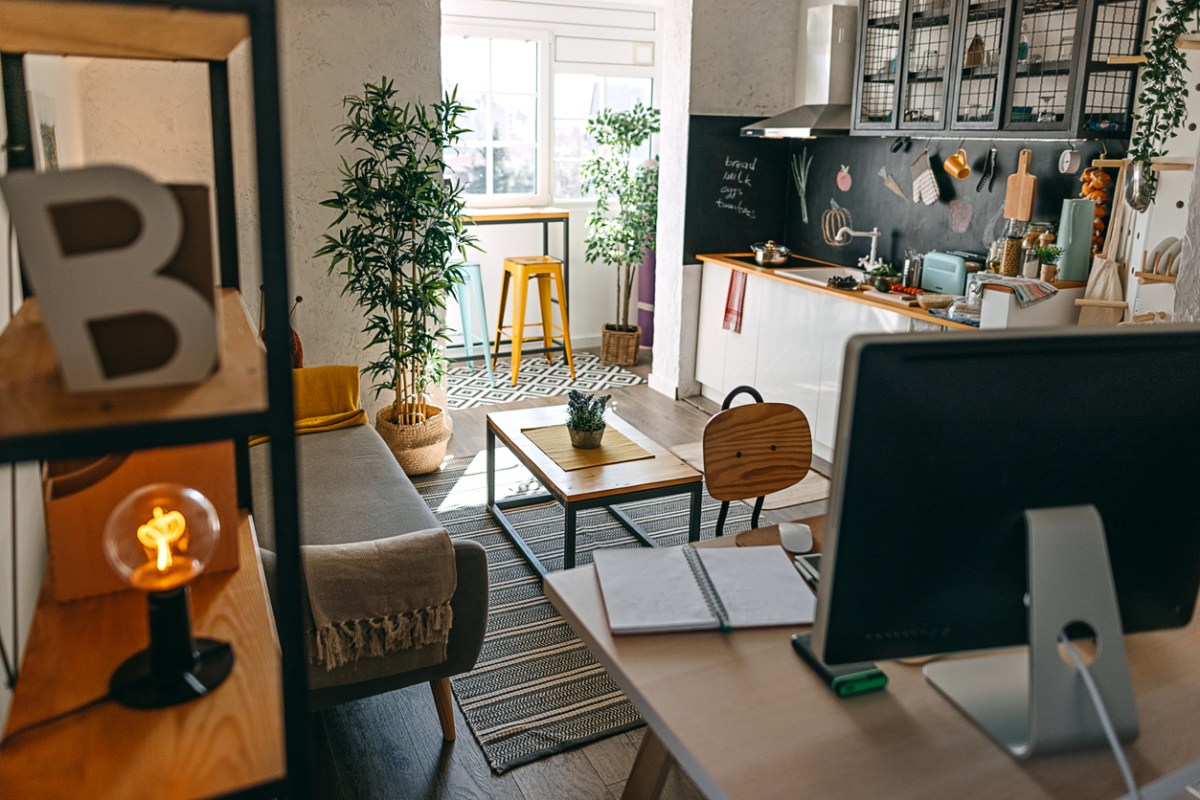
Every home has a personality. Mine has charm, warmth, and a dramatic flair for putting the most-used outlet exactly where no cord can reach it. It is not a bad home. In fact, I love it. But loving a home does not mean pretending the squeaky floorboard outside the bedroom is “character” when it announces my midnight snack mission like a courtroom bailiff.
This article is about the small home annoyances that rarely justify a full renovation but still manage to poke at your patience every day. These are not catastrophic problems. The roof is not caving in. The kitchen is not haunted, although one cabinet hinge does sound emotionally unwell. They are the tiny design flaws, storage struggles, lighting quirks, and maintenance irritations that make real life at home feel less like a magazine spread and more like a sitcom with better throw pillows.
The good news? You do not always need a contractor, a demolition plan, or a budget that makes your credit card sweat. Sometimes, the best solution is learning how to live around your home’s flaws with smart routines, small fixes, and a sense of humor. Here are the 10 little things that bother me about my homeand the practical ways I work around them without losing my mind or my tape measure.
1. The Entryway Becomes a Drop Zone in 11 Seconds
The entryway is supposed to say, “Welcome home.” Mine says, “Please step over the shoes, mail, tote bags, and one mysterious umbrella nobody remembers buying.” This tiny area collects everything: keys, receipts, jackets, packages, grocery bags, and the emotional weight of the outside world.
How I live around it
I stopped pretending the entryway would magically stay clear and gave the clutter a job. A small tray holds keys and sunglasses. Hooks keep bags off the floor. A narrow basket catches shoes, but only the everyday pairs. The rest go back to the closet, where they can argue quietly among themselves.
The trick is not to create a perfect entryway. It is to create a realistic one. If the first flat surface inside the door is where mail naturally lands, then that surface needs a sorter, not a lecture. A home organization tip I swear by is this: build systems where your habits already happen, not where your fantasy self thinks they should happen.
2. There Is Never Enough Kitchen Counter Space
Kitchen counters are precious real estate. Unfortunately, mine attract appliances like a magnet: coffee maker, toaster, blender, fruit bowl, cutting board, and the one gadget I bought during a very optimistic smoothie era.
How I live around it
I created a “countertop VIP list.” Only daily-use items get permanent residence. The coffee maker stays because peace in the morning matters. The toaster gets a cabinet spot because toast can wait. Seasonal or occasional tools move to higher shelves or deep storage.
I also use vertical space wherever possible. A wall-mounted rail, shelf riser, or magnetic strip can free up counter space without making the kitchen feel crowded. The goal is not to own less than a monk. The goal is to stop storing rarely used items in the most valuable area of the room.
3. The Bathroom Fan Sounds Busy but Does Almost Nothing
My bathroom fan makes noise. It sounds productive. It has the energy of someone typing loudly during a meeting. But after a shower, the mirror still fogs up like a detective scene from the 1940s.
How I live around it
Moisture is one of those boring home topics that becomes very interesting once mildew shows up. I run the fan longer after showers, crack the door when possible, and wipe down wet surfaces quickly. I also keep towels spread out instead of bunched together, because damp fabric is basically a spa day for musty smells.
If a fan is weak, dirty, or not venting properly, it may need cleaning or professional attention. Until then, small routines help: shorter steamy showers, regular bathroom cleaning, and keeping humidity under control. It is not glamorous, but neither is discovering a suspicious dark patch behind the shampoo.
4. One Cabinet Is Basically a Black Hole
Every home has one cabinet where things disappear. Mine contains batteries, tape, birthday candles, old instruction manuals, a screwdriver, and possibly my motivation from last Tuesday.
How I live around it
I used to buy more organizers, which only created organized chaos. Now I declutter first, then organize. That order matters. A drawer divider cannot solve a drawer full of expired coupons, dried-out pens, and three types of mystery hardware.
I divide the cabinet into clear categories: tools, household supplies, candles, tape, batteries, and “things I will actually use.” Small bins work better than one large container because they create boundaries. When the battery bin is full, I do not buy more batteries. Revolutionary? No. Effective? Annoyingly, yes.
5. The Floors Squeak in the Most Suspicious Places
A squeaky floor is charming until you are trying not to wake anyone. My house has one board that screams every time I step on it, like I have personally offended the lumber industry.
How I live around it
Some squeaks come from wood movement, loose boards, or changes in humidity. Not every squeak is a major issue, but persistent or worsening floor movement deserves a closer look. For everyday living, I have mapped the quiet path through the room. Yes, I now walk through my own house like a jewel thief. We all adapt.
Area rugs help reduce sound and soften foot traffic. Felt pads under furniture prevent scraping. For minor squeaks, simple DIY fixes may help, but I avoid guesswork when structural concerns are possible. A home can have personality; it should not feel like a pirate ship.
6. The Lighting Is Weirdly Moody in the Wrong Places
There is flattering lighting, and then there is “why do I look like I am being interrogated?” lighting. My home has bright light where I want softness and dim light where I need to read labels, chop vegetables, or find the earring back that launched itself into another dimension.
How I live around it
I stopped relying on one overhead light per room. Layered lighting makes a huge difference. A table lamp warms up the living room. Under-cabinet lighting helps in the kitchen. A small plug-in light near a dark hallway corner makes the space safer and less cave-like.
Bulb temperature also matters. Soft white bulbs make bedrooms and living areas feel cozy, while brighter task lighting works better for kitchens, laundry rooms, desks, and closets. The right lighting does not require a remodel. Sometimes it only requires admitting that the ceiling fixture is not the boss of you.
7. The Closets Are Too Small for Modern Life
Older homes often have closets designed for people who apparently owned three outfits, one coat, and no hobbies. My closet tries its best, but it was not emotionally prepared for bedding, luggage, winter clothes, and that box of cables I am afraid to throw away.
How I live around it
I treat closet space like a budget. If something comes in, something else needs to leave, move, or justify its existence. I use slim hangers, shelf dividers, bins, and the back of the door. Vertical space is the hero of small home organization.
The biggest improvement came from storing items by frequency of use. Daily clothing stays within easy reach. Seasonal items go high. Rarely used things go in labeled bins. The closet is still small, but now it behaves more like a closet and less like a fabric avalanche with a doorknob.
8. There Are Not Enough Outlets Where I Actually Need Them
Some rooms have outlets in places that suggest the builder never owned a lamp, phone charger, laptop, or human lifestyle. The outlet is always behind the heaviest furniture, across the room, or exactly six inches too far from where the cord needs to be.
How I live around it
I use cord management instead of letting cables breed across the floor. A good power strip with surge protection, cord clips, and cable sleeves can turn a messy corner into something almost respectable. I also rearranged furniture around outlet access instead of pretending cords could teleport.
Safety comes first. I avoid overloading outlets, running cords under rugs, or using damaged extension cords. For bigger electrical needs, calling a licensed electrician is worth it. There is a fine line between “creative solution” and “why does it smell like hot plastic?”
9. Dust Returns Like It Pays Rent
Dust is the most loyal resident in my home. I wipe a shelf, blink, and there it is again, sitting smugly under the lamp. I used to take it personally. Now I understand that dust is a mix of everyday life, fabric fibers, outdoor particles, pet dander if pets are involved, and the universe being rude.
How I live around it
I changed my dust strategy from occasional dramatic deep-cleaning to small regular habits. I vacuum high-traffic areas more often, wash bedding consistently, use washable mats near doors, and dust with a damp microfiber cloth instead of just moving particles around like a tiny indoor snowstorm.
Reducing clutter also makes dusting easier. Fewer knickknacks mean fewer tiny objects to lift, wipe, and question. I still keep decorative items I love, but I no longer display every souvenir, candle, vase, and ceramic animal like I am running a gift shop for emotionally attached raccoons.
10. Some Rooms Have Awkward Corners That Serve No Purpose
Awkward corners are the weird elbows of a home. They are too small for furniture, too visible to ignore, and too tempting to fill with random things “just for now.” Spoiler: “just for now” is how clutter signs a long-term lease.
How I live around it
I give every awkward corner a simple identity. One corner becomes a reading nook with a chair and lamp. Another gets a plant stand. A narrow wall gets floating shelves. A dead space near the kitchen holds a small cart for tea, snacks, or extra pantry items.
The best small home fixes often come from naming the purpose of a space. If a corner does not have a role, it becomes a dumping ground. If it has even a tiny job, it feels intentional. Not every inch needs to be maximized, but every visible odd spot benefits from a little direction.
What These Home Annoyances Taught Me
Living around home flaws has taught me that comfort is not always about perfection. Sometimes it is about reducing friction. A better hook placement, a clearer drawer, a brighter lamp, a quieter hinge, or a five-minute reset can change the way a home feels.
I used to think improving my home meant making it look more impressive. Now I think improvement is about making daily life easier. Can I find my keys? Can I chop vegetables without balancing a cutting board on the edge of the sink? Can I walk to the bathroom at night without stepping on a shoe? These are not glamorous goals, but they are deeply satisfying.
A realistic home is allowed to have flaws. It can have squeaks, quirks, odd layouts, imperfect storage, and a drawer that occasionally needs a stern conversation. The goal is not to erase every annoyance. The goal is to stop letting tiny problems steal attention every single day.
Extra Personal Experience: Learning to Love a Home That Is Not Perfect
The longer I live in my home, the more I realize that most of my frustration comes from expecting the space to behave like a finished project. But a home is never truly finished. It changes with your schedule, your belongings, your routines, your family, your budget, and your tolerance for seeing the same pile of laundry on the same chair for the third consecutive day.
One of my biggest lessons has been accepting that my home does not need to solve every problem at once. For a long time, I would notice something annoying and immediately imagine a major fix. The entryway is messy? I need custom built-ins. The kitchen feels crowded? Time for new cabinets. The closet is packed? Clearly, I need a bigger house, preferably one with a walk-in closet and a butler who understands sweaters.
But most of the time, the solution was smaller and more practical. The entryway needed hooks, not construction. The kitchen needed fewer appliances on the counter, not a renovation. The closet needed editing, not expansion. The bathroom needed better ventilation habits, not a dramatic speech about betrayal.
I also learned that a home works better when it supports real behavior. I used to create systems based on how I wished I lived. I bought beautiful bins for items I never sorted. I created a mail station even though I opened mail in the kitchen. I put cleaning supplies in a closet far from where I actually used them. Then I wondered why nothing stayed organized.
Now I pay attention to where mess naturally appears. If jackets land on a chair, that area needs hooks. If papers pile up on the counter, that spot needs a tray and a weekly sorting habit. If cords gather near the sofa, that corner needs a charging station. Good home organization is not about forcing yourself into someone else’s system. It is about designing small solutions around your own patterns.
Another experience that changed my perspective was learning to separate cosmetic annoyances from functional ones. A weird wall color might bother me, but poor lighting affects my daily comfort. A dated cabinet pull may not be my style, but a sticky cabinet door slows me down every morning. When I started fixing the things that interrupted daily life first, my home felt better even before it looked better.
I also try to keep a running “tiny fixes” list. These are small tasks that take less than 30 minutes: tighten a screw, replace a bulb, label a bin, clear one drawer, wash the entry mat, move a lamp, donate five things, or add felt pads under a chair. On their own, these tasks seem almost too small to matter. Together, they make the home feel calmer, cleaner, and more cooperative.
The funny thing is that some annoyances have become part of the rhythm of the house. I know which cabinet needs a gentle push. I know which floorboard to avoid when everyone is asleep. I know which corner gets clutter when life gets busy. These flaws are not ideal, but they are familiar. They remind me that a lived-in home is not a showroom. It is a place where people rush, rest, cook, spill, clean, forget, remember, and try again tomorrow.
So yes, little things still bother me about my home. But they bother me less now because I have learned how to respond instead of just complain. I make small improvements. I create simple systems. I laugh at the weird parts. And when all else fails, I put the mystery cables back in the box and call it progress.
Conclusion
The little things that bother me about my home are not disasters. They are daily irritations: the messy entryway, the weak bathroom fan, the squeaky floor, the tiny closets, the stubborn dust, and the outlets that seem personally opposed to convenience. But each annoyance also offers a chance to make home life smoother.
You do not need a perfect house to enjoy where you live. You need practical systems, small home fixes, honest habits, and a willingness to work with your home instead of fighting it every day. Start with the problem that interrupts your routine the most. Give it a simple solution. Then move to the next one. Comfort is often built one hook, bin, lamp, rug, and cleared surface at a time.
Note: This article is written for general home-living inspiration and practical household improvement. For electrical, structural, moisture, mold, or ventilation concerns, consult a qualified professional when the issue appears serious, persistent, or unsafe.











