
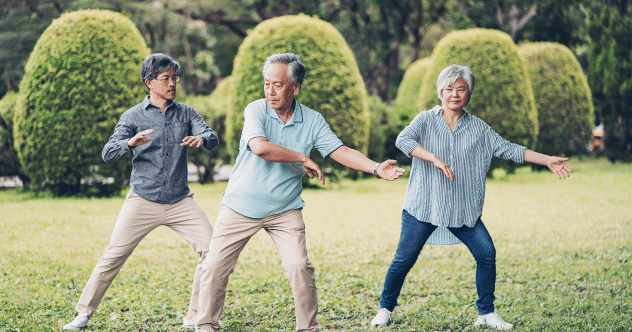
Everybody wants to live longer, but most of us would prefer not to spend those extra years arguing with a pill organizer the size of a toolbox. The real dream is longevity with energy, curiosity, mobility, good food, meaningful relationships, and enough humor to laugh when our knees make popcorn noises. Around the world, long-lived communities have been showing us that healthy aging is not built from one magic supplement or a secret smoothie guarded by mountain goats. It is usually built from ordinary habits repeated for decades.
The best longevity practices from around the world share a surprisingly simple theme: people move often, eat mostly real food, stay connected, manage stress, sleep well, and keep a reason to get out of bed. Modern research from institutions such as the National Institute on Aging, the CDC, Harvard, Mayo Clinic, the American Heart Association, Cleveland Clinic, and Loma Linda University supports many of these same patterns. The science is not saying you must move to a Greek island, herd sheep in Sardinia, or start calling every bean “medicine.” But it does suggest that culture can teach us how to make healthy choices feel normal, social, and even joyful.
Below are 10 longevity practices inspired by long-lived populations and supported by modern health research. Think of them as a global menu. You do not need to order everything at once. Start with one habit, make it realistic, and let it become part of your daily rhythm.
1. Eat Mostly Plants, Like the Mediterranean and Blue Zone Communities
In many long-lived regions, the plate is not centered on a giant slab of meat. It is built around vegetables, beans, lentils, whole grains, herbs, nuts, fruit, olive oil, and smaller amounts of fish, dairy, or meat depending on local tradition. In Ikaria, Greece, and Sardinia, Italy, meals often reflect Mediterranean-style eating: olive oil, legumes, greens, whole grains, and simple home cooking. In Okinawa, Japan, traditional diets include sweet potatoes, tofu, vegetables, and seaweed. In Loma Linda, California, many Seventh-day Adventists emphasize plant-forward or vegetarian diets.
The point is not to make dinner taste like a punishment. Plant-based longevity eating works best when it is flavorful: tomato-rich bean stew, lentil soup with herbs, roasted vegetables with olive oil, oatmeal with nuts, or a colorful salad that does not look like it lost a fight with a lawn mower. Research on healthy dietary patterns repeatedly links plant-predominant, minimally processed eating with better cardiometabolic health and healthy aging.
How to try it
Make beans, lentils, tofu, or vegetables the main character at least several meals a week. Use meat as a side note rather than the headline. Your grocery cart should look like it knows a farmer personally.
2. Follow the Okinawan “Hara Hachi Bu” Mindset
One famous Okinawan practice is hara hachi bu, often described as eating until about 80% full. This is not a crash diet, and it is not a command to leave the table sad. It is a gentle reminder to stop before the body has to send a dramatic “we are full” email to the brain.
Many people eat quickly, especially when distracted by phones, television, work, or the emotional suspense of whether the delivery fries survived the trip. Slower eating gives fullness signals time to arrive. It can also make meals more satisfying because you actually taste the food instead of inhaling it like a competitive vacuum cleaner.
How to try it
Put your fork down between bites. Serve food on a plate instead of eating from a package. Pause halfway through the meal and ask, “Am I still hungry, or am I just enjoying the sport of chewing?” That tiny pause can change the whole meal.
3. Move Naturally All Day, Not Only at the Gym
Modern fitness culture often treats exercise like a meeting you schedule, dread, survive, and then mention proudly for three days. Long-lived communities tend to build movement into daily life. Sardinian shepherds walk hills. People in traditional villages garden, climb stairs, cook, clean, visit neighbors, and move because life requires it. The CDC and American Heart Association both emphasize that regular physical activity supports chronic disease prevention, heart health, sleep quality, mood, and healthy aging.
This does not mean formal workouts are bad. Strength training, walking, cycling, swimming, stretching, and aerobic exercise are excellent. But longevity is not only about the one hour you exercise. It is also about the other 23 hours when your chair is quietly trying to become your best friend.
How to try it
Walk after meals, take stairs when practical, garden, clean with enthusiasm, stretch while waiting for coffee, and stand up during long screen sessions. Small movements repeated daily can become a powerful longevity practice.
4. Build a Strong Social Circle, Like Okinawan “Moai”
In Okinawa, the word moai describes a social support group that can last for decades. Members may share meals, help each other during hard times, and offer companionship. This matters because loneliness is not just an unpleasant feeling; public health research links social isolation and loneliness with higher risks for several physical and mental health problems.
Social connection is one of the least flashy longevity practices, which is unfair because it is also one of the most human. No smartwatch can replace a friend who notices when you are unusually quiet, a neighbor who brings soup, or a family member who calls just to complain about the weather in a loving way.
How to try it
Create recurring connection, not random connection. Weekly walks, Sunday dinner, a book club, a volunteer group, a faith community, or a standing phone call can all work. The habit is easier when it is scheduled before life gets busy and steals your calendar.
5. Find Purpose: Ikigai, Plan de Vida, and a Reason to Rise
In Japan, ikigai is often described as a reason for being. In Costa Rica’s Nicoya Peninsula, a similar idea is sometimes called plan de vida, or life plan. Different cultures use different words, but the basic idea is familiar: people tend to age better when they feel useful, connected, and needed.
Purpose does not have to be grand. You do not need to save the world before breakfast. Purpose can mean caring for grandchildren, mentoring younger workers, tending a garden, volunteering, creating art, learning a skill, or being the person who always remembers birthdays. Purpose gives structure to the day and meaning to effort.
How to try it
Ask yourself: “Who benefits when I show up?” Then build small routines around that answer. Purpose becomes stronger when it is practiced, not merely framed as a quote on a wall.
6. Downshift Stress with Daily Rituals
Every long-lived culture seems to have some way of calming the nervous system. Ikarians may nap. Okinawans may pause to honor ancestors. Mediterraneans may linger over slow meals. Faith-based communities may pray. Others walk, breathe, stretch, garden, or sit quietly. The method varies; the message is consistent: stress needs an exit door.
Chronic stress can affect sleep, blood pressure, inflammation, food choices, and mood. Cleveland Clinic and the American Heart Association both emphasize stress management as part of healthy living. The trick is to choose a stress practice you will actually do. A meditation routine that exists only in your imagination has limited medical value, though it does have excellent interior design.
How to try it
Try five minutes of deep breathing, a short walk without headphones, gentle stretching, journaling, prayer, or sitting outside. Make it boringly repeatable. Longevity loves boringly repeatable.
7. Protect Sleep Like It Is a Health Appointment
Sleep is not laziness wearing pajamas. It is repair time. Mayo Clinic notes that sleep supports restoration across biological systems, including immune function, memory processing, hormone regulation, and tissue repair. Poor sleep can make healthy choices harder the next day: cravings get louder, patience gets smaller, and exercise suddenly looks like a medieval punishment.
Many longevity cultures also respect rhythm. Meals, work, rest, family time, and sleep often follow predictable patterns. Modern life fights that rhythm with glowing screens, late caffeine, deadline panic, and the irresistible urge to watch “just one more episode,” a phrase that has ruined countless mornings.
How to try it
Set a consistent wake time, dim lights at night, keep phones away from the bed, avoid heavy late meals, and create a wind-down routine. The goal is not perfect sleep. The goal is to stop treating sleep as the leftover crumb of the day.
8. Use Heat, Recovery, and Relaxation Wisely, Like Finnish Sauna Culture
Finland’s sauna tradition offers another lesson: recovery can be social, relaxing, and woven into culture. Studies of Finnish sauna bathing have linked frequent sauna use with lower risk of cardiovascular and all-cause mortality, though researchers are careful to note that association is not the same as proof of cause and effect. Still, sauna bathing may support relaxation, circulation, and stress reduction for many healthy adults.
That said, heat is not for everyone. People who are pregnant, have unstable heart conditions, fainting issues, heat intolerance, or certain medical concerns should talk with a clinician before using saunas. Longevity practices should make you healthier, not turn you into a steamed dumpling with poor judgment.
How to try it
If sauna is safe for you, keep sessions moderate, hydrate well, avoid alcohol, and leave if you feel dizzy or unwell. No sauna? A warm bath, gentle stretching, or quiet evening routine can still teach the same lesson: recovery deserves a place in your life.
9. Keep Faith, Belonging, or Community Rituals
In Loma Linda, California, Seventh-day Adventist communities are often discussed in longevity research because of lifestyle patterns including plant-forward eating, regular activity, avoidance of smoking and alcohol, faith practices, and strong community life. The Adventist Health Studies have identified factors such as never smoking, maintaining a healthy body weight, exercising, following vegetarian eating patterns, and eating nuts more frequently as longevity-related habits.
Not everyone is religious, and longevity does not require joining a faith tradition. But humans do seem to benefit from belonging. Shared rituals, whether spiritual, cultural, or community-based, can reduce isolation and create accountability. It is easier to live well when the people around you also value living well.
How to try it
Find a community that supports your better self: a service group, walking club, meditation circle, church, synagogue, mosque, temple, neighborhood group, or creative class. The healthiest group is not necessarily the fanciest. It is the one you keep showing up for.
10. Practice Prevention Before Problems Get Loud
Many people treat health care like car repair: ignore the warning light until smoke appears. A longevity mindset is different. It includes regular checkups, blood pressure awareness, cholesterol management, blood sugar control, dental care, vaccines when appropriate, and early attention to symptoms. The American Heart Association’s Life’s Essential 8 includes eating better, being active, avoiding tobacco, getting healthy sleep, managing weight, and controlling cholesterol, blood sugar, and blood pressure.
Prevention is not glamorous, but neither is spending your vacation reading insurance paperwork. The goal is to catch small issues before they become bossy. Healthy aging depends not only on what you eat and how you move, but also on knowing your numbers and partnering with qualified health professionals.
How to try it
Schedule routine care, know your family history, monitor blood pressure if recommended, and ask your clinician what screenings make sense for your age and risk level. Prevention is one of the quietest forms of self-respect.
What These Longevity Practices Have in Common
Although these practices come from different cultures, they overlap in important ways. They reduce chronic disease risk, support mental health, protect relationships, and make healthy behavior part of daily life instead of a heroic annual project. That is the real genius of long-lived communities: they do not rely only on willpower. Their environments make the healthy choice easier, more social, and more enjoyable.
This is why copying one isolated habit rarely works. Drinking olive oil while sleeping four hours a night and yelling at traffic is not a Mediterranean lifestyle. Buying tofu but eating it alone at midnight while doom-scrolling is not Okinawan wisdom. Longevity is a pattern. It is food, movement, sleep, purpose, stress recovery, community, and prevention working together like a band that actually rehearsed.
Practical 7-Day Longevity Reset
If you want to begin without overhauling your entire personality, try this simple one-week reset. On day one, add a 10-minute walk after one meal. On day two, cook one bean-based or vegetable-rich meal. On day three, call or message someone you care about. On day four, go to bed 30 minutes earlier. On day five, practice five minutes of breathing or quiet reflection. On day six, plan a social activity that does not revolve only around screens. On day seven, review your week and choose one habit to repeat.
The purpose of this reset is not perfection. It is proof. You prove to yourself that healthy aging can start with small actions. Once a habit becomes normal, add another. That is how a lifestyle is built: not with dramatic declarations, but with repeatable choices that slowly become your default setting.
Experience Notes: What Living These Practices Actually Feels Like
One of the most useful lessons from longevity cultures is that the habits feel ordinary from the inside. A person in a long-lived village may not say, “Today I will optimize my mitochondrial function with low-intensity movement.” They may simply walk to visit a neighbor, weed the garden, cook soup, laugh with family, and go to bed when the evening naturally winds down. The health benefit is hidden inside the routine.
When people try these practices in modern life, the first surprise is usually how difficult “simple” can be. Eating more plants sounds easy until you realize your default lunch has been beige for six straight years. Moving naturally sounds easy until your phone reports that you walked fewer steps than a houseplant. Calling friends sounds easy until everyone’s schedule looks like a game of calendar Tetris. The lesson is not that we are failing. The lesson is that modern environments often make healthy living weirdly inconvenient.
A realistic experience-based approach is to redesign the surroundings before blaming motivation. Put fruit where you can see it. Keep beans, lentils, oats, nuts, frozen vegetables, and olive oil in the kitchen. Place walking shoes near the door. Charge your phone outside the bedroom. Schedule social plans before the week gets swallowed. Make the healthy habit slightly easier and the unhealthy default slightly more annoying. This is not cheating; this is wisdom with better furniture placement.
Another real-life lesson is that social habits multiply other habits. A walk with a friend becomes exercise, therapy, sunlight, and comedy hour all at once. A family dinner becomes nutrition and connection. A gardening group becomes movement, purpose, and vegetables with dirt still bragging on them. Long-lived cultures rarely separate health into isolated departments. They bundle it into life.
People also discover that longevity habits are more enjoyable when they are not treated as punishment. A Mediterranean-style meal can be delicious. A sleep routine can feel luxurious. A morning walk can become the best thinking time of the day. A quiet stress ritual can become a small island of sanity. The goal is not to live like a monk unless you are, in fact, a monk and already have the wardrobe. The goal is to build a life you do not need to constantly recover from.
Finally, experience teaches patience. You may not feel transformed after one salad, one walk, or one early bedtime. That is normal. Longevity practices are not fireworks; they are compound interest. The benefits build quietly. Over months and years, you may notice better energy, steadier mood, improved fitness, stronger relationships, and a deeper sense of control over your health. That is the real promise of global longevity wisdom: not just more years in life, but more life in the years.
Conclusion: Longevity Is a Lifestyle, Not a Lottery Ticket
The world’s best longevity practices are refreshingly human. Eat mostly whole foods. Move often. Stop before you are stuffed. Sleep like it matters because it does. Manage stress before it manages you. Stay connected. Keep purpose alive. Create rituals of belonging. Take prevention seriously. Repeat.
No single culture has a monopoly on healthy aging, and no habit guarantees a century of birthday candles. Genetics, environment, health care access, income, safety, and luck all play roles. But lifestyle still matters. The most encouraging part is that many longevity practices are low-cost, flexible, and available almost anywhere. You can borrow the spirit of Okinawa at your dinner table, the movement of Sardinia on your stairs, the social warmth of a moai in your weekly phone call, and the calm of a Finnish sauna in a quiet evening bath.
Longevity is not about chasing immortality. It is about building days worth repeating. Start small, stay consistent, and let the world’s longest-lived communities remind you that healthy aging can be practical, social, delicious, and even fun.
Note: This article is written for general educational purposes and should not replace personalized medical advice. Readers with medical conditions, pregnancy, medication concerns, or major lifestyle changes planned should consult a qualified healthcare professional.













