
Medieval pilgrimage was not just a dusty religious road trip with sore feet, wool cloaks, and questionable soup. It was one of the most powerful social, spiritual, economic, and cultural forces of the Middle Ages. A pilgrimage could be an act of faith, a search for healing, a public apology, a legal sentence, a vacation with holy intentions, or a once-in-a-lifetime adventure that made your neighbors look at you differently when you returned.
When people today imagine pilgrimage in the Middle Ages, they often picture solemn travelers walking silently toward a cathedral. That happened, of course. But the real story was far more colorful. Medieval pilgrims bought souvenirs, swapped gossip, wore badges, joined strangers on the road, worried about thieves, visited shrines packed with relics, and sometimes treated the journey like the world’s most uncomfortable group tour. There were holy destinations, famous routes, dangerous crossings, miracle stories, guidebooks, hospitals, inns, donations, scandals, and even a bit of medieval marketing.
Below are ten surprising facts about medieval pilgrimage that reveal why this practice shaped religion, art, literature, travel, and everyday life across Europe.
1. Medieval Pilgrimage Was Not Only for the Super Religious
Pilgrimage in the Middle Ages was deeply religious, but pilgrims were not all monks, saints, or people who could quote theology before breakfast. Many were ordinary men and women: merchants, widows, craftsmen, nobles, soldiers, servants, students, and farmers. Some traveled with sincere devotion. Others went because they were sick, grieving, guilty, curious, adventurous, or simply eager to see more of the world.
This variety is one reason Geoffrey Chaucer’s The Canterbury Tales feels so lively. Chaucer gathered different social typesa knight, a miller, a prioress, a merchant, a wife from Bath, and many othersinto one pilgrim group heading to Canterbury. The setup worked because medieval audiences understood that pilgrimage mixed people who normally would not spend days together sharing roads, meals, and extremely strong opinions.
In other words, pilgrimage was one of the few medieval settings where a nobleman, a nun, a cook, and a professional talker could end up in the same travel party. Imagine a spiritual retreat combined with a bus tour, a neighborhood rumor mill, and a survival challenge. That was the medieval pilgrimage experience at its most human.
2. The Most Famous Destinations Were Spiritual Superstars
Medieval Christians had many pilgrimage destinations, but several stood above the rest. Jerusalem was the ultimate holy destination because it was associated with the life, death, and resurrection of Christ. Rome attracted pilgrims because of its connection to the apostles Peter and Paul, its churches, and its authority as the seat of the papacy. Santiago de Compostela in northwestern Spain became famous because pilgrims believed the relics of Saint James the Greater were preserved there.
Canterbury in England also became one of the most popular pilgrimage sites after the murder of Archbishop Thomas Becket in 1170. Becket was killed inside Canterbury Cathedral after a bitter conflict involving royal and church authority. Soon after his death, miracle stories spread, and pilgrims traveled to his shrine seeking healing, forgiveness, and spiritual help.
But not every pilgrim could afford a long and dangerous trip to Jerusalem, Rome, or Santiago. Local shrines mattered too. A person might walk to a nearby abbey, cathedral, saint’s tomb, or miracle-working relic. For many medieval people, holiness was not only far away. It might be two towns over, waiting behind a church door.
3. Relics Were the Main Attraction
If medieval pilgrimage had a headline feature, it was the relic. Relics were physical remains or objects associated with saints, Christ, or biblical events. They might include bones, clothing, hair, fragments of wood believed to come from the True Cross, or items connected to a holy person’s life.
To modern readers, relic devotion can seem strange. But in the medieval worldview, relics were not lifeless museum pieces. They were believed to carry sacred power. A saint in heaven could intercede for people on earth, and the saint’s relics created a powerful connection between the visible world and the divine. Pilgrims came to pray near them, touch reliquaries, leave offerings, request healing, or fulfill vows.
Churches understood the importance of relics. A shrine with a famous relic could attract crowds, donations, prestige, and royal attention. It could also transform a town’s economy. More pilgrims meant more inns, food sellers, candle makers, guides, badge makers, and people selling things that were definitely “authentic,” at least according to the man selling them.
4. Pilgrim Souvenirs Were a Medieval Status Symbol
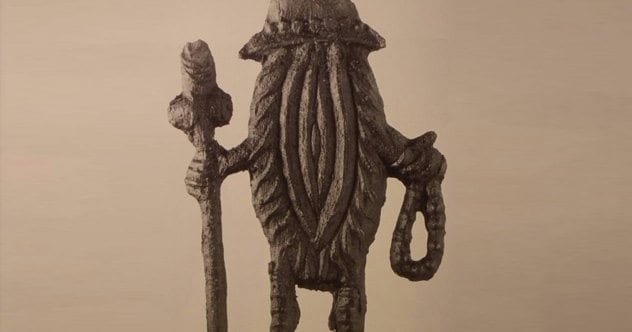
One of the most surprising facts about pilgrimage in the Middle Ages is that pilgrims loved souvenirs. They did not return home with refrigerator magnets, because refrigerators had rudely not been invented yet. Instead, they brought back pilgrim badges, ampullae, shells, tokens, and small devotional objects.
Pilgrim badges were often made of inexpensive metals such as lead or tin. They could be pinned to hats, cloaks, or bags. Some showed saints, shrines, crosses, or symbols connected to a destination. The scallop shell became especially associated with Santiago de Compostela and eventually became a broader symbol of pilgrimage itself.
Ampullae were small containers that could hold holy water, oil, or dust from a sacred site. These objects worked as proof of travel, reminders of devotion, and portable connections to the shrine. Wearing a badge told others, “I made the journey.” It also suggested endurance, piety, and maybe a little social bragging. Medieval people were human, after all. If you walked hundreds of miles, you probably wanted everyone at home to know.
5. Pilgrimage Could Be a Form of Penanceor Punishment
Not every pilgrim traveled because they woke up one spring morning feeling spiritually inspired. Some went because pilgrimage was assigned as penance. In medieval Christianity, penance involved acts meant to express sorrow for sin and seek spiritual restoration. A priest might require prayers, fasting, charity, or a pilgrimage depending on the situation.
Pilgrimage could also be imposed by courts or authorities as punishment. This was especially striking because a long pilgrimage could resemble exile. The person had to leave home, face hardship, spend money, and publicly carry the mark of someone making amends. For serious cases, the destination might be far away, even Jerusalem. That was not a casual weekend escape; it was a heavy sentence.
This reminds us that medieval pilgrimage had layers. It could be voluntary or required, joyful or humiliating, hopeful or exhausting. The same road might carry a grateful survivor, a sick parent, a curious student, and a criminal ordered to make peace with God and society.
6. Indulgences Helped Make Pilgrimage Even More Popular
In the later Middle Ages, indulgences became closely connected with pilgrimage. An indulgence was understood as the Church’s remission of temporal punishment for sins that had already been confessed and forgiven. This idea was complicated, but for many medieval Christians, pilgrimage offered a way to seek spiritual benefit in a concrete, visible form.
Certain shrines, holy years, churches, or acts of devotion could be associated with indulgences. This encouraged more travel and added urgency to the journey. A pilgrim might visit a site not only to honor a saint but also to gain spiritual relief for themselves or sometimes for the dead.
Of course, the system was not immune to abuse. The late medieval sale and promotion of indulgences later became one of the major controversies leading into the Protestant Reformation. But before that crisis, indulgences helped make pilgrimage a central part of medieval religious life. They gave the journey a spiritual goal that could be described, promised, and promoted.
7. Medieval Pilgrims Had Travel Guides
Think travel guides are modern? Medieval pilgrims would like a word. One of the most famous examples is the guide associated with the route to Santiago de Compostela. It described roads, towns, relics, dangers, lodging, food, and practical advice for travelers heading toward the shrine of Saint James.
This makes perfect sense. A long medieval pilgrimage was difficult. Roads could be rough, rivers dangerous, forests confusing, and local customs unfamiliar. Pilgrims needed to know where to sleep, where to find water, which churches had important relics, and which places had a reputation for trouble. A guidebook could turn a terrifying unknown route into a mapped spiritual adventure.
The existence of such guides also shows how organized pilgrimage became. These were not random wanderings by people hoping they were walking in the right direction. Major pilgrimage routes developed infrastructure, traditions, reputations, and services. Medieval pilgrimage was faith on foot, but it was also travel planning with eternal stakes.
8. Pilgrimage Changed Medieval Architecture
Pilgrimage helped shape the design of churches. As crowds grew, churches needed space to handle large numbers of visitors without disrupting daily worship. This influenced architectural features such as ambulatories, radiating chapels, wide aisles, and layouts that allowed pilgrims to move through sacred spaces more efficiently.
Romanesque churches along pilgrimage routes often became grand, sturdy, and dramatic. They housed relics, welcomed travelers, and displayed sculpture that taught biblical stories to visitors who might not read Latin. Art and architecture were not simply decoration. They guided the pilgrim’s imagination.
Routes to Santiago de Compostela are especially important here. Churches in France and Spain served both local worshippers and traveling pilgrims. As people moved, artistic styles, building techniques, stories, and devotional practices moved with them. Pilgrimage routes became cultural highways. Medieval Europe did not have social media, but it did have roads full of people carrying ideas, songs, objects, and news.
9. Pilgrim Hospitals Were Not Just for the Sick
The word “hospital” in the Middle Ages did not mean exactly what it means today. Medieval hospitals often served as places of hospitality. They could provide lodging, food, basic care, charity, and protection for travelers, the poor, and the sick.
Along major pilgrimage routes, hospitals, monasteries, hospices, and charitable houses helped pilgrims survive the journey. Some offered beds. Others offered meals, washing, spiritual support, or medical attention. For travelers with blistered feet, empty purses, and a cloak that smelled like rain, smoke, and regret, these places were lifesavers.
This hospitality had religious meaning. Welcoming pilgrims was considered a charitable act. Helping the traveler was a way of serving God. In a world where travel could be dangerous and lonely, these institutions created networks of care. They also helped make long-distance pilgrimage possible for people who were not wealthy enough to pay for comfortable inns every night.
10. Pilgrimage Was Dangerous, But That Was Part of the Point
Medieval pilgrimage was risky. Pilgrims faced illness, injury, bad weather, hunger, theft, dishonest innkeepers, unsafe roads, shipwreck, and political conflict. A journey to Jerusalem was especially dangerous and expensive. Even shorter pilgrimages could test the body and nerves.
Yet hardship gave pilgrimage meaning. The discomfort was not just an unfortunate side effect; it could be part of the spiritual value. Walking, fasting, sleeping poorly, leaving home, and enduring uncertainty were all ways of stepping out of ordinary life. The pilgrim became vulnerable, dependent, and focused on the sacred goal ahead.
That said, medieval pilgrims were not allergic to comfort. They sought lodging, companionship, food, safe routes, and helpful information whenever they could. The ideal pilgrim might embrace suffering, but the real pilgrim still appreciated a warm meal and a dry bed. Holiness is wonderful; wet socks are still wet socks.
Why Medieval Pilgrimage Still Fascinates Us
Pilgrimage in the Middle Ages fascinates modern readers because it combines faith, travel, danger, art, economics, storytelling, and human psychology. It was both sacred and practical. A shrine could be a place of prayer, a tourist destination, a healing center, a political symbol, and a local business engine all at once.
Medieval pilgrimage also reveals how people made meaning through movement. To leave home was to enter a different kind of time. The pilgrim walked away from daily routines and toward a place believed to hold extraordinary power. Every mile could become a prayer. Every blister could become evidence of devotion. Every badge could become a memory made visible.
The practice also shaped literature. The Canterbury Tales remains famous not only because Chaucer was brilliant, but because pilgrimage gave him the perfect storytelling machine. Put strangers on the road, give them a destination, and let them talk. Suddenly, you have comedy, confession, rivalry, romance, hypocrisy, wisdom, and satireall wearing travel clothes.
Experiences Inspired by Medieval Pilgrimage
To understand medieval pilgrimage more deeply, imagine beginning the journey before sunrise. The village is still quiet. Smoke rises from a few hearths. Your shoes are not built for luxury, your bag is too small, and someone has told you three different versions of the safest road. You carry a staff, perhaps a small purse, maybe a letter of protection, and definitely a mixture of hope and anxiety. The shrine is far away, but the decision has already changed you.
The first experience is physical. Medieval pilgrimage was felt in the body. Feet blistered. Shoulders ached. Rain soaked wool until it became heavy and miserable. Dust stuck to sweat. Hills looked personally offensive. A modern traveler might complain about a delayed flight, but a medieval pilgrim had to negotiate mud, animals, rivers, and roads that seemed to have been designed by someone with a grudge against knees.
The second experience is social. On the road, you meet people you would never meet at home. A talkative merchant knows which inn waters down the ale. A widow is traveling in memory of her husband. A student claims to know Latin but becomes suspiciously quiet near actual Latin. A soldier tells stories that grow larger each evening. Like Chaucer’s pilgrims, the group becomes a moving village. People share food, warnings, songs, prayers, jokes, and complaints. Especially complaints.
The third experience is emotional. A pilgrim might feel fear in a dark forest, awe before a cathedral, relief at a hospital door, and embarrassment when realizing the “shortcut” added six miles. The journey could stir guilt, gratitude, grief, and wonder. Medieval people did not separate the emotional and spiritual as sharply as many modern people do. A tear at a shrine, a vow whispered near a relic, or a candle lit after weeks of walking could feel like the climax of an inner transformation.
The fourth experience is sensory. Medieval pilgrimage smelled of damp wool, horse sweat, candle wax, incense, bread, mud, and crowded inns. It sounded like bells, prayers, footsteps, market cries, foreign languages, barking dogs, and pilgrims singing to keep their courage alive. At the shrine, gold, glass, stone, painted images, and reliquaries created an atmosphere meant to overwhelm the senses. The destination was not only visited; it was seen, touched, heard, smelled, and remembered.
The fifth experience is the return. Coming home mattered. A pilgrim who returned with a badge from Canterbury, a shell from Santiago, or an ampulla from a holy site carried proof of the journey. Neighbors asked questions. Children stared. Friends wanted stories. The pilgrim had changed, but home had also changed because the traveler now brought back news, objects, blessings, and memories from beyond the familiar world.
That may be the greatest lesson of pilgrimage in the Middle Ages: the road was never only about reaching a destination. It was about becoming the kind of person who had made the journey. Medieval pilgrims walked through geography, but they also walked through fear, longing, repentance, curiosity, and hope. Their roads were rough, their maps imperfect, and their inns questionable, but their journeys helped shape the spiritual and cultural landscape of medieval Europe.
Conclusion
Pilgrimage in the Middle Ages was far more surprising than a simple religious journey. It connected famous shrines, local saints, relic devotion, medieval tourism, architecture, literature, law, charity, and personal transformation. Pilgrims traveled for healing, penance, indulgences, adventure, gratitude, and sometimes because authority gave them no better option. They wore badges, followed routes, visited relics, stayed in hospitals, told stories, and returned home with proof that they had stepped beyond ordinary life.
The medieval pilgrim was not a cardboard figure from a history textbook. He or she was tired, hopeful, nervous, curious, faithful, hungry, and very interested in finding decent lodging before sunset. That humanity is why medieval pilgrimage still captures our imagination today.
Note: This article is written in original American English and is based on verified historical information from reputable museum, cathedral, university, encyclopedia, and art-history sources.













