
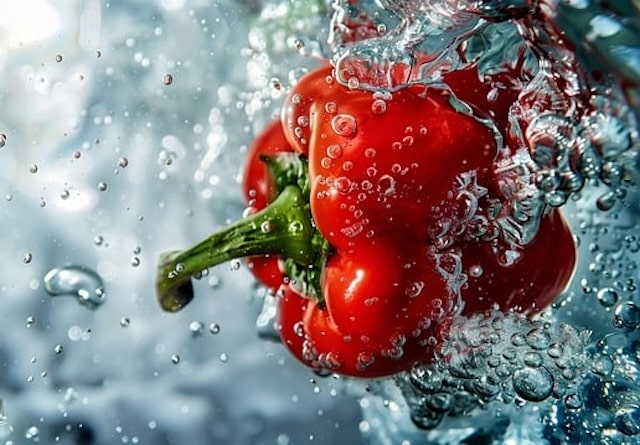
Chemistry has a branding problem. Mention the word “chemical,” and many people imagine a bubbling green beaker, a villain with goggles, or something in a warehouse with a label that politely screams “do not lick.” In reality, chemicals are everywhere: in toast, trees, cheese sauce, flowers, fire hoses, grape soda, and yes, even the oddly specific smell of a banana near an annoyed honey bee.
This article explores ten unusual chemicals that sound like they escaped from a science trivia night. Some are surprisingly useful. Some are deeply unpleasant. A few are proof that nature has the sense of humor of a mischievous lab assistant. The goal here is not to turn your kitchen into a chemistry department, but to show how strange, elegant, and occasionally ridiculous the chemical world can be.
Why Unusual Chemicals Are More Than Weird Trivia
Unusual chemicals are not interesting only because their names look like someone spilled alphabet soup into a textbook. They reveal how matter behaves in the real world. A tiny change in molecular structure can turn a familiar smell into a warning signal, a food additive into a silky sauce helper, or a plant compound into a garden bully. These substances remind us that chemistry is not just a school subject; it is the operating system of flavor, fragrance, medicine, agriculture, firefighting, and biology.
The ten unusual chemicals below were chosen because they connect ordinary life with surprising science. You may not talk about dimethyl sulfoxide or 3-isobutyl-2-methoxypyrazine at dinner, unless your dinner parties are extremely specific, but you have probably met their effects.
1. “Wet Water”: Water That Got a Performance Review
What makes it unusual?
“Wet water” sounds like a joke written by a tired firefighter at 3 a.m., but the idea is real. In firefighting, certain wetting agents can be added to water to reduce surface tension. Lower surface tension helps water spread and penetrate materials more effectively, especially porous fuels such as wood, fabric, mulch, and vegetation.
Ordinary water tends to bead up because water molecules cling strongly to each other. Add the right surfactant, and the water becomes better at soaking into small spaces. That does not mean firefighters are using magic water. It means chemistry is making a familiar tool behave more efficiently.
Why it matters
In practical fire suppression, penetration matters. A surface may look wet while heat remains trapped deeper inside. Wetting agents can help water reach hidden pockets of heat, reducing the chance of reignition. It is one of those quiet technologies that rarely gets a movie scene but does a very serious job.
2. Juglone: The Walnut Tree’s Chemical “Keep Out” Sign
What makes it unusual?
Black walnut trees are handsome, useful, and apparently not interested in sharing the neighborhood. They produce juglone, a naturally occurring compound associated with allelopathy, which is the ability of one plant to affect the growth of other plants around it.
Sensitive plants such as tomatoes, potatoes, peppers, and some ornamentals may struggle near black walnut roots, leaves, hulls, or decomposing plant material. To a gardener, juglone can feel like the tree is sitting in the yard wearing sunglasses and saying, “This soil is reserved.”
Why it matters
Juglone shows that plants are not passive decorations. They compete, defend territory, and influence ecosystems through chemistry. For gardeners, understanding juglone can prevent heartbreak, especially the specific heartbreak of planting beautiful tomatoes only to watch them look like they just read bad news.
3. Sodium Citrate: The Secret Agent Behind Smooth Cheese Sauce
What makes it unusual?
Sodium citrate does not sound glamorous, but it has a superpower: it helps cheese melt into a smooth, creamy sauce instead of separating into oil, clumps, and regret. In food chemistry, sodium citrate can function as an emulsifying salt, helping proteins and fats stay together in a stable mixture.
That is why processed cheese products can melt so beautifully. It is not because they made a deal with a dairy wizard. It is because emulsifying salts manage the relationship between water, fat, and milk proteins like a tiny molecular counselor.
Why it matters
Sodium citrate is a great example of food chemistry making texture possible. Flavor gets most of the applause, but texture is often what makes food feel right. A cheese sauce that stays silky is not just tastier; it is also easier to use, serve, and enjoy. Chemistry, in this case, is the difference between “delicious dip” and “why is my cheese sweating?”
4. Resiniferatoxin: A Heat Chemical That Makes Hot Peppers Look Polite
What makes it unusual?
Resiniferatoxin, often shortened to RTX, is a naturally occurring compound found in certain Euphorbia plants. It is related in effect to capsaicin, the compound responsible for the heat of chili peppers, but RTX is far more intense in how it interacts with heat-sensing pain receptors.
This is not a food challenge ingredient. It belongs in controlled research and medical settings, not on wings, tacos, or the spoon of a person trying to impress their friends. Its importance comes from how it interacts with TRPV1 receptors, which are involved in the body’s perception of burning pain.
Why it matters
Scientists have studied resiniferatoxin for potential pain-control applications, especially in severe pain conditions. That is the fascinating twist: a compound famous for extreme heat sensation may also help researchers understand ways to reduce certain kinds of pain. Nature, once again, has written a plot twist in molecular form.
5. Cadaverine: The Name Is Not Subtle
What makes it unusual?
Cadaverine is one of those chemical names that does not require a marketing department. It is a foul-smelling diamine associated with the breakdown of proteins during putrefaction. Alongside related compounds such as putrescine, it contributes to the unmistakable odor of decomposition.
The smell of decay is not a single “bad smell” molecule. It is a complicated bouquet, if we may insult bouquets for a moment. Cadaverine is part of that chemical orchestra, playing the tuba badly and directly under your nose.
Why it matters
Cadaverine is important in biochemistry, food spoilage science, and forensic research. Detecting and studying decomposition-related compounds can help scientists understand biological breakdown processes. It also reminds us that our noses are powerful chemical detectors, even when we wish they would take a personal day.
6. Dimethyl Sulfoxide: A Solvent With a Garlic Surprise
What makes it unusual?
Dimethyl sulfoxide, commonly called DMSO, is a solvent used in laboratories and certain medical contexts. Its strange party trick is that exposure in medical use can lead to a garlic-like taste or odor. People may notice the taste shortly after administration, and the smell can linger on breath or skin.
DMSO is also known for its ability to pass through skin and carry some substances with it, which is exactly why it should not be treated casually. It is not a trendy wellness shortcut. It is a serious chemical with specific uses and safety considerations.
Why it matters
DMSO demonstrates how a molecule’s physical properties can shape its usefulness and risk. In research, solvents matter because they can dissolve, transport, and preserve materials. In medicine, the same properties require careful control. Chemistry rarely gives free gifts; it usually attaches footnotes.
7. Ethyl Formate: The Raspberry-Rum Molecule With a Space Reputation
What makes it unusual?
Ethyl formate is an ester with a pleasant fruity smell often associated with rum-like and raspberry-like notes. Esters are famous in flavor and fragrance chemistry because many of them smell like fruits, flowers, candies, or beverages. They are the molecular reason a lab can sometimes smell like a fruit stand that got a chemistry degree.
Ethyl formate became internet-famous because it has been discussed in connection with molecules detected in space, especially around the Sagittarius B2 molecular cloud near the center of the Milky Way. The popular shorthand says space smells like rum and tastes like raspberries. The scientific reality is more complex, but the headline is undeniably more fun than “interstellar spectroscopy confirms organic ester.”
Why it matters
This molecule connects food chemistry with astrochemistry. It shows that organic molecules are not limited to Earth’s kitchens, orchards, or breweries. They can also appear in the cold chemistry of space, where dust clouds become enormous laboratories with terrible parking.
8. Isoamyl Acetate: Banana Candy, Bee Alarm
What makes it unusual?
Isoamyl acetate is famous for its banana-like odor. It is sometimes called banana oil and is used in flavor and fragrance contexts. But in honey bees, isoamyl acetate is also a major component of alarm pheromone associated with stinging behavior.
That means one molecule can live two very different lives: cheerful artificial banana on one side, “security alert at the hive” on the other. Chemistry does not care about human categories. To us, it may smell like candy. To bees, it can be part of a communication system.
Why it matters
Isoamyl acetate is a perfect example of chemical context. A molecule’s meaning depends on the organism detecting it and the situation in which it appears. For humans, it may suggest dessert. For bees, it may help coordinate defense. Same compound, wildly different group chat.
9. Bell Pepper Pyrazine: The Tiny Molecule With a Giant Opinion
What makes it unusual?
Bell pepper aroma can come from methoxypyrazines such as 3-isobutyl-2-methoxypyrazine, often discussed in wine chemistry as IBMP. These compounds are powerful aroma molecules. Even at very low concentrations, they can produce green, vegetal, bell-pepper-like notes.
In a fresh pepper, that green aroma may be exactly what you expect. In wine, it can be desirable in some styles and distracting in others. The same note that says “crisp garden freshness” to one person may say “why is my glass wearing a salad costume?” to another.
Why it matters
Bell pepper pyrazines show how sensitive human smell can be. A compound present in tiny amounts can shape the entire sensory identity of a food or drink. This is why flavor science is so precise: sometimes one molecule is the difference between complexity and confusion.
10. Methyl Anthranilate: Why Grape Candy Tastes Purple
What makes it unusual?
Methyl anthranilate is strongly associated with Concord grape aroma and artificial grape flavor. If you have ever wondered why grape soda tastes less like supermarket green grapes and more like the color purple hired a marching band, methyl anthranilate is a big part of the answer.
Concord grapes have a distinctive “foxy” aroma profile, and methyl anthranilate contributes to that recognizable grape character. Many modern table grapes do not taste the same because they come from different varieties with different aroma chemistry.
Why it matters
Methyl anthranilate teaches a useful lesson about flavor memory. “Artificial grape” is not necessarily a failed copy of all grapes. It is closer to a loud tribute to a particular kind of grape. It is not pretending to be a delicate green grape. It is wearing a purple jacket, kicking open the door, and announcing itself.
What These Chemicals Teach Us About the World
The common thread among these unusual chemicals is that they turn everyday experiences into hidden science. A firefighter’s hose, a walnut tree, a cheese dip, a pepper aroma, a bee sting, a grape soda, and a medical solvent all depend on molecular behavior. None of these examples require a science-fiction laboratory. They exist in forests, kitchens, gardens, clinics, orchards, and hives.
They also prove that chemistry is not automatically “good” or “bad.” A compound can be useful in one setting and risky in another. DMSO is valuable in controlled contexts but should not be treated carelessly. Resiniferatoxin is scientifically fascinating but not something to handle outside professional research. Juglone is natural, but “natural” does not mean gentle. Cadaverine is unpleasant, but it helps scientists understand decomposition. Sodium citrate sounds industrial, yet it can make cheese sauce behave like a civilized member of society.
That is why unusual chemicals are worth learning about. They sharpen our understanding of nature and technology. They also make excellent conversation starters, provided your friends are emotionally prepared to discuss decomposition odor between appetizers.
Experience Notes: Living With the Weird Side of Chemistry
The most memorable chemistry experiences are often not dramatic explosions or movie-style lab scenes. They are quiet moments when you realize something ordinary has a hidden molecular backstory. Imagine walking through a garden and discovering that a black walnut tree is not simply casting shade; it may also be influencing what grows nearby through juglone. Suddenly, gardening feels less like decorating soil and more like negotiating with a leafy landlord.
The same thing happens in the kitchen. A person may spend years thinking smooth cheese sauce is simply a matter of heat and patience. Then they learn about sodium citrate and emulsifying salts, and the whole problem changes. Cheese is not just melting; proteins, fat, water, and minerals are trying to organize themselves. Without help, they can separate like a band breaking up over creative differences. With the right food chemistry, they stay together long enough to make nachos proud.
Smell offers another unforgettable doorway into chemistry. Banana candy, grape soda, bell pepper, old food, fresh fruit, and even the sharp warning odor around a disturbed beehive all involve volatile molecules reaching receptors in the nose. Once you learn that isoamyl acetate can smell like banana and also function in bee alarm communication, the world becomes slightly funnier and slightly more serious. A smell is not just a smell. It can be flavor, warning, memory, attraction, defense, or evidence.
The experience of learning about chemicals such as DMSO and resiniferatoxin also adds a useful dose of humility. Some molecules are powerful because they interact with the body in very specific ways. That power can make them useful in medicine or research, but it also means they belong in professional settings with strict safety rules. Curiosity is wonderful; casual handling is not. The best chemistry mindset is fascinated, respectful, and fully aware that “interesting” does not mean “try this at home.”
Even space chemistry changes how we experience the world. Ethyl formate’s fruity, rum-like reputation makes the cosmos feel oddly familiar. A molecule associated with raspberries on Earth can appear in discussions of interstellar clouds, reminding us that the universe is not made of separate categories labeled “kitchen,” “garden,” and “galaxy.” It is all matter, all chemistry, all connected by atoms that keep finding new ways to surprise us.
After learning about these ten unusual chemicals, ordinary life becomes more entertaining. The next time you smell grape candy, notice a bell pepper aroma, see a walnut tree, or watch water bead on a surface, there is a small science story waiting behind it. Chemistry is not hiding in a textbook. It is standing in the produce aisle, floating in a fire hose, buzzing near a hive, and making your cheese sauce smoother than it has any right to be.
Conclusion
Unusual chemicals are not just strange names for trivia lovers. They are tiny explanations for big experiences. They shape what we taste, smell, grow, fear, study, and use. Some make water spread better. Some help cheese behave. Some warn bees. Some give candy its nostalgic punch. Others show how biology, medicine, and ecology depend on molecules working behind the scenes.
The next time someone says chemistry is boring, offer them cadaverine, banana-scented bee alarms, space raspberries, and nacho-friendly sodium citrate. That should end the conversation, or possibly start a much better one.













