
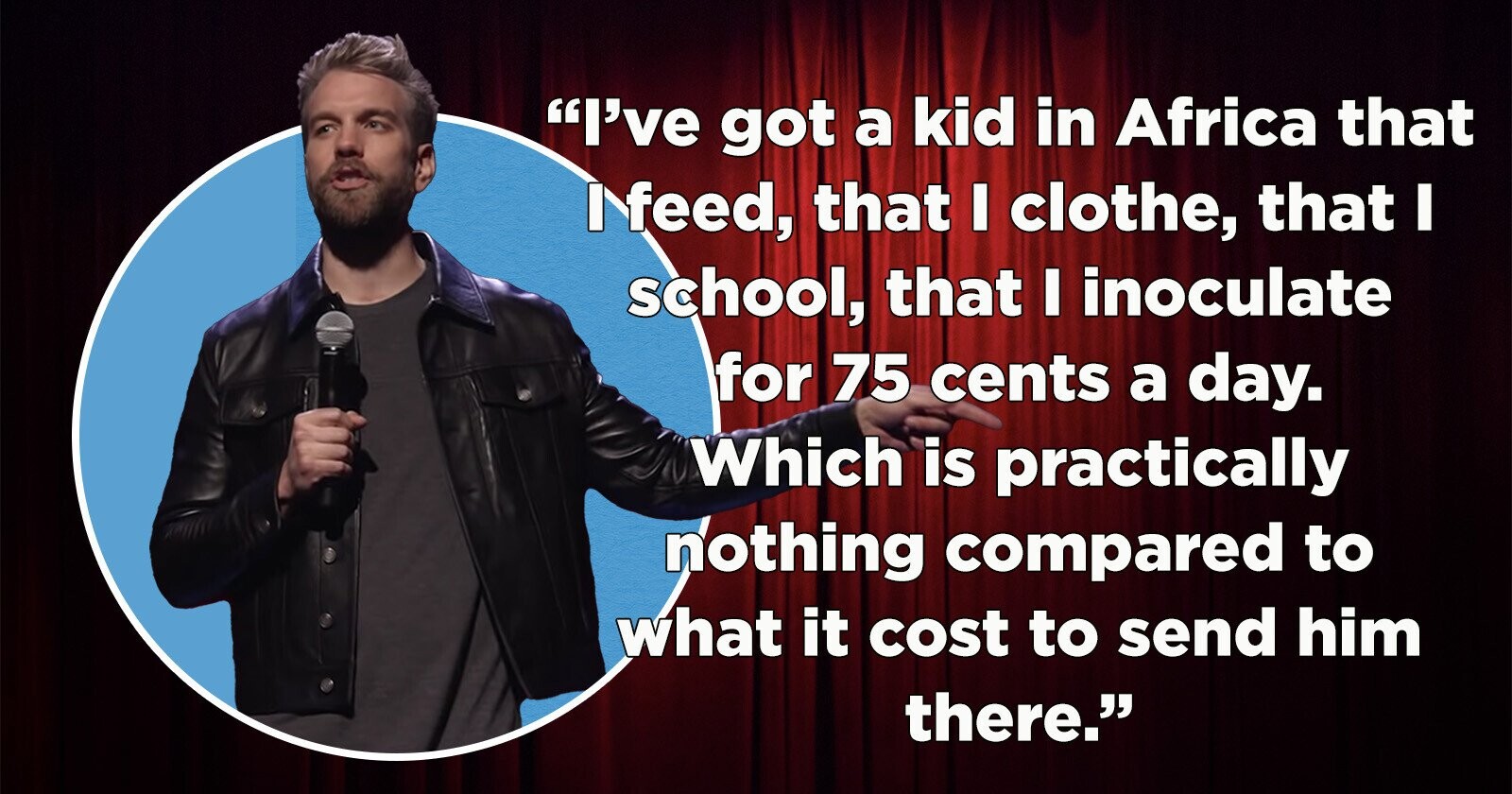
Anthony Jeselnik is not the comedian you put on when your aunt asks for “something light.” He is the comedian you put on when the room is already uncomfortable and you want to see whether discomfort can wear a tuxedo. Known for razor-sharp one-liners, icy confidence, and a stage persona that seems to have been raised by a haunted mirror, Jeselnik has built a career around the elegant cruelty of misdirection.
But here is the important thing: the best Anthony Jeselnik dark humor jokes are not simply “mean jokes.” They are tiny machines. They lure you into one expectation, pause just long enough for your moral alarm system to wake up, and then spring a punchline that changes the entire room temperature. His comedy is dark, yes, but it is also architectural. Every sentence has a load-bearing wall. Every pause has a permit.
This article looks at why Jeselnik’s coal-black comedy works, what makes his joke structure so precise, and how fans can understand the difference between smart dark humor and lazy shock value. The 12 joke examples below are original, Jeselnik-inspired one-liners written for analysis and entertainment; they are not copied from his specials, albums, interviews, or live performances.
Who Is Anthony Jeselnik?
Anthony Jeselnik is an American stand-up comedian, writer, producer, and performer widely associated with deadpan delivery, taboo comedy, and surgical one-liners. Over the years, he has released major specials including Shakespeare, Caligula, Thoughts and Prayers, Fire in the Maternity Ward, and Bones and All. He has also been connected with Comedy Central roasts, The Jeselnik Offensive, Good Talk with Anthony Jeselnik, and the podcast world through The Jeselnik & Rosenthal Vanity Project.
His public image is almost comically villainous: calm, sharp, overdressed in emotional detachment, and allergic to the sentimental finish. Yet that image is also the trick. Jeselnik’s best material depends on the distance between the real human being and the fictional monster holding the microphone. The audience laughs partly because the persona is so polished that it becomes absurd. He does not stumble into darkness; he arrives there with reservations.
Why Anthony Jeselnik’s Dark Humor Works
Dark humor is risky because it operates near emotional boundaries. A weak dark joke feels like someone knocked over a lamp and called it interior design. A strong dark joke uses discomfort as part of the blueprint. Jeselnik’s comedy usually succeeds because the joke is not only about the subject; it is about the audience’s expectation of what should not be said.
1. Misdirection Is the Engine
Jeselnik often begins with a premise that appears familiar. The audience thinks it knows the road. Then the punchline turns down an alley, steals the street sign, and acts like you were foolish for trusting traffic laws. This is why his jokes can be shocking without feeling random. The surprise is engineered.
2. The Persona Takes the Hit
Many great Jeselnik-style jokes quietly make the speaker look worse than anyone else. That matters. The joke may sound cruel at first, but the final target is often the comic’s own arrogance, vanity, or moral emptiness. The character is the clown; he just happens to be wearing better shoes.
3. The Language Is Clean and Efficient
Jeselnik does not usually wander through a five-minute story looking for a punchline like a man searching for his car in a mall parking lot. His jokes are compressed. Setup, turn, punch. The economy of language makes the darkness hit harder because there is no padding to soften the impact.
12 Coal-Black Dark Humor Jokes Inspired by Anthony Jeselnik’s Style
The following examples are original jokes inspired by the mechanics of Jeselnik’s comedy: deadpan voice, sharp misdirection, chilly confidence, and a punchline that turns the speaker into the problem. They are intentionally dark, but written without copying his material.
1. The Sympathy Card Joke
Original joke: “I bought sympathy cards in bulk. The cashier asked if something happened. I said, ‘Not yet. I’m just optimistic.’”
Why it works: The setup suggests grief or concern. The punchline reveals a narrator who treats tragedy like a calendar event. The darkness comes from emotional distance, not graphic detail.
2. The Haunted House Joke
Original joke: “I went to a haunted house. The ghosts saw my credit score and asked me to leave because I was lowering morale.”
Why it works: A haunted house should scare the visitor. Instead, the visitor depresses the ghosts. It flips the power dynamic and turns personal failure into supernatural office drama.
3. The Family Tree Joke
Original joke: “My family tree has deep roots, weak branches, and several people everyone agreed to stop watering.”
Why it works: The phrase “family tree” creates a harmless metaphor. The punchline pushes the metaphor into cold family politics, which is funny because it sounds both poetic and suspiciously honest.
4. The Therapist Joke
Original joke: “My therapist said I struggle with abandonment. Then she moved my appointment to a slot labeled ‘maybe.’”
Why it works: Therapy is supposed to provide support. The joke twists that expectation by making the professional setting accidentally confirm the problem.
5. The Will Joke
Original joke: “I wrote my will last night. I left everyone exactly what they gave me emotionally: a confusing silence and one broken lamp.”
Why it works: A will usually distributes valuables. Here, it distributes emotional consequences. The lamp gives the joke a weird, specific object that keeps it from floating away.
6. The Plant Joke
Original joke: “I name all my houseplants so I feel something when they give up.”
Why it works: This joke turns ordinary plant care into a bleak emotional experiment. The phrase “give up” gives the plant human drama without becoming explicit or graphic.
7. The Childhood Photo Joke
Original joke: “My childhood photos are in black and white, not because they’re old, but because even the camera wanted distance.”
Why it works: The joke begins with nostalgia and ends with emotional frostbite. The camera becomes a witness with boundaries.
8. The Funeral Home Joke
Original joke: “A funeral home once told me I had a dark sense of humor and terrible timing. Finally, a review from my target audience.”
Why it works: The punchline makes the narrator proud of the complaint. That is classic dark-comedy character logic: if everyone is horrified, the performance review is excellent.
9. The Family Reunion Joke
Original joke: “I brought a shovel to my family reunion. Not for anything specific. I just wanted everyone to finally ask about my hobbies.”
Why it works: The joke creates tension through implication, then swerves into awkward social behavior. The humor is in the narrator’s terrible idea of conversation starter.
10. The Emotional Availability Joke
Original joke: “My doctor said I’m emotionally unavailable. I asked if that was covered by insurance or if I had to keep calling it my personality.”
Why it works: This joke mixes clinical language with denial. The punchline is dark because the speaker knows the diagnosis and still chooses branding.
11. The Grudge Joke
Original joke: “I don’t hold grudges. I preserve them, like jam for people who ruined breakfast.”
Why it works: The joke turns resentment into a craft hobby. It is petty, precise, and oddly domestic, which makes the bitterness funnier.
12. The Cemetery Walk Joke
Original joke: “I like long walks through cemeteries. It’s peaceful, and for once nobody interrupts me with potential.”
Why it works: The setup sounds like a gothic preference. The punchline reveals the narrator’s hostility toward optimism itself. That is coal-black without needing anything graphic.
What Makes These Jokes Feel “Jeselnik-Style”?
These jokes imitate structure, not content. That distinction matters. Jeselnik’s style is not simply “say the worst thing possible.” It is more like: say something polished, let the audience lean forward, then reveal that the narrator is far worse than the situation. The darkness is delivered with grammar good enough to pass a background check.
The strongest examples above use three tools: a clean setup, a sudden turn, and a speaker who is emotionally suspicious. The audience laughs because the punchline completes the logic of the joke in a way that is surprising but not random. Random shock is easy. Elegant shock is rare.
Dark Humor vs. Cheap Shock Value
There is a reason many comedians attempt dark humor and end up sounding like a teenager trying to scare a substitute teacher. Darkness alone is not craft. A joke still needs rhythm, clarity, escalation, and a reason to exist beyond “look what I said.” Jeselnik’s comedy stands out because the writing is disciplined. The joke arrives fully dressed, commits the social crime, and leaves before anyone can check the plates.
Cheap shock value points at a sensitive subject and expects applause for bravery. Good dark humor builds a trap around expectation. It understands that the audience is not laughing at pain itself; they are laughing at the sudden collision between social rules and comic logic. That collision must be sharp, not messy.
Why Fans Love Anthony Jeselnik’s Coal-Black Comedy
Fans often describe Jeselnik’s act as fearless, but “fearless” can be misleading. The better word may be controlled. He does not seem careless on stage. He seems extremely careful, which is what makes the dangerous material feel intentional. The audience senses that every word has been tested, sharpened, and placed exactly where it can do the most comic damage.
There is also a puzzle-box pleasure in his jokes. You can enjoy the punchline, then replay the setup and notice how the trick was hidden in plain sight. That replay value is why short dark jokes can travel so widely online. A clean one-liner is portable. A strong misdirection joke is even more portable because it gives the reader a tiny magic trick they can carry in their pocket.
How to Write Dark Humor Without Becoming Lazy
If you want to write Anthony Jeselnik-style dark humor, start with structure before subject. Pick an ordinary sentence. Build an expectation. Then find the least expected interpretation that still makes logical sense. The punchline should not feel taped on. It should feel like a hidden door opening in the setup.
Next, make the speaker the fool, the villain, or the emotionally broken exhibit. This keeps the joke from simply punching outward. A dark joke becomes smarter when the narrator’s worldview is the real problem. In other words, the joke should not say, “That person is awful.” It should say, “I am revealing something awful about myself, and I have mistaken it for charm.”
Finally, edit ruthlessly. Dark humor hates clutter. Extra words are little pillows placed around the punchline. Remove them. A joke should land in the fewest words possible while still making the turn clear. If a sentence does not set up or sharpen the punchline, it is probably just standing near the crime scene looking suspicious.
Experience Section: Watching, Reading, and Understanding Dark Comedy
Anyone who has watched a dark-comedy special in a crowded room knows the strange social weather it creates. A safe joke produces a clean laugh. A coal-black joke produces a delayed laugh, then a second laugh, then one person whispering, “Can we laugh at that?” That hesitation is part of the experience. Dark humor often works by making the audience aware of its own reaction. You are not only laughing at the joke; you are briefly auditing your own nervous system.
With a comedian like Anthony Jeselnik, the room becomes a negotiation between taste and technique. Some people hear the topic and shut down immediately. Others listen for the turn. The most interesting audience members do both: they feel the discomfort, then judge whether the punchline earned it. That is the real test of dark comedy. Not “Was it offensive?” but “Was it written well enough to justify the risk?”
Reading dark one-liners on the internet is a different experience. Online, the pause is missing. Delivery disappears. Facial expression disappears. The silence before the punchline disappears. A joke that might work beautifully onstage can look colder in text, like a snowman with legal problems. That is why structure becomes even more important when dark humor is written rather than performed. The setup must guide the reader clearly, and the punchline must make the twist unmistakable.
For writers, practicing this style can be surprisingly useful even outside comedy. It teaches compression. It teaches misdirection. It teaches the value of a final word. Jeselnik-style writing is not about making everything bleak; it is about learning how expectation works. A good one-liner is a tiny essay with a trapdoor. You start in one argument and end in another before the reader can grab the railing.
For viewers, the best way to appreciate dark comedy is to separate persona from endorsement. A stage character can be vain, cruel, foolish, or morally warped without the comedian asking you to admire those traits. In fact, much of the laugh comes from recognizing how ridiculous that persona is. Jeselnik’s polished arrogance is funny because it is too perfect to be normal. It is a villain costume tailored by a joke mechanic.
The most rewarding experience is noticing the craft beneath the shock. Listen to where the setup points your attention. Notice how little language is wasted. Watch how the punchline often changes the identity of the speaker. The joke begins as a story about the world and ends as evidence against the person telling it. That is where the coal-black shine comes from: not darkness for darkness’ sake, but darkness cut into a diamond shape and held up to the worst possible light.
Conclusion
Anthony Jeselnik’s dark humor is not for everyone, and that is part of the point. His comedy lives in the narrow space between discomfort and precision, where a joke can be awful in subject but impressive in structure. The best Jeselnik-style jokes are not messy eruptions of shock. They are cold little machines built from timing, misdirection, persona, and ruthless editing.
The 12 original jokes in this article show how that machinery works without copying his material. They use dark premises, but the real target is usually the narrator’s own emotional malfunction. That is the secret ingredient. Coal-black comedy becomes smarter when the joke reveals the speaker as the strange object under glass.
Whether you love Jeselnik, fear him, or simply admire the craftsmanship from a safe distance, his influence on modern dark stand-up is hard to ignore. He reminds comedy fans that the sharpest punchline is not always the loudest. Sometimes it is the quietest sentence in the room, smiling like it knows where all the exits are.













