
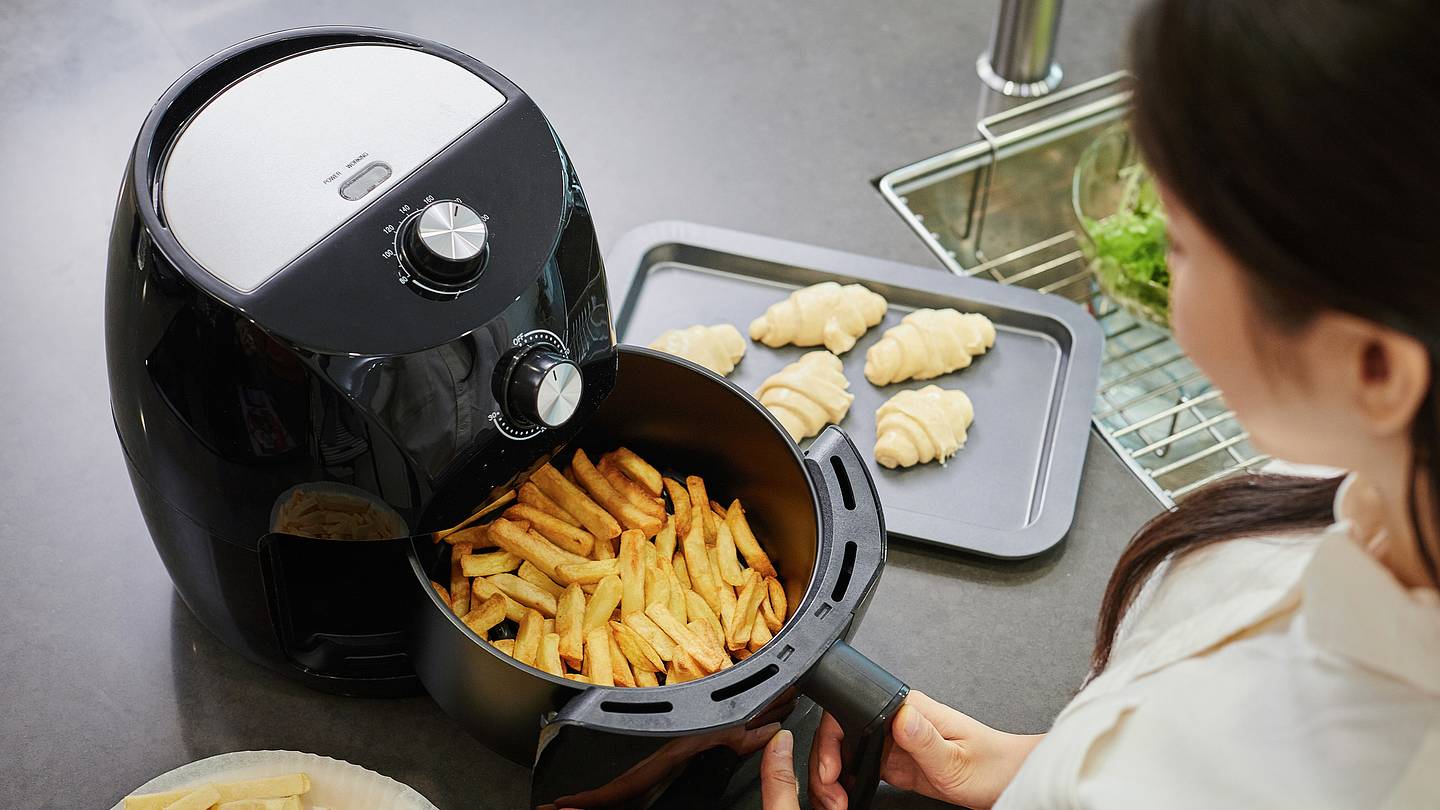
The air fryer is the tiny countertop oven that somehow convinced us it could make dinner, revive leftovers, roast vegetables, crisp frozen snacks, and maybe solve half of adulthood. While it will not fold your laundry or remind you where you put your car keys, it can do much more than reheat fries if you use it the right way.
Getting better results from an air fryer is not about owning the fanciest model or memorizing 87 cooking charts. It is about understanding airflow, moisture, temperature, food spacing, and timing. In other words, the air fryer is not magic. It is a compact convection cooker with a powerful fan, a heating element, and a small basket that rewards smart technique.
Whether you are using a basket-style air fryer, an air fryer toaster oven, or a multicooker with an air-fry setting, these practical air fryer tips will help you make crispier food, avoid soggy disappointment, clean faster, and use your appliance for more than emergency chicken nuggets. Let us get more from that glorious little hot-air machine.
Why Your Air Fryer Works So Well When You Let It
An air fryer cooks by circulating hot air rapidly around food. That fast-moving air dries the surface, encourages browning, and creates a crisp exterior with far less oil than traditional deep frying. But the same feature that makes it powerful also makes it picky. If air cannot move around the food, the food steams. If food is too wet, it softens. If the basket is packed like a suitcase before vacation, dinner suffers.
The best air fryer results come from giving hot air room to work, using just enough oil, flipping or shaking when needed, and checking doneness with common sense instead of blind trust in the preset button. The machine is fast, but it still appreciates respect. Think of it as a tiny oven with big feelings.
12 Simple Ways To Get More Out of Your Air Fryer
1. Give Your Air Fryer Room To Breathe
Your air fryer needs external airflow just as much as the food inside needs internal airflow. Avoid pushing it tightly under cabinets or against the wall while cooking. A cramped air fryer can trap heat, reduce performance, and make your kitchen feel like a toaster is having a personal crisis.
Place the appliance on a stable, heat-safe surface with several inches of open space around it. Keep it away from paper towels, curtains, plastic containers, and anything else that should not be having a dramatic encounter with heat. Better ventilation helps the fan work properly and makes the cooking process safer and more consistent.
2. Preheat When It Makes Sense
Some air fryer recipes call for preheating, and some manufacturers say it is optional. The practical rule is simple: preheat when you want faster browning, crispier coatings, or a strong initial blast of heat. Frozen fries, breaded chicken, roasted vegetables, and small proteins often benefit from a brief preheat.
Preheating usually takes only a few minutes because the cooking chamber is small. That quick warm-up can help food start crisping immediately instead of slowly heating in a lukewarm basket. However, delicate baked goods or foods that need a gentler rise may not always require it. When in doubt, follow your recipe or appliance manual, then adjust based on your results.
3. Stop Overcrowding the Basket
This is the most common air fryer mistake, and it is also the easiest to fix. Do not pile food into the basket and expect golden perfection. Air fryers need space between pieces so hot air can circulate. When food overlaps too much, the bottom pieces steam while the top pieces hog the heat like they paid extra for first class.
For the best results, arrange food in a single layer whenever possible. Leave gaps between chicken tenders, vegetables, fries, tofu cubes, or shrimp. If you are cooking for several people, make two smaller batches instead of one overloaded batch. It may feel slower, but the final food will be crispier, more evenly cooked, and far less sad.
4. Pat Food Dry Before Cooking
Moisture is the enemy of crispiness. Before air frying meat, seafood, tofu, potatoes, or vegetables, use paper towels or a clean kitchen towel to pat the surface dry. This simple step helps the exterior brown instead of steam.
It matters especially for foods like chicken wings, shrimp, zucchini, mushrooms, potatoes, and tofu. Wet food can still cook through, but it often emerges limp or pale. Dry food has a much better chance of becoming crisp, caramelized, and photo-worthy enough to make you briefly consider becoming a food influencer.
5. Use a Little Oil, Not a Swimming Pool
An air fryer does not need much oil, but a small amount can make a big difference. A light coating helps seasonings stick, encourages browning, and improves texture. The key is moderation. You are not deep-frying; you are giving the food a tiny spa treatment.
Use a brush, oil mister, or toss ingredients in a bowl with one or two teaspoons of oil. Avocado oil, light olive oil, canola oil, and other high-heat cooking oils work well for many air fryer recipes. Avoid using too much aerosol cooking spray directly on nonstick baskets, because some sprays can leave residue or damage coatings over time. Spray the food instead, or use a refillable oil mister.
6. Shake, Flip, or Rotate Halfway Through
Air fryers are powerful, but they are not always perfectly even. Food closest to the heat source or fan may brown faster. Shaking the basket or flipping food halfway through cooking helps expose more surfaces to hot air.
Shake fries, tots, chickpeas, green beans, and small vegetables. Flip chicken cutlets, fish fillets, burgers, tofu slabs, and grilled cheese sandwiches. If you are using racks in an air fryer oven, rotate trays when the recipe allows. This one habit can turn “pretty good” food into “why did I ever use the big oven for this?” food.
7. Adjust Oven Recipes for Air Fryer Cooking
Many oven recipes can work in an air fryer, but you need to adjust time and temperature. Because air fryers are compact and circulate heat aggressively, food often cooks faster than it does in a standard oven.
A helpful starting point is to reduce the oven temperature by about 25 degrees Fahrenheit and begin checking food earlier than the original recipe suggests. For example, if a recipe calls for roasting vegetables at 400 degrees Fahrenheit for 25 minutes, try air frying at 375 degrees Fahrenheit and check around 12 to 15 minutes. Exact timing depends on your model, food size, and basket load.
Keep notes on your most common foods. Once you learn that your air fryer turns broccoli crisp-tender in 8 minutes or chicken thighs golden in 18, weeknight cooking becomes dramatically easier.
8. Use the Right Accessories Without Blocking Airflow
Air fryer accessories can expand what your machine can do. Silicone liners, perforated parchment, small cake pans, ramekins, skewers, racks, and heat-safe dishes can help with baking, reheating, roasting, and easier cleanup.
The important rule is airflow first. Do not cover the entire basket with foil or parchment in a way that blocks circulation. If using parchment paper, use food-grade parchment, cut it to fit, and place food on top so it cannot fly up into the heating element. Perforated parchment is especially useful because it allows grease and air to move properly.
Foil can be useful for sticky foods or small items, but avoid using it with highly acidic ingredients such as tomatoes, citrus-heavy marinades, or vinegar-based sauces, because acidity can react with aluminum. Always check your appliance manual before adding accessories.
9. Think Beyond Frozen Fries
Frozen fries may be the air fryer’s celebrity client, but they are not the whole career. Your air fryer can roast vegetables, crisp chickpeas, reheat pizza, toast nuts, cook salmon, bake potatoes, warm pastries, make grilled cheese, revive fried leftovers, and even bake small desserts.
Vegetables are especially good in the air fryer because the hot air browns their edges quickly. Brussels sprouts, cauliflower, carrots, sweet potatoes, green beans, asparagus, mushrooms, and zucchini all benefit from high heat and light oil. Lean proteins such as chicken breast, shrimp, turkey meatballs, and fish can also work well when seasoned properly and not overcooked.
Once you stop treating the air fryer like a frozen-snack machine, it becomes a compact weeknight cooking tool. It is basically a tiny oven that skipped leg day but never misses cardio.
10. Reheat Leftovers the Smart Way
The microwave is fast, but it can turn crispy food into chewy food with emotional baggage. The air fryer is excellent for reheating pizza, fried chicken, roasted vegetables, fries, spring rolls, quesadillas, and anything that originally had texture.
Use moderate heat, usually around 325 to 375 degrees Fahrenheit, and check food frequently. Thin leftovers may need only 3 to 5 minutes. Thicker items may take longer. The goal is to warm the inside while restoring the exterior, not to cook the food into a historic artifact.
For pizza, air frying can crisp the bottom while melting the cheese. For fried chicken, it helps bring back crunch without soaking the coating in oil. For roasted vegetables, it revives browned edges better than the microwave ever could.
11. Use a Food Thermometer for Meat, Poultry, and Seafood
Air fryers cook quickly, but quick does not always mean safe. When cooking meat, poultry, seafood, or leftovers, use a food thermometer to confirm doneness. Color alone is not reliable, especially with breaded foods or thicker cuts.
Common food-safety targets include 165 degrees Fahrenheit for poultry, 160 degrees Fahrenheit for ground meats, and 145 degrees Fahrenheit for fish and whole cuts of beef, pork, lamb, or veal followed by the appropriate rest time. A thermometer prevents both undercooking and overcooking. It is the difference between “perfectly juicy” and “why does this chicken taste like office printer paper?”
12. Clean It After Every Use
A clean air fryer cooks better, smells better, and lasts longer. Grease, crumbs, and stuck-on sauce can smoke, burn, and transfer old flavors to new meals. Nobody wants cinnamon rolls with a faint memory of last night’s garlic wings.
Let the appliance cool, then remove the basket, tray, or rack. Wash removable parts with warm, soapy water and a soft sponge unless your manual confirms they are dishwasher-safe. Avoid metal scrubbers and harsh abrasives that can damage nonstick surfaces. For stubborn residue, soak the basket before scrubbing gently.
Wipe the interior and exterior with a damp cloth, and check the heating area for splattered grease or crumbs after the appliance is fully cool and unplugged. Do not submerge the main unit in water. Regular cleaning is not glamorous, but neither is smoke coming from a mystery crumb fossil.
Best Foods To Try When You Want Better Air Fryer Results
Some foods are naturally suited to air frying because they benefit from fast, dry heat. Start with foods that brown quickly and have enough structure to hold up in the basket.
Vegetables
Try Brussels sprouts, broccoli, cauliflower, carrots, sweet potatoes, green beans, asparagus, mushrooms, and zucchini. Cut pieces evenly, pat them dry, toss lightly with oil, season well, and cook in a single layer. For softer vegetables like zucchini, use slightly larger pieces so they do not collapse too quickly.
Proteins
Chicken thighs, chicken wings, turkey meatballs, salmon fillets, shrimp, tofu, and pork chops can all work well. Use marinades carefully, because excess liquid can drip and smoke. Let wet marinades drain slightly before cooking, and add sticky sauces near the end so they glaze instead of burn.
Leftovers
Pizza, fries, roasted potatoes, fried chicken, egg rolls, and breaded cutlets are excellent candidates for air fryer reheating. Use lower heat than you might use for raw cooking, and check often. The goal is revival, not reincarnation.
Common Air Fryer Mistakes That Make Food Less Crispy
If your air fryer food is coming out soggy, pale, or uneven, the problem is usually one of a few common mistakes. The first is overcrowding. The second is too much moisture. The third is forgetting to shake or flip. The fourth is using too much oil or sauce. The fifth is expecting every food to behave like frozen fries.
Wet batters, for example, do not usually work well in an air fryer unless they are adapted with breading or a coating that can set quickly. Loose herbs and dry spices can blow around if they are not anchored with oil. Very lightweight foods may move inside the basket. Large whole foods may cook unevenly if air cannot reach the center efficiently.
The fix is not complicated. Dry the food, cut pieces evenly, use a light oil coating, cook in batches, and check early. These habits turn the air fryer from a gadget into a reliable kitchen tool.
How To Build Flavor in Air Fryer Recipes
Because air fryers cook quickly, seasoning strategy matters. Salt can be added before cooking for most vegetables and proteins, but delicate herbs are often better added after cooking. Garlic powder, onion powder, smoked paprika, black pepper, chili powder, lemon pepper, Italian seasoning, and curry powder can all work well when mixed with a small amount of oil.
For extra crunch, use coatings such as panko breadcrumbs, crushed cornflakes, finely grated Parmesan, or seasoned flour blends. For vegetables, add a finishing touch after cooking: lemon juice, fresh herbs, grated cheese, toasted sesame seeds, hot honey, or a spoonful of yogurt sauce. The air fryer creates texture; finishing ingredients create personality.
Air Fryer Safety Tips Worth Remembering
Air fryers are simple, but they still use high heat. Always place the appliance on a stable, heat-safe surface. Use the handle, tongs, or oven mitts when removing hot baskets and trays. Keep your face and hands away from steam when opening the drawer. Unplug the appliance before deep cleaning.
Avoid placing loose parchment paper inside during preheating. Do not pour water into the appliance body. Do not use plastic containers unless they are clearly rated for high-heat cooking, and never assume a bowl is air fryer-safe just because it survived the microwave. The microwave and air fryer are different beasts. One warms soup; the other can crisp a potato into greatness.
Real-World Experience: What Actually Makes a Difference
After using an air fryer for everything from weeknight vegetables to leftover pizza, the biggest lesson is that small habits matter more than complicated recipes. The first habit is drying food well. A paper towel may not seem exciting, but it is often the invisible line between crisp edges and soft disappointment. Potatoes, tofu, shrimp, chicken wings, and zucchini all improve when surface moisture is removed before cooking.
The second lesson is that batch cooking is worth it. At first, it feels annoying to cook two rounds of fries or vegetables. Then you taste the difference. A crowded basket gives you uneven browning and floppy pieces hiding underneath the top layer. A lighter basket gives you crisp edges, better color, and food that looks intentional instead of accidentally steamed.
The third experience-based tip is to treat your air fryer like a fast oven, not a deep fryer. It does not love wet batter. It does not love puddles of sauce. It does not love being ignored for 20 minutes while you wander off to answer one email and accidentally reorganize your entire inbox. Air fryer cooking is quick, so staying nearby helps. Shake the basket, peek early, and adjust as needed.
Another useful habit is keeping a tiny air fryer notebook or note on your phone. Write down the settings that work for your favorite foods: frozen fries, salmon, chicken thighs, broccoli, reheated pizza, baked potatoes, or tofu cubes. After a few weeks, you will have your own personal cooking chart that is more useful than a generic online guide because it matches your exact appliance and food preferences.
Cleaning immediately also changes the experience. When the basket is still slightly warm but safe to handle, food residue usually comes off more easily. Letting sticky sauce harden overnight turns tomorrow-you into a dishwasher detective. A quick soak, a soft sponge, and warm soapy water are usually enough. If you cook greasy foods often, wiping the interior after cooling helps reduce smoke and lingering odors.
Finally, the best air fryer meals often come from mixing convenience with fresh ingredients. Frozen items are fine, but the machine shines when you use it for vegetables, proteins, and leftovers that would otherwise require preheating a full oven. A fast dinner might be air-fried chicken thighs, crisp green beans, and reheated rice. A lazy lunch might be leftover pizza revived in four minutes. A snack might be chickpeas tossed with oil, smoked paprika, and salt until crunchy.
The real magic of the air fryer is not that it replaces every appliance. It is that it removes friction. It makes small-batch cooking easier, reheating better, and vegetables more exciting. And any appliance that helps people eat more crispy Brussels sprouts without requiring a sheet pan, a hot oven, and emotional negotiation deserves its spot on the counter.
Conclusion
Getting more out of your air fryer is mostly about technique. Give it space, avoid overcrowding, pat food dry, use a small amount of oil, shake or flip halfway, adjust oven recipes, use accessories wisely, and clean it regularly. Once you understand how hot air moves around food, your air fryer becomes much more than a gadget for frozen fries.
Use it to roast vegetables, crisp proteins, revive leftovers, toast snacks, and simplify weeknight meals. Respect the airflow, check temperatures for safety, and keep experimenting. Your air fryer is ready to do more. It has been waiting patiently on the counter, judging your microwave leftovers in silence.
Note: This article is original web-ready content synthesized from practical U.S. cooking, appliance, and food-safety guidance, written without source links for clean publication formatting.













