
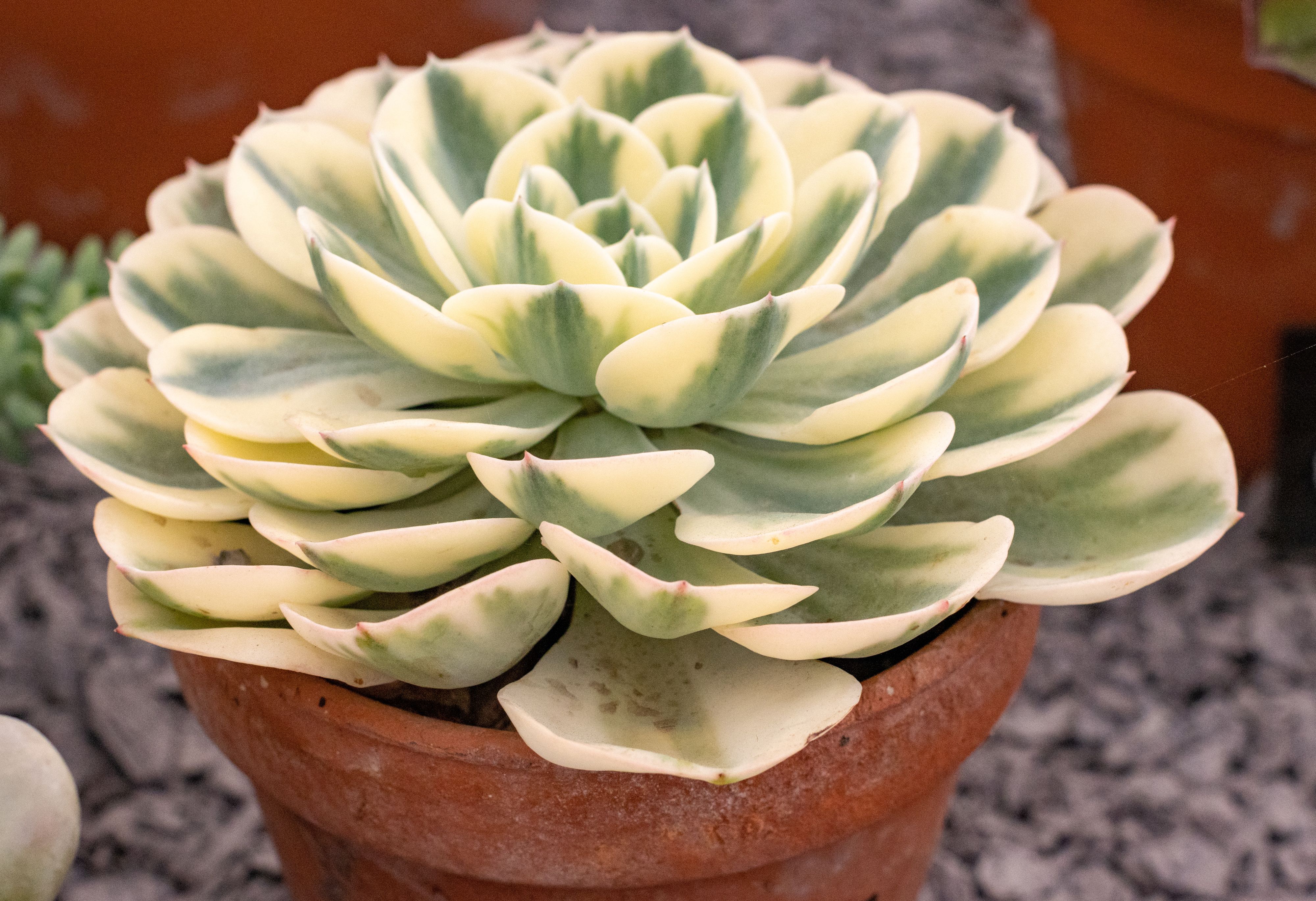
Succulents are the houseplant world’s overachievers: sculptural, low-fuss, and capable of looking expensive even when they cost less than your last takeout order. But once you’ve owned a basic aloe and a “mystery echeveria from the grocery store,” you start craving something… weirder. Something with personality. Something that makes visitors say, “Waitthat’s a plant?”
This guide rounds up 12 genuinely unique succulents (and succulent-like plants commonly grown as succulents) that bring unusual shapes, textures, and growth habits to your indoor jungle. You’ll also get practical care tips, red flags to watch for, and ideas for styling them so they look intentionalnot like you’re running a tiny cactus daycare.
Succulent Success Basics (So You Don’t Accidentally Love Them to Death)
Most succulent “mysteries” are actually three simple problems wearing a trench coat: not enough light, soil that stays wet too long, and watering on a schedule instead of by need.
The quick rules
- Drainage is non-negotiable. Use pots with drainage holes. If your pot has no holes, it’s decor, not a home.
- Use gritty, fast-draining soil. A cactus/succulent mix is a good base. Level up by adding pumice or perlite for extra airflow around roots.
- Water deeply, then wait. Drench the soil until water runs out the bottom, then don’t water again until the mix is dry most of the way down.
- Light drives everything. More light = tighter growth and better color. Low light = stretching, leaning, and “why do you look like that?” energy.
- Rotate your pots. If you don’t, your plant will slowly crawl toward the window like it’s trying to escape.
12 Unique Succulents That Deserve a Spot on Your Shelf
1) Lithops (Living Stones)
Lithops look like pebbles that decided to photosynthesize. They’re built for camouflage, which is a funny flex for a houseplant that lives on a windowsill.
- Why it’s unique: Two thick leaves fused into a “stone” with patterns that mimic rocky ground.
- Light: Very bright light; a sunny window is ideal.
- Water: Seasonal and conservative. Overwatering is the fastest way to lose them.
- Pro tip: If they’re splitting to make new leaves, resist watering until the old pair dries down.
- Good to know: Many growers like Lithops as a novelty plant because it stays compact and can live a very long time with patient care.
2) Fenestraria rhopalophylla (Baby Toes)
Yes, it looks like a cluster of tiny green toes. No, it doesn’t want foot jokes. (It does. It absolutely does.)
- Why it’s unique: Tube-like leaves with translucent “windows” at the tips that let light in.
- Light: Bright light; can handle strong sun if acclimated.
- Water: Let soil dry between watering. It dislikes staying damp.
- Style idea: Top-dress with small gravel so the “toes” pop visually and stay upright.
3) Haworthia cooperi (Window Haworthia)
This one looks like it’s made of green jellyexcept it’s tougher than it looks and far less sticky.
- Why it’s unique: Plump, translucent leaf tips that look like tiny glass bubbles.
- Light: Bright, indirect light; an east-facing window often works well.
- Water: When drydon’t “sip” water; give a thorough soak, then wait.
- Soil: Loose, fast-draining mix (cactus mix plus pumice/perlite is perfect).
- Bonus: Often considered a more forgiving “collector” succulent for indoor shelves.
4) Euphorbia obesa (Baseball Plant)
A round, ribbed, spineless orb that looks like a plant impersonating sports equipment. Minimalist? Yes. Weirdly adorable? Also yes.
- Why it’s unique: Nearly spherical form with subtle striping and ribs; slow-growing and sculptural.
- Light: Bright light; avoid scorching mid-day sun behind hot glass unless acclimated.
- Water: Sparse. Let the mix dry fully before watering again.
- Collector note: Many experienced growers keep it slightly snug in its pot and use a very gritty mix to avoid rot.
- Safety: Like other euphorbias, sap can irritate skinhandle with care.
5) Crassula ‘Buddha’s Temple’
This plant looks like it was designed by an architect who got really into tiny temples and symmetry. It’s a living geometric sculpture.
- Why it’s unique: Stacked, square-ish leaves form a tight, pagoda-like column.
- Light: Bright light; strong indirect light helps it stay compact.
- Water: Only when the soil is dry; it’s more sensitive to rot than many crassulas.
- Style idea: Pair it with a simple potthis plant already brings the drama.
6) Euphorbia tirucalli ‘Sticks on Fire’ (Firestick Plant)
It looks like a coral reef that got into highlighter ink. The color can shift to orange-red with strong sun and cooler temps.
- Why it’s unique: Pencil-thin branching stems with fiery color when stressed (in the good way).
- Light: Bright light to sun; more sun usually means more color.
- Water: Let it dry completely between watering; reduce further in winter.
- Safety: Sap is irritating/toxickeep away from kids and pets and avoid eye contact after handling.
7) Euphorbia lactea f. cristata (Coral Cactus)
This is the plant equivalent of a fantasy creature. “Cactus” is the nickname, but it’s actually a grafted euphorbia with wavy, crested growth.
- Why it’s unique: Cresting, fan-like top that resembles coral or a ruffled brain.
- Light: Bright light; indoors, give it as much as you can without scorching.
- Water: Lightly and only after the mix dries; too much moisture can damage the graft.
- Safety: Euphorbia sap can irritate skingloves are smart.
8) Sedum morganianum (Burro’s Tail / Donkey’s Tail)
Trailing stems packed with plump leaves that look like braided ropes. It’s gorgeousuntil you bump it and the leaves drop like confetti.
- Why it’s unique: Long, pendulous stems with tightly stacked leavesperfect for hanging displays.
- Light: Bright light near a sunny window helps keep it full.
- Water: When dry; overwatering = mushy stems and leaf loss.
- Handling tip: Put it somewhere it won’t be brushed by backpacks, pets, or enthusiastic arms.
9) Curio peregrinus (String of Dolphins)
Each leaf looks like a tiny leaping dolphin. Your plant shelf just got a sense of humor.
- Why it’s unique: Dolphin-shaped leaves on trailing stemsinstant conversation piece.
- Light: Bright light; a sunny window helps it stay dense.
- Water: Let the pot dry out between watering; it’s drought tolerant.
- Propagation: Stem cuttings root readilygreat for filling out thin spots.
- Pet note: Often considered toxic to petsplace out of reach.
10) Curio rowleyanus (String of Pearls)
It’s like a living beaded necklaceexcept it can’t accessorize your outfit, and it will absolutely judge you if you overwater it.
- Why it’s unique: Round “pearls” store water, creating a cascading strand effect.
- Light: Bright, indirect light; some gentle direct sun can be helpful.
- Water: When the top portion of the mix dries; wrinkled pearls can mean it’s thirsty.
- Pot choice: Shallow pots work well since roots don’t need a deep container.
- Pet note: Frequently flagged as a pet-toxic plantkeep it high and safe.
11) Kalanchoe tomentosa (Panda Plant / Chocolate Soldier)
Fuzzy leaves with brown edges that look like they’ve been delicately toasted. It’s basically a succulent in a tiny sweater.
- Why it’s unique: Soft, velvety leaves with contrasting tips; upright form adds height to collections.
- Light: Bright light; too little light makes it leggy.
- Water: Only when dry; it’s drought tolerant indoors.
- Common issue: Overwatering can cause leaf drop or rotthis plant prefers “ignore me, but nicely.”
- Pet note: Often listed as toxicplace accordingly.
12) Adenium obesum (Desert Rose)
Part succulent, part bonsai vibe, part “I bloom when I feel like it.” The swollen trunk (caudex) stores water, and the flowers can be spectacular in the right light.
- Why it’s unique: Thick caudex + tropical-looking blooms = a succulent that acts like it’s in a spa resort.
- Light: Very bright light; lots of sun helps flowering.
- Soil: Fast-draining mix; add grit to prevent soggy roots.
- Water: More in active growth, less in dormancy; never let it sit waterlogged.
- Safety: Toxic if ingestedkeep away from pets and small kids.
Common Problems (And the Fixes That Actually Work)
Leggy, stretched growth
This is almost always a light issue. Move the plant closer to a brighter window, rotate weekly, or use a grow light if your home is dim.
Mushy leaves or a “soft” base
Classic overwatering or soil that stays wet too long. Let the plant dry out, check the roots, and repot into a grittier mix if needed. Remember: succulents don’t want “moist.” They want “occasionally soaked, mostly dry.”
Wrinkled leaves
Usually thirstunless the roots are rotted (then the plant can’t drink). If the soil is bone-dry and roots look healthy, water thoroughly. If roots are dark/mushy, trim damaged roots and repot.
Pests (mealybugs, scale)
Isolate the plant, dab pests with rubbing alcohol on a cotton swab, and improve airflow/light. Succulents rarely need heavy-duty treatments if you catch pests early.
How to Style a “Unique Succulent” Collection Without It Looking Random
- Pick a theme: “Window plants” (Lithops, baby toes, haworthia) or “trailing necklaces” (pearls, dolphins, burro’s tail).
- Use repeated materials: Matching terracotta or a consistent neutral pot color makes weird plants look curated.
- Play with height: Put upright plants (panda plant, desert rose) behind compact ones (Lithops, baby toes).
- Make hangers intentional: Hang one trailing plant, then echo it with a second on a shelfbalance matters.
of Real-World Experience: What Plant People Learn the Hard Way
When people start collecting unique succulents, the first surprise is that the “rare” part isn’t always the hard partthe rhythm is. Most houseplants reward you for consistency. Succulents reward you for restraint. That switch can feel like learning a new language where “I care about you” translates to “I will leave you alone for two weeks.”
A common early story goes like this: someone brings home a string of pearls because it looks like living jewelry. They water it like a pothos, then panic when the pearls soften. The lesson isn’t “never water”it’s “water based on the plant’s storage system.” Pearls and dolphins store water in leaves, so they’d rather dry out than sit damp. Once growers start using a simple testlifting the pot to feel if it’s light, checking the soil with a finger, and looking for subtle wrinklingthe plant stops feeling mysterious and starts feeling readable.
Then there’s the “I bumped the burro’s tail and it exploded” moment. Trailing sedums are famous for dropping leaves if brushed or moved too often. People learn to treat them like display pieces: pick a permanent spot with strong light, then minimize handling. The funny upside is that those fallen leaves can become new plants, so your accident turns into propagationsucculent parenting at its most chaotic-good.
Collectors also figure out that light is the difference between “interesting” and “stunning.” A panda plant in mediocre light looks fine. A panda plant in bright light grows sturdier, keeps tighter spacing, and shows off that chocolate edging like it’s wearing eyeliner. Firesticks are even more dramatic: more sun usually means more color. Many growers keep notesliterally a quick phone notelike “moved closer to south window on Oct 10” so they can connect changes in color and growth to changes in placement. It sounds nerdy, but it’s basically the secret sauce behind a collection that looks magazine-ready.
With Lithops, the big learning curve is timing. People who succeed long-term often describe the same mental shift: they stop thinking “schedule” and start thinking “season.” Living stones can look unchanged for weeks, then suddenly split, and the urge to water “to help” is strong. But the plant is already doing the work internally. The win is patiencewatching the old leaves dry like paper while the new pair takes over. That’s also why many collectors keep Lithops in small pots with gritty mix: it helps avoid the slow, sneaky moisture that causes rot.
Finally, experienced collectors get picky about pots and soil because it reduces stress for everything else. When the mix drains fast and the pot breathes, watering becomes less risky. That’s when the hobby shifts from “please survive” to “okay, now we can collect the weird stuff.” And honestly? The weird stuff is the best part.
Conclusion
A standout succulent collection isn’t about owning the rarest plant on the internetit’s about choosing plants with bold shapes and giving them the simple conditions they crave: bright light, gritty soil, and watering that’s earned, not automatic. Start with one or two from this list (window plants are great for beginners), dial in your light and watering habits, and you’ll have a shelf full of living sculptures that practically decorate the room for you.












