
Grilled vegetables are the quiet heroes of summer cooking. Burgers may get the applause, ribs may get the dramatic slow-motion sauce drizzle, but grilled vegetables? They are the ones turning a regular cookout into something colorful, smoky, fresh, and suspiciously healthy. Best of all, learning how to grill vegetables like a pro does not require a culinary degree, a backyard the size of a national park, or a grill that costs more than your first car.
The secret is simple: choose the right vegetables, cut them evenly, oil them lightly, season with confidence, and cook them over the right heat. When vegetables hit a hot grill, their natural sugars caramelize, their edges char, and their flavor becomes deeper, sweeter, and more interesting. A zucchini suddenly develops a personality. Corn becomes a main character. Mushrooms start acting like steak’s cooler vegetarian cousin.
This guide covers practical grilling techniques, timing tips, flavor ideas, and 15 grilled vegetable recipes you can use for weeknight dinners, backyard parties, vegetarian mains, meal prep bowls, tacos, salads, and “I just want something smoky and delicious without babysitting a complicated recipe” nights.
How To Grill Vegetables Like a Pro
1. Start With the Right Vegetables
Almost every vegetable can be grilled, but some are friendlier than others. Zucchini, eggplant, bell peppers, asparagus, mushrooms, onions, corn, cabbage, potatoes, carrots, cauliflower, and sweet potatoes all perform beautifully over fire. Tender vegetables cook quickly, while dense vegetables need a little patience or a quick head start through parboiling or microwaving.
A good rule: if the vegetable is firm and watery, grill it directly. If it is small, delicate, or likely to commit escape by falling through the grates, use skewers, a grill basket, or foil packets.
2. Cut for Even Cooking
The grill is not a magical correction machine. If one piece of squash is paper-thin and another looks like a doorstop, they will not cook at the same speed. Cut vegetables into similar sizes so they finish together. Long planks work well for zucchini and eggplant. Thick rings are great for onions. Wedges help cabbage stay intact. Halves or quarters work for peppers and mushrooms.
3. Use Oil, But Do Not Drown the Vegetables
A light coating of olive oil or avocado oil helps prevent sticking and encourages browning. Too much oil can drip into the flames and cause flare-ups. Aim for vegetables that look glossy, not like they just returned from a spa treatment.
4. Season Before and After
Salt, pepper, garlic powder, smoked paprika, cumin, chili flakes, oregano, thyme, and lemon zest are excellent partners for grilled vegetables. Season lightly before grilling, then finish with something bright after cooking: lemon juice, vinegar, fresh herbs, pesto, chimichurri, tahini sauce, or a yogurt drizzle.
5. Know Your Heat Zones
Direct heat is best for quick-cooking vegetables such as asparagus, zucchini, peppers, mushrooms, scallions, and tomatoes. Indirect heat helps denser vegetables such as potatoes, carrots, whole onions, and cauliflower cook through without burning on the outside. If you use a charcoal grill, push coals to one side. If you use a gas grill, keep one burner lower or off. Congratulations, you now have a vegetable safety net.
6. Clean and Oil the Grates
Clean grates reduce sticking and give better grill marks. Preheat the grill, brush the grates, then oil them carefully with a folded paper towel held with tongs. Never spray oil directly into a hot grill unless you enjoy dramatic fireballs and eyebrow suspense.
15 Grilled Vegetable Recipes
1. Classic Grilled Vegetable Platter
Best for: cookouts, potlucks, meal prep, and people who say they “just want a little of everything.”
Slice zucchini, yellow squash, eggplant, red onion, bell peppers, and mushrooms into grill-friendly pieces. Toss with olive oil, salt, black pepper, garlic powder, and dried oregano. Grill over medium-high heat until tender and lightly charred, about 3 to 5 minutes per side depending on thickness.
Finish with lemon juice, chopped parsley, and a little flaky salt. Serve warm or at room temperature. This platter is excellent with grilled chicken, burgers, salmon, pasta, or hummus and pita.
2. Balsamic Grilled Zucchini
Zucchini is easy to grill, but it can turn mushy if sliced too thin. Cut it lengthwise into thick planks. Toss with olive oil, salt, pepper, and a splash of balsamic vinegar. Grill over medium-high heat for 2 to 4 minutes per side until grill marks appear and the center is tender but not collapsed.
Top with fresh basil and a small crumble of feta or goat cheese. The balsamic brings sweetness and acidity, while the grill adds smoky depth. It is simple, fast, and much better than sad steamed zucchini, which should be legally required to apologize.
3. Grilled Corn With Chili Lime Butter
Grilled corn is summer’s edible trophy. Pull back the husks, remove the silk, then either grill the corn directly or fold the husks back over for a gentler steam-grill effect. Cook over medium heat, turning often, until kernels are tender and lightly charred.
Mix softened butter with lime zest, lime juice, chili powder, smoked paprika, and a pinch of salt. Brush it over the hot corn and finish with cilantro. For a street-corn-inspired version, add cotija cheese and a light drizzle of crema or mayo.
4. Garlic Herb Grilled Mushrooms
Mushrooms love the grill because their savory flavor intensifies as moisture cooks away. Use large cremini mushrooms, portobello caps, or a mix of sturdy mushrooms. Toss with olive oil, minced garlic, thyme, salt, pepper, and a splash of soy sauce or tamari for umami.
Grill over medium-high heat until browned and juicy, about 4 to 6 minutes per side for larger mushrooms. Serve them as a side dish, burger topping, taco filling, or steak-like vegetarian main. If using portobellos, scrape out the dark gills for a cleaner look and less moisture.
5. Mediterranean Grilled Eggplant
Eggplant becomes silky and smoky on the grill, especially when cut into thick rounds or long planks. Brush both sides with olive oil, then season with salt, pepper, garlic, and oregano. Grill over medium heat until tender, about 4 to 5 minutes per side.
After grilling, drizzle with lemon juice and top with chopped mint, parsley, toasted pine nuts, and a spoonful of yogurt-tahini sauce. Serve it with couscous, grilled pita, or a tomato-cucumber salad. Eggplant absorbs flavor beautifully, so add your dressing while it is still warm.
6. Smoky Grilled Bell Peppers
Bell peppers are practically designed for grilling. Halve them, remove seeds, brush with oil, and grill skin-side down until blistered and charred. Flip briefly to soften the inside. You can serve them as-is or place the hot peppers in a covered bowl for 10 minutes, then peel off the skins for a silky roasted-pepper texture.
Slice them into strips and toss with olive oil, red wine vinegar, garlic, basil, and capers. Use them on sandwiches, antipasto boards, pizzas, pasta salads, or grain bowls.
7. Grilled Asparagus With Lemon Parmesan
Asparagus cooks fast, which is great unless you wander off to “check one thing” and return to vegetable shoelaces. Trim the woody ends, toss spears with olive oil, salt, and pepper, then grill perpendicular to the grates so they do not fall through.
Cook over medium-high heat for 2 to 4 minutes, turning once or twice. Finish with lemon juice, lemon zest, shaved Parmesan, and cracked black pepper. For extra flavor, add toasted almonds or a drizzle of balsamic glaze.
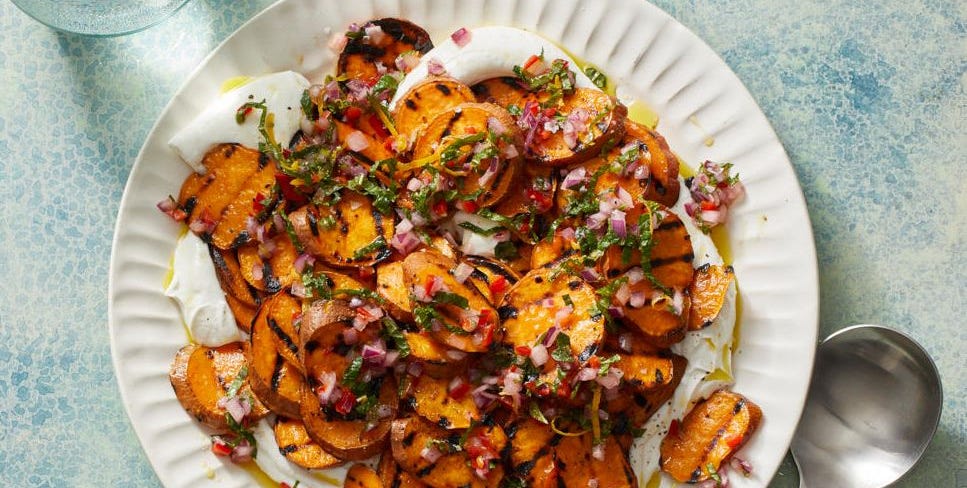
8. Grilled Sweet Potato Wedges
Sweet potatoes need more time than tender vegetables, so give them a head start. Cut into wedges and microwave or steam until just slightly tender, not fully soft. Toss with olive oil, salt, smoked paprika, garlic powder, and a pinch of cayenne.
Grill over medium heat until browned and crisp at the edges, about 3 to 5 minutes per side. Serve with lime yogurt, chipotle mayo, or maple-tahini sauce. These wedges are smoky, sweet, and sturdy enough to make regular fries nervous.
9. Grilled Cabbage Steaks
Cabbage may not sound glamorous, but grilled cabbage steaks are shockingly good. Cut a head of cabbage into thick rounds or wedges, keeping the core attached so the pieces hold together. Brush generously with oil and season with salt, pepper, garlic powder, and caraway or smoked paprika.
Grill over medium heat until charred outside and tender inside, about 5 to 7 minutes per side. Finish with mustard vinaigrette, ranch-style yogurt dressing, or spicy peanut sauce. The edges get crispy, the middle turns sweet, and suddenly cabbage has main-character energy.
10. Grilled Cauliflower Steaks With Romesco
Slice cauliflower into thick steaks through the core. Some florets will fall away; grill those in a basket and pretend it was your plan all along. Brush with olive oil, salt, pepper, smoked paprika, and cumin. Grill over medium heat until deeply marked and tender, flipping carefully.
Serve with romesco sauce made from roasted red peppers, almonds, garlic, olive oil, vinegar, and smoked paprika. The sauce adds richness and color, making this a strong vegetarian main dish with plenty of texture.
11. Grilled Portobello Mushroom Burgers
Portobello mushrooms are excellent for grilling because they are large, sturdy, and naturally savory. Marinate caps in olive oil, balsamic vinegar, soy sauce, garlic, and black pepper for 20 to 30 minutes. Grill over medium-high heat until tender, about 4 to 6 minutes per side.
Serve on toasted buns with lettuce, tomato, grilled onion, avocado, and a swipe of pesto or garlic aioli. Add provolone or Swiss cheese if you want a richer burger. The result is satisfying, smoky, and far more exciting than a lonely lettuce leaf pretending to be dinner.
12. Grilled Vegetable Skewers
Skewers are great for parties because they look festive and keep smaller pieces under control. Use chunks of zucchini, bell pepper, red onion, mushrooms, cherry tomatoes, and parboiled baby potatoes. Keep pieces similar in size and avoid mixing very quick-cooking vegetables with very dense ones unless the dense ones are precooked.
Brush with olive oil, lemon juice, garlic, oregano, salt, and pepper. Grill over medium-high heat, turning every few minutes, until charred and tender. Serve with tzatziki, chimichurri, or a simple herb vinaigrette.
13. Grilled Carrots With Honey Mustard Glaze
Carrots become sweet and earthy on the grill. Choose medium carrots, peel them, and cut thicker ones lengthwise. Parboil for a few minutes until slightly tender, then toss with oil, salt, and pepper. Grill over medium heat until lightly charred.
Brush with a glaze made from Dijon mustard, honey, apple cider vinegar, and a pinch of smoked paprika. Finish with parsley and toasted walnuts. These carrots work beautifully with grilled chicken, pork, tofu, or a grain bowl.
14. Grilled Broccolini With Lemon Tahini
Broccolini grills faster than broccoli and develops crispy tips that taste almost snack-like. Toss with olive oil, salt, pepper, and garlic powder. Grill over medium-high heat for 3 to 5 minutes, turning often, until the stems are tender and the tops are charred.
Whisk tahini with lemon juice, garlic, warm water, and salt until smooth. Drizzle over the hot broccolini and sprinkle with sesame seeds. It is bold, bright, nutty, and ideal when you want a vegetable side that does not whisper politely from the corner.
15. Grilled Tomato and Onion Salad
Tomatoes are delicate, so choose firm ones and grill them briefly. Halve Roma tomatoes or thickly slice large tomatoes. Cut red onion into thick rounds. Brush both with oil and season with salt and pepper. Grill over high heat just until charred and softened, about 1 to 2 minutes per side for tomatoes and slightly longer for onions.
Transfer to a platter and toss with basil, red wine vinegar, olive oil, and fresh mozzarella or white beans. This recipe is excellent with grilled bread because the smoky tomato juices become a sauce. Honestly, grilled bread exists for moments like this.
Best Sauces and Finishers for Grilled Vegetables
Great grilled vegetables do not need much, but a finishing sauce can turn them from “nice side dish” into “who made these and are they accepting compliments?” Try chimichurri with parsley, cilantro, garlic, vinegar, and olive oil. Use pesto for basil-rich sweetness. Make lemon-tahini sauce for nutty creaminess. Stir together yogurt, garlic, lemon, and dill for a cool Mediterranean finish. Or go bold with chili crisp, balsamic glaze, salsa verde, romesco, or hot honey.
Fresh herbs are also powerful. Basil loves tomatoes and peppers. Mint brightens eggplant and zucchini. Cilantro works with corn, sweet potatoes, and cauliflower. Parsley is the reliable friend who gets along with everyone.
Common Grilled Vegetable Mistakes To Avoid
Cutting Pieces Too Small
Tiny vegetable pieces fall through the grates, burn quickly, and create unnecessary drama. Use larger slices, skewers, or a grill basket.
Using Too Much Oil
Oil helps vegetables brown, but excess oil can cause flare-ups. Toss lightly and let extra oil drip off before grilling.
Cooking Everything at the Same Time
Asparagus and potatoes do not share the same schedule. Start dense vegetables first or precook them. Add tender vegetables later.
Walking Away
Vegetables cook fast. Stay nearby, turn them when needed, and remove them when they are tender but still have shape. The difference between charred and cremated can be one enthusiastic conversation.
How To Serve Grilled Vegetables
Grilled vegetables are endlessly useful. Serve them as a side dish with grilled proteins, pile them into tacos, tuck them into sandwiches, toss them with pasta, layer them over hummus, add them to grain bowls, or chop leftovers into omelets. They are also excellent chilled and served as an antipasto-style salad the next day.
For a complete vegetarian meal, pair grilled vegetables with beans, lentils, tofu, tempeh, quinoa, farro, couscous, or grilled halloumi. Add a sauce and something crunchy, such as toasted nuts, seeds, croutons, or crispy chickpeas.
Food Safety Tips for Grilling Vegetables
Vegetables are lower-risk than raw meat or poultry, but good food safety still matters. Wash produce under running water before cutting. Keep raw meat and vegetables on separate cutting boards and plates. Use clean utensils for cooked food. If you are grilling vegetables near meat, prevent raw juices from touching them.
Clean the grill before cooking and preheat it well. If you are serving grilled vegetables at a party, do not leave them sitting out for too long in hot weather. Store leftovers in shallow containers and refrigerate them promptly. Good grilling should be memorable because of flavor, not because everyone had an “interesting digestive evening.”
Personal Experience: What I Learned From Grilling Vegetables the Hard Way
The first lesson I learned about grilled vegetables was simple: confidence is good, but the grill does not care about your confidence. I once threw zucchini, onions, potatoes, mushrooms, and cherry tomatoes onto the grill at the same time, assuming they would all become a beautiful smoky medley. What happened instead was a vegetable talent show with no director. The tomatoes burst immediately, the mushrooms shrank into tiny hats, the zucchini softened too fast, and the potatoes remained as firm as small garden rocks.
That disaster taught me to respect cooking times. Now I divide vegetables into groups. Quick vegetables like asparagus, tomatoes, scallions, zucchini, and peppers go on later. Dense vegetables like potatoes, carrots, sweet potatoes, and cauliflower either get a head start or cook over indirect heat. This one change makes grilled vegetables taste intentional instead of accidental.
The second lesson is that bigger cuts are usually better. Thin slices look elegant on a cutting board, but on a grill they can turn into charcoal bookmarks. Thick planks of zucchini, wide eggplant rounds, cabbage wedges, and large onion rings are easier to flip and less likely to fall apart. They also give you a better contrast between smoky edges and tender centers.
The third lesson is to season in layers. A little salt and oil before grilling helps the vegetables cook well, but the real magic often happens after they come off the heat. Hot grilled vegetables absorb vinaigrettes, lemon juice, garlic oil, and herb sauces beautifully. I like tossing warm peppers and eggplant with red wine vinegar, olive oil, basil, and a pinch of chili flakes. It tastes like something from a sunny café, even if I am standing in flip-flops next to a slightly smoky backyard grill.
I also learned that a grill basket is not cheating. Some people act like real grillers must place every vegetable directly on the grate with heroic precision. Nonsense. A grill basket keeps green beans, mushrooms, cherry tomatoes, broccoli florets, and small potato pieces from disappearing into the flames. It also makes tossing easier, which means more even browning and fewer casualties.
Finally, grilled vegetables are one of the best meal-prep foods because they improve almost everything later. Leftover grilled corn can become salsa. Zucchini and peppers can go into pasta. Mushrooms can top toast or burgers. Eggplant can be chopped into a smoky dip. Grilled onions can make a basic sandwich taste like it has a personal chef hiding inside it.
The biggest pro tip is to stop thinking of grilled vegetables as a backup side dish. Treat them like the main event. Give them heat, seasoning, sauce, texture, and a little attention. Do that, and even the person guarding the steak platter will sneak back for seconds of cabbage. That is when you know the grill has done its work.
Conclusion
Learning how to grill vegetables like a pro is really about mastering a few small habits: cut evenly, oil lightly, season smartly, control heat, and finish with something bright. Once you understand those basics, the grill becomes a flavor machine for nearly every vegetable in your kitchen.
Whether you start with smoky corn, balsamic zucchini, grilled cabbage steaks, portobello burgers, or a full vegetable platter, each recipe gives you a flexible way to cook with more color and less stress. Grilled vegetables are healthy, budget-friendly, easy to customize, and surprisingly impressive. They are also proof that vegetables do not need to be boring; sometimes they just need a little fire and a better public relations team.
Note: This HTML body is prepared for web publishing and contains only original, rewritten editorial content based on real grilling techniques, food-safety guidance, and common American recipe practices.













