
If iron had a publicist, it would be unbearable. The mineral does a lot: it helps your body make hemoglobin, supports oxygen transport, and keeps energy production from turning into a daily nap emergency. Yet iron is also one of those nutrients people usually think about only after they feel wiped out, pale, foggy, or weirdly winded while climbing a staircase that used to feel harmless.
The good news is that you do not need to build your life around bland “health foods” to eat more iron. Some of the best iron-rich foods are familiar, affordable, and genuinely tasty. The trick is knowing which foods bring the most value, which ones are easier for the body to absorb, and how to build meals that help instead of accidentally getting in their own way.
This guide breaks down 15 iron-rich foods worth adding to your routine, plus practical tips for getting more usable iron from the meals you already eat. Because yes, spinach matters, but no, it is not the only player on the team.
Why Iron Matters More Than Most People Realize
Iron helps your body make red blood cells and hemoglobin, the protein that carries oxygen from your lungs to the rest of your body. When iron intake or absorption falls short for long enough, iron deficiency can develop. If it gets worse, that can progress to iron-deficiency anemia. In plain English: your body starts running low on one of the key ingredients it needs to keep oxygen moving efficiently.
That can show up as fatigue, dizziness, headaches, poor exercise tolerance, cold hands and feet, or shortness of breath. Some people write those symptoms off as “just busy,” “just stress,” or “I guess this is adulthood now,” when the real issue deserves a closer look.
There are also two types of iron in food. Heme iron, found in animal foods like meat and seafood, is generally absorbed more easily. Nonheme iron, found in beans, tofu, greens, grains, and fortified foods, still counts, but absorption tends to be lower. That does not make plant foods bad sources. It just means pairing and meal planning matter more.
People who menstruate, pregnant women, growing kids, teens, frequent blood donors, and people with certain digestive or absorption issues may need to pay closer attention to iron intake. If you eat mostly plant-based foods, you can absolutely build an iron-smart diet, but you usually need to be more intentional about it.
15 Iron-Rich Foods to Add to Your Grocery List
1. Clams
Clams are one of the most iron-dense foods you can eat. They are rich in heme iron, which gives them a big advantage when it comes to absorption. If fresh clams are not a regular thing in your kitchen, canned clams can still do the job in chowders, pasta dishes, seafood stews, or even a quick garlicky toast topping.
2. Oysters
Oysters earn their reputation as a nutrient powerhouse. Along with iron, they bring zinc, protein, and a dramatic flair that makes dinner feel fancier than it is. If raw oysters are not your thing, cooked oysters in a pan roast or seafood bake still make a strong case for themselves.
3. Beef Liver
Beef liver is old-school, unapologetically rich, and still one of the classic iron heavy-hitters. It is also packed with other nutrients, which is why it keeps showing up on expert food lists even when nobody is calling it trendy. A small portion goes a long way. If the flavor is intense for you, mixing chopped liver into meatballs or pâté-style spreads can make it more approachable.
4. Lean Beef
Lean beef is a practical iron source because it is widely available, easy to cook, and provides heme iron in a form most people already know how to use. Stir-fries, burgers, tacos, grain bowls, and soups can all do the job. If you are trying to increase iron without reinventing your life, beef is one of the easiest starting points.
5. Dark Turkey Meat
Turkey is often treated like a holiday cameo, but dark meat deserves year-round respect. It provides more iron than many people expect and can be used in chili, sandwiches, rice bowls, casseroles, or meal-prep lunches. It is especially useful for people who want an animal source of iron without leaning heavily on red meat every day.
6. Sardines
Sardines are tiny, affordable, shelf-stable, and nutritionally overachieving. They offer iron along with protein and heart-healthy fats. You can mash them on toast with lemon, toss them into pasta, or add them to a salad if you are feeling adventurous and mature. Or at least pretending to be.
7. Eggs
Eggs are not the highest-iron food on this list, but they are accessible, versatile, and helpful as part of an overall iron-conscious diet. They work especially well for people who want more animal-based iron but do not always want meat or seafood. Pair eggs with sautéed greens, beans, or whole-grain toast for a breakfast that pulls more nutritional weight.
8. Lentils
Lentils are one of the best plant-based iron foods around. They are budget-friendly, filling, and easy to turn into soups, curries, grain bowls, salads, or simple side dishes. They also bring fiber and plant protein, which makes them especially useful for vegetarian and flexitarian eating patterns.
9. White Beans
White beans show up on many high-iron food lists for good reason. They are versatile enough to disappear into soups, spreads, casseroles, and pasta dishes without demanding too much attention. If you want iron without meat, white beans are one of the most practical pantry staples to keep around.
10. Kidney Beans
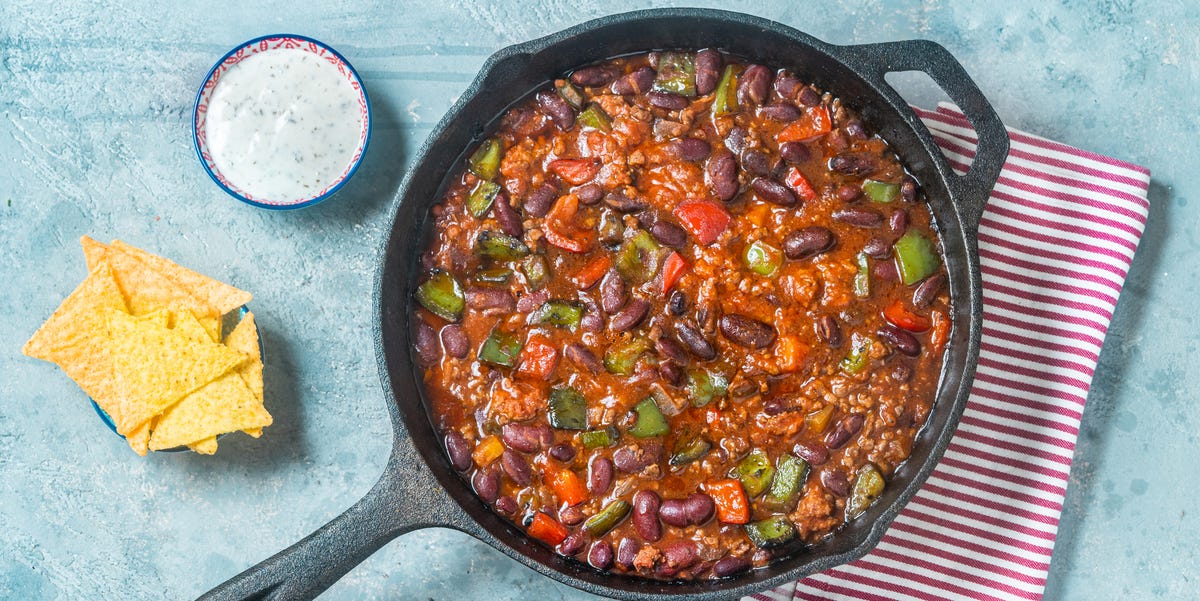
Kidney beans are another smart nonheme iron option. Chili is the obvious choice, but they also work in rice bowls, tacos, bean salads, and blended dips. Because they are mild and hearty, they fit easily into family meals instead of feeling like a special “wellness project” you make once and never repeat.
11. Chickpeas
Chickpeas bring iron, fiber, and enough flexibility to earn a permanent place in your kitchen. Use them in hummus, roasted snacks, curry, soups, or chopped salads. They are especially helpful for people who want to increase iron intake without relying on supplements right away.
12. Tofu
Tofu is one of the strongest plant-based options for iron, especially for people who do not eat meat. It also absorbs flavor like it has no boundaries, which is great news for stir-fries, scrambles, noodle bowls, sheet-pan meals, and sandwiches. Pair tofu with bell peppers, broccoli, or tomatoes to help your body absorb more of its iron.
13. Spinach
Yes, spinach makes the list. No, Popeye was not completely wrong. Spinach does contain iron, and it can absolutely contribute to your overall intake. The catch is that spinach contains compounds that can make iron harder to absorb. That does not mean it is pointless; it just means spinach works best as part of a broader strategy. Try it cooked into eggs, soups, pasta, or lentil dishes and pair it with vitamin C-rich foods when you can.
14. Iron-Fortified Breakfast Cereal
This one surprises people, but fortified cereal can be a major iron contributor. Some products are specifically enriched to help close common nutrient gaps. The keyword here is fortified. Do not assume every cereal qualifies just because it once sat near a cartoon tiger. Check the label. If you choose a lower-sugar fortified cereal and serve it with fruit, you can turn breakfast into a much smarter iron opportunity.
15. Raisins and Dried Apricots
Dried fruit will not carry your entire iron intake on its own, but it is a useful supporting player. Raisins and dried apricots are easy to add to oatmeal, trail mix, yogurt bowls, grain salads, or snack boxes. They are especially helpful for people who need convenient, portable foods that do not require cooking or planning three business days in advance.
How to Get More Iron From the Food You Already Eat
Eating iron-rich foods is only part of the story. Absorption matters too. If you rely on more plant-based sources, this becomes even more important.
Pair iron with vitamin C
Vitamin C can help your body absorb nonheme iron more effectively. That means beans plus tomatoes, lentils plus bell peppers, tofu plus broccoli, or fortified cereal plus strawberries is not just a cute color combination. It is strategy.
Do not let coffee and tea crash the party
Coffee and tea can interfere with iron absorption when you have them with an iron-rich meal. You do not need to break up with your morning coffee. Just avoid treating it like a side dish to every iron-focused meal.
Be mindful with calcium around iron-heavy meals
Calcium-rich foods and supplements can also get in the way of iron absorption for some people. Again, no need for drama. Just avoid stacking everything at the same moment if iron status is a concern.
Use both heme and nonheme sources if you eat mixed diets
If you eat meat, poultry, or seafood, combining them with plant foods can help strengthen overall iron absorption. A beef-and-bean chili, turkey with lentils, or eggs with greens can work better than relying on one source alone.
When Food Alone May Not Be Enough
Sometimes diet helps, but it is not the whole fix. Heavy periods, pregnancy, digestive disorders, blood loss, or absorption problems can make it hard to correct low iron with food alone. That is why persistent fatigue, shortness of breath, headaches, light-headedness, or unusual weakness should not be brushed off forever as “just being tired.”
If you suspect low iron, getting checked matters. A clinician may look at hemoglobin, ferritin, and other lab values to understand what is actually happening. Iron supplements can be useful in the right situation, but they are not casual candy. They can cause side effects, interact with timing around food and medications, and should be used with guidance when deficiency is suspected or confirmed.
In other words, eating more lentils is smart. Diagnosing yourself from three symptoms, two TikToks, and a sudden craving for crushed ice is less smart.
Common Real-Life Experiences With Iron-Rich Eating
One of the most common experiences people have with iron-rich eating is realizing that the issue is not always “I never eat healthy food.” It is often more like “I keep eating foods that are fine, but they are not especially rich in iron, and I repeat the same low-iron routine every day.” A breakfast of toast and coffee, a quick salad at lunch, and a pasta dinner can look perfectly normal while still doing very little to support iron intake.
Another common experience is that people who try to eat more iron often start with spinach and stop there. Then they get frustrated. That is understandable, because spinach has a great reputation and excellent marketing. But in real life, many people do better when they widen the list: fortified cereal at breakfast, lentil soup for lunch, turkey chili for dinner, dried apricots for a snack. Suddenly the effort feels manageable instead of theatrical.
Plant-based eaters often describe a second wave of understanding once they learn that pairing matters. Beans alone are helpful, but beans with tomatoes, tofu with peppers, or oatmeal with berries can make the meal work harder. That discovery tends to feel less like a diet rule and more like a useful kitchen upgrade. Small pairings add up.
People who donate blood regularly or train hard for endurance sports sometimes notice that they feel “off” before they realize iron could be part of the problem. They may describe lower stamina, more fatigue than usual, or recovery that suddenly feels slower. That does not prove iron deficiency by itself, but it is one reason active people often benefit from paying closer attention to iron-rich meals rather than assuming exercise explains everything.
Pregnant women and people with heavy periods often have a different experience: they may already know iron matters, but keeping up with it can feel like a full-time administrative task. Nausea, food aversions, constipation from supplements, and changing appetite can make a simple “just eat more iron” message feel wildly unhelpful. In real life, softer strategies often work better, like using fortified cereal, adding beans to soups, choosing turkey or beef when tolerable, or working with a clinician on supplement timing.
Parents also run into the iron question when feeding babies and toddlers, especially picky ones. The experience here is usually less about nutrition theory and more about survival. Iron-fortified cereal, eggs, beans, soft meats, and toddler-friendly finger foods can become practical tools, not perfection targets.
And then there is the most relatable experience of all: reading a list of iron-rich foods and discovering that dark chocolate is on it. This is not permission to treat dessert like a prescription, but it is a nice reminder that eating for nutrients does not have to feel joyless. The best iron-rich routine is usually the one that fits your actual life, your budget, your culture, and your taste buds well enough to last.
Final Thoughts
If you want to eat more iron, focus on variety instead of one “perfect” food. Build meals around a mix of seafood, meat, beans, lentils, tofu, greens, fortified grains, and smart pairings with vitamin C-rich produce. That gives you more flexibility and a much better chance of sticking with it.
The best list of foods high in iron is not the one that looks impressive on paper. It is the one you will actually buy, cook, and eat often enough to matter. Clams may win the iron Olympics, but if lentils, turkey, cereal, tofu, and beans show up in your kitchen every week, you are still making real progress.













