
Improving your health does not require a dramatic movie montage, a refrigerator full of celery, or a sudden desire to run marathons before sunrise. In real life, better health usually comes from smaller, repeatable habits that quietly do their job day after day. The good news is that the basics still work. Eating better, moving more, sleeping enough, managing stress, and staying on top of preventive care may not sound flashy, but they are the habits that keep showing up in real-world health guidance for a reason.
If your current wellness strategy is “I’ll start on Monday,” welcome. You are among friends. The smartest approach is not perfection. It is momentum. A few practical changes can improve energy, mood, heart health, metabolic health, and long-term resilience. Below are 18 realistic ways to improve your health without turning your life into a full-time wellness internship.
Why Small Changes Work Better Than Health Extremes
Many people think health improves through giant, painful acts of discipline. Usually, the opposite is true. Extreme plans are exciting for three and a half days, and then they collapse under the weight of real life. Sustainable health habits fit into ordinary schedules. They work on busy Tuesdays, travel days, family weekends, and those evenings when motivation leaves the building.
That is why the most effective habits are boring in the best possible way. They are simple enough to repeat and flexible enough to survive imperfect days. You do not need to fix everything at once. You need habits that stack up over time.
18 Ways to Improve Your Health
1. Build your meals around a healthy eating pattern
Instead of obsessing over one “superfood,” focus on the overall pattern of how you eat. A healthier plate usually includes vegetables, fruit, whole grains, beans, nuts, lean protein, and healthier fats more often than highly processed snacks, sugary drinks, and oversized desserts. The goal is not dietary sainthood. The goal is consistency. One balanced lunch every day will do more for you than one heroic salad followed by a weekend of fast-food revenge.
2. Eat more fiber and protein at regular meals
Meals that include fiber and protein tend to be more satisfying, which can help with energy, focus, and appetite control. Think oatmeal with Greek yogurt, eggs with fruit and toast, a bean-and-chicken grain bowl, or salmon with roasted vegetables. When a meal is mostly refined carbs, hunger often comes back like a boomerang. Give your meals some structure, and your body will usually thank you by acting less chaotic.
3. Drink enough water and other healthy fluids
Hydration sounds basic because it is basic, and basic things matter. Many people go through the day slightly underhydrated and then wonder why they feel foggy, tired, or snacky. Water needs vary depending on body size, climate, and activity, but paying attention to regular fluid intake is one of the easiest health upgrades available. Keep a bottle nearby, drink more when it is hot or when you exercise, and do not wait until you feel like a raisin.
4. Move your body most days of the week
Physical activity supports heart health, blood sugar control, mood, sleep, and overall function. It also helps your body remember that it was designed to do more than sit in a chair and refresh a screen. Walking, cycling, swimming, dancing, hiking, and active chores all count. If formal workouts are not your thing, that is fine. Your body does not care whether movement happens in a gym or while speed-walking through a parking lot with determination.
5. Aim for at least 150 minutes of moderate activity each week
A useful target is about 150 minutes of moderate-intensity aerobic activity per week, or 75 minutes of vigorous activity, or a mix of both. That can be broken into manageable chunks. Thirty minutes five days a week works. So does three ten-minute walks in a day. This matters because the best exercise plan is not the one that looks impressive on paper. It is the one you will actually do next week too.
6. Add strength training at least twice a week
Cardio gets plenty of attention, but muscle-strengthening activity deserves a standing ovation. Strength training supports bone health, mobility, metabolism, balance, and healthy aging. You do not need a dramatic warehouse gym and a motivational soundtrack. Bodyweight exercises, resistance bands, machines, or dumbbells can all work. Start with major muscle groups and focus on good form. Building strength makes everyday life easier, from carrying groceries to standing up without making that mysterious “oof” sound.
7. Sit less, even if you already exercise
A daily workout is excellent, but it does not fully erase the downside of sitting for long stretches. If you work or study at a desk, add movement breaks. Stand during calls. Walk while brainstorming. Stretch between tasks. Pace while listening to a podcast. Small interruptions to sedentary time can make your day feel less stiff and more human. Health is not just about your “exercise hour.” It is also about what happens during the other twenty-three.
8. Protect your sleep like it is part of your treatment plan
Adults generally do best with about seven to nine hours of sleep a night. Sleep affects mood, concentration, appetite, recovery, heart health, and immune function. In other words, sleep is not a luxury item for people with suspiciously tidy homes. It is basic maintenance. A more consistent bedtime, less late-night scrolling, a darker room, and a wind-down routine can improve sleep quality. Your morning self will be less grumpy, and your afternoon self may stop negotiating with vending machines.
9. Manage stress on purpose, not by accident
Stress will visit. The question is whether you have a plan for it. Healthy stress management can include exercise, meditation, breathing exercises, journaling, prayer, stretching, counseling, or simply taking a real break before your brain starts sending passive-aggressive emails to the rest of your body. Chronic stress can affect both mental and physical health, so building a routine for stress relief is not indulgent. It is practical.
10. Take care of your mental health before you hit a wall
Mental health is health. Full stop. If your mood is slipping, anxiety is rising, or you feel emotionally overloaded, do not wait until things become unbearable. Start with supportive habits such as better sleep, regular movement, social connection, and time away from doom-scrolling. If symptoms persist or interfere with daily life, reach out to a licensed professional. Asking for help is not weakness. It is maintenance, just like seeing a doctor for a persistent cough or a mechanic for a very suspicious car noise.
11. Stay socially connected
Humans are not built to thrive in total isolation. Strong relationships support emotional well-being and can also benefit physical health over time. This does not mean you need a giant friend group or a packed social calendar. It means making space for meaningful connection. Call a sibling. Text a friend you keep meaning to text. Join a class, faith group, volunteer project, or local activity. Tiny acts of connection add up, and loneliness has a way of shrinking when you create opportunities for belonging.
12. Quit smoking and avoid nicotine products
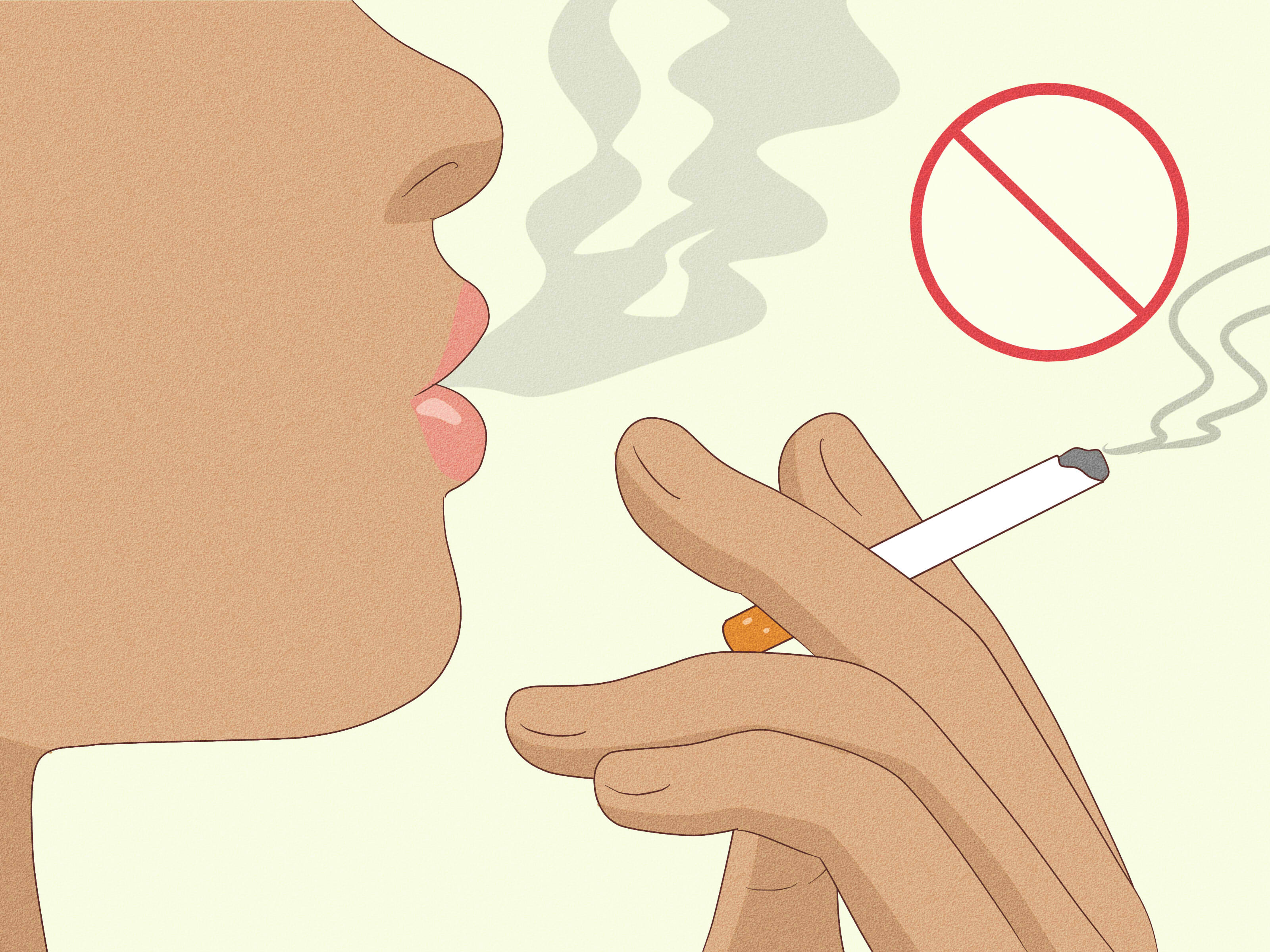
If you smoke, quitting is one of the most powerful ways to improve your health. The same goes for avoiding nicotine exposure from other products. Quitting can benefit the heart, lungs, circulation, and long-term disease risk. It is also worth saying that quitting does not have to be a solo mission. Coaching, quitlines, support programs, and medications can help. This is one area where “white-knuckling it” is not the only option, and often not the best one.
13. Drink less alcohol, or skip it entirely
Many people treat alcohol like a harmless side character, but excessive drinking can affect sleep, mood, liver health, blood pressure, safety, and more. Even people who do not identify as heavy drinkers may feel better when they cut back. Try setting limits, alternating with water, avoiding drinking triggers, or taking alcohol-free days each week. If you are using alcohol to manage stress, boredom, or sleep, that is especially worth rethinking. Wine is not a licensed therapist, no matter how fancy the label looks.
14. Keep up with preventive checkups and screenings
Feeling fine is not the same as being fully informed. Preventive care matters because many conditions are easier to treat when they are found early. Depending on your age, sex, family history, and risk factors, that may include blood pressure checks, cholesterol testing, diabetes screening, cancer screening, and routine dental care. Skipping preventive appointments because nothing feels wrong is a bit like ignoring the dashboard lights in your car and hoping the engine appreciates your optimism.
15. Stay up to date on recommended vaccines
Vaccines are part of preventive health, not an optional side quest. Recommended vaccines vary by age, health conditions, work, travel, and other risk factors, so it helps to review them with a healthcare professional. Staying current can reduce the risk of serious illness and help protect people around you as well. A quick check of your vaccine status may not feel dramatic, but it is one of those quiet, responsible moves that ages extremely well.
16. Take oral health seriously
Your mouth is not separate from the rest of your body, despite the strong marketing efforts of certain candy aisles. Good oral care means brushing twice a day with fluoride toothpaste, cleaning between teeth daily, limiting frequent sugary snacks and drinks, and seeing a dentist regularly. Healthy gums and teeth make eating, speaking, and daily comfort easier. Neglecting oral care tends to produce consequences that are both expensive and deeply annoying.
17. Protect your skin from the sun
Sun protection is not just a beach-day thing. Daily exposure adds up over time. Protecting your skin can lower the risk of skin cancer, sunburn, and premature skin aging. Use shade when possible, wear protective clothing, and choose a broad-spectrum sunscreen with SPF 30 or higher. Apply it generously and reapply as needed. Your future self may not send a thank-you card, but your skin will appreciate the effort.
18. Know your numbers and track your health trends
It is easier to improve what you understand. Knowing your blood pressure, cholesterol, blood sugar, weight trends, sleep habits, and activity level can help you make better decisions earlier. This is not about becoming obsessed with every metric. It is about paying attention to useful information. You do not need to micromanage your body like a hedge fund manager. You do need enough awareness to notice when something is drifting in the wrong direction.
How to Start Without Overcomplicating Everything
The easiest way to improve your health is to stop trying to improve all of it by next Tuesday. Pick two or three habits and make them obvious. Put fruit where you can see it. Schedule your walk like an appointment. Set a bedtime alarm. Keep floss where it is impossible to ignore. Refill your water bottle before meetings. Book the preventive appointment you have been postponing with heroic levels of denial.
A good first-week plan might look like this: walk for twenty minutes after lunch, add one vegetable to dinner, and go to bed thirty minutes earlier. That is not flashy. It is effective. Health habits win by repetition, not drama.
What These Health Changes Feel Like in Real Life
In real life, health improvements rarely arrive with trumpets. They often show up in quieter ways. A person who starts walking after dinner may first notice that their mind feels clearer before they notice any physical change. Someone who begins eating a more balanced breakfast may realize they are no longer ravenous by 10:30 a.m. A person who starts sleeping more consistently may find that they are less reactive, more focused, and slightly less tempted to treat caffeine like a personality trait.
People who drink more water and cut back on sugary drinks often describe a subtle but meaningful change in how steady they feel during the day. Energy becomes less up-and-down. Headaches may become less frequent. That midafternoon crash can feel less dramatic. It is not magic. It is simply the body functioning more smoothly when it gets what it needs more consistently.
Exercise experiences can be especially interesting because the early rewards are not always the ones people expect. Many start moving because they want to change weight or appearance, but they stay with it because walking helps anxiety, strength training makes daily life easier, and regular movement improves sleep. A person who begins resistance training may be most excited not by the mirror, but by the moment they carry a heavy bag upstairs without feeling personally betrayed by gravity.
Stress management also tends to feel more practical than inspirational. A short breathing routine before work, a phone-free walk, or ten minutes of journaling can help create space between stress and reaction. People often report that they still have stress, but it no longer drives the car. That is a major difference. The goal is not a perfectly calm life. The goal is a nervous system that gets more chances to recover.
Preventive care brings its own kind of relief. Many people put off checkups because they are busy, nervous, or convinced that avoiding information counts as a strategy. Then they finally go, get clarity, and realize the appointment was easier than the months of worrying. Whether the outcome is reassurance or an early catch, being informed usually feels better than guessing. The same is true for dental visits, eye exams, vaccines, and routine screenings.
Social connection may be the most underrated experience of all. Reaching out to a friend, joining a group, or spending more intentional time with family can improve health in a way that feels surprisingly immediate. People often feel more grounded, less isolated, and more supported in the habits they are trying to build. Health gets easier when it is not a solo project.
The biggest shared experience is this: once people stop chasing perfection and start repeating a few useful habits, health becomes less overwhelming. They feel more capable. More stable. More connected to their own routines. Better health often begins with ordinary actions done often enough that they start to feel normal. And that is the point. The best health habits are the ones that become part of your life, not the ones that make a brief, dramatic entrance and then disappear forever.
Final Thoughts
If you want to improve your health, start with what is repeatable. Eat better most of the time. Move more. Sleep enough. Stress less on purpose. Stay connected. Keep up with preventive care. Protect your body in small, intelligent ways. None of this requires a perfect life. It just requires a willingness to make choices that support the version of you who would like to feel stronger, clearer, and more capable.
You do not need all 18 strategies at once. You need a starting point. Pick one habit today, one more next week, and let consistency do the heavy lifting. Health is not built in one grand gesture. It is built in the small decisions you repeat until they become who you are.












