
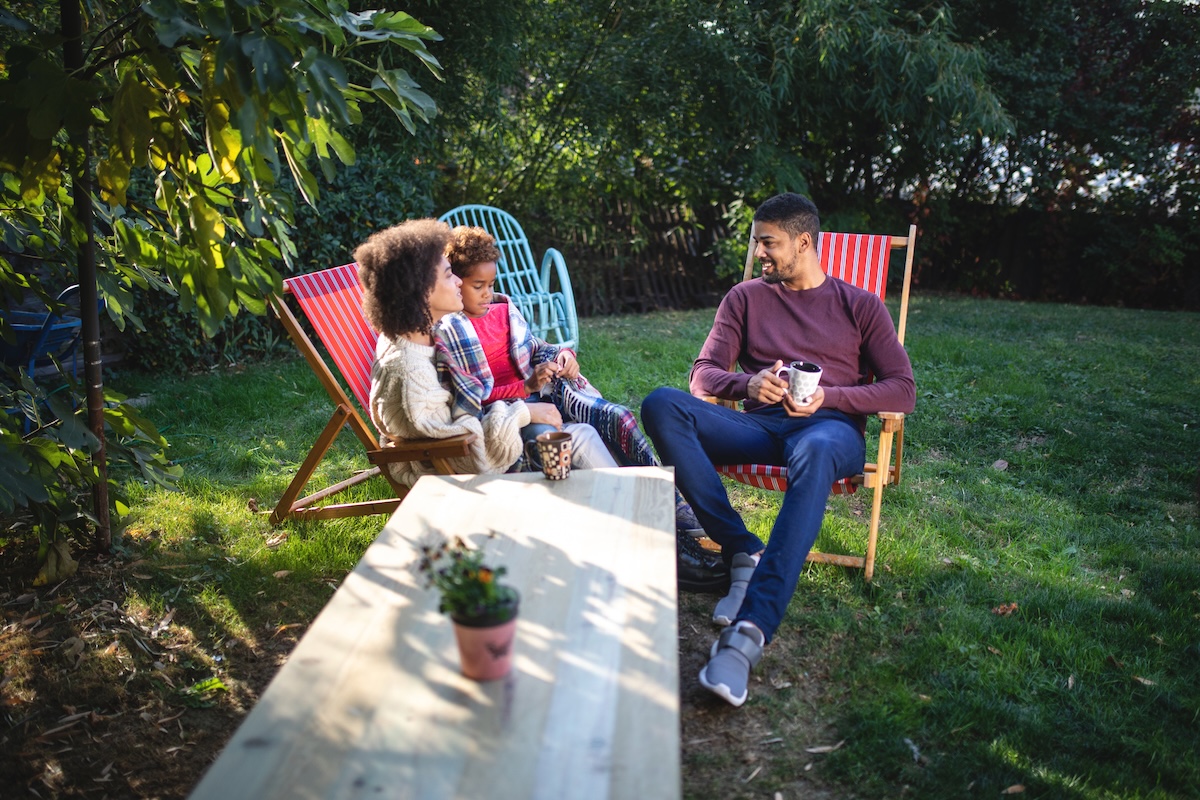
There is a special kind of peace that comes from sitting in your backyard without feeling like you are accidentally starring in your neighbor’s dinner conversation. A private backyard does not have to mean a fortress, a six-foot wall, or pretending not to see Bob from next door waving over the fence again. With the right backyard privacy ideas, you can create a space that feels calm, stylish, practical, and wonderfully yours.
Whether you have a tiny patio, a suburban lawn, a deck that faces three windows, or a backyard big enough to lose a garden hose in, privacy can be designed in layers. The best solutions often combine fencing, plants, screens, shade structures, outdoor curtains, strategic furniture placement, and a little creativity. The goal is not just to block views. It is to shape an outdoor room that feels cozy, intentional, and comfortable.
Below are 24 backyard privacy ideas you will want to copy, from quick weekend fixes to long-term landscaping upgrades. Some are budget-friendly. Some are plant-lover dreams. Some are so simple you may wonder why you did not try them three summers ago.
Why Backyard Privacy Matters
Backyard privacy is about more than hiding from neighbors. It helps define outdoor living areas, soften noise, reduce wind, improve shade, and make patios, decks, pools, fire pits, and dining spaces feel more inviting. A thoughtful privacy plan can also increase curb appeal and make your yard function more like an extension of your home.
The smartest approach is to think in zones. You may not need to screen the entire property line. Instead, focus on the places where you actually spend time: the patio table, lounge chairs, hot tub, grill station, garden bench, or kids’ play area. Privacy where it counts is often cheaper, prettier, and easier to maintain than walling off the whole yard like a medieval castle with throw pillows.
24 Backyard Privacy Ideas You’ll Want to Copy
1. Build a Classic Wood Privacy Fence
A wood privacy fence remains one of the most reliable backyard privacy ideas because it works immediately. Cedar, redwood, and pressure-treated pine are popular choices, and the design can be customized with vertical boards, horizontal slats, cap rails, or decorative trim. For a modern look, go with clean horizontal boards. For a traditional yard, vertical pickets or board-on-board fencing feels timeless.
Before building, check local fence height rules, HOA guidelines, and property lines. Nothing ruins a backyard makeover faster than discovering your beautiful new fence is six inches into someone else’s world.
2. Try Horizontal Slat Screens
Horizontal slat screens are perfect for patios, decks, and side yards because they feel modern without being too heavy. You can leave small gaps between the boards to let air and light through while still blocking direct views. Stain the wood dark for a sleek contemporary style, or keep it natural for a warm, casual look.
This idea works especially well behind outdoor sofas, around hot tubs, or beside dining areas. It creates the feeling of an outdoor wall without closing off the entire yard.
3. Plant an Evergreen Hedge
If you want year-round privacy, evergreen hedges are the landscape equivalent of a loyal friend who never flakes. Arborvitae, holly, boxwood, yew, juniper, privet, and certain cypress varieties can create dense green screens that stay attractive through winter. Choose plants based on your climate, mature height, sunlight, soil, and maintenance preferences.
Evergreen hedges take time to fill in, but the reward is a living privacy wall that softens noise, supports wildlife, and looks better with age. Plant in staggered rows if you want a fuller effect.
4. Layer Trees, Shrubs, and Grasses
One of the most natural-looking backyard privacy ideas is a mixed privacy border. Instead of planting a single straight row of identical shrubs, layer small trees in the back, medium shrubs in the middle, and ornamental grasses or perennials in front. This creates depth, texture, and seasonal interest.
A layered screen is also more resilient. If one plant struggles, the entire privacy plan does not collapse dramatically like a reality TV finale. Mix evergreen and deciduous plants for structure, flowers, berries, movement, and color.
5. Add Tall Ornamental Grasses
Ornamental grasses are excellent for soft privacy around patios, fire pits, decks, and pool areas. Switchgrass, feather reed grass, big bluestem, miscanthus, and native grass varieties can create graceful vertical screening with movement and texture. Many are low-maintenance once established and bring beautiful fall and winter interest.
Use grasses where you want partial privacy rather than a solid wall. They are especially useful for softening fences, hiding utility areas, and framing seating zones.
6. Use Lattice Panels With Climbing Vines
Lattice panels are affordable, flexible, and easy to dress up. Install them along a deck railing, fence line, or patio edge, then add climbing plants such as clematis, climbing roses, jasmine, honeysuckle, or native vines suitable for your region.
The result is charming, airy, and romantic without feeling boxed in. Just be sure to choose vines carefully. Some climbers can become aggressive, so check local recommendations before planting anything that acts like it has a five-year plan to conquer the neighborhood.
7. Hang Outdoor Curtains
Outdoor curtains are one of the fastest ways to make a backyard feel private. Hang weather-resistant panels from a pergola, porch, gazebo, or freestanding frame. They can be opened when you want sun and airflow, then closed when you want privacy, shade, or protection from a light breeze.
Choose outdoor-rated fabric that resists mildew and fading. White curtains create a breezy resort vibe, while darker panels add drama and better light blocking.
8. Install a Pergola With Privacy Add-Ons
A pergola does not automatically create privacy, but it gives you a perfect structure for adding it. Attach curtains, roll-up bamboo shades, lattice panels, climbing vines, or a retractable canopy. This is ideal over dining patios, outdoor kitchens, poolside lounges, or cozy reading corners.
For extra comfort, add string lights, a fan, and container plants. Suddenly your backyard is not just private; it is suspiciously close to becoming everyone’s favorite “room” in the house.
9. Create a Living Wall
A living wall uses vertical planters, wall-mounted pockets, trellis systems, or stacked containers to grow plants upward instead of outward. It is an excellent privacy solution for small yards, balconies, and narrow patios where ground space is limited.
Try herbs, ferns, succulents, trailing plants, flowering annuals, or compact evergreens depending on light conditions. A living wall can screen an ugly fence, soften a blank wall, and make a small space feel lush.
10. Add Freestanding Privacy Screens
Freestanding privacy screens are great for renters, small patios, or anyone who wants flexibility. They come in wood, metal, vinyl, composite, bamboo, and laser-cut designs. You can move them as needed, store them during harsh weather, or use them to block one specific sightline.
Place a screen behind a bench, beside a grill, near a hot tub, or along a deck edge. Pair it with planters to make it feel permanent and polished.
11. Use Tall Planters as Movable Barriers
Large planters filled with tall plants can create instant privacy without construction. Use them around patios, decks, balconies, or outdoor dining areas. Good options include dwarf conifers, tall grasses, bamboo-like clumping plants, large tropicals in warm climates, or columnar shrubs.
Choose heavy containers or add weight to the bottom so wind does not turn your privacy screen into a traveling garden performance.
12. Cover a Chain-Link Fence
Chain-link fences are practical, but they are not exactly known for their cozy charm. Improve privacy by adding privacy slats, reed fencing, bamboo rolls, mesh windscreen, wood panels, or climbing vines. For the best look, combine a fence covering with shrubs or grasses planted in front.
This is one of the best budget backyard privacy ideas because it works with an existing structure instead of starting from scratch.
13. Add a Shade Sail
Privacy is not only about side views. Sometimes the issue is overhead exposure from nearby balconies, second-story windows, or elevated decks. Shade sails can help create a more secluded feeling while also reducing sun exposure.
Install a triangular or rectangular sail over a seating area, play space, or dining patio. Choose durable outdoor fabric and secure it properly to posts, walls, or other stable anchors.
14. Build a Privacy Wall Around a Hot Tub
If there is one backyard feature that deserves privacy, it is the hot tub. A partial wood wall, lattice enclosure, pergola curtains, tall planters, or layered shrubs can make the area feel relaxing instead of awkward. You do not need to enclose the entire tub; screening the most visible angles is usually enough.
Add hooks for towels, soft lighting, and a small side table. Congratulations, your backyard now has spa energy without the spa invoice.
15. Use Bamboo Carefully
Bamboo can be a fast, beautiful privacy screen, but it needs careful selection. Clumping bamboo is generally easier to manage than running bamboo, which can spread aggressively. In some areas, running bamboo may be restricted or considered invasive.
If you love the bamboo look, consider clumping varieties suited to your climate, large containers, or bamboo-style fencing panels. Always research local guidance before planting bamboo directly in the ground.
16. Plant Small Trees for Strategic Screening
Small ornamental trees can block upper-level views better than fences. Serviceberry, dogwood, redbud, crape myrtle, Japanese maple, evergreen magnolia, and other regionally appropriate trees can add privacy, shade, flowers, and structure.
Place trees where they interrupt key sightlines from windows or neighboring decks. This approach feels softer and more natural than building taller barriers everywhere.
17. Create a Private Garden Nook
You do not need to privatize the whole backyard. A garden nook can be tucked into a corner with a bench, arbor, trellis, shrubs, and a gravel or paver base. Add flowering vines or tall plants around the seating area to make it feel hidden.
This is a great idea for reading, morning coffee, journaling, or pretending you are unavailable while clearly holding a mug and avoiding chores.
18. Install Decorative Metal Panels
Laser-cut metal panels offer privacy with personality. Patterns range from leaves and geometric shapes to modern abstract designs. They work well as fence inserts, patio screens, deck dividers, or focal walls.
Metal panels are durable and stylish, but they can heat up in direct sun. Use them where they provide screening without making a seating area uncomfortable.
19. Add a Garden Arbor or Trellis Gate
An arbor or trellis gate can make a backyard entrance feel more private and intentional. It creates a visual transition from one space to another and can support climbing vines for added coverage.
Use this idea between a driveway and backyard, at the entrance to a side yard, or as a doorway into a garden seating area. It is privacy plus charm, which is basically the landscaping version of wearing a nice jacket.
20. Use Outdoor Furniture Placement
Sometimes privacy starts with rearranging what you already own. Place sofas, benches, sectionals, or dining sets so they face inward rather than toward neighbors. Use tall-backed seating, umbrellas, planters, and side tables to create a protected conversation zone.
An outdoor rug can also help define the area visually. Once the space feels like a room, it naturally feels more private.
21. Screen the Deck Railing
Decks often feel exposed because they sit higher than the yard. Add privacy by attaching lattice, slat panels, outdoor fabric, railing planters, or built-in benches with tall backs. For a softer look, combine deck screens with container plants and climbing vines.
Make sure any additions are securely installed and do not overload the railing. Privacy is great; structural surprises are not.
22. Build Raised Beds Along the Fence
Raised beds can lift plants higher, helping them provide privacy sooner. Build beds along a fence or patio edge, then fill them with shrubs, grasses, flowering perennials, or edible plants. This is especially useful when your fence is slightly too low or when you want to soften a hard boundary.
Raised beds also improve soil control and drainage, making them practical as well as attractive.
23. Add a Gazebo or Cabana
A gazebo, cabana, or covered pavilion creates a private destination in the yard. Curtains, screens, or partial walls can turn it into a shaded retreat for dining, lounging, or entertaining. This option is more of an investment, but it can dramatically improve outdoor living.
Choose a style that matches your home: classic wood, modern black metal, coastal white, or rustic timber. Add lighting and comfortable furniture so the space gets used often.
24. Combine Several Privacy Ideas
The most successful backyard privacy designs usually combine two or three ideas. A fence plus vines. A pergola plus curtains. A hedge plus ornamental grasses. A deck screen plus planters. Layering creates a more beautiful, natural, and flexible result than relying on one solution alone.
Think of it like dressing for unpredictable weather. One layer might work, but several layers make everything more comfortable.
How to Choose the Right Backyard Privacy Idea
Before you buy plants or lumber, walk around your yard and identify the exact views you want to block. Sit where you normally sit. Stand by the grill. Look from the hot tub, dining table, lounge chair, and back door. Privacy problems often come from specific angles, not the entire property line.
Next, decide whether you need instant privacy or long-term screening. Fences, curtains, panels, and screens work right away. Trees, shrubs, vines, and grasses become more effective over time. If you need privacy now but love the look of plants, combine temporary screens with young landscaping.
Also consider maintenance. A clipped hedge looks elegant but needs pruning. Outdoor curtains look beautiful but may need cleaning and seasonal storage. Wood fences need sealing or staining. Living walls require watering. The best privacy solution is one you will realistically maintain, not one that looks perfect only in a photo and then silently judges you from the corner of the yard.
Budget-Friendly Backyard Privacy Tips
If you are improving privacy on a budget, start small. Focus on the most-used area first, such as the patio or deck. Add a freestanding screen, outdoor curtains, or tall planters before investing in full fencing or major landscaping. Repurpose materials where possible, such as using lattice, salvaged wood, large pots, or simple trellis panels.
Plants can also be budget-friendly if you are patient. Smaller shrubs cost less than mature specimens and often establish better. Fill gaps with annual vines, tall perennials, or ornamental grasses while permanent plants grow. Mulch well, water consistently, and give plants enough spacing so they can reach their natural shape.
My Real-World Experience With Backyard Privacy
The biggest lesson I have learned from backyard privacy projects is that people usually overestimate how much screening they need and underestimate how much comfort a small change can create. You may think you need a full fence around the entire yard, but after placing two tall planters beside the patio and adding curtains to one side of a pergola, the space can suddenly feel completely different.
One of the most effective setups I have seen used a simple three-part formula: a wood fence for the lower view, shrubs for softness, and a small ornamental tree to block the neighbor’s upstairs window. None of the elements was dramatic on its own, but together they created a private, layered backdrop that looked intentional instead of defensive. That is the secret. Great privacy does not shout, “Do not look at me!” It quietly says, “This is a comfortable place to sit.”
Another experience worth sharing is that plants need more planning than people expect. It is tempting to buy the fastest-growing hedge available, plant everything close together, and hope for an instant green wall. The problem is that fast growth can mean more pruning, more crowding, and more maintenance later. Slower or moderate growers may take patience, but they often create a cleaner, healthier screen. Always check the mature size on the plant tag, not just the cute little size it has at the garden center. Baby shrubs are adorable liars.
For small yards, I have found that vertical privacy works best. Lattice panels, trellises, wall planters, narrow evergreens, and tall containers can make a compact patio feel intimate without stealing floor space. A bistro table, an outdoor rug, two planters, and a slatted screen can turn a plain concrete corner into a private café-style retreat. Add string lights, and suddenly you are not “sitting outside”; you are “enjoying an outdoor living experience,” which sounds much fancier and may justify dessert.
For larger yards, privacy works better in destinations. Instead of trying to screen every inch, create private pockets: a dining zone near the house, a fire pit corner, a garden bench under a tree, or a lounge area near the pool. Use hedges, grasses, curtains, and screens to make each zone feel cozy. This keeps the yard open while still giving you places to relax without feeling exposed.
Finally, remember that privacy should not eliminate friendliness. A backyard can feel secluded without becoming cold or closed off. Leave pleasant views open, frame attractive trees, and keep airflow in mind. The goal is not to disappear from the planet. The goal is to enjoy your coffee, your cookout, your book, or your Saturday nap without feeling like the neighborhood has premium seating.
Conclusion
Backyard privacy is one of the most rewarding upgrades you can make because it changes how your outdoor space feels every day. Whether you choose a classic fence, evergreen hedge, pergola curtains, ornamental grasses, privacy screens, raised beds, or a mix of several ideas, the best solution is the one that fits your space, climate, budget, and lifestyle.
Start with the views you most want to block, then layer hardscape and plants for a natural, comfortable result. With a little planning, your backyard can become a private retreat for morning coffee, weekend grilling, quiet reading, family dinners, and the occasional dramatic escape from household responsibilities.
Note: Before installing fences, walls, pergolas, major screens, or large trees, check local building codes, HOA rules, property lines, easements, and underground utility locations.














