
Note: Body-only HTML, ready for copy/paste and web publishing.
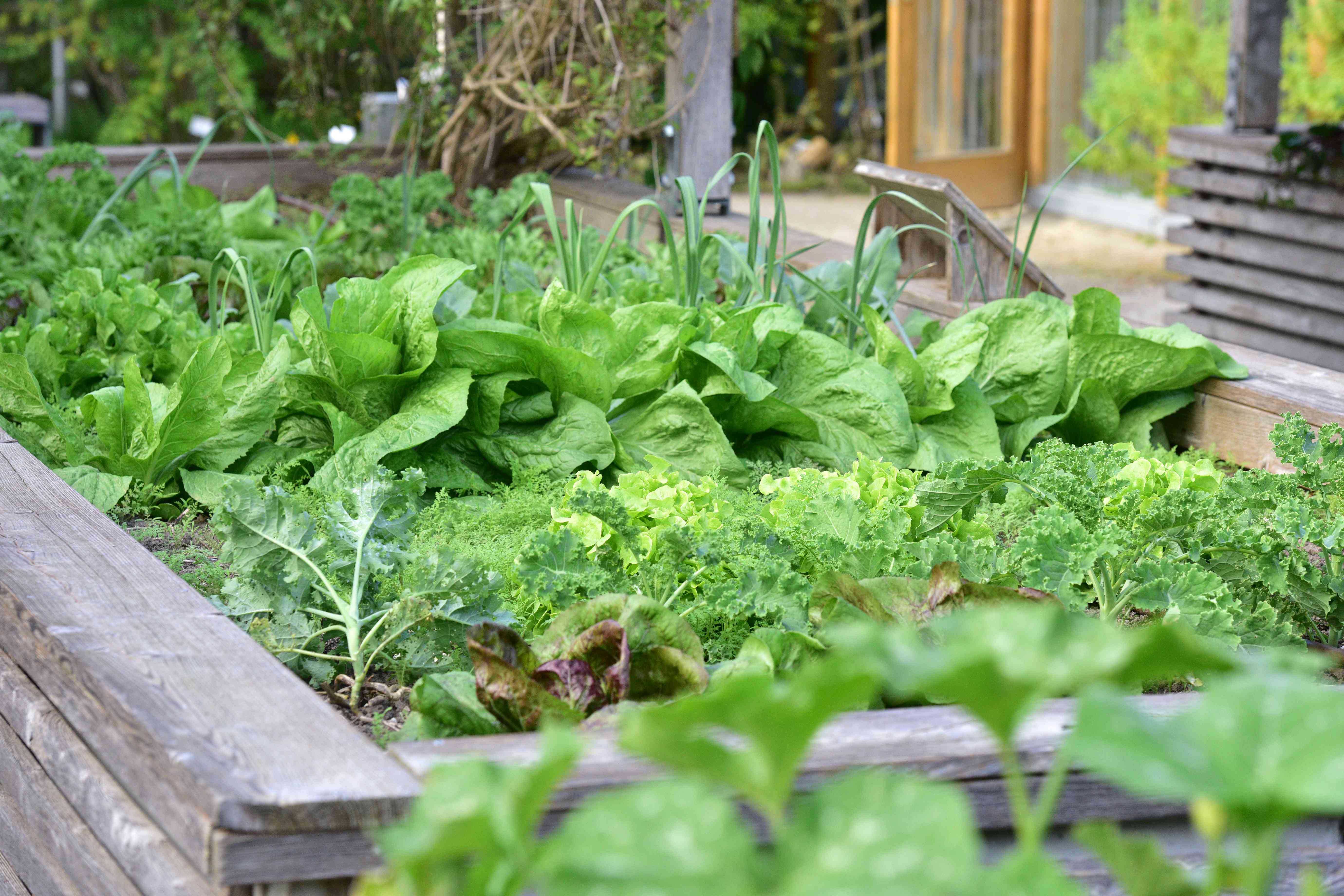
Spring vegetable gardening has a special kind of magic. One week your garden looks like a sleepy patch of soil, and the next it is serving up emerald leaves, candy-colored roots, and peas so sweet they rarely make it back to the kitchen. If you want a garden that looks beautiful and eats even better, this is the moment to plant cool-season vegetables. These crops thrive in mild temperatures, handle chilly nights far better than summer divas, and reward you with fresh harvests before the heat starts acting dramatic.
The secret is simple: plant vegetables that enjoy cool air, moist soil, and a head start before hot weather arrives. That includes fast-growing salad greens, colorful root crops, and sturdy brassicas that practically treat spring like their personal red carpet. Some can be direct sown as soon as the soil can be worked, while others do best as young transplants. Either way, if you start now, your spring garden can be productive, pretty, and honestly a little smug in the best possible way.
Why These Vegetables Shine in Spring
Most of the vegetables on this list are cool-season crops. That means they grow best in mild temperatures, often somewhere between chilly mornings and pleasantly sunny afternoons. Many can tolerate light frost, and several actually taste better when grown in cool weather because heat can cause bitterness, bolting, or weak growth. In plain English: spring is their season, and summer is where some of them start filing complaints.
For the best results, use your local frost date as a guide, plant in loose soil with compost, and keep the moisture steady. If the weather is still unpredictable, row covers can help protect young plants and speed growth. Another smart trick is succession sowing. Instead of planting one giant mountain of lettuce or radishes all at once, sow small batches every week or two. That way your harvest stays steady, and your refrigerator does not turn into a panic museum of produce.
25 Vegetables to Plant Now for a Gorgeous Spring Garden
1. Arugula
Arugula is fast, flavorful, and just dramatic enough to make a simple salad feel fancy. It loves cool weather and grows quickly, often giving you baby leaves in just a few weeks. Plant it now if you want peppery greens before summer turns the flavor sharper and the plants decide to bolt like they heard bad news.
2. Leaf Lettuce
Leaf lettuce is one of the easiest spring vegetables to grow, especially for gardeners who enjoy quick wins. It germinates well in cool soil, grows fast, and lets you harvest outer leaves while the plant keeps producing. Red and green varieties also make beds and containers look polished instead of purely practical.
3. Romaine Lettuce
Romaine gives you the crunch factor. It is a good choice if you want sturdier leaves for salads, wraps, or sandwiches that do not collapse under pressure. Plant it early, keep it evenly watered, and harvest before hot weather turns those beautiful upright heads into bitter life lessons.
4. Spinach
Spinach is basically spring royalty. It grows quickly in cool weather, produces tender leaves, and works in everything from smoothies to sautés to salads that make you feel wildly organized. Give it rich soil, steady moisture, and as much spring as possible, because once the days get longer and warmer, it tends to bolt in a hurry.
5. Kale
Kale is reliable, productive, and much prettier than it gets credit for. Curly, lacinato, and red varieties all bring texture and color to the garden. Young leaves are tender enough for salads, while larger ones are perfect for soups and sautés. Cool weather improves the flavor, so spring is a great time to get it going.
6. Swiss Chard
If you want edible landscaping energy, plant Swiss chard. The stems come in brilliant shades of red, orange, yellow, pink, and white, making the garden look like it hired a designer. It handles cool weather well, and unlike some leafy greens, it can keep producing even as temperatures warm up.
7. Mustard Greens
Mustard greens grow quickly and bring a peppery bite to salads, stir-fries, and braises. They thrive in cool conditions and are especially good for gardeners who want something leafy but a little more exciting than standard lettuce. They also add a lush, textured look to a spring bed.
8. Bok Choy
Bok choy is crisp, juicy, and perfect for gardeners who want a fast, polished crop. Its spoon-shaped leaves and pale stems look elegant in the garden and on the plate. Plant it in cool weather for the best texture, but watch the timing in colder spots because stress from temperature swings can encourage bolting.
9. Tatsoi
Tatsoi forms low rosettes of glossy green leaves that look almost ornamental. It is one of those crops that quietly makes you look like a more advanced gardener than you may feel. Mild in flavor and quick to mature, it is excellent in salads and light cooking, especially in cool spring weather.
10. Peas
Peas are one of the great joys of spring gardening. Plant them early, give them a trellis, and let them climb. Their delicate flowers are beautiful, the vines save space, and the pods taste sweet enough to inspire shameless snacking in the yard. Snow peas, snap peas, and shelling peas all deserve a place in a spring garden.
11. Radishes
Radishes are the instant gratification of the vegetable world. Many spring types mature in less than a month, making them one of the first crops you will harvest. They are crisp, colorful, and great for filling gaps between slower crops. Plant small batches often unless you want twenty-seven radishes arriving at once like eager party guests.
12. Carrots
Carrots need a little patience, but they pay you back with sweet, crunchy roots and feathery foliage that softens the look of a vegetable bed. Sow them directly in loose, stone-free soil and keep the seedbed moist while they germinate. Spring-grown carrots often have especially fine texture and flavor.
13. Beets
Beets are wonderfully efficient because you get two crops in one: roots below ground and leafy beet greens above it. They do well in cool weather, and their jewel-toned stems add a lot of visual interest. Roast the roots, sauté the greens, and congratulate yourself on being both practical and stylish.
14. Turnips
Turnips deserve a comeback. Spring turnips can be tender, sweet, and quick to mature, especially when harvested young. The roots are great roasted or mashed, and the greens are excellent cooked down or added to soups. They are easy to grow and more versatile than their old-fashioned reputation suggests.
15. Kohlrabi
Kohlrabi looks like a vegetable designed by someone who got creative with spare parts, but do not let the odd shape fool you. It is crisp, juicy, mild, and delicious raw or cooked. Cool weather helps keep the bulbs tender, and purple varieties add serious visual flair to the garden.
16. Cabbage
Cabbage is a classic spring crop for good reason. It likes cool weather, forms handsome heads, and comes in green, red, and savoy types that make the garden feel full and substantial. Start with sturdy transplants for the easiest path, and keep an eye out for hungry caterpillars that seem to appreciate cabbage as much as people do.
17. Napa Cabbage
Napa cabbage grows more quickly than many heading cabbages and brings a softer texture for slaws, stir-fries, and soups. Its upright shape looks neat and architectural in the garden. It performs best in cool conditions, which makes spring a smart planting window in many parts of the country.
18. Broccoli
Broccoli is one of the stars of the spring garden, especially when planted early enough to mature before summer heat. It likes cool weather, fertile soil, and steady moisture. After you harvest the main head, many varieties keep producing side shoots, which is the gardening equivalent of a bonus round.
19. Cauliflower
Cauliflower has a reputation for being picky, but cool spring conditions give it the best chance to behave. Start with healthy transplants, keep growth steady, and avoid letting it suffer drought or sudden stress. White heads are classic, but colorful varieties in purple, orange, and green can make your harvest table look spectacular.
20. Collards
Collards are sturdy, productive, and deeply underrated in home gardens. They tolerate cool weather beautifully and produce large, handsome leaves that hold up in the kitchen. If you want a leafy crop that looks bold and keeps going, collards are an excellent spring choice.
21. Scallions
Scallions are easy, useful, and ideal for gardeners who love a frequent harvest. They take up very little space, fit well between slower crops, and bring quick flavor to eggs, soups, noodles, and salads. They are proof that a modest-looking plant can still pull its culinary weight.
22. Bulb Onions
Bulb onions should be planted early in spring in many regions, using sets, transplants, or seed depending on your patience level. They need good drainage and consistent moisture because they have shallow roots. Once established, they quietly do important work in both the garden and the kitchen, which is an admirable life strategy.
23. Leeks
Leeks grow more slowly than scallions, but they are worth the wait for their mild, sweet onion flavor. Their blue-green upright leaves also look elegant in a spring bed. Plant them now if you want a refined allium that feels just a little more gourmet without being difficult.
24. Garlic
Garlic is usually best planted in fall, but spring planting is possible if the cloves have had enough chilling first. The bulbs may be smaller, yet the crop can still be rewarding. If you missed the fall window, garlic is still worth considering, especially if you think of it as a second-chance crop instead of a perfect one.
25. Potatoes
Yes, potatoes belong on this list, especially if you love the idea of digging up tender new potatoes in late spring to early summer. Plant seed potatoes once the soil has warmed enough and is not waterlogged. Their lush foliage looks generous in the garden, and the first harvest feels a little like buried treasure with dirt under its nails.
How to Turn These Crops Into a Truly Beautiful Spring Harvest
Beauty in a vegetable garden is not only about flowers. A spring food garden can be gorgeous when you mix colors, textures, and heights. Pair red leaf lettuce with green romaine. Tuck bright-stemmed Swiss chard near blue-green kale. Let peas climb a trellis behind a band of radishes. Add purple kohlrabi next to feathery carrots and suddenly your vegetable bed looks intentional, not accidental.
Use succession planting to keep empty patches from appearing too soon. Sow more radishes, arugula, and lettuce every one to two weeks. Thin carrots and beets before they crowd each other. Mulch lightly once seedlings are established to keep the soil evenly moist. If late cold snaps threaten, cover tender spring plantings with row fabric overnight. Those small steps do more than protect the crop. They keep the garden looking lush, tidy, and productive.
Also remember that spring vegetables are not all planted the same way. Direct sow quick roots and salad crops like carrots, beets, radishes, spinach, and peas. Use transplants for crops that benefit from a head start, such as broccoli, cabbage, cauliflower, and onions. Matching the right planting method to the right crop saves time and prevents that familiar gardener emotion known as “Why is this one still doing absolutely nothing?”
Experience: What Growing a Spring Vegetable Garden Really Feels Like
Anyone who has planted a spring garden knows the experience is different from summer gardening. Summer feels loud and ambitious. Spring feels hopeful. You kneel down with a seed packet in one hand, a trowel in the other, and just enough confidence to get yourself into trouble. The soil is cool, the light is softer, and every tiny green sprout feels like a miracle you somehow helped schedule.
One of the best parts of growing vegetables for a spring harvest is how quickly the garden starts giving something back. Radishes pop up almost immediately. Lettuce begins to look harvestable before you have even stopped checking on it every five minutes. Spinach fills in with thick, satisfying leaves. Peas start climbing, and suddenly the whole garden has movement. It is deeply encouraging, especially after winter, when the world can feel gray, sleepy, and suspiciously determined to stay indoors.
There is also a special pleasure in the look of a spring vegetable bed. The colors are clean and fresh. Greens are brighter, stems are more vivid, and the whole garden has that just-washed look. Swiss chard glows. Beet tops shine. Pea vines curl around supports like they have a plan. Even rows of onions can look elegant when morning light hits them. It is the season when a vegetable garden starts to feel less like a project and more like a place.
Spring gardening also teaches patience in a surprisingly kind way. You learn that not every seed germinates at the same speed, and not every bed warms up equally. Carrots can take their sweet time. Cauliflower may test your resolve. Lettuce may thrive in one spot and sulk in another. But because the season is forgiving, you get room to adjust. You re-sow a short row. You add compost. You throw a row cover over a chilly bed and pretend you always meant to be that organized.
Then comes the harvest, which is where the real joy shows off. Pulling a radish from the soil is ridiculously satisfying for such a small event. Snipping lettuce for dinner makes you feel like the main character in a very wholesome movie. Fresh peas rarely survive the walk to the kitchen. New gardeners often discover that spring vegetables do not just taste better because they are homegrown. They taste better because you saw the whole story happen, from seed to plate.
Perhaps the biggest experience spring gardens offer is momentum. Once you harvest your first greens or roots, you stop thinking of gardening as a someday hobby and start treating it as part of life. You notice the weather more. You understand your soil better. You begin planning the next sowing before the first one is even finished. In that way, spring vegetables do more than feed you. They pull you back into rhythm with the season, and that might be the most beautiful harvest of all.
Conclusion
If you want a spring garden that is productive, colorful, and genuinely enjoyable, start with vegetables that love cool weather. Plant a mix of leafy greens, roots, brassicas, and alliums, and you will have both beauty in the beds and variety at the table. Grow a few fast crops for early wins, a few sturdy staples for longer harvests, and a few showy vegetables just because they make the garden look terrific. Spring does not last forever, but with the right vegetables planted now, it can be one of the most rewarding seasons in the entire gardening year.














