
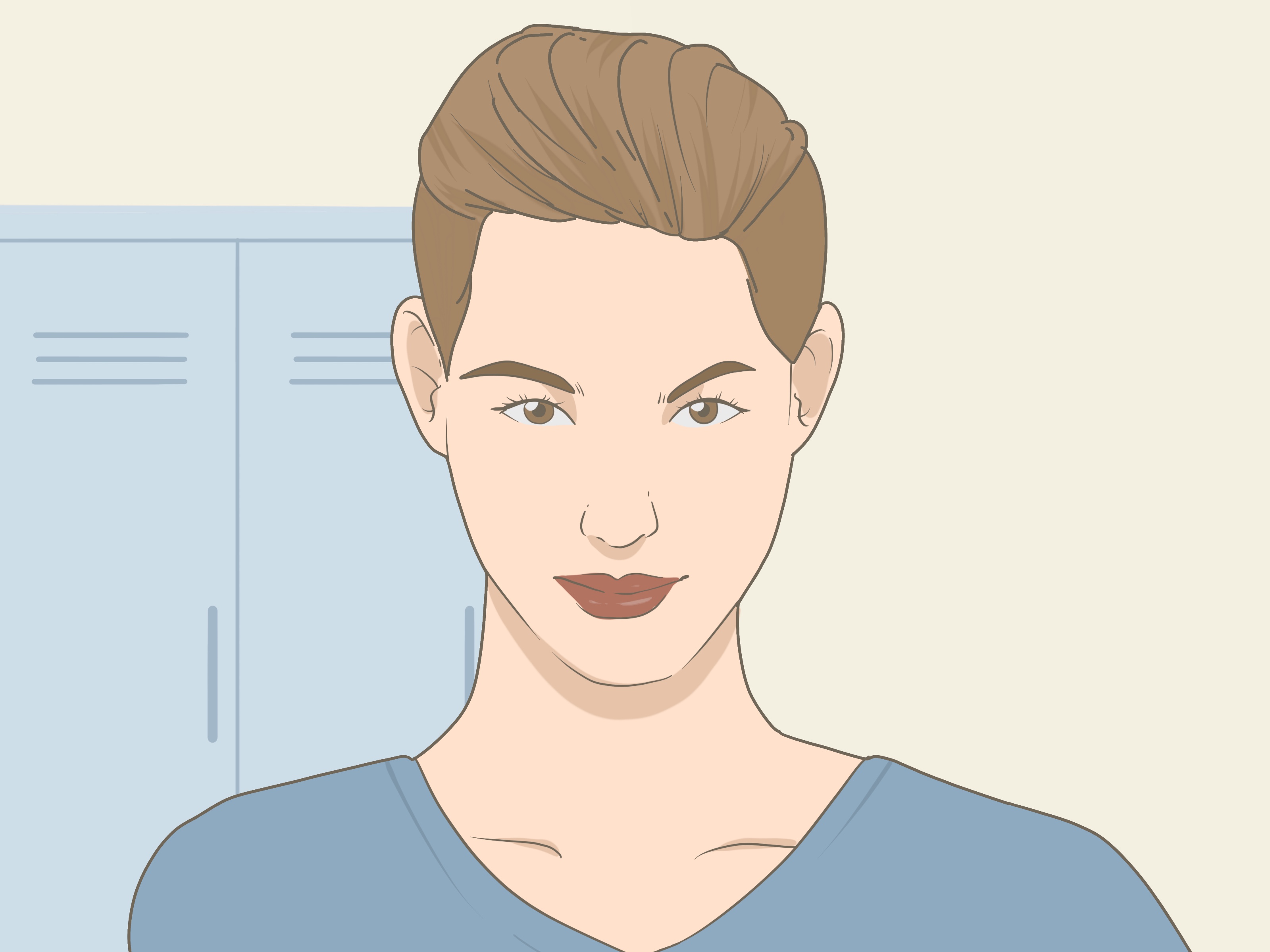
Flat hair has a special talent: it can look perfectly fine in the bathroom mirror, then collapse the second you step outside, as if it just remembered gravity exists. The good news? You do not need a celebrity stylist, a 47-step routine, or a shelf full of mysterious sprays that sound like science fair projects. With the right washing habits, styling techniques, and daily maintenance, you can prevent flat hair and create natural-looking volume that lasts longer than your morning coffee.
Before we begin, let’s be fair to flat hair. There is nothing wrong with smooth, sleek, low-volume hair. Some people love that look, and it can be chic, polished, and effortless. But if your goal is fuller-looking roots, more movement, and hair that does not cling to your head by lunchtime, this guide is for you.
The key is understanding why hair falls flat in the first place. Fine hair, oily roots, product buildup, heavy conditioner, humidity, poor drying habits, and long unshaped cuts can all make hair look limp. Instead of fighting your hair, the smarter move is to support it: keep the roots clean, add lightweight structure, and style in a way that encourages lift.
Why Does Hair Go Flat?
Hair usually looks flat when the roots lose support. This can happen because oil, sweat, conditioner, styling cream, or leftover product creates weight near the scalp. Fine hair is especially prone to this because each strand has a smaller diameter, so it needs less weight to collapse. Think of it like a tiny umbrella in a rainstorm: heroic, but not built for heavy cargo.
Flat hair can also come from technique. Applying conditioner to the scalp, blow-drying downward from the start, brushing too much after styling, or using rich oils and creams on fine hair can remove volume before it gets a chance to live its best life. Even a haircut can make a difference. Very long hair with no shape may pull downward, while a blunt bob, lob, soft layers, or face-framing shape can help hair appear fuller.
Now let’s get practical. Here are three easy ways to prevent flat hair without turning your morning routine into a part-time job.
1. Wash and Condition Strategically
The first step to preventing flat hair starts before styling. If your hair is weighed down in the shower, no amount of mousse will rescue it later. Clean, lightweight roots are the foundation of volume.
Shampoo the Scalp, Not the Ends
When you shampoo, focus on the scalp. That is where oil, sweat, dead skin cells, and product buildup collect. The ends of your hair usually do not need aggressive scrubbing. As the shampoo rinses down, it lightly cleanses the lengths without roughing them up. This helps keep the roots fresh while protecting the ends from dryness.
Massage shampoo gently into the scalp with your fingertips. Do not scratch with your nails, even if you are dramatically reenacting a shampoo commercial. A soft massage is enough. Rinse thoroughly, because leftover shampoo can also make hair look dull and heavy.
Keep Conditioner Away From the Roots
Conditioner is wonderful, but it is not invited to the root-volume party. Apply it from mid-length to ends, especially if your hair is fine, straight, or easily greasy. Putting conditioner directly on the scalp can make roots look oily faster and cause hair to fall flat soon after drying.
If your ends are dry but your roots are oily, treat them like two different neighborhoods. Cleanse the scalp well, condition the ends lightly, and avoid heavy masks near the crown. This simple adjustment can make hair look fresher and fuller without adding any extra styling time.
Use a Clarifying Shampoo Occasionally
Product buildup is sneaky. Dry shampoo, hairspray, mousse, smoothing cream, leave-in conditioner, and even hard water minerals can collect on hair over time. The result? Hair that feels coated, refuses to hold volume, and behaves like it has given up emotionally.
A clarifying shampoo once a week or every few weeks can help remove buildup. How often you use it depends on your hair type, styling habits, and scalp oiliness. If your hair is color-treated, dry, curly, or fragile, use clarifying products carefully and follow with a lightweight conditioner on the ends.
Choose Lightweight Products
To prevent flat hair, look for words like “volumizing,” “lightweight,” “body,” or “root lift.” Be careful with heavy oils, butters, thick creams, and rich leave-ins if your hair gets limp quickly. These products can be great for some hair types, but fine or flat-prone hair often needs lighter formulas.
A good rule: apply less than you think you need. You can always add more, but once your roots are overloaded, the only real fix may be washing again. Nobody wants that plot twist at 8:07 a.m.
2. Build Volume While Your Hair Dries
The drying stage is where volume is won or lost. Hair tends to set in the position where it dries, so if it dries flat against your scalp, it may stay that way. The goal is to encourage lift at the roots while hair is still damp.
Start With Towel-Blotted, Not Soaking-Wet Hair
After washing, gently squeeze out water with a towel or microfiber hair wrap. Avoid rough rubbing, which can cause frizz and breakage. Hair should be damp, not dripping, before you apply styling product. If hair is too wet, mousse or root spray may dilute and slide away instead of creating structure.
Apply Mousse or Root-Lifting Spray Correctly
For flat hair, volumizing mousse and root-lifting sprays are classic for a reason. They add light hold and structure without the heaviness of creams. Apply product mainly at the roots and crown, then distribute lightly through the mid-lengths if needed.
Flip your head upside down or lift sections with your fingers while applying product so it reaches the root area. Use a small amount first. For fine hair, too much product can create the exact problem you are trying to avoid: volume that starts strong, then collapses like a folding chair.
Blow-Dry Against the Direction of Growth
One of the easiest ways to create root lift is to dry hair in the opposite direction from where it naturally falls. If your hair parts on the left, blow-dry sections upward and toward the right for a few moments. If your crown tends to flatten, lift the roots with your fingers or a round brush and direct airflow at the base.
Keep the dryer moving and use medium heat when possible. High heat may speed things up, but it can also stress hair if used too often or too closely. A heat protectant is helpful when blow-drying or using hot tools.
Try the Upside-Down Drying Trick
For quick lift, flip your head upside down while rough-drying the roots. Use your fingers to shake the hair gently at the scalp. Once the roots are mostly dry, flip back up and shape the style with a brush or your hands. This technique works especially well for fine, straight, or wavy hair that needs a boost at the crown.
The trick is not to overdo it. If you dry the entire style upside down, you may get volume plus chaos. A little chaos can be charming. Too much chaos can make you look like you lost an argument with a ceiling fan.
Use Rollers for Longer-Lasting Lift
Velcro rollers are an old-school tool that still deserves respect. After blow-drying a section, roll it up at the crown while it is still warm. Let it cool for several minutes before removing. Hair sets better as it cools, so this method can help create soft, bouncy volume without making the style stiff.
Focus on the crown and top layers. You do not need to roll your entire head unless you want a full blowout effect. For everyday volume, two or three rollers can be enough.
3. Maintain Lift With Smart Daily Habits
Preventing flat hair is not only about wash day. Small daily habits can help your style last longer and keep your roots from collapsing between washes.
Refresh Roots With Dry Shampoo Before They Get Oily
Dry shampoo works best when used before your hair is extremely oily. Try applying a small amount at the roots before bed or early in the day when your scalp is just starting to feel greasy. It can absorb oil, add texture, and help maintain lift.
Spray or dust it lightly, wait a minute, then massage it in. Brush only if needed, because too much brushing can flatten the volume you just created. For darker hair, choose a tinted or invisible formula to avoid a powdery cast.
Change Your Part
Hair gets used to lying in the same direction. Switching your part, even slightly, can create instant lift because the roots are forced to stand up in a new position. Try a soft side part, a zigzag part, or simply move your usual part a half inch over.
This is one of the fastest flat-hair fixes because it requires no product and no heat. It is basically the hairstyle version of moving furniture around and pretending you redecorated.
Pick a Cut That Supports Volume
The right haircut can make hair look naturally fuller. Blunt ends often create the appearance of density, especially for fine or thin-looking hair. A bob, lob, shoulder-length cut, or soft face-framing layers can prevent hair from looking stringy at the bottom.
Very heavy layering can sometimes make fine hair look thinner, especially at the ends. On the other hand, gentle layers can add movement. The best choice depends on your hair texture, density, face shape, and styling routine. A stylist can help you find a shape that gives volume without demanding a professional blowout every morning.
Avoid Touching Your Hair Constantly
Hands transfer oil. The more you touch your roots, the faster hair can look limp. If you like fluffing your hair throughout the day, use clean fingers and focus on lifting at the crown rather than smoothing the top repeatedly.
Also, be careful with hats, tight ponytails, and heavy clips. They can compress roots and leave hair looking flat afterward. Loose styles are often better if you want to preserve volume.
Sleep in a Volume-Friendly Way
If your hair goes flat overnight, try a loose topknot, a soft scrunchie, or a silk pillowcase. The goal is to reduce friction and prevent roots from being pressed in the same direction for hours. In the morning, mist roots lightly with water or a refreshing spray, then lift with fingers or a dryer on low heat.
Common Mistakes That Make Hair Flat
Sometimes preventing flat hair is less about adding more and more about removing the things that secretly sabotage volume. Here are a few common mistakes:
Using Too Much Product
More product does not always mean more volume. Fine hair can become overloaded quickly. Start with a small amount of mousse, spray, or powder and build slowly.
Conditioning the Scalp
Unless your scalp specifically needs conditioning treatment, keep conditioner away from the roots. Focus on the ends, where hair is older and usually drier.
Skipping Rinsing Time
Rinse longer than you think you need to. Leftover shampoo or conditioner can create residue that weighs hair down.
Using Heavy Oils Before Styling
Hair oils can add shine and softness, but they can also flatten fine hair. If you use oil, apply a tiny amount only to the ends.
Blow-Drying Straight Down
Drying downward can make hair smooth, but it can also press roots flat. Lift the roots first, then smooth the lengths afterward.
When Flat Hair Might Be More Than a Styling Issue
Flat hair is usually a styling concern, but sudden changes in hair density, excessive shedding, patchy hair loss, or visible thinning may need professional attention. Hair can change because of stress, illness, hormones, medications, nutrition, genetics, or scalp conditions.
If you notice more shedding than usual, bald spots, a widening part, itching, scaling, pain, or sudden thinning, consider speaking with a dermatologist or healthcare professional. Styling products can create the appearance of fullness, but they do not treat medical hair loss. Getting the right diagnosis matters.
Easy Routine to Prevent Flat Hair
Here is a simple routine you can adapt:
On Wash Day
Shampoo the scalp thoroughly, condition only the mid-lengths and ends, rinse well, blot with a towel, apply root-lifting spray or mousse, then blow-dry the roots upward or opposite your part. Finish with a light texture spray or flexible hairspray if needed.
On Day Two
Apply dry shampoo at the roots, wait, massage it in, and switch your part slightly. Use a dryer on cool or low heat to revive the crown.
On Day Three
Try a loose ponytail, claw clip, soft waves, or half-up style. Add a little texture spray to the roots and avoid heavy shine products near the scalp.
Real-Life Experiences: What Actually Helps Flat Hair Look Fuller
Many people with flat-prone hair go through the same cycle: wash, style, admire, leave the house, and then wonder why their hair has transformed into a polite curtain by noon. The most common lesson is that volume is not created by one magic product. It comes from a chain of small decisions that work together.
One common experience is discovering that conditioner placement changes everything. Someone may spend years applying conditioner from root to tip because that is what feels “complete.” Then they try using conditioner only on the ends, and suddenly their roots stay cleaner for longer. It is not glamorous, but it works. Sometimes the best beauty trick is simply putting the slippery stuff where it belongs.
Another relatable experience is the dry shampoo learning curve. At first, people often spray too much, too close, and too late. The result can be chalky roots that feel oddly stiff. But when dry shampoo is applied lightly before oil takes over, especially before bed, it can make morning hair easier to revive. The roots feel fresher, the crown has more grip, and the style looks intentional instead of “I slept like a confused starfish.”
Blow-drying technique is another big turning point. Many people dry their hair while brushing it straight down because they want smoothness. The hair does become smooth, but it also becomes flat. Once they start lifting the roots with fingers, flipping the hair briefly upside down, or drying sections in the opposite direction, the difference can be immediate. The style does not need to be huge. Even a little lift at the crown can make hair look more balanced and lively.
Haircuts also create memorable “aha” moments. Long, fine hair can be beautiful, but if the ends are thin and the shape is heavy, the whole style may look limp. A shoulder-length cut, lob, blunt bob, or subtle face-framing shape can make the same hair appear fuller. The strands did not magically multiply overnight, but the structure changed how the hair sits.
People also learn that less product is often better. A pea-sized amount of cream may be enough. A small puff of volumizing powder may lift the crown. One or two rollers may create bounce. Flat hair does not always need a dramatic makeover; it often needs restraint. Think of styling products like seasoning. A little salt improves the soup. A cup of salt becomes a crisis.
The biggest experience-based lesson is patience. Your first attempt at root lift may not look salon-perfect. Your part may flip back. Your rollers may create one excellent section and one mysterious bump. That is normal. Hair has habits, and changing them takes practice. Try one adjustment at a time: conditioner placement this week, blow-drying direction next week, dry shampoo timing after that. Soon, preventing flat hair becomes less of a battle and more of a routine.
Conclusion
Preventing flat hair does not require complicated styling or expensive products. The easiest approach is to keep the roots clean, avoid heavy buildup, create lift while hair dries, and maintain volume with simple daily habits. Shampoo your scalp, condition your ends, use lightweight volumizing products, dry your roots upward, refresh with dry shampoo, and choose a haircut that supports movement.
Most importantly, work with your hair instead of insulting it in the mirror. Flat hair is not a failure; it is just hair asking for a little structure. Give it the right routine, and it can go from “pancake mode” to soft, lifted, and full of life.
Note: This article provides general hair-care and styling information. If flatness comes with sudden shedding, patchy loss, scalp irritation, or visible thinning, consult a qualified healthcare professional or dermatologist.













