
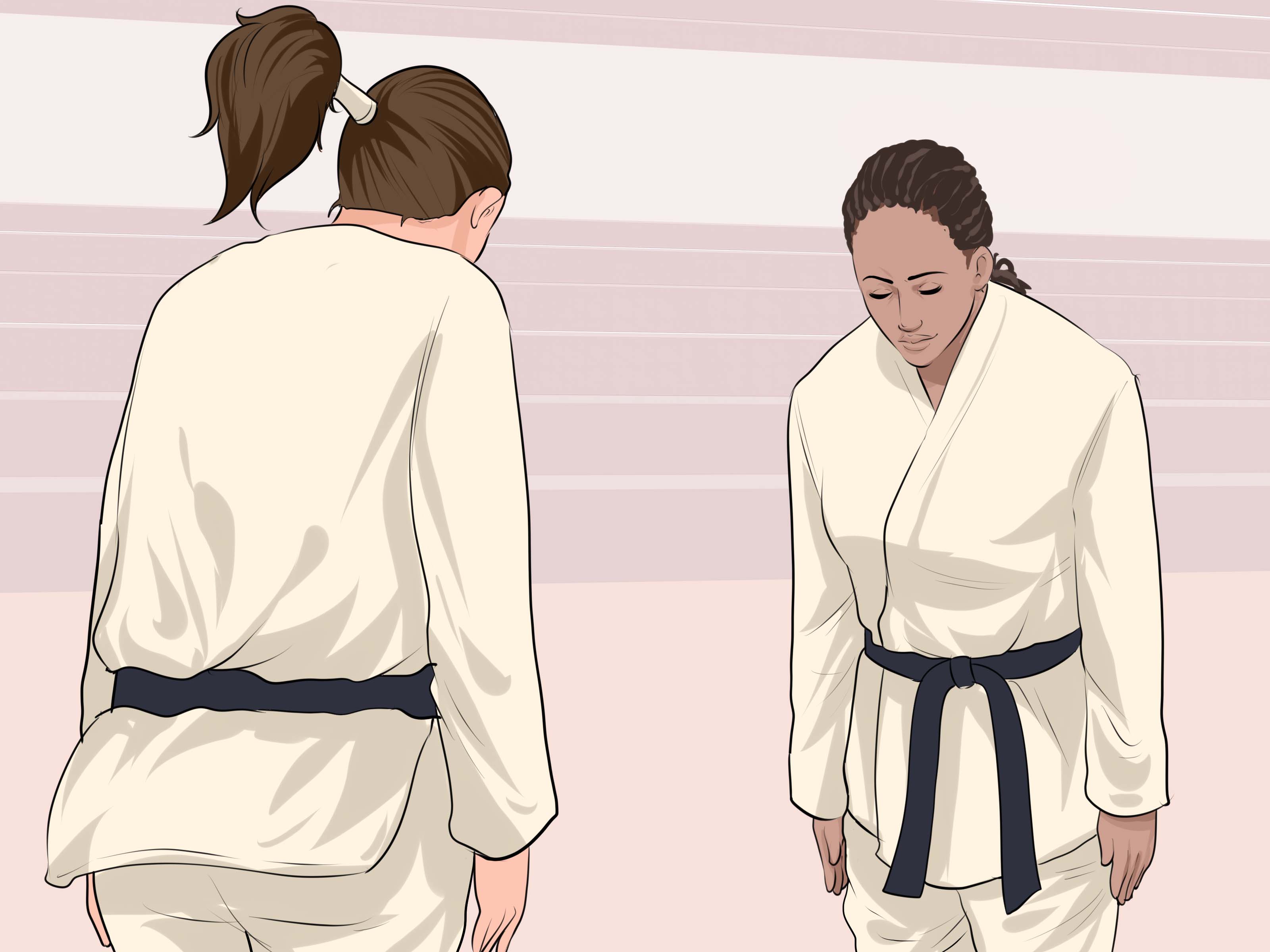
If you came here expecting a movie-scene answer where dramatic music swells and someone instantly transforms into a human action figure, let’s tap the brakes. A good stance is not about looking scary. It is about balance, control, awareness, and staying safe.
In supervised martial arts classes, coaches teach stance as a foundation for movement, posture, and protection. Outside of that setting, the smartest “fighting stance” is usually the one that helps you create space, stay calm, and leave. That may sound less cinematic, but it is a lot better for your teeth, your knees, and your weekend plans.
This guide breaks down three safe ways to build a ready stance: an athletic base for beginners, a boundary-first position for personal safety, and a coach-led sport stance for formal training. Along the way, you will learn how stance affects balance, breathing, movement, and confidence, plus the common mistakes that make people wobble like shopping carts with one bad wheel.
Why stance matters more than people think
A stance is the body’s starting position. In martial arts, that starting position affects nearly everything: balance, reaction time, footwork, posture, and how quickly you can move without tripping over yourself. The best stance is not the flashiest one. It is the one that lets you stay stable while still being able to move.
That is why coaches across many disciplines emphasize posture, body control, and safe progression before anything more advanced. Whether someone trains in boxing, karate, taekwondo, judo, or wrestling, the idea is similar: your base matters. If your base is sloppy, everything built on top of it becomes sloppy too.
From an SEO perspective, this is where the main idea of a martial arts stance overlaps with related keywords such as athletic stance, ready position, balance and posture, self-defense safety, and beginner martial arts basics. In plain English, your body needs a position that feels grounded, mobile, and calm rather than stiff, twisted, or overdramatic.
Way 1: Use an athletic ready stance as your foundation
The first and safest way to build a stance is to stop thinking “fight” and start thinking “athletic readiness.” This is the same idea you see in many sports: knees soft, posture tall, weight balanced, and movement available in more than one direction.
What it looks like
A beginner athletic stance usually starts with your feet set at a comfortable width, not glued together and not spread like you are trying to do a split by accident. Your knees stay slightly bent, your spine stays long, and your head stays level. Your shoulders should not creep up toward your ears like nervous turtles. Your weight should feel centered so you can step, pivot, or back up without losing balance.
Why it works
This stance helps with three big things. First, it improves balance. Second, it helps you move quickly without crossing your feet or locking your knees. Third, it encourages better posture, which makes breathing easier and movement smoother. In a supervised class, instructors often begin here because it is simple, repeatable, and useful across different styles.
How to practice it safely
Stand in front of a mirror for thirty seconds and check for tension. Are you leaning too far forward? Are your knees locked? Are your shoulders hunched? The goal is not to freeze in place like a museum statue. The goal is to feel ready. Think “springy and balanced,” not “stiff and intense.”
Then try tiny movements: one step forward, one step back, one step to either side. If you can move without bouncing wildly or tipping over, you are building a good foundation. If you wobble like a baby deer on ice, that is not failure. That is feedback.
Way 2: Use a boundary-and-exit stance for real-world safety
Here is the version most people actually need in everyday life. A safe stance outside the gym is not about preparing to trade punches. It is about creating space, showing clear boundaries, and putting yourself in a position to leave. This is closer to a personal safety stance than a combat stance, and that difference matters.
What it looks like
Your body stays angled rather than squared up aggressively. One foot can be slightly behind the other for balance. Your hands stay visible and nonthreatening, which can help signal “I do not want trouble” while still keeping your upper body organized. Your eyes stay alert. Your voice stays calm. Your goal is to stay steady enough to move away quickly, not to posture like the final boss of a video game.
Why it works
This stance supports de-escalation. It lets you keep distance, avoid looking reckless, and prepare to leave if a situation turns bad. It also helps reduce the common panic response where people plant both feet flat, stop thinking clearly, and forget that walking away is an option. In other words, this is less “come at me” and more “I see what is happening, and I am not staying for the sequel.”
How to use it wisely
Pair the stance with short, clear language. “Back up.” “I don’t want trouble.” “I’m leaving.” Avoid big gestures, chest puffing, or crowding the other person’s space. Those things may look bold on screen, but in real life they can make a bad situation worse.
This is also why personal safety experts often emphasize awareness, distance, and escape over ego. A smart stance should support the safest choice available. In many situations, the best move is simple: create space, find help, and get out.
Way 3: Learn a sport-specific stance only with qualified coaching
The third way to build a stance is through formal martial arts instruction. Different sports use different stances because they prioritize different movements. A boxer does not stand like a wrestler. A wrestler does not stand like a taekwondo athlete. A judoka does not move like a kickboxer. Same word, very different mechanics.
Why style matters
Each discipline solves a different movement problem. Some stances are built for mobility and range management. Others are built for level changes, clinch control, or directional movement. That is why copying random internet clips can be misleading. A stance that looks cool in one sport may be awkward, unsafe, or just plain wrong in another.
What beginners should focus on
If you are training in a real class, focus on coach feedback rather than trying to look advanced. A beginner usually benefits most from simple corrections: better balance, cleaner posture, calmer breathing, and smarter foot placement. Those basics are not glamorous, but they are the difference between controlled movement and accidental interpretive dance.
What safety looks like in class
A safe training environment includes supervision, clear rules, age-appropriate instruction, and protective equipment when the sport requires it. It also means understanding that technique practice and competitive contact are not the same thing. Good programs treat stance as a skill-building tool, not as a shortcut to recklessness.
Common mistakes people make with a ready stance
1. Standing too tall and too rigid
Locked knees and a stiff torso make movement slower and balance shakier. You want structure, not cement.
2. Leaning too far forward
People often think a forward lean makes them look aggressive or ready. Usually it just makes them easier to push off balance and harder to control.
3. Planting the feet too wide
A super-wide base can feel powerful for about three seconds. After that, it often limits movement and makes transitions clumsy.
4. Holding too much tension
Jaw clenched, shoulders raised, fists tight, breathing shallow: congratulations, you have become a stress sculpture. A better stance keeps tension where needed and relaxation everywhere else.
5. Ignoring mobility
A stance is not just something you hold. It is something you move from. If you cannot step smoothly in and out of it, the position is not doing its job.
How to improve your stance without turning it into a whole dramatic production
The safest practice tools are simple. Use a mirror, a line on the floor, or a coach’s correction. Try short rounds of balance work. Practice stepping without crossing your feet. Work on posture and core control. Build leg strength and body awareness gradually. A great stance is usually the result of boring consistency, not one magical tip from the internet at 1:14 a.m.
You can also improve through non-contact drills that emphasize coordination. Slow movement, controlled transitions, and balance-focused exercises can teach your body where “ready” actually is. That matters because many beginners mistake tension for readiness. They are not the same. One helps you move. The other just makes your neck sore.
When a stance is helpful and when it is not
A stance is helpful in supervised training, movement drills, and personal safety situations where balance and distance matter. It is not helpful when it becomes an excuse to escalate conflict. That is the line people miss. Looking prepared is not the same as being wise.
The smartest mindset is this: a ready stance should support calm decisions. In a class, it supports learning. In fitness, it supports posture and movement. In public, it supports awareness and exit options. The second it becomes a performance of aggression, it stops being useful and starts becoming risky.
Real-world experiences: what people often notice when learning stance for the first time
The funny thing about learning a stance is that it rarely feels impressive at first. Most beginners expect some lightning-bolt moment where they suddenly feel like an action hero. Instead, the first real experience is usually much less glamorous. Someone stands in front of a mirror, shifts their feet around five times, wonders what their hands are supposed to do, and then realizes they are somehow holding tension in muscles they did not even know they had. The eyebrows get involved. The jaw gets involved. At some point even the toes seem emotionally invested.
In a supervised class, one of the first surprises is how much a coach talks about balance instead of power. New students often think the secret is force. Coaches usually think the secret is control. A student tries to look “strong” by planting too wide, leaning too far forward, or stiffening everything from shoulders to ankles. Then the instructor gives one tiny correction, and suddenly the body feels more stable with less effort. It is a humbling experience. The body basically says, “Oh, so we were making this harder for no reason?” Yes. Yes, you were.
Another common experience is discovering that breathing changes everything. When people are nervous, they hold their breath without noticing. That makes the stance feel tense and awkward. Once they relax and breathe normally, movement gets smoother. Their shoulders drop. Their feet feel lighter. Their reactions improve. Nothing magical happened. They just stopped trying to pose and started learning.
Many beginners also notice that stance training improves confidence in a quiet way. Not movie confidence. Real confidence. The kind that comes from feeling organized instead of panicked. A person who used to freeze may start feeling more aware of where their feet are, where the exits are, and how to stay balanced under stress. That is useful far beyond martial arts. It helps in sports, daily movement, and moments when staying calm matters more than looking tough.
There is also a mental shift. At first, people often think stance training is about preparing to confront someone. Over time, many realize it is really about preparing themselves. Better posture, better awareness, better control, better decisions. The strongest lesson is not “How do I look dangerous?” It is “How do I stay steady?” That is a much healthier question.
And then there is the classic beginner realization: the basics are exhausting. Not because they are violent, but because precision takes effort. Holding a clean ready position for even a short time can light up the legs, challenge the core, and expose every little habit of bad posture. People often leave class thinking they did not do much, right before they sit down and discover their hips, calves, and pride are all slightly sore.
But that is also why stance practice sticks. It is simple enough to repeat, challenging enough to matter, and practical enough to transfer into real life. Over time, students stop chasing the “perfect tough look” and start valuing the boring, useful stuff: stability, calm, and smart movement. It turns out that is not boring at all. It is the part that actually works.













