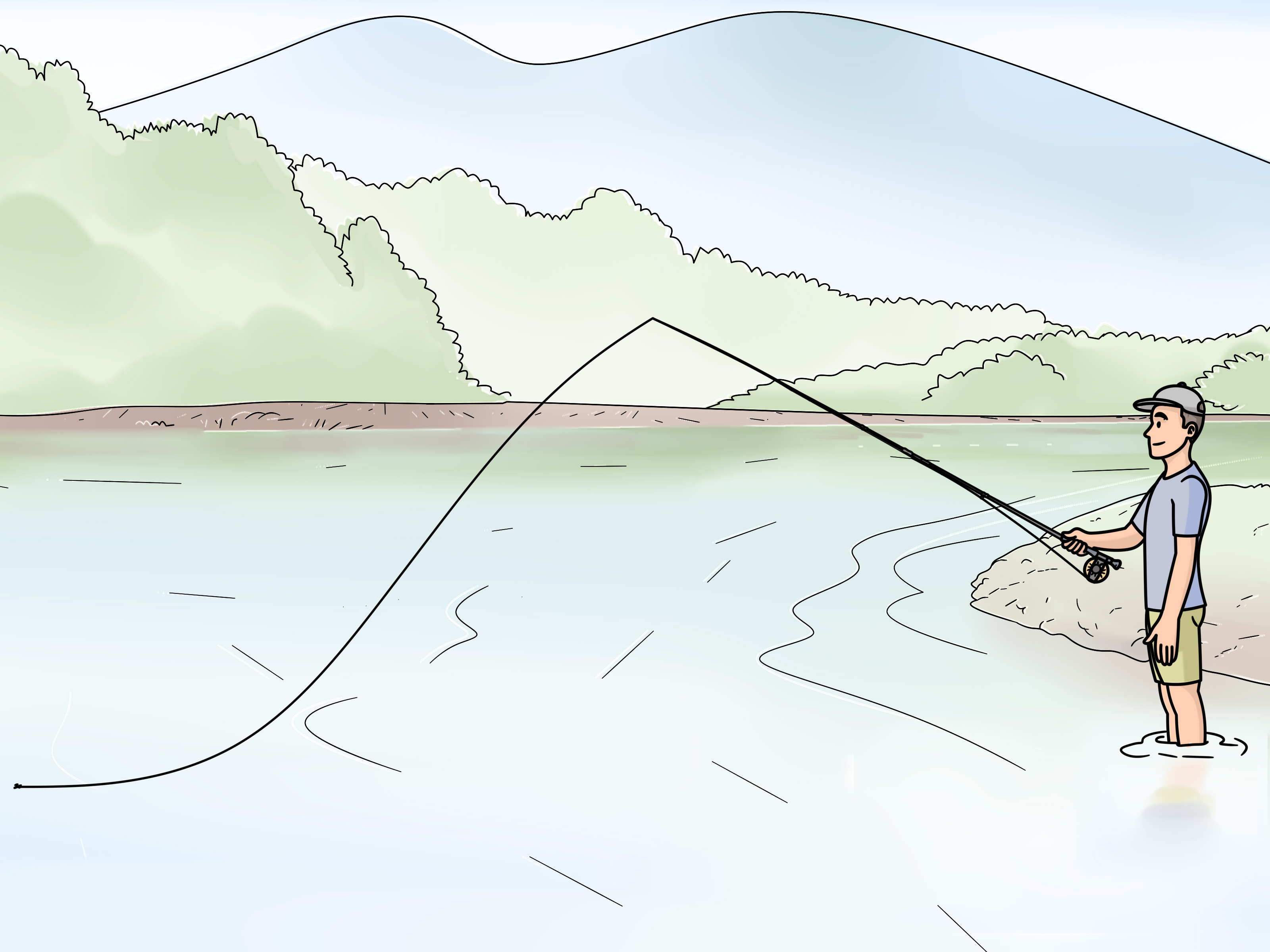
Fly fishing looks peaceful from a distance. A person stands in a river, waves a long rod, and somehow convinces a trout that a tiny feathered hook is lunch. Up close, however, your first few casts may look less like poetry and more like someone trying to swat a bee with a pool noodle. Good news: that is normal. Better news: learning how to cast a fly fishing rod is not magic. It is timing, line control, smooth acceleration, and a little humility served with wet socks.
Unlike spin fishing, where the lure carries the line, fly fishing uses the weight of the fly line to carry the fly. That one idea changes everything. You are not throwing the fly. You are casting the line, shaping a loop in the air, and letting the leader and fly follow along like polite dinner guests. Once that clicks, fly casting becomes less mysterious and much more fun.
This guide breaks down three useful ways to cast a fly fishing rod: the overhead cast, the roll cast, and the reach cast. These are practical, fish-catching casts for real water, not fancy parking-lot gymnastics designed to impress people wearing too much tweed. Master these three, and you can handle open banks, tight brush, moving current, and those moments when a fish rises exactly where your confidence is not.
Before You Cast: Understand What Makes a Fly Rod Work
A fly rod works like a flexible lever. When you move it smoothly, the rod bends, or “loads,” under the weight of the line. When you stop the rod crisply, the stored energy travels into the line and creates a loop. A clean loop is the secret sauce of fly casting. Tight loops help with distance and accuracy. Wider loops can be useful for heavy flies or soft presentations, but giant floppy loops usually mean wasted energy and possible tree decoration.
Beginners often try to overpower the cast. They whip the rod too hard, bend the wrist too much, or start the forward cast before the back cast has straightened out. The result is a pile of line, a hooked hat, or a fly that lands with the elegance of a dropped sandwich. Instead, think smooth acceleration followed by a firm stop. The rod tip should travel in a controlled path, and the line should have time to unroll behind you before you send it forward.
Basic Setup for Practice
For safe and useful practice, remove the fly and tie on a small piece of bright yarn. Start with 20 to 30 feet of line outside the rod tip. Practice on grass or calm water with plenty of room around you. Wear sunglasses or eye protection. A fly hook near the face is not a personality upgrade.
Hold the rod with a relaxed grip. Your thumb can rest on top of the cork handle, pointing toward the rod tip. Keep your wrist firm but not locked like a robot. Your forearm, wrist, and rod should work together. A good fly cast feels more like painting a straight line than swinging a baseball bat.
Way 1: The Overhead Cast
The overhead cast is the classic fly fishing cast and the best place for most beginners to start. It is the foundation for accuracy, distance, and many other fly casting techniques. When people imagine fly fishing, this is usually the cast they picture: line sailing behind the angler, then rolling forward in a neat loop toward the target.
When to Use the Overhead Cast
Use the overhead cast when you have open space behind you. It works well on ponds, wide rivers, lakeshores, gravel bars, and open meadows. It is ideal for dry flies, nymphs, small streamers, and general trout fishing. If there are trees, bushes, cliffs, or curious friends directly behind you, choose another cast unless you enjoy apologizing.
How to Make an Overhead Cast
Start with the rod tip low and the fly line straight in front of you. Slack is the enemy here. If the line is curled in a lazy pile, the rod will waste its energy removing slack instead of casting. Point the rod at the line, then lift smoothly into the back cast.
Accelerate the rod backward until it reaches roughly the one o’clock position. Stop firmly. That stop matters. It allows the rod to unload and sends the line behind you. Pause long enough for the loop to straighten. With shorter casts, the pause is brief. With longer casts, it takes a little more time. Many beginners rush this step and start forward while the line is still collapsing behind them.
Once the back cast straightens, accelerate forward toward the target. Stop the rod around the ten o’clock position. The line should roll forward in a loop. After the stop, lower the rod tip slightly as the line settles on the water. The forward stroke should be smooth and purposeful, not violent. Think “flick paint from a brush,” not “launch a potato.”
Common Overhead Cast Mistakes
The first common mistake is using too much wrist. A floppy wrist sends the rod tip in a wide arc, which creates big, inefficient loops. A little wrist movement is fine, but the cast should come mainly from the forearm and controlled rod movement.
The second mistake is failing to pause on the back cast. If the line has not straightened behind you, the forward cast begins with slack. The rod cannot load properly, and the line usually lands in a heap. Watch your back cast during practice. It may feel odd at first, but it teaches timing faster than guessing.
The third mistake is overpowering the forward stroke. A sudden punch can create tailing loops, wind knots, and frustration. Smooth power beats brute force. A fly rod rewards patience. It is basically a very expensive manners teacher.
Way 2: The Roll Cast
The roll cast is the cast that saves the day when there is no room behind you. It is also one of the most useful casts in fly fishing. Trees at your back? Tall grass? A steep bank? Another angler standing too close and pretending not to? The roll cast lets you send the line forward without a traditional back cast.
When to Use the Roll Cast
Use a roll cast when your back cast is blocked, when you need to reposition line, or when you want to lift a sunken fly line or heavy nymph rig back to the surface before casting again. It is especially helpful on small streams, brushy banks, and moving water. It is also a smart choice when wind or obstacles make an overhead cast risky.
How to Make a Roll Cast
Begin with the line in front of you on the water. The water’s surface tension helps load the rod, so the roll cast works best when some line is anchored on the surface. Slowly raise the rod tip and move it back until your hand is near your shoulder. The line should form a “D-loop” behind or beside the rod. The straight side of the D is the rod, and the curved side is the fly line.
Once the D-loop is formed, make a smooth forward stroke. Accelerate the rod tip toward the target and stop firmly. The line should roll forward across the surface, turning over the leader and fly. A good roll cast feels compact and controlled. You do not need to swing hard. In fact, swinging hard usually destroys the D-loop and makes the line slap the water like it owes you money.
Keep the rod tip moving in a straight path toward the target. Aim slightly upward if you need the line to lift and unroll cleanly. After the stop, lower the rod tip as the line lands. The goal is a smooth unrolling loop, not a splashy explosion.
Roll Cast Troubleshooting
If the line does not go anywhere, you may not have enough line anchored on the water, or your D-loop may be too small. If the cast collapses, you may be starting the forward stroke too soon. If the fly hooks grass behind you, your D-loop is probably forming too far back or too low. Keep the line beside you, not wrapped around your ankles like a needy garden hose.
For beginners, the roll cast is also a great teaching tool because it reveals the importance of rod loading. You can see the line, feel the anchor, and understand how the rod bends. Once you get the roll cast, the overhead cast often improves too.
Way 3: The Reach Cast
The reach cast is the sneaky genius of fly fishing. It is not mainly about distance. It is about presentation. In moving water, a perfect cast can still fail if the current grabs your fly line and drags the fly unnaturally. Trout, being tiny judgmental food critics, often refuse a fly that skates across the surface like it is late for a meeting. The reach cast helps solve that problem by placing slack or an upstream mend into the line before it lands.
When to Use the Reach Cast
Use the reach cast when casting across current to a rising fish, especially with dry flies or emergers. It is also useful when you need a drag-free drift. Instead of casting first and mending after the fly lands, the reach cast builds the mend into the cast. That means the fly can start drifting naturally right away.
How to Make a Reach Cast
Begin with a normal overhead cast. Make the back cast, pause, then make the forward cast toward your target. After the forward stop, but before the line lands, move the rod sideways upstream or downstream depending on the current and your desired presentation. For most upstream mends, reach the rod upstream after the stop.
The important detail is timing. Do not swing the rod sideways during the power stroke. First send the line toward the target, then reach. If you reach too early, you pull the fly off course. If you reach too late, the line has already landed and you are just waving at the river like an enthusiastic tourist.
As the line settles, lower the rod tip and follow the drift. The fly should land near the target while the fly line lands slightly upstream or in a position that reduces drag. Done well, the reach cast gives your fly a longer natural drift and buys you precious seconds before the current starts bullying your presentation.
Reach Cast Practice Drill
Place a leaf, paper plate, or small target on grass. Make a short overhead cast toward the target. After the forward stop, move the rod tip to the side before the yarn lands. Try to make the yarn land on target while the line lands slightly to the side. This drill teaches separation between the delivery stroke and the reach. Once you can do it on grass, try it on slow water, then in current.
How to Choose the Right Cast on the Water
Choosing the right fly cast is mostly about reading the situation. If you have open space and need accuracy, use the overhead cast. If your back cast is blocked, use the roll cast. If current is going to drag your fly, use the reach cast. Real fishing often blends these casts together. You may roll cast to lift the line, overhead cast for distance, then add a reach for presentation.
Do not measure success only by distance. Many fish are caught within 20 to 40 feet. A short accurate cast with a natural drift beats a heroic long cast that lands in three currents, two branches, and one emotional crisis. Fly fishing rewards control more than drama.
Practice Tips That Actually Help
Start Short
Begin with short casts. Ten perfect 25-foot casts teach more than fifty desperate 70-foot casts. Distance comes naturally when timing improves. Trying to cast far too soon is like learning to drive by entering a demolition derby.
Watch the Loop
Your loop tells the truth. A tight, clean loop usually means good rod-tip control. A giant open loop suggests a wide casting arc. A line that crashes into itself may mean uneven acceleration or a rushed stroke. Watch the line in the air and adjust.
Use Less Force
Most beginners improve instantly when they use less muscle. The fly rod is designed to flex and recover. Let it work. Smooth acceleration and a firm stop will send the line farther than a frantic arm swing.
Practice Without a Hook
Practice with yarn instead of a fly. It is safer, easier to see, and less likely to turn your favorite hoodie into a fly box. Once your timing improves, switch to water practice with real flies.
Gear Notes for Better Casting
A balanced outfit makes learning easier. For trout and panfish, a 5-weight fly rod with a matching weight-forward floating line is a friendly starting point. Weight-forward lines help beginners feel the rod load and turn over the leader. A tapered leader also matters because it transfers energy from the fly line to the fly. If your leader is too long, too limp, or badly knotted, even a good cast can land poorly.
Fly size matters too. A tiny dry fly casts differently from a weighted streamer or bulky bass popper. Larger or heavier flies usually need a more open loop and slower, more deliberate stroke. Small dry flies can be delivered with tighter loops and softer landings. Match your cast to the fly, the wind, and the water instead of forcing one style everywhere.
Safety and Etiquette While Casting
Always check behind you before casting. A fly traveling at speed can hook trees, jackets, ears, and friendships. Give other anglers space. If you are practicing near people, use yarn. On the water, wear eye protection and consider a hat with a brim. It is hard to enjoy nature while explaining to your eyebrow what just happened.
Also respect the fish. Practice good handling, pinch barbs if appropriate, and avoid casting repeatedly over spooky fish. Good casting is not just about reaching fish; it is about presenting the fly cleanly and responsibly.
Personal Experiences and Practical Lessons From Learning These Casts
The first lesson many fly anglers learn is that the river does not care how many videos they watched the night before. You can study the overhead cast until you feel like a certified loop engineer, then step into moving water and immediately discover that wind, current, branches, and nerves have formed a committee against you. That is why practical experience matters so much. Casting a fly fishing rod is not only a mechanical skill; it is a conversation with conditions.
One of the most useful experiences comes from practicing the overhead cast on grass before going fishing. At first, the line may pile up, crack like a whip, or drift sideways. But after a few sessions, patterns appear. When the pause on the back cast is too short, the forward cast feels weak. When the stop is crisp, the loop improves. When the wrist gets too loose, the line opens up and loses direction. Grass practice may not be glamorous, but it removes the pressure of fish and lets you focus on timing.
On actual water, the roll cast often becomes the beginner’s best friend. Imagine standing on a small stream with willows behind you. The trout are rising just across a seam, and there is absolutely no room for a back cast unless you plan to decorate the shrubbery. A roll cast solves the problem. It may not look dramatic, but it gets the fly fishing line back in play. The first time a roll cast turns over cleanly under overhanging branches, it feels like discovering a secret door in the sport.
The reach cast usually teaches a different lesson: catching fish is not always about landing close to them. Sometimes it is about what happens after the fly lands. A fly can land perfectly and still drag immediately if the line crosses faster current. With a reach cast, you begin thinking like the river. You place the fly where the fish can see it, but you also place the line where the current will not ruin the drift right away. That small adjustment can turn refusals into takes.
Another real-world lesson is that casting distance is overrated for most beginners. New anglers often want to cast across the county. Experienced anglers often want to cast accurately to a dinner-plate-sized pocket, mend cleanly, and avoid spooking fish. A calm 30-foot cast with a good drift is more valuable than a 70-foot cast followed by panic stripping, tangled slack, and a fly that lands like a meteor.
Wind is also a memorable teacher. A headwind exposes lazy loops. A tailwind rewards patience. A crosswind encourages sidearm angles and safer casting planes. Instead of fighting wind with raw power, experienced anglers adjust loop shape, rod angle, and timing. They may cast lower under the wind, open the loop for heavy flies, or switch sides to keep the fly away from their body. The goal is not to overpower nature. Nature has been doing squats for millions of years.
Finally, the best experience-based advice is to relax. Fly casting improves when the body stops treating every cast like an emergency. Breathe, slow down, watch the line, and make one adjustment at a time. If the cast fails, it is feedback, not a character flaw. Even excellent anglers throw ugly casts. The difference is that they notice why it happened and fix the next one.
Conclusion
Learning how to cast a fly fishing rod begins with three dependable tools: the overhead cast, the roll cast, and the reach cast. The overhead cast teaches timing, loop control, and accuracy. The roll cast helps when there is no room behind you. The reach cast improves presentation and gives your fly a more natural drift in moving water.
Master these three casts, and fly fishing becomes far less intimidating. You will still tangle the line sometimes. You will still catch a tree now and then. You may even invent a few new knots that should never be shown to science. But with practice, the fly line begins to listen. The rod loads, the loop forms, the fly lands softly, and suddenly the whole thing makes sense. That is when fly fishing stops feeling impossible and starts feeling wonderfully addictive.
Note: Practice casting in an open area with yarn before using a real fly, wear eye protection, and always check your surroundings before every cast.