
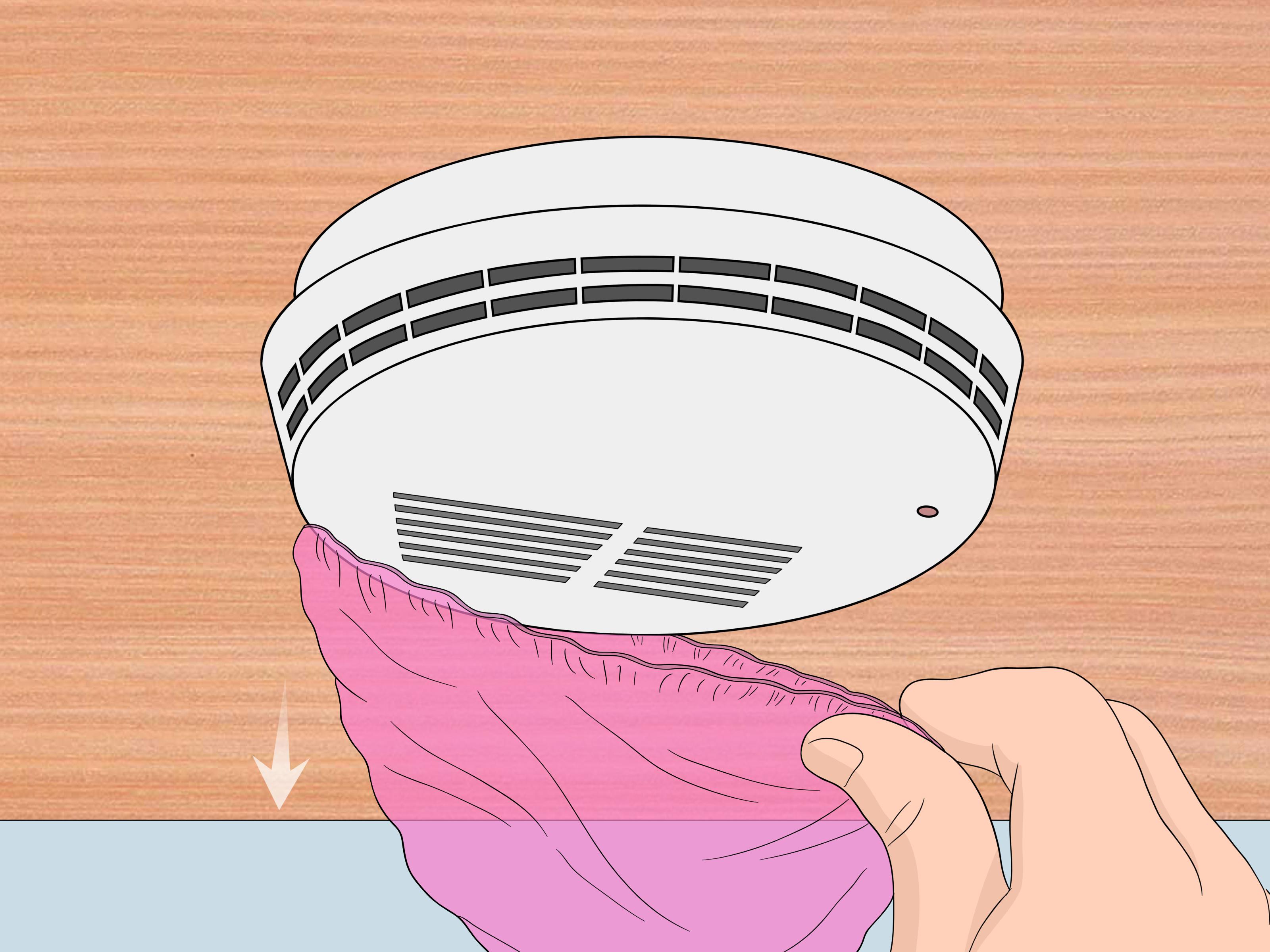
Note: Covering a smoke detector should never be a permanent fix. Smoke alarms are life-safety devices, not decorative ceiling accessories with commitment issues. The safest approach is to prevent nuisance alarms, use the built-in hush feature when appropriate, and only use a temporary cover in limited, supervised situations when there is no fire, no smoke emergency, and no carbon monoxide concern.
Few household sounds create instant chaos quite like a smoke detector screaming while you are searing a steak, roasting peppers, or taking a shower hot enough to qualify as weather. One second, you are making dinner or enjoying steam therapy; the next, you are waving a towel at the ceiling like you are trying to land a tiny helicopter.
So, can you cover a smoke detector while cooking or showering? Technically, yes, but the better question is: how can you stop false smoke alarms without making your home less safe? A smoke detector is designed to sense particles in the air. Cooking smoke, steam, high humidity, dust, insects, and even poor placement can confuse the sensor. That does not mean the alarm is “bad.” It means it is doing its job a little too enthusiastically.
This guide explains three practical ways to manage a sensitive smoke alarm during cooking or showering, including when a temporary cover may be reasonable, when it is a bad idea, and what to do instead. The goal is simple: fewer false alarms, safer habits, and no more sprinting through the house in a towel while the alarm announces your shower to the entire zip code.
Before You Cover Anything: Important Smoke Detector Safety Rules
Before discussing how to cover a smoke detector, let’s make one thing extremely clear: never disable a smoke alarm by removing the battery, disconnecting wiring, painting over the unit, taping the vents shut, or leaving it covered after cooking or showering. A disabled alarm cannot warn you during a real fire, and that risk is far more serious than the annoyance of a nuisance alarm.
Also, do not cover carbon monoxide alarms. Carbon monoxide is odorless, invisible, and dangerous. A smoke detector and a carbon monoxide detector may look similar, but they are not the same device. If you have a combination smoke and CO alarm, treat it with extra caution and avoid covering it.
In apartments, dorms, hotels, assisted living facilities, and rental homes, covering or tampering with alarms may violate building rules, lease terms, or fire codes. If your smoke detector constantly goes off because of normal cooking or shower steam, contact the landlord, maintenance team, or building manager. The real fix may be placement, ventilation, cleaning, or a different type of alarm.
Why Smoke Detectors Go Off While Cooking or Showering
Smoke detectors are sensitive because they are supposed to be. They detect tiny particles that may come from smoke, but similar particles and moisture droplets can sometimes trigger a nuisance alarm. That is why burnt toast, bacon grease, broiling meat, stir-frying, boiling water, steam from a bathroom, or even a dusty hallway can set one off.
Placement plays a major role. A smoke alarm installed too close to a stove, oven, toaster, bathroom door, vent, or ceiling fan is more likely to sound during everyday activities. Many fire-safety guidelines recommend keeping smoke alarms at least 10 feet from cooking appliances when possible. For areas near kitchens or bathrooms, a photoelectric alarm or an alarm with a hush button can reduce nuisance alarms while still providing protection.
Age matters, too. Smoke alarms do not last forever. Many residential smoke alarms should be replaced about every 10 years, or sooner if they fail testing, chirp repeatedly, look damaged, or keep sounding for no clear reason. Dust, insects, and humidity can also cause problems, so regular cleaning and monthly testing are not optional chores; they are part of keeping the alarm useful.
Way 1: Use the Hush or Silence Button Instead of Physically Covering the Alarm
The safest “cover” is not a cover at all. It is the hush, silence, or test/silence button built into many modern smoke alarms. This feature temporarily reduces the alarm’s sensitivity or silences the horn after you confirm there is no fire. It is designed for nuisance alarms caused by known sources, such as light cooking smoke or steam.
How to Use the Hush Button Safely
First, check the area. If there is visible fire, heavy smoke, a burning smell that does not match your cooking, or any doubt at all, do not hush the alarm. Evacuate and call emergency services. If you know the alarm was triggered by steam or mild cooking smoke, press the hush or silence button according to the manufacturer’s instructions.
Next, clear the air. Open windows, turn on the range hood, run the bathroom fan, and move smoky pans away from the detector. You can gently wave a towel below the alarm to move clean air toward it, but do not hit the alarm or remove it from the ceiling.
Finally, stay nearby. Most hush features last only a short time. If smoke or steam remains in the air, the alarm may sound again. That is annoying, yes, but it is also useful because it reminds you that the air still contains particles the detector can sense.
Best For
This method works best for light cooking smoke, shower steam drifting into a hallway, or a known nuisance alarm from a temporary source. It is ideal because the alarm remains installed, powered, and ready to respond once the hush period ends.
What Not to Do
Do not use the hush button as a license to ignore smoke. If your kitchen looks like a fog machine demonstration, turn off the burner, move the pan, ventilate the room, and take the situation seriously. Your dinner may be dramatic, but fire safety is not the place for improvisational theater.
Way 2: Use a Temporary, Removable Cover Only as a Last Resort
If you absolutely must cover a smoke detector for a short period while cooking or showering, use a temporary, easy-to-remove cover and treat it like a safety-critical task. This should be a last resort, not a daily routine. The cover should go on only when you are present, alert, and certain there is no fire danger. It should come off immediately afterward.
Common temporary options include a lightweight shower cap, a loose plastic bag secured with a rubber band, or a manufacturer-approved dust cover. Some alarms come with temporary dust covers intended for construction, painting, or remodeling. Those covers are not meant to stay on during normal living, and they should never be forgotten.
How to Use a Temporary Cover Responsibly
Before covering the detector, turn off unnecessary heat sources and confirm there is no active fire risk. If you are cooking, keep the stove attended. If you are showering, make sure steam is the only issue and that the alarm is not part of a carbon monoxide combination unit.
Place the temporary cover over the alarm without damaging the device. Do not use strong tape, glue, paint, plastic wrap, or anything that can leave residue, block the vents permanently, or prevent the alarm from working later. A bright-colored cover is better than a clear one because it is harder to forget. For extra protection against forgetfulness, set a phone timer labeled “Remove smoke detector cover.” Make it loud. Make it annoying. Future you deserves the reminder.
Remove the cover as soon as cooking smoke or shower steam has cleared. Then press the test button to confirm the alarm still works. If the detector does not respond correctly, replace the battery if applicable or replace the alarm according to the manufacturer’s instructions.
Best For
A temporary cover may be useful when shower steam repeatedly reaches a hallway detector, when cooking a short smoky dish while actively supervising the kitchen, or when doing dusty household work near an alarm. Again, this is temporary. Think minutes, not hours.
When Not to Use This Method
Do not cover a detector when you are frying with lots of oil, cooking over an open flame, broiling fatty foods, leaving the kitchen unattended, sleeping, using candles, operating a fireplace, or running fuel-burning appliances. Do not cover alarms in shared buildings, hotels, offices, dorms, or anywhere you are not authorized to manage the device.
Most importantly, do not remove the battery. Removing the battery is not “covering” the detector; it is disabling it. That is the fire-safety equivalent of taking the batteries out of your car’s brake lights because they are too bright.
Way 3: Fix the Real Problem with Ventilation, Placement, and the Right Alarm Type
The smartest way to cover a smoke detector while cooking or showering is to stop needing to cover it in the first place. If your alarm screams every time you boil pasta or take a hot shower, the issue may be airflow, placement, cleaning, or alarm type.
Improve Kitchen Ventilation
Turn on the range hood before the pan starts smoking, not after the alarm begins its ceiling solo. If your range hood vents outdoors, use it every time you cook with high heat. If it recirculates air through a filter, clean or replace the filter regularly. Open a nearby window when cooking smoky foods such as bacon, steak, blackened fish, roasted peppers, or anything involving a cast-iron skillet and ambition.
Small changes help. Use a splatter screen, lower the heat slightly, clean burnt food from burners, avoid overcrowding pans, and move smoky appliances like air fryers and toaster ovens away from the detector. A portable fan can help direct air toward a window, but do not point a fan in a way that pushes smoke deeper into the home.
Control Bathroom Steam
For shower-related false alarms, run the bathroom exhaust fan before turning on hot water and keep it running afterward. Crack a window if possible. Keep the bathroom door closed during a hot shower, then open it gradually once steam has thinned. If your bathroom fan is weak, noisy, or decorative in the sense that it exists but does nothing, clean it or consider replacing it with a stronger model.
If a smoke alarm is directly outside a bathroom door and steam triggers it regularly, placement may be the issue. In many homes, the alarm can be moved a few feet away while still protecting the sleeping area or hallway. For hardwired alarms, use a qualified electrician or contact the landlord rather than moving it yourself.
Choose the Right Alarm for the Area
Smoke alarms generally use ionization sensing, photoelectric sensing, or both. Ionization alarms can be more prone to nuisance alarms from some cooking particles. Photoelectric alarms may be less likely to react to everyday cooking or shower steam, depending on placement and conditions. Dual-sensor alarms combine technologies, offering broader detection. The best choice depends on the room, local code, and manufacturer guidance.
For areas near kitchens and bathrooms, look for alarms that include a hush button and meet current safety standards. Newer alarms are increasingly designed to reduce cooking nuisance alarms while still detecting real fires. Smart smoke alarms can also send phone alerts, identify which unit is sounding, and make troubleshooting easier, but smart features do not replace proper placement, testing, and maintenance.
Quick Comparison: Which Method Should You Use?
| Method | Best Use | Safety Level | Key Reminder |
|---|---|---|---|
| Hush or silence button | Known nuisance alarm from light cooking smoke or steam | Safest temporary option | Confirm there is no fire first |
| Temporary removable cover | Short, supervised situations only | Use with caution | Remove immediately and test the alarm |
| Ventilation, relocation, or upgrade | Recurring false alarms | Best long-term fix | Solve the cause, not just the noise |
Common Mistakes to Avoid
Leaving the Cover On
The biggest mistake is forgetting the cover. A smoke alarm with a shower cap on it after dinner is basically a ceiling ornament with a very important job it cannot perform. If you use a temporary cover, set a timer and remove it before you leave the room.
Removing the Battery
Removing the battery may seem quick, but it creates a dangerous habit. Many people forget to reinstall batteries, especially after the alarm finally stops chirping. A smoke alarm without power cannot protect you, your family, your pets, or your home.
Ignoring Frequent False Alarms
A nuisance alarm is still information. It may be telling you the alarm is too close to the kitchen or bathroom, the device is dirty, the battery is low, the sensor is aging, or the wrong alarm type is installed for that location. Do not simply fight the alarm every day. Fix the reason it keeps complaining.
Covering the Wrong Device
Some homes have smoke alarms, heat detectors, carbon monoxide alarms, smart sensors, and security system devices that look similar. Before touching anything, identify the device. Never cover a sprinkler head, carbon monoxide alarm, gas detector, or building fire alarm component.
How to Stop Smoke Detector False Alarms While Cooking
To reduce cooking-related false alarms, start ventilation early. Turn on the range hood before smoke appears. Use lids, reduce high heat when possible, and clean grease buildup from the stovetop and oven. Keep toaster ovens, air fryers, and indoor grills away from hallway detectors if your kitchen layout allows it.
If you often cook smoky foods, consider a photoelectric alarm or a newer alarm designed to reduce cooking nuisance alarms near the kitchen. Do not place a smoke alarm directly above the stove. If a detector is too close to cooking appliances, moving it farther away may help while still keeping the home protected.
Also, clean the alarm gently. Dust can confuse sensors, and kitchens are excellent at producing airborne grease, crumbs, and mysterious particles that nobody wants to identify too closely. Use a vacuum brush attachment or follow the manufacturer’s cleaning instructions. Do not spray cleaners directly into the alarm.
How to Stop Smoke Detector False Alarms While Showering
Steam can set off a smoke detector when moisture droplets drift into the sensing chamber. This often happens when an alarm is close to a bathroom door, especially in small apartments or hallways with poor airflow.
Run the exhaust fan during and after showers. Keep the bathroom door mostly closed while steam builds. If the bathroom has a window, crack it open when weather allows. After showering, let steam clear before opening the door wide. This one habit can prevent the hallway from becoming a rainforest exhibit.
If the alarm continues to react to normal showers, ask whether the detector is too close to the bathroom, too old, dirty, or overly sensitive. Moving the alarm a few feet away from the bathroom door may make a big difference, but hardwired units should be handled by a professional.
When to Replace the Smoke Alarm
Replace a smoke alarm if it is more than 10 years old, fails the test button check, chirps after battery replacement, looks damaged, or repeatedly sounds for no clear reason. Check the manufacture date on the back of the unit. If the alarm is old enough to remember your first smartphone, it may be time for retirement.
Test alarms monthly. Replace batteries according to the manufacturer’s guidance, unless the unit has a sealed long-life battery. Even sealed-battery alarms should be tested regularly and replaced when they reach the end of their service life.
500-Word Experience Section: Real-Life Lessons from Cooking, Steam, and Loud Ceiling Drama
Most people do not think about their smoke detector until it starts yelling. That is exactly why nuisance alarms feel so personal. You are not calmly reviewing fire-safety best practices while flipping pancakes. You are standing under a shrieking plastic disk, holding a spatula, wondering whether your breakfast has become a community announcement.
One common experience happens during high-heat cooking. A home cook heats a cast-iron pan for steak, adds oil, drops in the meat, and suddenly the kitchen fills with delicious smoke. The alarm goes off before the steak even has a proper crust. The first instinct is often to grab a chair and remove the battery. That may stop the noise, but it also creates the classic problem: the battery sits on the counter for days. A safer routine is to turn on the hood fan early, open a window, keep a towel nearby to move air, and use the hush button only after confirming there is no fire. The steak survives, the alarm survives, and nobody has to eat dinner with ringing ears.
Another familiar situation is the hot shower false alarm. In small apartments, a detector may sit right outside the bathroom door. After a long shower, steam rolls into the hallway like a dramatic movie entrance, and the detector reacts as if the bathroom has declared independence. Many people learn that closing the bathroom door, running the exhaust fan longer, and opening the door slowly afterward can solve most of the problem. If that fails, the detector may need to be moved slightly farther from the bathroom entrance.
Holiday cooking brings its own lessons. Thanksgiving, Christmas, and family gatherings often involve multiple burners, a crowded oven, and at least one relative asking if “something is supposed to smell like that.” During big cooking days, false alarms are more likely because the kitchen is producing more heat, steam, grease, and airborne particles than usual. The best habit is preparation: clean the oven beforehand, check the range hood filter, open a window before roasting or broiling, and know where the hush button is. Searching for the button while holding a turkey baster is not a graceful moment.
Temporary covers can also teach humility. A bright shower cap or removable cover may work for a few minutes, but only if you remember to remove it. The safest people treat a temporary cover like a timer-based task, not a decoration. They set a phone alarm, place a sticky note near the stove, and test the detector afterward. That small routine turns a risky shortcut into a controlled, temporary step.
The biggest takeaway from real life is this: a smoke detector that constantly gives false alarms is not something to ignore. It is a household system asking for attention. Better ventilation, better placement, cleaning, and the right alarm type can make daily life quieter without sacrificing safety. The goal is not to defeat the smoke detector. The goal is to help it tell the difference between a real emergency and your ambitious grilled cheese.
Conclusion
Covering a smoke detector while cooking or showering should always be temporary, supervised, and treated with caution. The safest option is usually the hush button, followed by better ventilation and proper alarm placement. A temporary removable cover may help in limited situations, but it should never become a habit and must be removed immediately after the steam or cooking smoke clears.
If false alarms happen often, do not keep battling the detector like it is a tiny ceiling villain. Clean it, test it, check its age, improve airflow, and consider whether it belongs farther from the kitchen or bathroom. A working smoke alarm is one of the simplest and most important safety tools in your home. Keep it working, keep it uncovered, and let it be loud only when it truly needs to be.














