
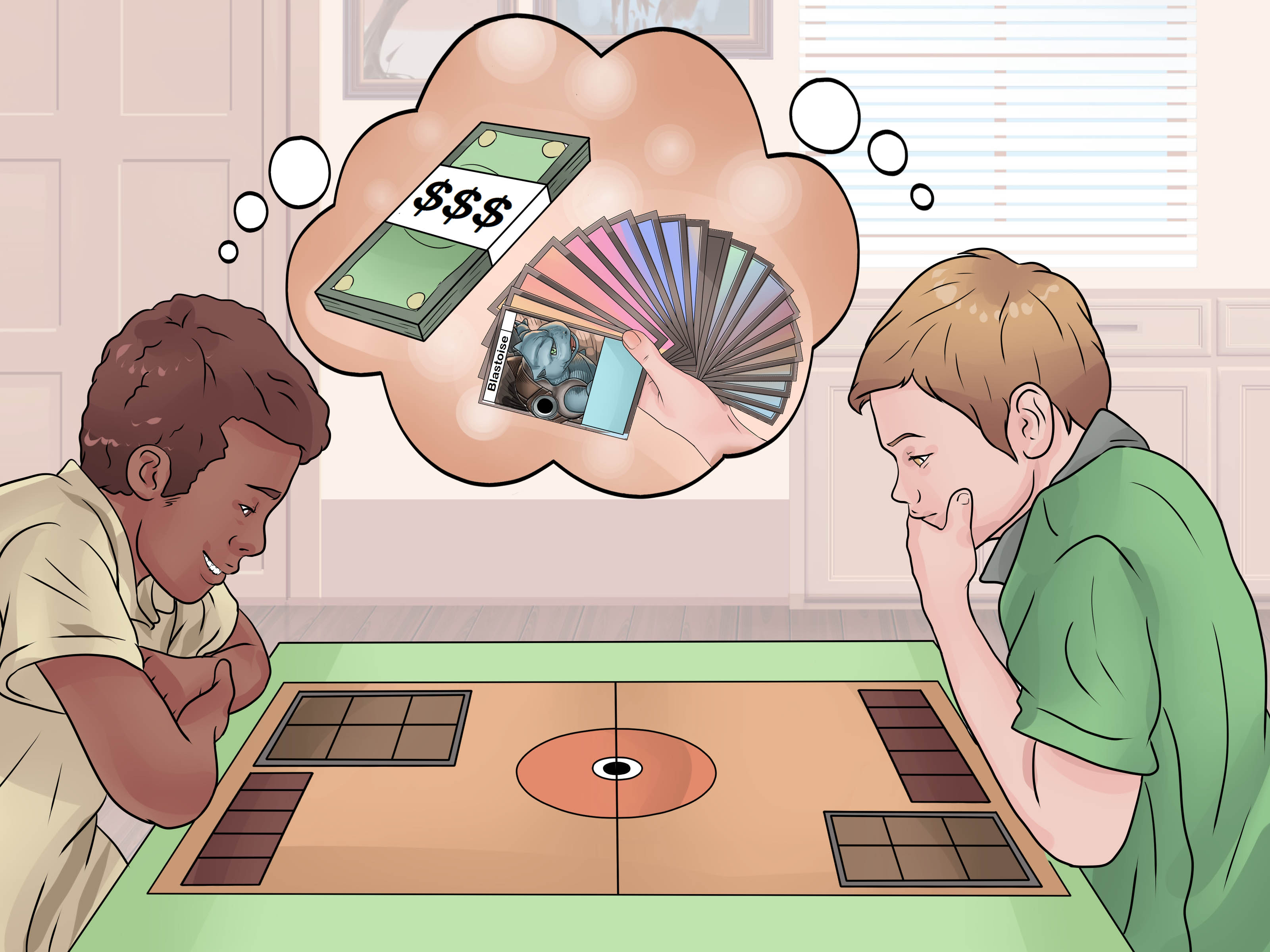
Rare Pokémon cards are the tiny cardboard dragons of the collecting world: beautiful, exciting, occasionally expensive, and surprisingly good at making adults whisper, “Maybe just one more pack.” Whether you are chasing a Special Illustration Rare, hunting vintage Base Set holos, or trying to find that one Charizard your childhood binder cruelly never delivered, the big question is simple: how do you actually get rare Pokémon cards without turning your wallet into a fainted Magikarp?
The truth is that there are three reliable paths: opening sealed Pokémon TCG products, buying rare singles from trusted marketplaces, and trading or hunting locally through card shops, conventions, and collector communities. Each method has its own personality. Packs bring the thrill. Singles bring control. Trading brings community, negotiation, and the occasional person who values a card based entirely on vibes.
This guide breaks down the three best ways to get rare Pokémon cards, how to avoid fakes, how to judge value, and how to build a collection that feels exciting instead of financially terrifying.
What Makes a Pokémon Card Rare?
Before chasing rare Pokémon cards, it helps to know what “rare” actually means. In the Pokémon Trading Card Game, rarity is usually shown by symbols near the bottom of a card. Classic symbols include a circle for common cards, a diamond for uncommon cards, and a star for rare cards. Modern sets, especially in the Scarlet & Violet era, use additional rarity categories such as Double Rare, Ultra Rare, Illustration Rare, Special Illustration Rare, and Hyper Rare.
But rarity does not always equal value. A card can be technically rare and still inexpensive if few collectors want it. Meanwhile, a beloved Pokémon, gorgeous artwork, low print population, tournament significance, vintage status, or high professional grade can turn one card into a headline-making collectible.
Key Factors That Affect Value
A rare Pokémon card usually becomes valuable because several factors work together:
- Rarity symbol: Special Illustration Rare, Hyper Rare, promo, or secret-style cards often attract collectors.
- Condition: Centering, corners, edges, and surface scratches matter a lot.
- Popularity: Charizard, Pikachu, Eeveelutions, Gengar, Mewtwo, and legendary Pokémon often command attention.
- Age: Vintage cards from early Wizards of the Coast sets can be highly desirable.
- Grading: PSA, CGC, and Beckett grades can affect price dramatically, especially for high-end cards.
- Scarcity: Trophy cards, tournament promos, and low-population graded cards are often much harder to find.
Way 1: Open Sealed Pokémon TCG Products
Opening sealed products is the most exciting way to get rare Pokémon cards. It is also the most unpredictable. Think of it as fishing: sometimes you catch a trophy, sometimes you catch seaweed, and sometimes you wonder why you bought bait at 2 a.m.
Sealed products include booster packs, booster boxes, Elite Trainer Boxes, booster bundles, collection boxes, tins, and Build & Battle Boxes. Each gives you a chance to pull rare Pokémon cards directly from packs. This method is especially popular with collectors who enjoy the experience as much as the result.
Best Sealed Products for Rare Card Hunting
Booster boxes are often the go-to choice for serious pack openers because they contain many packs from the same set. More packs mean more chances, although there is never a guarantee that you will pull the exact chase card you want.
Elite Trainer Boxes are popular because they combine packs with sleeves, dice, energy cards, and storage-friendly packaging. Pokémon Center-exclusive Elite Trainer Boxes can be especially appealing to collectors because they may include exclusive promos or packaging variations.
Build & Battle Boxes can be fun for players and collectors because they include booster packs plus a ready-to-play deck and promo card. If you attend prerelease events, these boxes can also create a social collecting experience.
Collection boxes and tins often include promo cards displayed on the front. While the packs inside may or may not deliver rare pulls, the promo itself can sometimes become collectible over time, especially if it features a popular Pokémon or unique artwork.
Pros of Opening Packs
The biggest advantage is excitement. Pulling a rare card yourself creates a story. A Special Illustration Rare from a pack hits differently than clicking “Buy Now.” You remember where you were, who was watching, and whether you shouted loud enough to concern the neighbors.
Opening sealed products also gives you bulk cards for deck building, trading, completing master sets, or sharing with younger collectors. For people who enjoy the Pokémon TCG as both a game and a hobby, sealed products offer more than just chase cards.
Cons of Opening Packs
The main downside is cost. Pull rates vary by set and rarity, and chasing one specific card through packs can become expensive quickly. If your goal is only to own one rare card, buying the single is often cheaper than opening enough packs to maybe pull it.
There is also the risk of resealed or tampered products when buying from unreliable sellers. Stick with trusted retailers, official Pokémon sources, established local game stores, and reputable online marketplaces. A suspiciously cheap booster box is often not a miracle; it is a cardboard trap wearing a discount sticker.
Way 2: Buy Rare Pokémon Singles from Trusted Marketplaces
If opening packs is the casino lights of collecting, buying singles is the spreadsheet with a seatbelt. It may be less dramatic, but it is usually the smartest way to get specific rare Pokémon cards.
Buying singles means purchasing the exact card you want instead of hoping to pull it from a pack. This is the best method for collectors building a focused collection, completing a set, investing in graded cards, or targeting a specific Pokémon, artist, rarity, or era.
Where to Buy Rare Pokémon Cards Online
Popular options include large trading card marketplaces, auction platforms, card shops with online inventory, and grading-company marketplaces. TCGplayer is widely used for raw singles, while eBay remains one of the biggest places to find both raw and graded Pokémon cards. Price-tracking sites can help you compare recent sales and avoid overpaying.
For high-value cards, look for buyer protection, seller history, clear photos, return policies, and authentication programs. On major platforms, higher-value trading cards may qualify for authenticity review. This extra layer of protection matters because counterfeit Pokémon cards do exist, and some fakes are more convincing than a Team Rocket disguise.
How to Evaluate a Listing
Do not buy a rare Pokémon card based on one blurry photo taken under mysterious kitchen lighting. A good listing should include clear front and back images, close-ups of corners and edges, accurate condition details, and the card number and set name.
Check the following before buying:
- Card name and number: Many cards have multiple versions. Confirm the exact set and card number.
- Condition: Near Mint, Lightly Played, Moderately Played, and Damaged can mean big price differences.
- Centering: Uneven borders can reduce grading potential.
- Surface: Look for scratches, print lines, dents, stains, or holo wear.
- Seller feedback: A long record of successful card sales is safer than a brand-new mystery account.
- Recent sold prices: Asking price is not market value. Sold prices are the better clue.
Raw Cards vs. Graded Cards
A raw card is not professionally graded. A graded card has been authenticated, evaluated, assigned a numerical grade, and sealed in a protective slab by a grading company such as PSA, CGC, or Beckett.
Raw cards can be cheaper and are great for binders, casual collecting, and set completion. Graded cards are usually better for high-end collecting, long-term preservation, and easier resale. However, grading is not magic. A low-grade card may not be worth the grading fee, and a card that looks clean at first glance may have tiny flaws that keep it from earning a top grade.
If you buy graded cards, verify the certification number on the grading company’s website. Also compare the slab, label, and card details with official records. Counterfeit slabs are less common than fake raw cards, but collectors should still be cautious.
Smart Buying Strategy
Start with a wishlist. Choose a budget, then decide whether you care more about artwork, Pokémon popularity, vintage history, competitive playability, or investment potential. For example, a collector who loves modern artwork might chase Special Illustration Rare cards from Scarlet & Violet sets. A vintage collector might focus on Base Set, Jungle, Fossil, Team Rocket, Neo, or early promo cards.
When prices spike after a new set release, patience can help. Some modern chase cards are extremely expensive in the first few weeks because hype is hot and supply is still settling. Waiting a month or two may reveal a more realistic market price. Of course, some cards keep climbing, because Pokémon collectors enjoy keeping everyone humble.
Way 3: Trade, Hunt Locally, and Join Collector Communities
The third way to get rare Pokémon cards is the most underrated: go where collectors gather. Local game stores, card shows, trading nights, conventions, online communities, and friend groups can all lead to rare finds.
This method takes more patience and people skills, but it can be incredibly rewarding. You may discover cards that are not listed online, negotiate better deals, trade duplicates, or meet experienced collectors who can teach you what to look for.
Visit Local Card Shops
Local game stores are often the heart of the Pokémon TCG community. Many sell sealed products, singles, graded cards, sleeves, binders, and storage supplies. Some host tournaments, prerelease events, trading nights, and collector meetups.
Building a relationship with a local shop can be useful. Staff may let you know when new products arrive, help you understand market trends, or point out cards that fit your collecting goals. Good shops also care about reputation, which can make buying safer than random online deals.
Attend Card Shows and Conventions
Card shows can be treasure hunts. Dealers bring binders, showcases, slabs, sealed boxes, vintage collections, Japanese cards, promos, and sometimes cards you have only seen in YouTube thumbnails with dramatic red arrows.
At shows, bring a budget, a trade binder, a want list, and recent market data. Prices can vary widely from table to table. Do not be afraid to politely negotiate, especially if you are buying multiple cards. But be respectful. “Would you consider $80?” works better than “My cousin says this is worth $12 and a sandwich.”
Trade with Other Collectors
Trading is a classic way to get rare Pokémon cards without always spending cash. The key is fairness. Use recent sold prices, condition comparisons, and transparent communication. If one card is graded and another is raw, factor that in. If one card has whitening, scratches, or poor centering, be honest.
A good trade leaves both people happy. A bad trade creates drama, screenshots, and possibly a permanent nickname in the local card community. Do not be that person.
Join Online Communities Carefully
Online collector groups can help you learn quickly. Communities on forums, social platforms, and Discord servers often discuss new sets, card values, fake detection, grading results, and market trends. They can also lead to private sales and trades.
However, private deals carry risk. Use protected payment methods, request timestamped photos, check references, and avoid deals that feel rushed or suspicious. If someone claims they need to sell a rare Charizard in the next ten minutes because their uncle works for Professor Oak, slow down.
How to Avoid Fake Rare Pokémon Cards
As card values rise, counterfeit cards become more common. Some fake cards are laughably bad, with strange fonts, misspelled words, wrong colors, or backs that look like they were printed during a thunderstorm. Others are harder to spot.
Common warning signs include:
- Incorrect spelling, grammar, or energy symbols
- Wrong card texture for modern full-art cards
- Colors that look too dark, too light, or washed out
- Flimsy cardstock or unusual gloss
- Card backs that do not match authentic Pokémon cards
- Prices far below market value
- Sellers refusing to provide extra photos
For expensive purchases, consider authenticated listings, graded cards, or buying from trusted sellers with strong reputations. It is better to miss a “deal” than to own a fake card that gives you emotional damage every time you open your binder.
Should You Grade Your Rare Pokémon Cards?
Grading can increase a card’s value, but only when the card, condition, and market demand justify it. Professional grading evaluates centering, corners, edges, and surface. Cards are then sealed in protective slabs with a grade.
Grading may be worth it for vintage holos, rare promos, high-demand modern chase cards, and cards that appear extremely clean. It may not be worth it for low-value cards, damaged cards, or cards where grading fees and shipping would exceed the potential value increase.
Pre-Grading Checklist
- Check recent sold prices for raw and graded versions.
- Inspect the card under bright light.
- Look closely at corners, edges, centering, and surface.
- Compare possible grades realistically.
- Calculate grading fees, shipping, insurance, and turnaround time.
Collectors sometimes convince themselves every clean card is a guaranteed 10. This is known medically as “binder optimism.” It is common, contagious, and best treated with a magnifying lamp.
Best Strategy for Beginners
If you are new to collecting rare Pokémon cards, combine all three methods. Open a few packs for fun, buy singles for serious goals, and trade locally to learn from other collectors. This balanced approach gives you excitement, control, and community.
A beginner-friendly plan might look like this:
- Pick one modern set you enjoy and open a small amount of sealed product.
- Create a wishlist of your favorite rare cards from that set.
- Buy singles for the cards you did not pull.
- Use duplicates for trades at a local card shop or show.
- Track prices before making expensive purchases.
- Protect valuable cards immediately with sleeves, top loaders, or semi-rigid holders.
This approach prevents the biggest beginner mistake: endlessly opening packs for one card while ignoring the fact that buying the card directly would have cost less than the mountain of wrappers now judging you from the trash can.
Personal Experiences and Practical Lessons from Hunting Rare Pokémon Cards
One of the best lessons from collecting rare Pokémon cards is that the hobby rewards patience more than panic. Many beginners rush into buying the hottest card of the week because social media makes it look like everyone else is pulling it, grading it, and retiring to a mansion made of booster boxes. In reality, most collectors are opening ordinary packs, pulling ordinary cards, and pretending they are totally fine. The rare hit is rare for a reason.
A smart collecting experience usually starts with curiosity, not greed. The most satisfying collections often have a theme: favorite Pokémon, favorite artists, vintage cards, Japanese promos, full-art trainers, Eeveelutions, sealed products, or cards from sets you actually enjoyed opening. When your collection has a theme, every purchase feels intentional. Without a theme, it is easy to buy random “rare” cards that do not make you happy later.
Another practical experience: condition matters more than beginners expect. Two copies of the same rare Pokémon card can have very different values because one has clean corners and the other looks like it survived a battle with a washing machine. Always check the back of the card. Many front photos look beautiful, but the back reveals whitening, edge wear, dents, or centering problems. If you are buying online, ask for extra photos. A serious seller will usually understand.
Trading also teaches valuable lessons. Bring a small trade binder with cards you are genuinely willing to move. Keep your personal favorites separate so you do not trade emotionally and regret it later. Before agreeing to a trade, compare recent sold prices, not just listed prices. Listed prices are wishes. Sold prices are reality wearing shoes.
At local shops and shows, polite behavior goes a long way. Dealers and collectors remember people who are fair, friendly, and prepared. Ask questions, but do not demand free appraisals for an entire backpack of cards during a busy event. If a dealer gives advice, thank them. If you negotiate, be reasonable. The Pokémon community is large, but local scenes can feel surprisingly small.
Finally, protect your cards immediately. Use penny sleeves, top loaders, card savers, binders with side-loading pages, and storage boxes designed for trading cards. Keep cards away from humidity, direct sunlight, food, pets, and younger siblings with mysterious sticky fingers. A rare pull can lose value quickly if it gets scratched, bent, or stored loose in a drawer next to old receipts and heroic amounts of lint.
The best rare Pokémon card hunt is not always the most expensive one. Sometimes it is the card you traded for fairly, the pack you opened with friends, the vintage holo you rescued from a dusty binder, or the artwork that makes you smile every time you see it. Collect wisely, protect your cards, and remember: the real treasure may be friendshipbut a mint Charizard certainly does not hurt.
Conclusion
Getting rare Pokémon cards comes down to three main strategies: open sealed products for the thrill, buy singles for control, and trade or hunt locally for hidden opportunities. The smartest collectors use all three. They research prices, avoid suspicious deals, understand rarity symbols, protect their cards, and know when buying the single is better than gambling on packs.
Rare Pokémon cards can be nostalgic, beautiful, valuable, and just plain fun. Whether you are chasing modern Special Illustration Rares or vintage holographic legends, collect with a plan. Your wallet, your binder, and your future self will all thank you.
Note: Pokémon card prices and availability change often. Always check recent sold listings, seller reputation, card condition, and authenticity protections before making a major purchase.













