
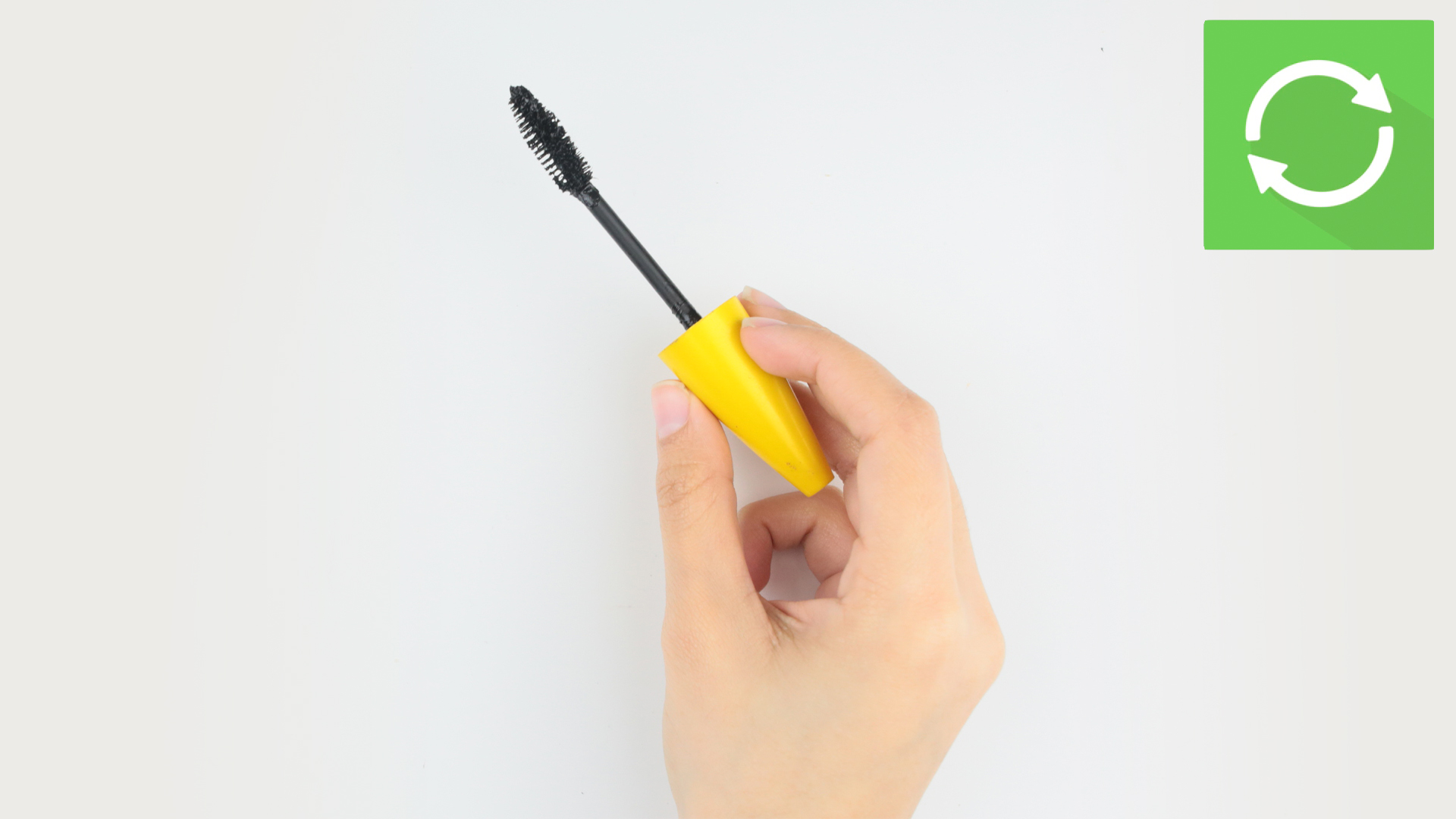
Note: Mascara lives very close to your eyes, so this guide focuses on safe, practical ways to thin mascara that is slightly dry but still fresh. If your mascara is expired, smells strange, has changed color, has been used during an eye infection, or feels irritating, toss it. Your lashes deserve drama; your eyeballs do not.
Introduction: When Your Mascara Turns Into Lash Cement
Few beauty frustrations are as oddly personal as opening your favorite mascara and discovering it has transformed from silky lash magic into a clumpy little tube of regret. Yesterday it gave you fluttery, lifted lashes. Today it looks like it wants to apply itself in gravel. Before you angrily throw it into the makeup bag graveyard, take a breath. In many cases, you can make mascara thinner againat least temporarilywithout buying a new tube immediately.
But there is one important rule before we begin: mascara is not the same as a dried-out lipstick or a powder compact. It is a creamy eye product that gets exposed to air, skin oils, dust, and bacteria every time the wand goes in and out. That means thinning mascara should be done carefully, only with clean methods, and only when the product is still within its safe-use window.
This guide explains three realistic ways to make mascara thinner: warming the closed tube, adding a tiny amount of sterile saline or contact lens solution, and improving your application and storage habits so the formula stays smoother longer. You will also learn when not to rescue mascara, what ingredients to avoid, and how to get more graceful lashes without turning your makeup routine into a chemistry experiment in a tiny black bottle.
Why Mascara Gets Thick in the First Place
Mascara thickens because its liquid ingredients slowly evaporate or separate over time. Every time you open the tube, a little air sneaks in. If you pump the wandyes, the dramatic in-and-out motion we have all seen in moviesyou push even more air into the formula. The result is clumping, flaking, uneven coating, and lashes that look less “soft glam” and more “tiny spider convention.”
Storage also matters. Heat can break down cosmetic formulas, while dry air can make mascara lose moisture faster. Leaving the cap loose, wiping the wand on the rim repeatedly, or storing it in a hot car can make a tube dry out before its time. Waterproof mascara may also feel thicker faster because those formulas are designed to resist moisture, not behave like a gentle watercolor paint set.
However, thick mascara is not always a product problem. Sometimes the issue is too much product on the brush, a clogged wiper inside the tube, or old mascara stuck around the rim. That is why the best approach is not to dump random liquids into the bottle. Start with the least invasive method first.
Before You Thin Mascara: The Safety Check
Before trying any mascara-thinning method, ask four questions. First, how old is the tube? If it has been open for about three months or longer, replacing it is usually the smarter move. Second, has the smell changed? Mascara should not smell sour, musty, or chemical in a new and exciting way. Third, has the texture changed dramatically? If it is stringy, gritty, separated, or unusually sticky, it belongs in the trash. Fourth, have you had an eye infection, stye, redness, or irritation while using it? If yes, discard it immediately.
Do not share mascara, do not add saliva, and do not add tap water. Saliva introduces bacteria, and tap water is not sterile. Also avoid perfume, alcohol, hydrogen peroxide, facial oil, essential oils, and random kitchen ingredients. Your mascara tube is not a smoothie bar. The goal is to restore a slightly dry formula, not create a new product with mystery consequences.
Way 1: Warm the Closed Mascara Tube in Water
The safest first method is simple: warm the closed mascara tube in warm water. This works especially well when mascara is thick but not truly expired. Heat can soften waxes and oils in the formula, helping the product glide more smoothly through the brush.
How to Do It
Make sure the cap is tightly closed. Fill a mug or small bowl with warm waternot boiling water. Place the closed mascara tube in the water for about three to five minutes. Remove it, dry the outside completely, then roll the tube between your palms. Do not shake it like a tiny maraca. Open the tube and swirl the wand gently inside before applying.
This method does not add anything to the formula, which is why it is a smart first step. It temporarily loosens the texture without diluting preservatives or changing how the mascara was designed to perform. Think of it as giving your mascara a spa day, minus the cucumber slices and soft instrumental music.
When This Method Works Best
Use the warm-water method when your mascara is only slightly dry, when it feels stiff in cold weather, or when the tube is near the middle of its life but still safe to use. It is also useful for thicker volumizing mascaras that naturally have a creamy, waxy texture.
When to Skip It
Skip this method if the tube is old, smells off, or causes irritation. Warming will not make contaminated mascara safe. It also will not fix a formula that has fully dried into a crumbly paste. At that point, the mascara is not being dramaticit is retired.
Way 2: Add 1–2 Drops of Sterile Saline or Contact Lens Solution
If warming the tube is not enough, a tiny amount of sterile saline or contact lens solution may help thin mascara that is drying out early. This is a popular beauty trick because saline is designed for use around the eyes, unlike tap water or homemade mixtures. Still, use this method carefully and sparingly.
How to Do It Safely
Start with a fresh, unexpired mascara tube that has not been shared and has not been used during an eye problem. Remove the wand and place only one or two drops of sterile saline or contact lens solution into the tube. Replace the wand, close the cap, and roll the tube between your palms for 20 to 30 seconds. Open it and check the consistency. If it still feels too thick, add only one more drop.
Less is more. Too much liquid can make mascara watery, messy, flaky, or less effective. It can also weaken the formula’s original preservative balance. Your goal is not to turn mascara into ink. You simply want it to move smoothly through the brush again.
What Kind of Liquid Should You Use?
Use sterile saline solution or contact lens solution that is intended for eye-area use. Do not use redness-relief eye drops unless your eye doctor has specifically told you they are appropriate for your eyes, and do not use medicated drops in cosmetics. Makeup and medicine should not be roommates.
Important Warning
Even with sterile saline, this method is best for a newer tube that dried out too soon. If the mascara is already near the end of its recommended life, thinning it may give you a smoother application, but it does not reset the clock. Mascara does not become “new again” just because you gave it two drops and a pep talk.
Way 3: Clean the Rim, Swirl the Wand, and Change Your Application Habits
Sometimes mascara seems too thick because product has built up around the neck of the tube or overloaded the wand. In that case, you may not need to thin the entire formula. You need to make the application thinner.
Clean the Tube Rim
Use a clean tissue to wipe dried mascara from the outside rim and cap threads. Do not push the tissue into the tube. Old product around the opening can stop the cap from closing tightly, letting air enter and dry the formula faster. A cleaner rim helps seal the tube properly and keeps the texture smoother.
Stop Pumping the Wand
Instead of pumping the wand up and down, insert it once and swirl it gently against the inside of the tube. Pumping pushes air into the mascara, which speeds drying and clumping. Swirling gathers product without creating an air party inside the bottle.
Remove Excess Product Before Applying
If the wand comes out overloaded, lightly wipe the tip on a clean tissue. This prevents blobs from landing on your lashes. Then apply mascara from the root to the tip using slow, small wiggles. For a lighter, thinner coat, focus on the base of the lashes and comb upward only once or twice.
Use a Clean Lash Comb
A metal or plastic lash comb can separate lashes after mascara application. This helps fix clumps without adding more product. Use it while the mascara is still slightly wet. Clean the comb after every use so it does not become a tiny rake of yesterday’s makeup.
What Not to Add to Mascara
The internet has a long list of mascara rescue hacks, and not all of them belong near your eyes. Avoid saliva completely. It can introduce bacteria directly into the tube. Avoid tap water because it is not sterile and can dilute preservatives. Avoid oils such as coconut oil, castor oil, olive oil, or baby oil inside the tube. Oils may change how mascara adheres to lashes, increase smudging, and irritate sensitive eyes.
Also avoid aloe gel from a plant, facial toner, micellar water, setting spray, perfume, alcohol, and makeup remover. These products are not designed to live inside mascara. Some may sting, separate the formula, or make it unsafe. If a hack sounds like it belongs in a salad dressing, a bathroom cabinet, or a science fair, keep it away from your lashes.
How to Tell If Mascara Is Too Old to Save
Mascara should be replaced regularly because the wand repeatedly touches the lashes and returns to the tube. That repeated contact makes eye makeup more vulnerable to contamination than many other beauty products. A general rule is to replace mascara around every three months after opening, especially if you use it often.
Throw mascara away sooner if it smells odd, flakes unusually, becomes hard to apply, causes burning or itching, or has been used while you had pink eye, a stye, or another eye issue. Also replace it if the cap has been left open overnight or if the tube has been stored in extreme heat. Saving money is nice; saving your eyes from irritation is nicer.
How to Keep Mascara Thin Longer
Preventing dry mascara is easier than reviving it. Always close the cap tightly right after use. Store the tube in a cool, dry place away from direct sunlight. Avoid keeping mascara in the car, where heat can turn beauty products into sad little chemistry projects.
Use one mascara at a time if possible. Opening several tubes at once means each one starts aging before you can finish it. If you rarely wear mascara, consider buying travel-size tubes. Smaller mascaras are often easier to finish within the safe-use window, and you get the emotional satisfaction of actually using up a product. Beauty minimalism: surprisingly thrilling.
Write the opening date on the tube with a small sticker or marker. This simple habit prevents the classic makeup bag mystery: “Did I buy this mascara last month or during a completely different personality era?”
Best Mascara Types If You Hate Thick Formulas
If your mascara always feels too thick, the problem may be the formula you choose. Volumizing mascaras tend to be creamier and denser because they are designed to build fullness. Waterproof mascaras can feel drier and firmer because they contain film-forming ingredients that resist moisture. If you prefer a thinner, smoother feel, try lengthening, defining, washable, or tubing mascaras.
A rubber or silicone wand can also help create a cleaner look because it usually deposits less product than a fluffy bristle brush. For natural lashes, look for words such as “defining,” “separating,” “lengthening,” or “clean.” If the packaging says “mega dramatic extreme volume explosion,” expect a thicker formula. The tube is basically warning you with jazz hands.
Quick Comparison: Which Method Should You Try?
| Problem | Best Method | Why It Helps |
|---|---|---|
| Mascara is slightly stiff | Warm the closed tube | Softens waxes and oils without adding anything |
| Mascara dried out early | Add 1–2 drops sterile saline | Restores a little moisture when the tube is still fresh |
| Application looks clumpy | Clean rim, swirl wand, wipe excess | Reduces product overload and air exposure |
| Mascara smells strange or irritates eyes | Throw it away | No thinning trick can make unsafe mascara safe |
Common Mistakes When Trying to Thin Mascara
The biggest mistake is adding too much liquid. Mascara formulas are carefully balanced, and a few extra drops can change wear time, texture, and smudge resistance. Another mistake is using the wrong liquid. Water, saliva, and oils may seem harmless, but they can introduce contamination or break down the formula.
A third mistake is trying to rescue mascara that is clearly past its prime. If the product is old, dry, and flaky, the best beauty hack is buying a fresh tube. Your future self, blinking comfortably, will thank you.
Extra Experience: Real-Life Lessons From Dealing With Dry Mascara
Anyone who wears mascara regularly eventually develops a personal relationship with the “almost empty but not quite” tube. It usually happens on a morning when you are already late. You twist open the cap, pull out the wand, and there it is: a brush wearing one sad clump of product like a tiny black sweater. This is the moment when mascara tests your character.
From experience, the warm-water method is the most forgiving. It is clean, fast, and surprisingly effective when the mascara is only a little thick. It works especially well before an event when you do not want to experiment with adding anything to the tube. The key is patience. Three to five minutes in warm water can make the formula feel smoother, but boiling water is unnecessary and risky. Mascara does not need a hot tub time machine.
The saline method can also work, but it requires self-control. One or two drops feel like nothing, so the temptation is to add more. Resist. Too much solution can make mascara wet, slippery, and prone to smearing under the eyes. That is how you start the day wanting soft lashes and end it looking like you lost an emotional argument with a raccoon.
The most useful long-term lesson is that mascara dries faster when we treat it roughly. Pumping the wand, leaving the cap loose, scraping the brush against the opening, and storing it in hot places all shorten its life. Once you switch to swirling instead of pumping and wiping only the tip when needed, the formula usually stays smoother. It is not glamorous advice, but it works.
Another practical lesson: not every mascara is meant to be thin. Some formulas are designed to be rich and dramatic. If you prefer clean, separated lashes, buying a lighter formula is easier than constantly fighting a volumizing one. Lengthening mascaras, tubing mascaras, and defining mascaras usually give a more flexible, less clumpy result. Matching the formula to your lash style saves money, time, and morning frustration.
Finally, there is no shame in throwing mascara away. Beauty products can create a strange sense of loyalty, especially when the packaging is pretty or the price was rude. But mascara is one of those products where freshness matters. If it irritates your eyes, flakes badly, smells odd, or has been open too long, replacing it is the better choice. A fresh drugstore mascara that applies smoothly is better than an expensive old one that makes your eyes water during math class, work, brunch, or any other place where crying was not on the schedule.
The best approach is simple: warm it first, add sterile saline only if the tube is still fresh, improve your application habits, and know when to let go. Mascara should make your lashes look better, not turn your morning routine into a survival challenge.
Conclusion
Learning how to make mascara thinner is really about knowing the difference between a tube that needs a little help and a tube that needs retirement. For slightly dry mascara, warming the closed tube in warm water is the safest first move. If the mascara is still fresh, one or two drops of sterile saline or contact lens solution may restore a smoother texture. For clumpy application, cleaning the rim, swirling the wand, wiping excess product, and using a lash comb can make the result look thinner and cleaner without altering the formula.
The golden rule is safety first. Never add saliva, tap water, oils, perfume, or random household ingredients. Replace mascara regularly, especially if it smells strange, changes texture, causes irritation, or has been used during an eye infection. Great lashes are fun, but healthy eyes are the real main character.














