
Note: This article is written for web publishing and focuses on practical, real-world fitness ball measuring methods, sizing examples, inflation tips, and user experience guidance.
Introduction: Why Measuring a Fitness Ball Matters More Than You Think
A fitness ball looks simple enough: big, round, bouncy, and suspiciously good at rolling under the couch the moment you turn your back. But when it comes to exercise, physical therapy, stretching, posture work, or using a ball as an occasional active sitting tool, size matters. A fitness ball that is too small can force your knees too high and make your posture collapse. A ball that is too large can leave your feet barely touching the floor, which is not exactly the confidence-building core workout anyone signed up for.
Fitness balls are commonly sold by diameter, usually in centimeters. Popular sizes include 45 cm, 55 cm, 65 cm, 75 cm, and 85 cm. That number refers to the ball’s height or diameter when it is properly inflated. The challenge is that a ball does not arrive fully inflated, and even after pumping it up, it may look “close enough” while still being underfilled or overfilled. Close enough is fine for guessing how many chips are left in the bag. It is not ideal for a tool you are planning to sit, balance, stretch, or exercise on.
The good news is that measuring a fitness ball is easy once you know the three best methods: measuring its diameter against a wall, measuring its circumference with a tape measure, and checking the seated fit with your body position. Each method gives you a slightly different kind of information. Together, they help you choose the right size, inflate it correctly, and use it safely.
What Is a Fitness Ball?
A fitness ball, also called an exercise ball, yoga ball, Swiss ball, stability ball, physio ball, or balance ball, is an inflatable ball used for core training, stretching, rehabilitation exercises, balance work, and posture-focused movements. It creates an unstable surface, which encourages your core muscles to work harder to keep you steady. That is why a simple move like a crunch, bridge, wall squat, or seated balance drill can feel more challenging on a ball than on the floor.
However, the same instability that makes a fitness ball useful also means the ball must fit your body and your intended exercise. A properly sized ball supports better alignment, reduces awkward joint angles, and helps you move with control. A poorly sized ball can turn a beginner-friendly exercise into a wobbly circus audition.
Common Fitness Ball Sizes
Most full-size exercise balls are labeled by diameter in centimeters. While exact brand recommendations may vary, the following general size guide is widely used:
| Ball Size | Approximate Diameter in Inches | Common User Height Range | Typical Use |
|---|---|---|---|
| 45 cm | 18 inches | Under 5 feet | Petite users, children, some rehab exercises |
| 55 cm | 22 inches | About 5’0″ to 5’5″ | Shorter adults, seated exercises, core work |
| 65 cm | 26 inches | About 5’6″ to 5’11” | Average adult size, general fitness |
| 75 cm | 30 inches | About 6’0″ to 6’5″ | Taller users, stretching, strength work |
| 85 cm | 34 inches | Over 6’5″ | Very tall users, specialty training |
This chart is a starting point, not a commandment carved into a dumbbell. Leg length, exercise style, flexibility, body weight, and personal comfort all matter. Two people may be the same height but need different ball sizes because one has longer legs, one wants the ball for physical therapy, and one simply likes more stability.
Method 1: Measure the Fitness Ball Diameter Against a Wall
Best for: Checking whether the ball is inflated to its labeled size
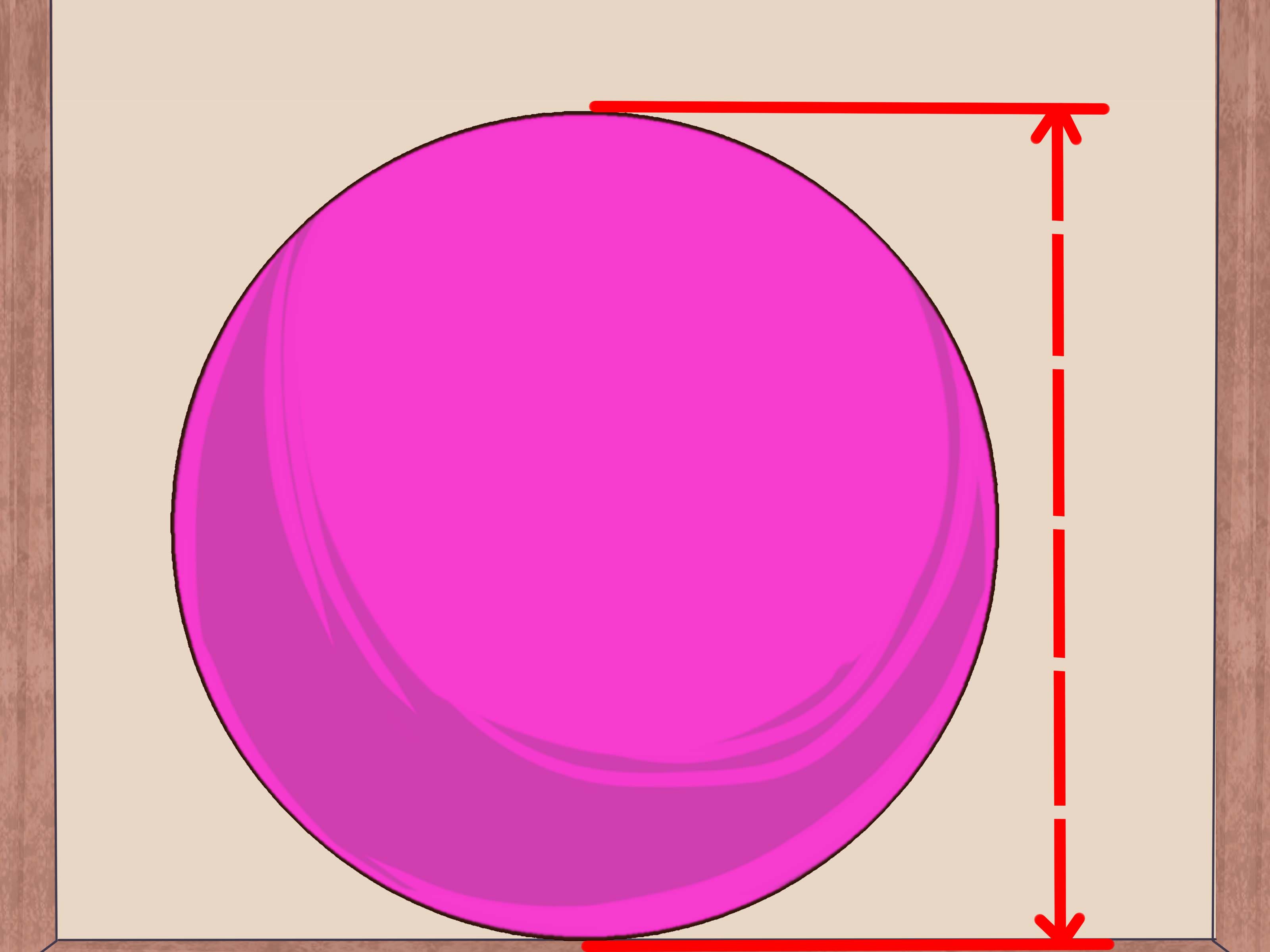
The wall method is one of the most reliable ways to measure a fitness ball because it checks the ball’s diameter directly. If your ball says 65 cm, the fully inflated height from floor to top should be about 65 cm. This method is especially useful when you are inflating a new ball or topping off a ball that has softened over time.
What You Need
- A wall
- A pencil or removable tape
- A tape measure or yardstick
- A flat floor
- Your fitness ball and pump
Step-by-Step Instructions
First, check the printed size on the ball or the product packaging. Most balls show a number such as 55 cm, 65 cm, or 75 cm. Next, measure that height from the floor up the wall and make a small pencil mark or place a piece of painter’s tape at the correct height. For example, if you have a 65 cm ball, mark 65 cm above the floor.
Now place the ball beside the wall and slowly inflate it. Stop when the top of the ball reaches the mark. The ball should touch the floor and rise to the measured height without being squashed. If the ball is still below the mark, add air gradually. If it rises above the mark and feels drum-tight, release a little air.
The key word here is gradually. Fitness balls can stretch slightly, especially when new. Many new balls benefit from being inflated partially, left to rest, and then topped up later. Think of it like breaking in a new pair of sneakers, except the sneaker is round and trying to escape across your living room.
Pros of the Wall Method
- It directly checks the ball’s diameter.
- It works well for new balls and re-inflation.
- It does not require wrapping a tape measure around a slippery ball.
- It helps prevent over-inflation.
Common Mistakes to Avoid
Do not measure the ball while it is pressed into a corner or squeezed against furniture. Compression can make the measurement inaccurate. Also, do not assume firmness equals correct size. A ball can feel firm but still be too small, especially if the PVC has not fully stretched. On the other hand, a ball that feels extremely hard may be overinflated, which can reduce comfort and may increase stress on the material.
Method 2: Measure the Circumference With a Tape Measure
Best for: Measuring the ball when wall space is limited
The circumference method measures the distance around the widest part of the ball. This is helpful if you do not have a clear wall and floor setup or if you want to double-check the diameter with a flexible tape measure. Since circumference is mathematically related to diameter, you can use it to confirm whether your ball is close to its intended size.
How Circumference Works
The formula is simple: circumference equals diameter multiplied by pi. In plain English, the distance around the ball is a little more than three times the ball’s diameter. No need to panic; there will not be a surprise math quiz. Here are useful approximate circumference targets:
| Ball Diameter | Approximate Circumference | Approximate Circumference in Inches |
|---|---|---|
| 45 cm | 141 cm | 56 inches |
| 55 cm | 173 cm | 68 inches |
| 65 cm | 204 cm | 80 inches |
| 75 cm | 236 cm | 93 inches |
| 85 cm | 267 cm | 105 inches |
Step-by-Step Instructions
Place the ball on a flat surface. Wrap a soft measuring tape around the widest part of the ball, usually around the center. Keep the tape level all the way around. If the tape climbs upward on one side or dips downward on the other, your measurement may be off.
Pull the tape snug enough that it stays in place but not so tight that it presses into the ball. The tape should rest on the surface, not dig into it like it is trying to win an arm-wrestling match. Read the measurement and compare it with the target circumference for your ball size.
Example
If your ball is labeled 65 cm, its circumference should be roughly 204 cm, or about 80 inches. If you measure only 75 inches, the ball is likely underinflated. If you measure 84 inches and the ball feels extremely tight, it may be overinflated or mislabeled.
Pros of the Circumference Method
- It is fast and simple once you know the target number.
- It works even without a wall.
- It is useful for checking small changes in inflation over time.
- It helps confirm whether the ball matches the product label.
Common Mistakes to Avoid
The most common mistake is measuring too high or too low around the ball. You need the widest point. Another mistake is using a rigid ruler or metal tape that does not bend smoothly. A flexible tailor’s tape works best. If you only have a metal tape measure, use the wall method instead. Your sanity will thank you.
Method 3: Measure the Fitness Ball by Sitting on It
Best for: Checking whether the ball fits your body
The seated fit test is the most practical method because it answers the real question: does this ball actually work for you? A ball can match its labeled diameter perfectly and still feel wrong if your leg length or intended use calls for a different size.
How to Do the Seated Fit Test
Place the ball on a flat, non-slippery surface away from sharp objects, stairs, pets, and anything else that might turn your fitness session into slapstick comedy. Sit gently in the center of the ball with your feet flat on the floor. Your weight should be evenly balanced, your spine tall, and your shoulders relaxed.
Now check your lower body position. In most cases, your knees should be bent at about a 90-degree angle, your thighs should be parallel to the floor or angled slightly downward, and your hips should be level with or slightly higher than your knees. Your feet should remain flat. If your heels lift or you feel like you are perched on a beach ball throne, the ball may be too large. If your knees rise above your hips and your lower back rounds, the ball may be too small.
What the Seated Test Tells You
This method helps you understand fit, comfort, and posture. It is especially helpful if you plan to use the ball for seated core exercises, pelvic tilts, pregnancy comfort movements, physical therapy drills, or desk breaks. It also helps you decide whether you need a slightly bigger or smaller ball than a height chart suggests.
Example
A person who is 5’6″ may usually be guided toward a 65 cm ball. But if that person has shorter legs, a 55 cm ball may allow better foot contact and cleaner knee alignment. Another person at the same height with long legs may feel better on the 65 cm ball. The chart opens the door; the seated test tells you whether you should actually walk through it.
Pros of the Seated Fit Test
- It checks real body alignment, not just ball size.
- It is ideal for choosing between two sizes.
- It helps prevent awkward posture during exercises.
- It is easy to repeat after adding or releasing air.
Common Mistakes to Avoid
Do not test the ball on carpet that is too soft or on a slick floor where it can slide. Do not bounce aggressively during the test. Sit still first, check your posture, then gently move if needed. Also, do not copy product photos blindly. Models are often photographed on balls that look great on camera but may not reflect the best exercise fit for your body.
How Firm Should a Fitness Ball Be?
A properly inflated fitness ball should feel supportive but slightly forgiving. When you sit on it, it should compress a little under your weight without collapsing like a sad pancake. If the ball feels mushy, it is probably underinflated. If it feels hard, shiny, and tense enough to make you nervous, it may be overinflated.
For most exercise uses, the ball should be firm enough to hold its shape during movement. For stretching, rehabilitation, or beginner balance work, some people prefer a slightly softer ball because it offers a bit more contact and control. For advanced strength exercises, a firmer ball may create a more responsive surface, but it should still stay within the manufacturer’s recommended diameter.
Never inflate a ball beyond its labeled size just to make it feel firmer. Over-inflation can change how the ball performs and may reduce safety. If you need a taller ball, choose a larger size rather than forcing extra air into a smaller one.
How to Choose the Right Fitness Ball Size Before Buying
If you have not bought your ball yet, start with your height. A 55 cm ball often works for shorter adults, a 65 cm ball is common for average-height adults, and a 75 cm ball is common for taller adults. However, the best choice depends on use.
For Core Exercises
Choose a ball that allows controlled movement. For crunches, bridges, back extensions, and balance drills, you usually want a ball that supports proper alignment without making you feel unstable before the exercise even starts. Beginners should prioritize control over difficulty.
For Stretching
A slightly larger ball may feel better for chest openers, back extensions, and gentle mobility work because it gives more surface area and support. If the ball is too small, stretches may feel cramped. If it is too large, getting on and off may feel awkward.
For Sitting
When used for short active sitting breaks, the seated fit test is essential. Your feet should rest flat, and your hips should not sink lower than your knees. A ball is not a magic office chair replacement, and it should not be used for endless hours without breaks. Think of it as a movement tool, not a full-time furniture career change.
For Physical Therapy
If you are using a fitness ball for rehabilitation, follow your physical therapist’s recommendation. The right size may depend on your diagnosis, range of motion, strength level, and the exact exercises prescribed.
Safety Tips Before Using a Fitness Ball
Measuring the ball is only one part of safe use. Before exercising, inspect the ball for cracks, punctures, worn patches, or damaged plugs. Keep it away from sharp objects, heaters, direct sunlight, and rough outdoor surfaces. Use it on a clean, flat floor with enough room around you.
Check the manufacturer’s weight capacity and choose an anti-burst ball when possible. Anti-burst does not mean indestructible. It usually means the ball is designed to deflate more slowly if punctured, which can reduce the chance of a sudden drop. Still, no ball should be treated like a trampoline, wrestling prop, or test of household bravery.
If you are new to fitness ball exercises, begin near a wall or sturdy chair for support. Start with simple seated balance, pelvic tilts, wall squats, or gentle stretching before moving into planks, push-ups, rollouts, or advanced balance drills. The ball’s job is to challenge you, not launch you into the coffee table.
Quick Troubleshooting Guide
The Ball Looks Smaller Than the Label
It may be underinflated, especially if it is new. Inflate it gradually, let it rest, and measure again using the wall or circumference method.
The Ball Feels Too Hard
Release a small amount of air and recheck the diameter. A ball should not exceed its recommended size just to feel firmer.
Your Knees Are Higher Than Your Hips
The ball may be too small or underinflated. Add air if the ball is below its labeled diameter. If it is already properly inflated, consider a larger ball.
Your Feet Do Not Stay Flat
The ball may be too large. Try releasing a little air only if the ball is above its recommended diameter. Otherwise, choose a smaller size.
The Ball Loses Air Over Time
Small air loss can happen. Recheck the size every few weeks if you use the ball often. If it loses air quickly, inspect the plug and surface for leaks.
Real-World Experiences: What Measuring a Fitness Ball Teaches You
The first experience many people have with a fitness ball is surprisingly humbling. You buy a ball, pump it up, sit on it confidently, and immediately discover that your living room has become a balance laboratory. Measuring the ball before using it can prevent a lot of confusion. A ball that is only a few centimeters too small can make seated posture feel cramped. A ball that is too large can make basic movements feel more intimidating than they need to be.
One practical lesson is that the printed size on the box is not the final answer. A 65 cm ball is only a 65 cm ball when it is inflated to 65 cm. Straight out of the package, the material may feel stiff and folded. After the first round of inflation, the ball may need time to stretch. People often stop too early because the ball feels firm, then later wonder why their knees sit too high. Measuring removes the guesswork.
Another common experience is realizing that comfort depends on more than height. Someone who is 5’5″ may assume they need a 65 cm ball because they are close to the next height category. But once seated, they may find that their feet do not feel grounded. A 55 cm ball might give better control. Meanwhile, a taller person using a ball mainly for stretching may prefer a larger size because it supports the back more comfortably. This is why the seated fit test is so useful. Your body gives feedback that a chart cannot fully predict.
Inflation also changes the personality of the ball. A slightly softer ball feels more forgiving and less jumpy. Beginners often appreciate that. A firmer ball responds faster and can make exercises more challenging. For example, doing a wall squat with a slightly underinflated ball may feel smoother because the ball grips the wall and back more gently. But doing a plank with that same soft ball may feel unstable in the wrong way. The best inflation level depends on the exercise, but it should still stay within the correct measured diameter.
People also learn quickly that floor surface matters. A fitness ball on tile or polished wood can slide more than expected. A yoga mat can help create grip, but it may also slightly change how the ball sits. That is why measuring should be done on a flat, firm surface first. After that, you can move the ball to your exercise area and test how it behaves.
For home workouts, measuring the ball can save money and frustration. Many returns happen because the user bought the wrong size or thought the ball was defective when it was simply not fully inflated. Taking five minutes to mark the wall, wrap a tape measure, or sit and check knee angle can prevent that. It also makes workouts feel better from day one.
For families sharing one fitness ball, the experience can be funny but informative. The same ball that fits one person perfectly may be too tall or too short for someone else. If multiple people use the ball, it may be worth choosing the size that fits the primary user or buying a second ball if the height difference is large. A fitness ball is not like a soup pot; one size does not serve everyone equally well.
The biggest takeaway is simple: measuring builds confidence. Once you know the ball is the right size, you can focus on movement instead of wondering whether your equipment is working against you. Whether you are doing beginner core exercises, gentle stretching, physical therapy drills, or just trying to sit with better awareness for a few minutes, the right ball size makes the experience smoother, safer, and more effective.
Conclusion: Measure First, Wobble Later
Learning how to measure a fitness ball is not complicated, but it makes a big difference. The wall method checks the ball’s diameter, the circumference method gives a flexible measuring option, and the seated fit test confirms whether the ball actually works for your body. Use all three when possible, especially when inflating a new ball or deciding between sizes.
A good fitness ball should support your posture, match your exercise goals, and feel stable enough for controlled movement. It should not be so soft that it collapses or so hard that it feels ready to file a complaint. Measure carefully, inflate gradually, check your seated position, and inspect the ball regularly. Do that, and your fitness ball becomes less of a mysterious inflatable orb and more of a useful training tool for strength, balance, flexibility, and core control.











