
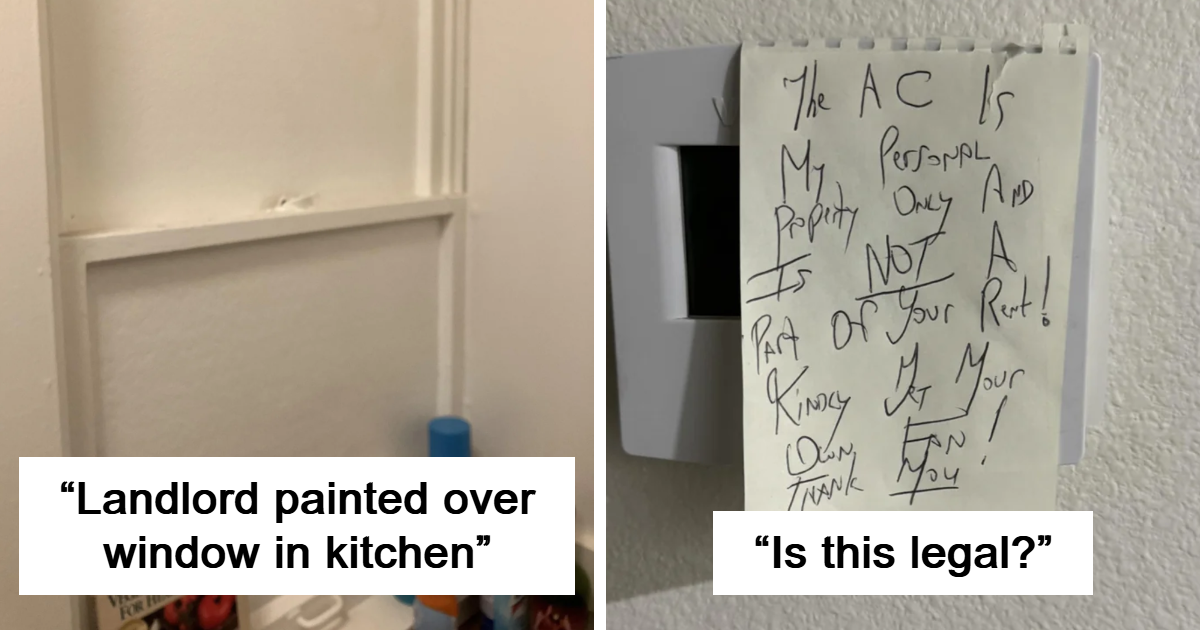
Renting a home should be simple: pay rent, keep the place reasonably clean, report problems, and enjoy not being responsible for replacing the roof. In reality, many tenants discover that some landlords treat a lease less like a housing agreement and more like a royal decree written on a napkin.
This article is not about responsible property owners who fix leaks, respect privacy, return security deposits fairly, and communicate like adults with calendars. Those landlords exist, and renters appreciate them. This is about the other kind: the landlord who thinks “quiet enjoyment” means tenants should quietly enjoy whatever nonsense is happening to them.
Across the United States, tenant frustrations often center on the same themes: surprise fees, ignored repairs, improper entry, deposit drama, unfair screening, retaliation, and the ancient art of blaming the renter for a problem that clearly started before the renter owned a shower curtain. Below are 30 painfully familiar moments when tenants realized their landlord’s ego had officially moved in without paying rent.
Why Landlord Ego Becomes a Real Housing Problem
A landlord with confidence is not the problem. A landlord with an ego the size of a walk-in closet is. The issue begins when a housing provider forgets that rental property is both an investment and someone’s home. The tenant is not a guest, a favor recipient, or a background character in the landlord’s real estate success story. The tenant is a paying customer with rights, responsibilities, and a life that should not be interrupted by surprise inspections, mystery fees, or “I’ll get to it eventually” repair schedules.
Many renters do not expect luxury. They expect working heat, safe wiring, reasonable privacy, clear billing, and a landlord who does not act personally wounded when asked to fix the ceiling that is currently auditioning to become a waterfall. When basic requests are treated as insults, tenants quickly learn that the real problem is not just a broken appliance. It is a power imbalance wrapped in an attitude problem.
30 Times Tenants Realized Their Landlord Was the Main Character
1. The Landlord Treated a Repair Request Like a Personal Attack
A tenant reports a leaking sink. The landlord responds as though the tenant has insulted their family name. Instead of “Thanks, I’ll send someone,” the reply is, “Well, it was fine before you moved in.” Congratulations, detective. That is how time works.
2. They Entered the Unit Without Proper Notice
Few things say “I do not understand boundaries” like a landlord unlocking the door because they “just wanted to check something.” In many places, landlords must provide reasonable advance notice unless there is an emergency. Curiosity is not an emergency, even if the landlord is very curious.
3. The Security Deposit Became a Retirement Plan
Some landlords treat the security deposit as a farewell gift. Normal wear and tear suddenly becomes “extensive restoration,” and a small nail hole is priced like a museum renovation. Tenants learn quickly to take move-in and move-out photos because memory gets very expensive when the landlord is doing the remembering.
4. They Added Fees That Were Never Clearly Explained
Application fee, convenience fee, processing fee, portal fee, air-breathing-near-the-building fee. Surprise rental fees can make the advertised rent feel like the opening bid at an auction. Clear pricing is basic fairness, but some landlords prefer the plot twist approach.
5. They Blamed Tenants for Old Problems
The cabinet door was loose during the first showing. Three months later, it falls off, and suddenly the tenant is accused of “rough use.” Some landlords believe every property defect is tenant-caused, including problems that look old enough to vote.
6. They Refused to Fix Heat, Hot Water, or Major Safety Issues
Ignoring a cosmetic scratch is one thing. Ignoring heat, hot water, electrical hazards, mold concerns, or plumbing failures is another. A habitable rental is not a premium upgrade. It is the floor, not the ceiling.
7. They Acted Like Tenants Should Be Grateful for Basic Maintenance
When a landlord finally repairs a broken toilet after three weeks and expects applause, tenants realize the ego has entered the chat. Fixing essential systems is not charity. It is part of operating a rental property.
8. They Used the Lease as a Weapon, Not a Guide
A good lease clarifies expectations. An egotistical landlord waves the lease around like a courtroom prop, quoting minor clauses while ignoring their own obligations. Funny how the “rules are rules” speech often disappears when the rule involves repairs.
9. They Threatened Eviction Over Reasonable Complaints
Nothing reveals insecurity faster than a landlord responding to a repair request with “Maybe you should move.” In many situations, retaliation against tenants for asserting legal rights can create serious legal trouble for landlords. It also creates serious eye-rolling for everyone else.
10. They Thought Rent Payment Included 24/7 Emotional Availability
Some landlords text at midnight, call repeatedly, or demand instant responses about non-urgent issues. Renting a unit does not mean renting a tenant’s entire nervous system.
11. They Made Rules That Applied Only When Convenient
No shoes in hallways. No bikes near the stairs. No packages left outside. But the landlord’s tools, ladder, and mystery box collection can live in the common area forever. Rules lose credibility when they come with a “but not for me” clause.
12. They Gave Themselves Five Stars for Doing the Minimum
The landlord replaces a dead smoke detector battery and speaks as if they personally saved the neighborhood. Tenants appreciate safety. They appreciate humility even more.
13. They Refused to Communicate in Writing
Some landlords love phone calls because phone calls leave fewer receipts. Experienced tenants know the magic phrase: “Please confirm that in writing.” Suddenly, the conversation becomes much more careful.
14. They Treated the Property Like a Museum and the Tenant Like a Threat
Yes, tenants should care for the property. No, they should not feel guilty for living in it. A rental home will have furniture, cooking smells, laundry days, and ordinary life. That is not damage. That is occupancy.
15. They Expected Tenants to Do Free Property Management
Collecting packages for other units, showing the apartment to future renters, coordinating contractors, reporting on neighborssome landlords quietly outsource their job to tenants and call it “being helpful.” Helpful is nice. Unpaid labor is less cute.
16. They Made the Move-Out Inspection Feel Like a Crime Scene
A reasonable inspection checks actual damage. An ego-driven inspection studies baseboards like forensic evidence. Suddenly, a faint mark behind the couch becomes “severe wall trauma.” The wall, thankfully, is expected to recover.
17. They Used “I Own the Place” as a Complete Argument
Ownership matters. So does the lease. So do housing laws. “I own it” does not automatically answer questions about privacy, habitability, discrimination, deposits, or notice. It is a fact, not a magic spell.
18. They Ignored Accessibility or Accommodation Requests
Responsible landlords take disability-related accommodation requests seriously and handle them through a fair process. Egotistical landlords treat requests as personal inconveniences. That mindset is not just rude; it can create legal exposure.
19. They Screened Tenants Like They Were Casting a Reality Show
Tenant screening can involve credit, rental history, income, and background information. But some landlords act like they are selecting a royal advisor. If a screening report is inaccurate or used unfairly, tenants may have rights to dispute it and receive proper notice after negative decisions.
20. They Advertised One Price and Charged Another
Few renter experiences are more irritating than discovering the “real” monthly cost only after application fees, administrative charges, mandatory packages, and other add-ons appear. Renters want the actual price, not a scavenger hunt.
21. They Treated Pets Like International Incidents
Pet policies should be clear. But some landlords turn one cat into a diplomatic crisis. A pet deposit, pet rent, pet interview, pet resume, and pet reference letter later, the tenant starts wondering if the cat needs LinkedIn.
22. They Acted Offended When Tenants Asked for Receipts
Receipts protect both sides. A landlord who becomes defensive when asked for documentation is telling tenants something important. Paper trails are not disrespectful. They are how adults remember numbers.
23. They Delayed Repairs Until Lease Renewal Season
A broken dishwasher can remain “under review” for months, but rent renewal paperwork appears with Olympic speed. Tenants notice when landlords move fast only when money is coming in.
24. They Used Contractors as Excuses Forever
“The contractor has not called me back” may be true once. After six weeks, tenants start to suspect the contractor lives in the same mythical realm as “the check is in the mail.”
25. They Expected Tenants to Accept Unsafe Conditions Quietly
Peeling paint in older housing, faulty locks, pest infestations, leaks, and electrical issues should be addressed seriously. Tenants should document problems and report them through the proper channels. Silence is not a maintenance strategy.
26. They Played Favorites Among Tenants
One tenant gets fast repairs. Another gets ignored. One gets fee waivers. Another gets warnings. Uneven treatment can create resentment fast, especially when it appears connected to personal bias, protected characteristics, or who complains the least.
27. They Thought a Fancy Online Portal Replaced Customer Service
Online portals can be useful. But when every problem receives an automated “ticket closed” message before anything is fixed, the portal becomes a digital shrug wearing a logo.
28. They Minimized Mold, Pests, and Water Damage
“Just wipe it down” is not a serious response to recurring moisture, visible mold, or leaks. Tenants do not expect landlords to be scientists. They do expect them to understand that water inside walls is generally not a feature.
29. They Made Tenants Feel Replaceable
In tight rental markets, some landlords act like any tenant can be swapped out tomorrow. That may feel powerful in the short term, but it creates distrust, turnover, bad reviews, and a building culture where nobody feels at home.
30. They Forgot That Housing Is Personal
For landlords, a rental may be an asset. For tenants, it is where they sleep, cook, study, raise kids, recover from illness, celebrate birthdays, and hide from group chats. Forgetting the human side of housing is the clearest sign that ego has replaced professionalism.
What These Stories Reveal About Bad Landlord Behavior
The most egotistical landlord stories are rarely about one isolated mistake. They are about patterns. A late repair can happen. A misunderstanding can happen. A contractor can cancel. But when every issue ends with the landlord denying responsibility, blaming the tenant, or demanding gratitude for basic obligations, renters start seeing the pattern clearly.
Bad landlord behavior usually falls into a few categories. First is control: entering without proper notice, micromanaging ordinary living, or using threats to silence complaints. Second is money: hidden fees, questionable deductions, inflated repair charges, and confusing billing. Third is neglect: ignoring maintenance until the property becomes uncomfortable or unsafe. Fourth is disrespect: treating tenants as problems rather than people.
The frustrating part is that many of these conflicts are avoidable. Clear communication, written records, timely repairs, fair screening, transparent fees, and respectful boundaries can prevent most disputes. A landlord does not need to be perfect. They simply need to remember that professionalism is cheaper than chaos.
How Tenants Can Protect Themselves Without Losing Their Minds
Document Everything Early
Before moving in, tenants should photograph the unit carefully: floors, walls, appliances, windows, locks, cabinets, ceilings, sinks, showers, and existing damage. A move-in checklist can feel boring until it saves hundreds of dollars later. Then it feels like poetry.
Keep Communication in Writing
Written communication creates a timeline. Email, text messages, tenant portals, and certified letters can all help show when a problem was reported and how the landlord responded. For major issues, tenants should be clear, polite, specific, and boringly factual. Drama is satisfying; documentation is useful.
Understand Local Rules
Landlord-tenant law varies widely by state, county, and city. Notice periods, repair remedies, deposit deadlines, rent increase rules, entry requirements, and fee limits can differ dramatically. Tenants should check official local housing agencies, legal aid organizations, or tenant unions for guidance specific to their area.
Know When to Get Help
If a landlord ignores serious health or safety issues, threatens illegal action, withholds deposits unfairly, discriminates, harasses, or retaliates, tenants may need outside support. Options can include local code enforcement, fair housing agencies, consumer protection offices, legal aid, tenant hotlines, or private attorneys.
Experiences Tenants Can Learn From
Many renters only become experts after something goes wrong. The first apartment teaches you where to place furniture. The second teaches you to test every faucet. The third teaches you that “newly renovated” can mean one coat of paint over a cabinet that remembers the Clinton administration.
One common tenant experience involves the rushed showing. The unit looks fine for ten minutes, especially when the landlord keeps saying, “Other people are very interested.” Later, the tenant discovers the bedroom outlet does not work, the window sticks, the bathroom fan sounds like a haunted lawn mower, and the “laundry access” is a machine in the basement that accepts quarters, prayers, and possibly ancient coins. The lesson: slow down when possible. Open cabinets. Run water. Check locks. Look under sinks. Ask what utilities cost. Notice smells. A rental showing is not a speed date; it is a home inspection with better lighting.
Another frequent experience is the friendly verbal promise. A landlord says, “Don’t worry, we’ll replace that before move-in.” Then move-in arrives, and the broken item is still there, living its best broken life. The tenant asks again, and the landlord says, “I don’t remember promising that.” This is why experienced renters politely request written confirmation. Not because they are difficult, but because memory becomes very flexible when money is involved.
Tenants also learn the importance of community. Neighbors often know whether a landlord responds quickly, whether repairs actually happen, and whether the building has repeating problems. A five-minute conversation with a current tenant can reveal more than a glossy listing. If three neighbors mention leaks, pests, or ignored maintenance, believe the chorus.
Move-out is another major lesson. Tenants who clean thoroughly, take photos, return keys properly, and request a written inspection record are better prepared if a deposit dispute appears. The goal is not to fight every landlord. The goal is to remove confusion. A clean record makes it harder for anyone to transform ordinary wear into a dramatic invoice.
The biggest experience, however, is emotional. A bad landlord can make tenants feel powerless because housing is deeply personal. When your home is unstable, everything else feels harder. That is why renters should treat their peace of mind as worth protecting. Ask questions before signing. Read the lease. Save records. Report serious problems properly. Learn local rules. And remember: wanting a safe, private, fairly managed home is not being demanding. It is being a tenant who understands the assignment.
Conclusion: The Best Landlords Respect the Doorbell
The funniest landlord stories are funny because renters recognize the absurdity. The worst ones are not funny at all because they involve safety, money, privacy, and dignity. The difference between a responsible landlord and an egotistical one is not property size, wealth, or whether they own one duplex or hundreds of homes. It is attitude.
A good landlord understands that renters are not obstacles to profit. They are the people keeping the property alive, paid for, and occupied. A good tenant understands responsibilities too: paying rent on time, reporting problems promptly, avoiding damage, and respecting the lease. When both sides act in good faith, renting can be boring in the best possible way.
But when a landlord’s ego takes over, tenants notice. They notice the ignored repairs, the surprise fees, the unlocked doors, the unfair deductions, and the lectures about gratitude. They notice because home is not just a line item. It is the place where real life happens. And real life deserves better than a landlord who thinks ownership means never having to say, “You’re right, I’ll fix that.”
Note: This article is written for general informational and editorial purposes. Tenant protections vary by location, so renters should check local housing agencies, tenant legal aid resources, or qualified professionals for advice about a specific situation.













