
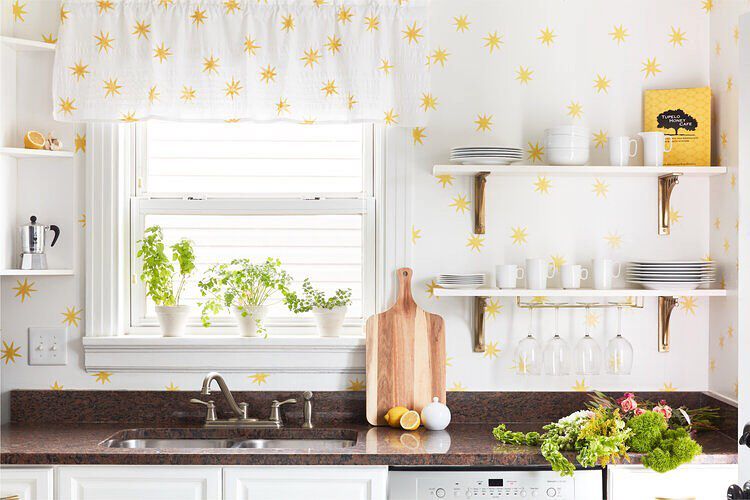
Window valances are having a quiet little comeback, and frankly, they deserve it. For years, people treated them like the decorative cousin who still wears shoulder pads to brunch. But modern valances are not the heavy, dusty, overly dramatic toppers many homeowners remember from the 1990s. Today, they can be crisp, playful, tailored, rustic, romantic, minimalist, or bold enough to make a plain window look like it finally found its personality.
A window valance is a decorative treatment placed across the top of a window. It can hide curtain rods, soften hard edges, add color, introduce pattern, or give a room a finished, designer-level look without covering the entire glass. That means you can enjoy natural light while still giving your windows a polished frame. Whether you are decorating a kitchen, bathroom, bedroom, nursery, dining room, or living room, the right valance can make your window look intentional instead of “I hung blinds in 2014 and never looked back.”
Below are 30 window valance ideas you may not have thought to try, from modern fabric toppers to DIY-friendly cornices and charming layered looks.
Modern Window Valance Ideas for a Fresh Look
1. Try a Crisp Box-Pleated Valance
A box-pleated valance is structured, neat, and quietly elegant. The pleats create vertical lines that make the window feel taller, while the flat front keeps the look clean. This style works especially well in dining rooms, home offices, and formal living rooms where you want polish without fuss.
2. Use a Linen Valance for Casual Softness
Linen is the fabric equivalent of a deep breath. A simple linen valance adds texture without overwhelming the window. Choose oatmeal, ivory, soft gray, or warm beige for a relaxed look that pairs beautifully with wood furniture, woven shades, and neutral walls.
3. Add a Tailored Valance Over Woven Shades
Layering a fabric valance over bamboo, rattan, or matchstick shades brings instant depth. The shade adds earthy texture, while the valance softens the top edge. This is a smart idea for rooms that need privacy and style, such as bedrooms, breakfast nooks, or street-facing living rooms.
4. Go Minimal With a Flat Fabric Valance
If ruffles make you nervous, a flat valance is your friend. It is essentially a clean fabric panel mounted across the window top. Use a solid fabric for a modern look or a subtle stripe for quiet movement. It works in small rooms because it adds style without visual clutter.
5. Choose a Valance in the Same Color as the Wall
For a designer trick that feels calm and sophisticated, match your valance color to your wall paint. This creates a seamless built-in effect and helps the window blend into the architecture. It is especially useful in small spaces where contrast can feel busy.
Bold Valance Ideas That Add Personality
6. Use a Large-Scale Floral Print
A floral valance does not have to look like grandma’s spare bedroom, unless that spare bedroom was fabulous. Choose oversized blooms in fresh colors for a cheerful, updated effect. Large floral patterns are beautiful in bedrooms, powder rooms, and cottage-inspired kitchens.
7. Try a Striped Valance for Instant Energy
Stripes are a simple way to make a window feel taller, wider, or more graphic. Vertical stripes can stretch the look of the window upward, while horizontal stripes add a crisp, preppy feel. Navy and white stripes are timeless, but olive, terracotta, or mustard stripes can feel more unexpected.
8. Match the Valance to Wallpaper
For a high-impact room, use the same pattern on the wallpaper and valance. This creates a cocoon-like, custom look that feels intentional rather than chaotic. It works best in powder rooms, bedrooms, and jewel-box dining spaces where a little drama is welcome.
9. Add a Contrasting Border
A plain valance becomes much more interesting with a contrasting trim. Add a band of navy to white linen, black to tan cotton, or green to a floral fabric. A border gives the valance a finished edge and helps connect it to other accents in the room.
10. Use Plaid for Cozy Charm
Plaid valances bring warmth and character, especially in farmhouse, cabin, traditional, or cottage-style homes. Try muted buffalo check in a kitchen, soft tartan in a bedroom, or a small-scale plaid in a laundry room. It adds pattern without demanding a full curtain commitment.
Kitchen Window Valance Ideas
11. Hang a Café-Style Valance Above the Sink
The window above the kitchen sink is a perfect place for a valance. It adds softness where upper cabinets and tile can feel hard. Choose washable fabric, keep the design simple, and avoid anything too long near splashes. Your dishes may still not wash themselves, but at least the window will look charming.
12. Pair a Valance With Café Curtains
A valance at the top and café curtains across the lower half of the window create privacy while allowing daylight to pour in. This combination is ideal for kitchens, bathrooms, and breakfast areas. It has a cozy bistro feeling without requiring you to learn French.
13. Try Gingham for a Cheerful Breakfast Nook
Gingham is friendly, familiar, and surprisingly versatile. A small-scale gingham valance in blue, green, red, or yellow can brighten a kitchen without feeling too sweet. Pair it with white walls, simple hardware, and natural wood for a fresh country look.
14. Use a Faux Roman Shade Valance
A faux Roman valance looks like a Roman shade folded neatly at the top, but it does not move. That makes it a budget-friendly way to get the layered, tailored look of a shade without the mechanics. It is especially smart for windows where you do not need full coverage.
15. Choose a Washable Cotton Valance
Kitchens are hardworking spaces, so fabric matters. Cotton valances are practical because they are lighter, easier to clean, and available in countless colors and patterns. Choose washable or easy-care fabric if your window is near cooking zones, steam, or enthusiastic spaghetti sauce.
Bedroom and Living Room Valance Ideas
16. Frame the Bed With Matching Valances
If your bed sits between two windows, matching valances can create symmetry and make the wall feel balanced. Use the same fabric for throw pillows or a bed skirt to tie the look together. This is a classic decorator move that makes the room feel planned, not pieced together during a late-night online shopping spiral.
17. Layer a Valance Over Full-Length Drapes
For a more luxurious look, combine a valance with floor-length curtain panels. The valance hides hardware and creates a finished top line, while the drapes add softness and privacy. Keep the fabric coordinated so the result feels elegant rather than overdecorated.
18. Try a Soft Scalloped Edge
A scalloped valance adds gentle curves to a room filled with straight lines. It works beautifully in bedrooms, nurseries, and traditional spaces. To keep it fresh, choose a simple fabric and avoid heavy fringe unless you are deliberately going for theatrical flair.
19. Use Velvet for a Moody Bedroom
A velvet valance can feel dramatic and cozy when used carefully. Deep green, navy, burgundy, or charcoal velvet adds richness to a bedroom or library. Keep the silhouette simple so the fabric remains the star and the room does not start auditioning for a period drama.
20. Go Sheer for Lightness
A sheer valance is ideal when you want softness without blocking sunlight. Use it in bedrooms, sunrooms, or living areas that need a delicate finish. White, ivory, or pale blush sheer fabric can soften window lines and make a room feel airy.
Creative and Unexpected Valance Ideas
21. Install a Wooden Cornice Box
A cornice box is a structured top treatment made from wood or a similar material. It can be painted, stained, wallpapered, or upholstered. A wooden cornice adds architectural character and works well in modern, transitional, and farmhouse interiors.
22. Cover a Cornice With Wallpaper
Wallpapering a cornice is a clever way to repeat a pattern without covering an entire wall. Use grasscloth for texture, a geometric print for energy, or a botanical pattern for softness. This is a great solution for renters who want drama without wallpapering the whole room.
23. Add Nailhead Trim
For a tailored, slightly edgy look, add nailhead trim to an upholstered valance or cornice. Brass nailheads feel warm and traditional, while black or nickel finishes look more modern. This small detail can make an inexpensive window treatment look custom.
24. Try a Rattan or Wicker Valance
A woven valance brings coastal, bohemian, or casual texture to a room. It can be used alone or layered with simple curtains. This idea works especially well in sunrooms, beach houses, breakfast nooks, and relaxed family spaces.
25. Use a Reclaimed Wood Valance
If you love rustic style, a reclaimed wood valance can hide hardware while adding warmth. It pairs beautifully with white curtains, linen panels, or woven shades. Just make sure the wood is clean, sealed, and securely mounted.
26. Create a No-Sew Valance From Fabric
A no-sew valance is perfect for DIY decorators. Use iron-on hem tape, clip rings, or a tension rod to create a simple topper from fabric remnants, table runners, or even vintage tea towels. It is affordable, creative, and forgiving enough for people whose sewing machine lives in a closet and judges them silently.
27. Use a Valance to Hide Roller Shade Hardware
Roller shades are practical, but the hardware can look unfinished. A slim valance hides the mechanism and makes the window look more polished. This is especially helpful in modern homes where clean lines matter.
28. Add Pom-Pom or Tassel Trim
Trim can completely change the mood of a valance. Pom-poms feel playful in kids’ rooms, laundry rooms, and craft spaces. Tassels add a global or bohemian touch. Keep the base fabric simple so the trim looks intentional, not like it escaped from a craft bin.
29. Choose an Arched Valance
An arched valance creates a graceful shape that draws the eye upward. It is useful for softening rectangular windows and adding movement to plain rooms. Use it over a single window, a pair of windows, or a small bathroom window that needs charm.
30. Paint the Valance for a Color-Block Effect
If you have a wooden or MDF cornice, paint it in a bold color for a color-blocked accent. Try deep blue in a white kitchen, terracotta in a neutral bedroom, or forest green in a reading nook. This idea is simple, affordable, and easy to repaint when your color crush changes.
How to Choose the Right Window Valance
Consider the Room’s Function
Before choosing a valance, think about what the room needs. A kitchen may need washable fabric. A bedroom may need a layered treatment with blackout curtains. A bathroom may need moisture-friendly materials and privacy. A living room may simply need softness and style.
Pay Attention to Scale
A valance that is too short can look skimpy, while one that is too deep can make the window feel heavy. As a general design principle, the valance should complement the window rather than dominate it. Tall ceilings can handle deeper valances, while small rooms usually benefit from cleaner, slimmer styles.
Use Fabric to Connect the Room
A valance is a great place to repeat a color from the rug, pillows, artwork, or upholstery. This creates flow and makes the room feel cohesive. If the room already has bold patterns, choose a solid valance. If the room is mostly neutral, let the valance bring in pattern or texture.
Mount Higher for a Taller Look
Mounting a valance slightly above the window frame can make the window appear taller. This is especially helpful in rooms with low ceilings. Just avoid placing it so high that it looks disconnected from the window. The goal is architectural magic, not optical confusion.
Common Window Valance Mistakes to Avoid
The biggest mistake is choosing a valance that is too heavy for the room. Thick swags, oversized ruffles, and dark bulky fabrics can block light and make a room feel smaller. If your space is already compact, stick with light fabric, simple lines, or a slim cornice.
Another mistake is ignoring the rest of the window treatment. A valance should work with shades, blinds, curtains, or shutters, not fight them for attention. If the lower treatment is patterned, use a solid valance. If the lower treatment is plain, a patterned valance can add interest.
Finally, do not forget hardware. A beautiful valance mounted poorly will still look unfinished. Measure carefully, use proper brackets, and make sure the valance sits level. Nothing ruins a custom look faster than a crooked topper, except maybe a cat deciding the curtain rod is a jungle gym.
Real-Life Experience: What Window Valances Teach You After Living With Them
One thing you learn quickly about window valances is that they are small details with big opinions. At first, they seem like simple decorative toppers. Then you hang one in a kitchen and suddenly the room feels warmer, softer, and more finished. It is the same window, the same sunlight, the same sink full of mugs, but the space feels more intentional.
In real homes, valances are especially useful when full curtains are not practical. Above a kitchen sink, long panels can get in the way. In a bathroom, heavy drapes may collect moisture. In a laundry room, blinds alone can feel too plain. A valance solves these problems by adding style to the top of the window while leaving the lower part open, functional, and easy to clean.
Another lesson is that fabric choice matters more than people expect. A stiff, shiny fabric can make a casual kitchen look oddly formal, while a soft cotton or linen blend feels relaxed and approachable. In bedrooms, heavier fabric can add coziness, but too much of it may make the window feel weighed down. The best results usually come from matching the fabric to the mood of the room, not just choosing the prettiest pattern on the shelf.
Valances also teach the value of restraint. It is tempting to add trim, tassels, pleats, contrast bands, and a pattern that can be seen from space. Sometimes that works, especially in playful spaces. But most rooms benefit from one strong idea. A striped valance with simple edges. A floral valance with plain walls. A wood cornice with clean white curtains. When everything shouts, the window stops looking stylish and starts looking like it is hosting a tiny parade.
Installation is another practical experience worth mentioning. Measuring twice is not just advice from people who own too many tools. It is survival. A valance that is slightly too narrow looks awkward, while one mounted too low can block natural light. Hanging the valance a little higher and extending it slightly beyond the window frame often makes the window look larger and more polished.
The best part of trying valances is how flexible they are. You can use them to test a bold pattern without committing to full drapery. You can swap them seasonally if you enjoy changing decor. You can even make a simple no-sew version from leftover fabric and upgrade a room in an afternoon. Unlike painting a wall or replacing furniture, a valance is a manageable design move with a surprisingly satisfying payoff.
After living with different valance styles, the biggest takeaway is this: a good valance should not look like an afterthought. It should feel connected to the room’s color, texture, and purpose. When it does, it quietly finishes the space. It frames the light, hides the hardware, softens the architecture, and gives the window a little confidence. And honestly, some windows need that.
Conclusion
Window valances are far more versatile than many homeowners realize. They can be tailored or relaxed, modern or traditional, bold or barely there. They can hide hardware, add softness, introduce pattern, frame a beautiful view, or make a plain window feel custom. The secret is choosing a style that fits the room instead of forcing the room to fit the valance.
From linen toppers and faux Roman valances to wooden cornices, wallpaper-covered boxes, scalloped edges, rattan textures, and playful trims, there are countless ways to make this classic window treatment feel fresh. Start with the function of the room, choose the right scale, and use fabric or material that supports your overall design. Done well, a valance is not old-fashioned. It is the finishing touch your window has been waiting for.











