
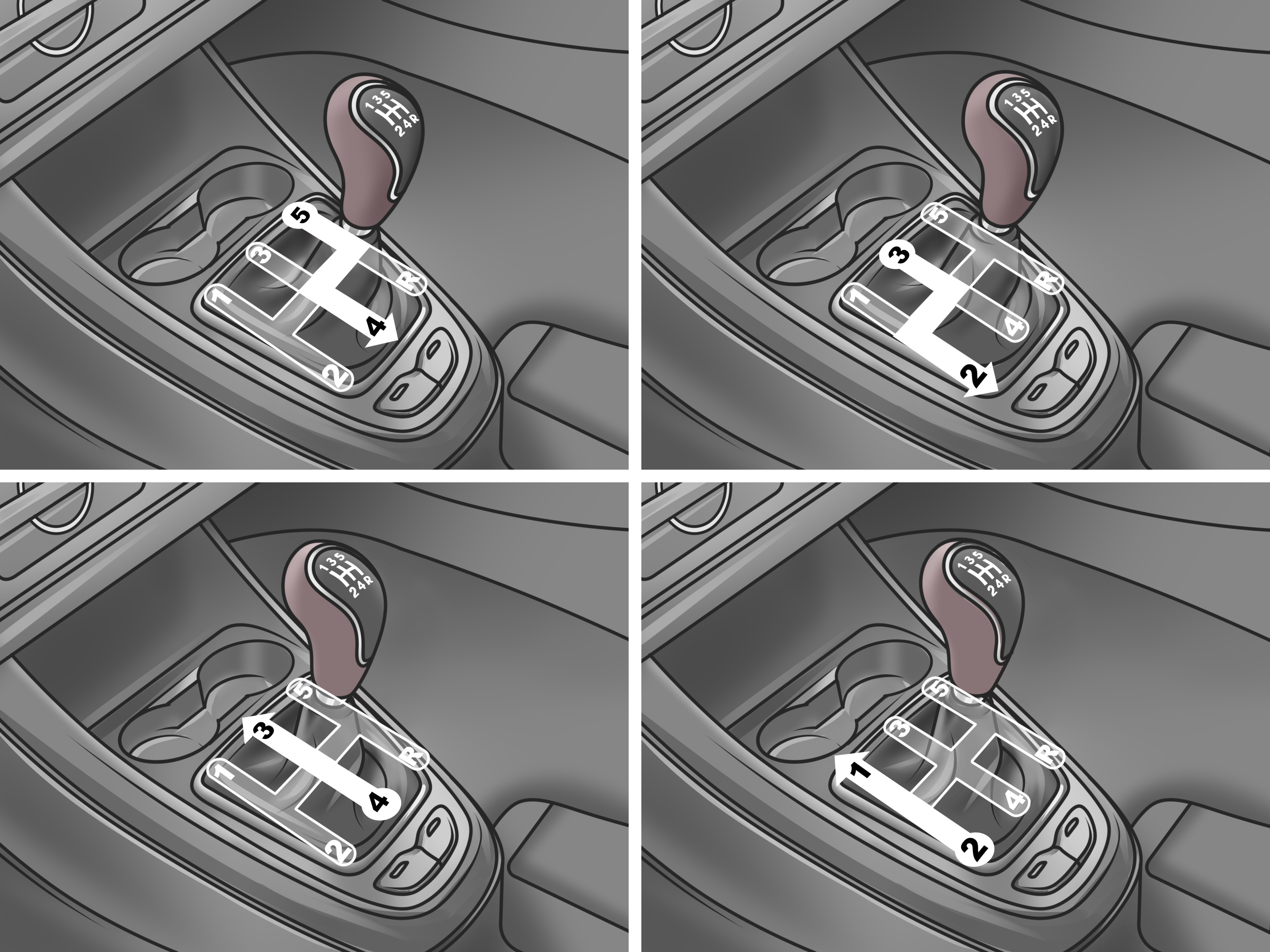
Driving a manual transmission well is a little like making pancakes on the first try: it looks easy when somebody else does it, and then suddenly you are juggling timing, pressure, sound, rhythm, and one suspiciously dramatic left foot. But once you understand the basics, driving a stick shift stops feeling like a wrestling match and starts feeling wonderfully natural. A smooth manual driver is not the one who shifts the fastest or launches like they are escaping a movie explosion. It is the one who can move through traffic, hills, corners, and stoplights without lurching the car, roasting the clutch, or turning every passenger into a dashboard bobblehead.
The good news is that smooth manual driving is not magic. It comes from a few repeatable habits: learning the clutch’s engagement point, matching your hands and feet instead of rushing them, choosing the right gear for the moment, and dropping the bad habits that create jerky takeoffs and clunky shifts. Once those habits click, a manual transmission becomes less intimidating and much more satisfying. Here are four practical ways to drive smoothly with a manual transmission, plus real-world experience at the end for anyone who has ever stalled at a green light and immediately reconsidered all of their life choices.
1. Master the Clutch Bite Point Before You Worry About Speed
If smooth driving has a headquarters, it is the clutch bite point. That is the exact moment when the clutch begins to engage and the car starts to move. Miss it, and the car lurches, bucks, or stalls. Find it consistently, and suddenly every start feels calmer and more controlled.
Many new manual drivers make the same mistake: they treat the clutch pedal like an on-off switch. It is not a light switch. It is more like a dimmer. The clutch can come down quickly, but the release needs to be deliberate, especially in first gear and at low speed. The roughest moments in manual driving almost always happen when the driver releases the clutch too fast, adds too much throttle too early, or panics and does both at once. That is how you get the classic kangaroo-hop launch that announces to the whole intersection that today is a learning day.
How to practice the bite point
Start on flat ground in an empty parking lot. With the car in first gear, release the clutch slowly until you feel the front of the car gently lift and the vehicle begin to creep. Do this a few times with very light throttle or even no throttle if your car allows it. The goal is not to go fast. The goal is to feel where the car starts to take the load. Once your left foot learns that position, your launches get dramatically smoother.
A helpful rule is this: move quickly to the bite point, then slow down. That rhythm makes starts smoother because you are not spending forever slipping the clutch from the floor, but you also are not popping it loose the second the car begins to move. As the car rolls forward, feed in a little throttle and continue releasing the clutch in one fluid motion. Smooth manual driving is built on this one move.
What smooth takeoffs look like
A smooth launch feels boring in the best possible way. The car begins moving without drama. The engine note rises naturally. Nobody’s coffee jumps out of the cupholder. On flat roads, that may mean only a light touch of gas. On hills, it may require a bit more throttle and a steadier clutch release. Either way, smoothness beats speed every time.
And yes, hills deserve special respect. If you are stopped on an incline, use the brake or parking brake to hold the car in place rather than balancing the car on the clutch. Holding a manual car on a hill with clutch slip may feel clever for a second, but it is hard on the clutch and usually makes the launch jerky. The cleaner method is simple: set the parking brake, find the bite point, add light throttle, and release the brake as the car starts pulling forward. It feels civilized, controlled, and much less sweaty.
2. Shift by Feel and Rhythm, Not Panic
Once the car is moving, smooth manual driving becomes a game of timing. Every upshift should feel like one continuous sentence, not three separate arguments between your left foot, right foot, and shift hand. The sequence is straightforward: lift off the gas, press the clutch, move the shifter, release the clutch smoothly, and get back on the throttle. The trick is doing it without rushing or hesitating.
A lot of rough shifting comes from panic. Drivers either rush the lever through the gate and dump the clutch, or they wait too long between steps and upset the car’s balance. Smooth shifting lives in the middle. You want crisp movements, but not aggressive ones. Think coordinated, not frantic.
Listen to the engine
You do not need to stare at the tachometer every second like it personally offended you. In most daily-driving situations, the engine sound and the feel of acceleration tell you when it is time to shift. If the engine sounds strained and busy, it is probably time to move up. If the car feels flat, bogged down, or reluctant when you accelerate, you may have shifted too early or chosen too high a gear.
Different cars have different personalities. A small naturally aspirated engine may like more revs before an upshift. A torquey turbo engine may feel happy sooner. That is why smooth manual drivers do not memorize one magic RPM number for every car. They learn the car’s rhythm. The transmission, clutch, throttle response, and engine all talk to you. Your job is to stop interrupting and listen.
Use clean hand and foot motions
Do not squeeze the shifter like you are trying to win a grip-strength contest. Guide it. Let the lever move through the gate cleanly. And while you are at it, take your hand off the shifter once the gear is selected. Resting your hand on the lever adds unnecessary wear over time and encourages sloppy habits. The same goes for resting your foot on the clutch pedal between shifts. That tiny pressure can keep the clutch partially engaged and shorten its life.
Another overlooked trick: keep your shoes consistent while learning. Bulky boots, slick soles, or floppy sandals can make pedal work feel unpredictable. A stable shoe gives you better feel, which means finer clutch control and smoother throttle inputs.
Do not chase “fast” shifts in normal driving
Unless you are on a racetrack, smooth beats quick. A fast but sloppy shift makes passengers rock back and forth and can unsettle the car. A slightly slower but balanced shift keeps the car composed. Daily driving is not a drag strip. Nobody is handing out trophies at the grocery store parking lot.
3. Choose the Right Gear for the Situation
Smooth driving is not only about how you shift. It is also about when you shift and what gear you choose. The right gear makes the car feel settled, responsive, and easy to control. The wrong gear makes it feel luggy, jerky, noisy, or strangely annoyed with you.
One of the most common mistakes in a manual is staying in too high a gear because the driver does not want to shift again. That usually leads to choppy acceleration and a bogged-down engine. The opposite mistake is hanging onto a low gear too long and making the engine work harder than necessary. Smooth drivers are not lazy with gear selection. They are proactive.
Use lower gears for hills, corners, and descents
On steep climbs, a lower gear helps the engine stay in a useful power range so the car pulls steadily instead of struggling. On long descents, a lower gear provides engine braking and reduces the need to ride the brakes. That matters for both control and comfort. Instead of constantly pressing and releasing the brake pedal, the car stays composed and slows more naturally.
The same idea applies before a corner or a turn. Slow the car first, then select the appropriate gear before you enter the turn whenever possible. Entering a bend in the wrong gear and trying to sort it out halfway through can make the car feel unsettled. Getting into the proper gear ahead of time gives you smoother balance and better control as you come out of the turn.
Learn the basics of rev-matched downshifts
Downshifting is where smooth drivers separate themselves from the folks who accidentally invent head-nodding exercises for their passengers. When you downshift, the engine speed needs to rise to match the lower gear. If you simply dump the clutch after shifting down, the car can jerk because the drivetrain is trying to catch up all at once.
The fix is rev matching. In plain English, that means giving the engine a small throttle blip as you release the clutch into the lower gear. Done correctly, the transition feels much smoother because the engine speed and road speed are closer together. You do not need race-driver theatrics. You just need a small, well-timed input.
Start simple. Practice downshifting from third to second at moderate speed in a quiet area. Brake smoothly, press the clutch, shift down, give the throttle a light blip, and release the clutch evenly. When you get it right, the car feels composed instead of jerky. When you get it wrong, the car tells you immediately. A little practice goes a long way.
Use higher feasible gears on steady roads
On open roads and at stable cruising speeds, shift into the highest feasible gear that keeps the engine comfortable and responsive. That usually helps fuel economy and makes the car feel less busy. But “highest feasible” does not mean “always the highest gear possible.” If the car shudders, drones, or struggles when you ask for more speed, drop a gear and let the engine breathe.
4. Get Rid of the Habits That Make a Manual Feel Rough
Sometimes the difference between a jerky manual driver and a smooth one is not talent. It is housekeeping. Tiny habits add up, and they can quietly ruin an otherwise decent shift.
Bad habit #1: Riding the clutch
Leaving your foot lightly on the clutch pedal between shifts is one of the quickest ways to wear the clutch and make the car feel less settled. Your left foot should either be fully using the clutch or fully off it. Give it a proper home on the dead pedal when you are not shifting.
Bad habit #2: Resting your hand on the shifter
It looks relaxed, but it is not doing the transmission any favors. Keep both hands where they belong and only touch the shifter when it is time to shift. Smooth drivers make deliberate inputs, then return to steady steering.
Bad habit #3: Abrupt throttle changes
Even with perfect clutch work, a sudden jab of gas can upset the car. Manual transmissions reward progressive throttle. Feed power in rather than stabbing at it. Think of the throttle as volume control, not a doorbell.
Bad habit #4: Learning in chaos
If you are still building confidence, do not make your first serious practice session a rush-hour hill downtown with a bus behind you and your dignity in the passenger seat. Learn on quiet roads and empty lots. Smoothness comes faster when you remove pressure and let muscle memory develop naturally.
Bad habit #5: Looking down too much
New manual drivers often glance at the shifter, pedals, or tachometer too often. That steals attention from the road. Practice the shift pattern while parked so your hand knows where first, second, third, and reverse live. Your eyes belong mostly outside the car.
Also remember that some newer manual cars help you out. Features like hill-hold assist and automatic rev-matching can reduce awkwardness and make daily driving easier. Use them if your car has them. Technology is not cheating. It is just your drivetrain being polite.
Real-World Experience: What Smooth Manual Driving Actually Feels Like
The first week learning a manual transmission usually feels less like driving and more like negotiating with machinery. You know what you want the car to do, but the car has opinions. The light turns green, you ease off the clutch, and either nothing happens or everything happens at once. At first, every launch feels like a small public performance. You become deeply aware of the person behind you, the slope of the road, the sound of the engine, and the fact that your left foot has apparently never held a job before.
Then something changes. Usually it happens quietly. One day you pull away from a stop sign and realize the car moved off cleanly without a shudder. A few blocks later you shift from first to second and nobody’s head moves. The car just glides forward. That is the moment manual driving starts being fun. Not because you suddenly become a hero, but because the process starts to feel connected rather than chaotic.
A lot of experienced drivers will tell you that smooth manual driving is about confidence, and they are right, but only partly. It is really about calm repetition. The drivers who look effortless are usually not doing anything dramatic. They are simply making the same small motions, in the same order, with the same patience. They know when the clutch bites. They know how much throttle the car likes on a hill. They know when the engine is asking for the next gear. They do not fight the car. They work with it.
One of the best real-world lessons comes in traffic. In a manual, traffic teaches restraint. You learn to leave a little more space so you are not constantly braking and clutching. You learn that crawling in first gear at idle can be smoother than charging forward and stopping again three seconds later. You also learn that pride is expensive. Forcing a bad shift because you think you should “already know this” usually ends with a jerk, a grind, or a stall. Taking a breath and doing the basics properly always works better.
Hills are another unforgettable teacher. The first uphill stop can feel like an exam you forgot to study for. But after enough practice with the parking brake and bite point, hills become just another routine. The same goes for downshifts before corners, creeping into parking spaces, or backing up slowly in reverse. What once felt like too many moving parts starts to feel precise. That precision is the charm of driving a stick shift. You are more involved, yes, but you are also more aware.
And maybe that is the biggest experience-based truth of all: smooth manual driving is not about looking cool. It is about making the car feel calm, predictable, and easy for everyone inside it. When you get there, the ride is quieter, the clutch smells less tragic, and even simple errands feel a little more satisfying. The transmission stops being something you manage and starts being something you understand. That is when driving a manual becomes less of a skill test and more of a conversation. A slightly noisy, occasionally humbling conversation, sure, but a very satisfying one.
Conclusion
If you want to drive smoothly with a manual transmission, start with the fundamentals and stay there. Learn the clutch bite point until it feels natural. Shift with rhythm instead of panic. Pick the right gear before the car complains. And drop the small habits that make a smooth car feel clumsy. The payoff is huge: cleaner launches, better control on hills and corners, less wear on the clutch, and a far more relaxed driving experience overall.
A manual transmission rewards patience. The smoother you are, the more the car settles down, and the more confident you become. Practice on flat ground, build your muscle memory, and do not confuse drama with skill. In a stick shift, the best driving often feels almost invisible. That is the goal. No bucking, no bobbleheads, no panic. Just smooth, steady motion and the quiet satisfaction of getting it right.











