
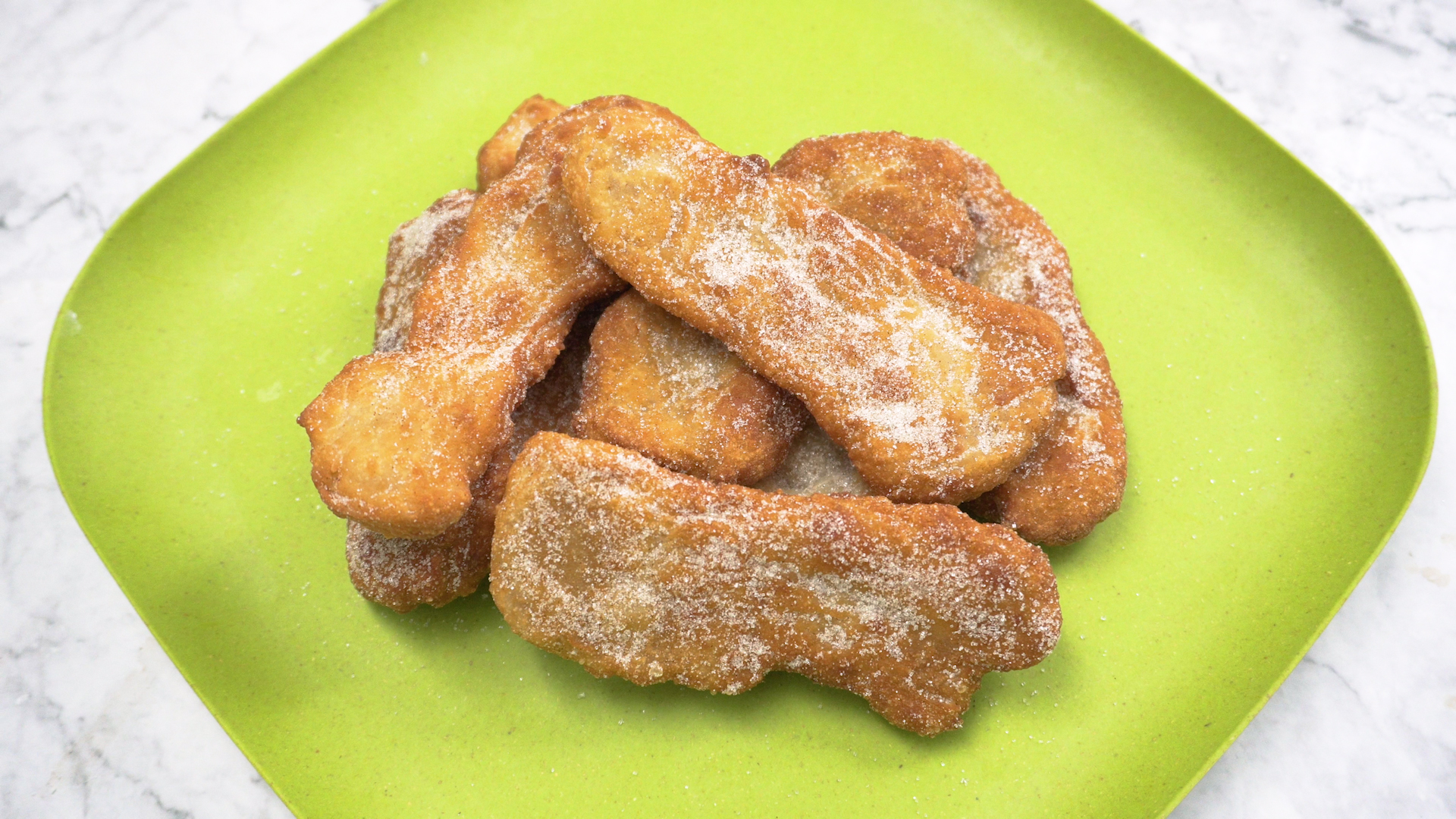
There are two kinds of people in this world: people who love doughnuts, and people who are currently pretending they do not love doughnuts because they are trying to “be good.” I respect the effort, but let us be honestfew homemade treats can compete with a warm doughnut that is fresh from the fryer, oven, or air fryer and shamelessly dressed in glaze.
If you have ever wondered how to make doughnuts at home without turning your kitchen into a flour storm and your confidence into powdered sugar dust, the good news is that you have options. In fact, you have four excellent ones. Some methods are classic and bakery-style, some are quicker and easier, and one is perfect for the days when you want doughnuts but do not want to babysit a pot of hot oil like it is a dramatic reality show contestant.
In this guide, we will cover four ways to make doughnuts: yeast-raised fried doughnuts, cake doughnuts, baked doughnuts, and air-fryer or shortcut doughnuts. Along the way, you will learn what makes each style different, when to use each method, and how to avoid the common mistakes that lead to sad, greasy, oddly chewy rings of regret.
Why Homemade Doughnuts Are Worth Making
Homemade doughnuts are not just about saving a trip to the bakery. They are about control. You get to decide whether your doughnut is thick and fluffy, crisp and cakey, baked and cozy, or glazed to the point of being gloriously ridiculous. You can make classic vanilla glaze, cinnamon sugar, chocolate icing, maple topping, fruit-filled centers, or a simple dusting of powdered sugar if you are feeling minimal but still fabulous.
They are also a fun kitchen project. Yes, there is a little technique involved, but nothing here is out of reach for a home baker. Once you understand the difference between a yeast doughnut and a cake doughnut, and once you stop overworking the dough like it owes you money, the whole process becomes a lot more enjoyable.
Way 1: Make Classic Yeast-Raised Fried Doughnuts
What they are
Yeast-raised doughnuts are the soft, airy, bakery-style doughnuts many people picture first. These are the fluffy rings that practically float off the plate, especially when coated in a thin vanilla glaze that cracks ever so slightly when you take a bite.
Why choose this method
If you want that iconic doughnut-shop texture, this is the method to use. Yeast doughnuts have a light interior, a delicate chew, and a slightly crisp exterior when fried properly. They feel celebratory, even if you are making them on a random Tuesday because adulthood is weird and you deserve nice things.
How to make them
You start by activating the yeast in warm liquid, then mixing it with flour, sugar, eggs, butter, and a little salt. After kneading, the dough needs time to rise until puffy. Then you roll it out, cut the doughnut shapes, and let the cut doughnuts proof again before frying.
The double rise is what gives yeast doughnuts their signature lift. Skip it, and your doughnuts may end up dense enough to qualify as paperweights. Respect the yeast. The yeast has feelings.
Best tips for yeast doughnuts
- Use warm, not hot, liquid. Too hot can kill the yeast.
- Let the dough rise in a draft-free spot until doubled.
- Roll evenly so the doughnuts fry at the same pace.
- Do not overcrowd the pot, or the oil temperature will drop.
- Glaze while still slightly warm for the best finish.
Classic glazed yeast doughnuts are wonderful on their own, but this dough also works well for filled doughnuts, chocolate frosted doughnuts, and doughnut holes. If you want variety from one batch, yeast dough gives you range.
Way 2: Make Old-Fashioned Cake Doughnuts
What they are
Cake doughnuts are denser, more tender, and a little more structured than yeast doughnuts. They often rely on baking powder or baking soda instead of yeast, which means they come together faster and do not need long proofing times. Think of them as the delicious overachiever who shows up early and still looks amazing.
Why choose this method
If you want homemade doughnuts without waiting around for dough to rise, cake doughnuts are your best friend. They are especially good for old-fashioned doughnuts, cider doughnuts, sour cream doughnuts, and anything with cinnamon sugar involved. Their crumb is sturdy enough to hold glaze well and soft enough to stay satisfying.
How to make them
A typical cake doughnut batter or dough includes flour, sugar, eggs, milk or buttermilk, butter, and chemical leaveners. Some versions include sour cream or buttermilk for tang and tenderness. After mixing, the dough is chilled if needed, rolled out, cut, and fried. Because the dough is softer than yeast dough, chilling often makes it much easier to handle.
Best tips for cake doughnuts
- Do not overmix, or the texture can become tough.
- Chill sticky dough before rolling and cutting.
- Use a floured cutter and avoid twisting it into the dough.
- Coat in cinnamon sugar while still warm so it sticks better.
- Try buttermilk or sour cream for extra flavor and a classic old-fashioned vibe.
One of the biggest advantages of cake doughnuts is flexibility. Want to add nutmeg, cinnamon, lemon zest, cocoa powder, or apple cider reduction? Cake doughnuts are usually more forgiving than yeast doughnuts, which can get moody when the formula changes too much.
Way 3: Bake Cake-Style Doughnuts in the Oven
What they are
Baked doughnuts are usually cake-style doughnuts made in a doughnut pan. They are not exact copies of fried doughnuts, and that is perfectly fine. They are their own delicious thing: soft, tender, lightly sweet, and ideal for quick glazing or coating in cinnamon sugar.
Why choose this method
This is the easiest and least messy way to make doughnuts at home. No hot oil. No frying thermometer. No standing at the stove with tongs and a mildly nervous expression. If you want a homemade doughnut that feels fun and approachable, baking is the move.
How to make them
You mix a batter that is thicker than cake batter but looser than roll-out dough, then pipe or spoon it into a greased doughnut pan. Bake until the tops spring back lightly, then cool just enough to handle before dipping in glaze or brushing with butter and tossing in cinnamon sugar.
No doughnut pan? A muffin pan can work in a pinch. The shape will be different, but the flavor will still be excellent, and nobody at breakfast is going to file a formal complaint.
Best tips for baked doughnuts
- Fill the pan only about two-thirds to three-quarters full.
- Pipe the batter for cleaner, more even shapes.
- Do not overbake, or they can dry out quickly.
- Use bold flavors like cinnamon, maple, pumpkin, vanilla, or chocolate.
- Serve the same day for the best texture.
Baked doughnuts are especially good for beginners, busy mornings, and family baking projects. They also make it easier to experiment with toppings since the base comes together so quickly.
Way 4: Make Air-Fryer or Shortcut Doughnuts
What they are
This category includes two smart, speedy methods: air-fryer doughnuts made with yeast or biscuit-style dough, and shortcut doughnuts made from canned biscuit dough or other simple dough bases. Purists may clutch their pearls, but hungry people tend to just reach for a second doughnut.
Why choose this method
Because sometimes you want doughnuts fast. Not “wait for proofing, chill dough, fry in batches, and glaze like an artisan” fast. Actual fast. Air-fryer doughnuts offer a lighter approach with less oil, while shortcut doughnuts are great for casual weekend treats, brunch boards, or kid-friendly kitchen fun.
How to make them
For air-fryer doughnuts, cut and proof the dough if needed, lightly grease the basket, and cook until puffed and golden. Then dip in glaze, brush with butter, or roll in sugar. For biscuit-style shortcut doughnuts, cut holes into the centers of refrigerated biscuit rounds, fry or air-fry until golden, and coat while warm.
Best tips for air-fryer and shortcut doughnuts
- Do not crowd the air fryer basket.
- Grease lightly to prevent sticking.
- Brush with melted butter before coating in cinnamon sugar.
- Use glaze for a more classic doughnut-shop finish.
- Treat shortcut doughnuts as a fun variation, not a bakery clone.
This method is ideal when convenience matters most. The result is not always identical to a classic fried doughnut, but it can still be fluffy, golden, and wildly snackable. That is more than enough to count as a win.
How to Choose the Best Doughnut Method
Still deciding which style of doughnut to make? Here is the easy breakdown:
- Choose yeast-raised fried doughnuts if you want classic bakery texture and do not mind extra time.
- Choose cake doughnuts if you want something quicker, richer, and a little sturdier.
- Choose baked doughnuts if you want the easiest homemade doughnut option with less mess.
- Choose air-fryer or shortcut doughnuts if speed and convenience matter more than tradition.
There is no wrong choice here. The best doughnut is the one that fits your mood, your schedule, and your willingness to wash extra bowls.
Best Doughnut Toppings and Flavor Ideas
Once you have your doughnuts, the fun part begins. Here are a few easy topping ideas that work beautifully:
- Classic vanilla glaze
- Maple glaze with a pinch of salt
- Chocolate icing
- Cinnamon sugar
- Powdered sugar
- Strawberry glaze
- Lemon glaze
- Crushed nuts, sprinkles, or toasted coconut
You can also fill doughnuts with jam, pastry cream, chocolate cream, or sweetened whipped filling. If you are going that route, a piping bag helps, but a sturdy zip-top bag with a snipped corner can also get the job done. It is not glamorous, but neither is licking glaze off your fingers over the sink, and yet here we are.
Common Doughnut Mistakes to Avoid
1. Overworking the dough
This is one of the fastest ways to end up with tough doughnuts. Mix until combined, knead only as much as needed, and reroll scraps gently.
2. Frying at the wrong temperature
If the oil is too cool, doughnuts absorb more oil and turn greasy. If it is too hot, the outside browns too fast while the inside stays undercooked. A thermometer is not optional here. It is your kitchen peace treaty.
3. Using too much flour when rolling
Extra flour can make the doughnuts dry and heavy. Use just enough to prevent sticking.
4. Overbaking baked doughnuts
Baked doughnuts can go from tender to disappointing in a hurry. Check them early and pull them once they are just done.
5. Waiting too long to glaze or sugar-coat
Warm doughnuts hold toppings better. Let them cool slightly, but not so long that the coating refuses to stick.
What to Serve with Homemade Doughnuts
Doughnuts pair beautifully with hot coffee, cold milk, chai, hot chocolate, or a brunch spread full of fruit, eggs, and savory dishes. If you are serving them to guests, offering two or three topping options is a simple way to make the table feel more special. A tray of plain doughnuts, cinnamon sugar doughnuts, and glazed doughnuts covers a lot of breakfast territory.
My Doughnut-Making Experiences and Lessons from the Kitchen
After making doughnuts in several different ways, I can confidently say this: every method teaches you something, and every batch has its own personality. Yeast doughnuts taught me patience. Cake doughnuts taught me restraint. Baked doughnuts taught me that “easy” does not have to mean boring. Shortcut doughnuts taught me that sometimes a fast win is still a win, especially when the coffee is ready and the family is already circling the kitchen like breakfast vultures.
The first time I made yeast-raised doughnuts, I treated the dough like bread and kept adding flour because it looked too soft. That was a mistake. The dough needed trust, not panic. Once I stopped trying to “fix” it into stiffness and let it rise properly, the finished doughnuts were lighter, puffier, and much closer to that classic doughnut-shop style I wanted. It was one of those baking moments where you realize technique matters more than bravado.
Cake doughnuts were a completely different experience. They came together faster, which felt satisfying, but they also demanded a gentler touch than I expected. Overmixing made the dough less tender, and rerolling scraps too aggressively made the later doughnuts slightly tougher. That was a good reminder that speed does not excuse rough handling. Cake doughnuts may be less dramatic than yeast doughnuts, but they still notice when you get bossy.
Baked doughnuts surprised me the most. I expected them to be the “healthy-ish compromise” that everyone politely eats while secretly wishing for fried doughnuts. Instead, when made with enough spice, vanilla, or glaze, they were genuinely delicious. They had a soft, cake-like texture that felt perfect for breakfast or an afternoon snack. They were especially good with cinnamon sugar, and I learned that brushing them with melted butter before coating makes a huge difference. Dry sugar on a dry doughnut is sad. Butter is the tiny miracle worker.
Then there were the shortcut and air-fryer versions. These were the most practical on busy days, and honestly, they were also the most fun in a low-pressure way. You can make them when you want the spirit of homemade doughnuts without turning the whole morning into a production. Are they identical to a handcrafted bakery doughnut? No. Are they warm, sweet, and likely to disappear within minutes? Absolutely.
My biggest lesson from all these doughnut adventures is that homemade doughnuts do not need to be perfect to be memorable. A slightly lopsided ring still tastes great. Extra glaze is never a crisis. One doughnut hole disappearing before the official “serving time” is simply quality control. The best batches are not always the prettiest onesthey are the ones eaten warm, shared quickly, and remembered later with suspicious enthusiasm.
If you are new to making doughnuts, start with the method that matches your energy. Want a weekend baking project? Go yeast. Want fast and cozy? Go cake. Want simple and low-mess? Bake them. Want doughnuts with minimal drama? Air fryer or shortcut all the way. The real success is not making bakery-perfect doughnuts on the first try. It is realizing that homemade doughnuts are absolutely doable, wildly rewarding, and dangerously good once you know your options.
Conclusion
When it comes to 4 ways to make doughnuts, there is no single best methodonly the best method for the moment. Yeast-raised fried doughnuts give you classic bakery flavor and texture. Cake doughnuts are faster and richer. Baked doughnuts are beginner-friendly and low-mess. Air-fryer and shortcut doughnuts are perfect when you want something warm and sweet without the full production.
So pick your path, heat the oil or preheat the oven, and prepare to impress yourself. Homemade doughnuts may look fancy, but they are really just a delicious combination of timing, temperature, and a willingness to glaze things enthusiastically. And honestly, that is a lifestyle.











