
Hollywood loves a heroic rewrite almost as much as it loves a slow-motion explosion. Sometimes, a last-minute change saves a movie from disaster. Other times, it walks into the editing room wearing sunglasses, flips the story table, and leaves everyone wondering why the ending suddenly feels like it was assembled during a fire drill.
The phrase movies ruined by last-minute changes sounds dramatic, but the pattern is very real. Test-screening panic, studio notes, reshoots, rushed edits, tone shifts, marketing pressure, and nervous executives can transform a sharp film into something softer, stranger, or simply less coherent. The movie may still make money. It may even become a classic. But somewhere inside it, you can feel the original idea tapping on the glass, asking to be let back in.
Below are five awesome movies that had brilliant ingredients: great directors, strong concepts, memorable actors, big themes, or beloved franchises. Then came the late-stage tinkering. Some changes were made after test audiences complained. Some were imposed by studios chasing a safer commercial tone. Some happened because production began before the screenplay had stopped mutating. In each case, the final film carried visible dents from decisions made too close to the finish line.
1. I Am Legend When the Smarter Ending Got Replaced
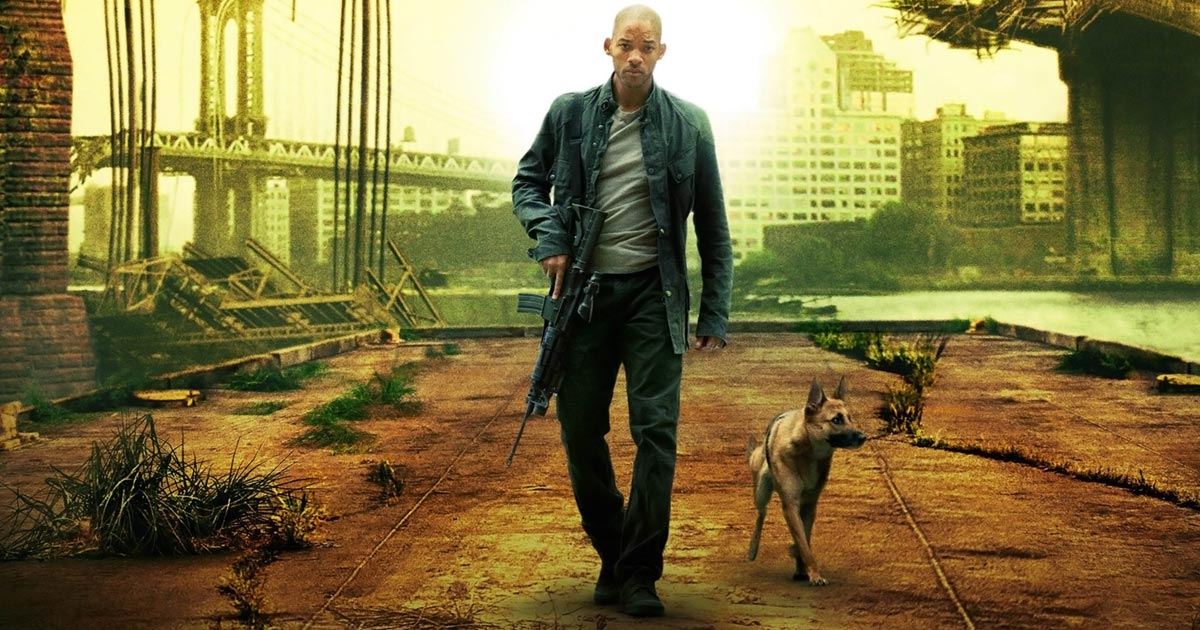
I Am Legend had nearly everything it needed to become a modern science-fiction horror classic: Will Smith alone in an emptied-out New York City, a haunting survival premise, a grieving hero, and a story adapted from Richard Matheson’s influential novel. For much of its runtime, the film works beautifully. It is quiet, lonely, tense, and strangely elegant. Then the theatrical ending arrives and turns a complicated idea into a more familiar act of heroism.
The last-minute change
The film originally had an alternate ending that leaned closer to the spirit of Matheson’s source material. In that version, Robert Neville realizes that the infected beings are not simply mindless monsters. They have social bonds, motives, and a point of view. The title suddenly gains tragic meaning: Neville is “legend” not because he is a shining savior, but because he has become a terrifying figure in another society’s story.
That is a bold idea. It asks the audience to reconsider the hero, the monster, and the entire moral structure of the movie. Unfortunately, test audiences reportedly rejected the ending, and the film was changed to a more conventional finale. The theatrical cut sacrifices Neville in a way that makes him easier to admire, but less interesting to think about.
Why it hurt the movie
The theatrical ending does not completely destroy I Am Legend, but it lowers its ceiling. Instead of leaving viewers with a chilling reversal, it closes with a cleaner emotional button. The problem is not that heroic endings are bad. The problem is that this story was built for ambiguity. Changing the ending changed the meaning of the title, the role of the infected, and Neville’s tragic arc.
The funny part, in a Hollywood-wearing-a-fake-mustache kind of way, is that later sequel discussions treated the alternate ending as the more useful foundation. That says a lot. When the “deleted” ending becomes the version future storytellers want to follow, the last-minute change starts looking less like a fix and more like a panic purchase.
2. Suicide Squad When a Movie Tried to Become Its Own Trailer
On paper, 2016’s Suicide Squad sounded like a blast: a team of villains forced into a dangerous mission, a grimy comic-book world, Margot Robbie’s breakout Harley Quinn, Will Smith as Deadshot, and a director known for gritty crime drama. The movie had attitude for days. It also had one of the most visibly chaotic edits in modern superhero history.
The last-minute change
After early marketing suggested a fun, pop-music-driven, neon-crazy tone, Warner Bros. reportedly became concerned that the actual film did not match the energy promised by the trailers. Instead of letting the movie be the darker, rougher version it had been designed to be, the studio pushed toward a lighter, faster, more joke-heavy cut.
The result felt less like a finished movie and more like three different versions of the same movie fighting over the steering wheel. Character introductions pile up like trading cards. Needle drops arrive with the subtlety of a marching band falling down an escalator. Emotional beats appear, vanish, and reappear wearing different hats.
Why it hurt the movie
The issue with Suicide Squad was not that it had humor. Villains can be funny. Criminal misfits can absolutely crack jokes while the world burns around them. The issue was tonal whiplash. The movie seemed pulled between grim antihero drama, edgy comic-book fantasy, music-video montage, and studio-approved quip machine.
Last-minute changes can be especially damaging when they target tone. Plot problems are visible, but tone problems are felt. Viewers may not know exactly what was cut or reshot, but they can sense when a movie keeps changing its personality mid-conversation. Suicide Squad had the bones of a mean, weird, stylish comic-book movie. The final version looked like someone painted those bones hot pink, added a laugh track, and hoped nobody would notice the missing connective tissue.
3. Justice League When Two Directors Became One Confused Movie
Justice League should have been DC’s grand superhero team-up: Batman, Wonder Woman, Aquaman, Cyborg, the Flash, and Superman sharing the screen in a blockbuster event. Instead, the 2017 theatrical release became a case study in what happens when a studio tries to reverse-engineer a new movie from the remains of another one.
The last-minute change
Zack Snyder completed the bulk of principal photography before stepping away during post-production because of a personal tragedy. Joss Whedon was brought in to write and direct additional material, and the film underwent significant reshoots and reshaping. Warner Bros. also wanted a shorter, lighter, more audience-friendly movie after criticism of earlier DC films for being too grim.
That combination produced a theatrical cut that often felt like a compromise with a cape. Snyder’s mythic, operatic style collided with Whedon’s banter-heavy, brighter approach. Scenes changed tone abruptly. Character arcs were compressed. Cyborg, who later became central in Snyder’s longer version, felt underdeveloped in the theatrical release. The villain remained generic, the pacing felt rushed, and some visual effects became infamous for all the wrong reasons.
Why it hurt the movie
Superhero movies can survive many things: silly costumes, cosmic cubes, villain speeches, even the occasional CGI sky beam. What they cannot easily survive is an identity crisis. The theatrical Justice League did not simply feel edited; it felt negotiated.
The later release of Zack Snyder’s Justice League made the contrast impossible to ignore. Whether viewers prefer Snyder’s style or not, the longer version had a clearer authorial voice. It restored character motivation, expanded the world, and let scenes breathe. The existence of that version turned the theatrical cut into a cautionary tale: sometimes the most expensive way to make a movie safer is also the fastest way to make it forget what it was.
4. Blade Runner When Mystery Got Buried Under Voice-Over
Unlike some entries on this list, Blade Runner was not ruined beyond repair. In fact, it became one of the most influential science-fiction films ever made. But the 1982 theatrical cut is a classic example of a brilliant movie weakened by last-minute studio anxiety.
The last-minute change
After test audiences found the film confusing, the theatrical release added explanatory voice-over narration from Harrison Ford’s Deckard. It also included a more upbeat ending that softened the film’s bleak, smoky ambiguity. Later cuts removed the narration and happy ending, allowing Ridley Scott’s visual storytelling and moral uncertainty to dominate.
The theatrical voice-over was meant to clarify the plot. Instead, it often explained things the audience could have absorbed through mood, performance, and atmosphere. Blade Runner is a movie about uncertainty: What makes someone human? What counts as memory? Can artificial life be more emotionally alive than its creators? Adding blunt narration to that world is like putting subtitles on a fog bank.
Why it hurt the movie
The studio was not wrong to worry that Blade Runner was dense. It is dense. It is also slow, philosophical, visually overwhelming, and allergic to easy answers. But those qualities are the point. The later versions became beloved partly because they trusted viewers to sit inside the uncertainty.
The theatrical cut tried to make Blade Runner more accessible, but accessibility is not always the same as improvement. Some movies want to be solved. Others want to haunt the room. Blade Runner belonged to the second group. The last-minute additions did not erase its greatness, but they put a studio-issued raincoat over one of cinema’s most beautiful storms.
5. Alien 3 When Production Started Before the Movie Was Ready
Few sequels had a tougher job than Alien 3. It had to follow Ridley Scott’s Alien, a haunted-house masterpiece in space, and James Cameron’s Aliens, one of the greatest action sequels ever made. That is like being asked to sing after Aretha Franklin and Freddie Mercury have already left the stage.
The film had fascinating ideas: a bleak prison planet, religious dread, a stripped-down Ripley story, and a young David Fincher making his feature debut. But the movie’s production was famously troubled, with multiple scripts, changing concepts, studio pressure, and filming that began before the story had fully stabilized.
The last-minute change
Alien 3 went through several versions before arriving at the theatrical film. One abandoned concept involved a wooden monastery-like planet. Other drafts took the franchise in very different directions. By the time cameras rolled, the final shape of the story was still under pressure. The theatrical version also made controversial choices immediately after the emotional ending of Aliens, removing beloved survivors from the board and resetting Ripley into another nightmare.
Fincher’s talent is visible in the shadows, the oppressive mood, and the grim seriousness. But the finished film often feels like a war between atmosphere and damage control. The Assembly Cut, released later, restored material that gave the story more room and helped some characters feel less like background furniture in a very depressing basement.
Why it hurt the movie
The tragedy of Alien 3 is that it was not a lazy sequel. It was ambitious, strange, and committed to despair. That makes the damage more frustrating. You can sense a powerful film trapped inside production chaos. The theatrical release feels harsh in ways that are sometimes intentional and sometimes simply undercooked.
Last-minute changes are especially dangerous in franchise storytelling because audiences carry emotional baggage from previous films. If a sequel abruptly discards what viewers cared about, it needs enormous dramatic confidence to justify that decision. Alien 3 had the mood, but not always the structure. The result is a movie many fans respect more now than they did in 1992, but also one that remains a monument to starting the race before finishing the map.
Why Last-Minute Movie Changes Go Wrong
Not every late change is bad. Some reshoots sharpen jokes, clarify action, improve endings, or fix scenes that never worked. The problem comes when changes are made for fear rather than storytelling. A nervous studio note can be useful. A hundred nervous notes can turn a movie into cinematic soup.
These five films show several common risks:
- Test-screening overreaction: A confused audience in one room can push a film away from its most original idea.
- Tonal panic: Chasing the vibe of a trailer can make the actual movie feel fake.
- Runtime obsession: Cutting for length can remove the scenes that explain why anyone should care.
- Studio interference: Too many creative voices can blur the director’s vision.
- Unfinished scripts: Starting production without a stable story usually sends the bill to the editing room.
The biggest lesson is simple: movies are not just collections of cool scenes. They are rhythm, tone, theme, character, and payoff. Change one piece late in the process, and the whole machine may start making a noise that sounds suspiciously like a cash register crying.
Viewer Experience: What These Movies Teach Fans About Trusting a Story
Watching movies with known last-minute changes creates a strange experience. Once you learn the behind-the-scenes story, you begin to see the seams everywhere. A character disappears for twenty minutes, and you wonder what scene got cut. A joke lands awkwardly, and you imagine a studio executive smiling too hard in a conference room. An ending feels strangely simple, and suddenly you are hunting for the braver version that might have existed.
The most interesting part is that these movies are not worthless. In fact, that is why they remain so fascinating. Nobody spends years arguing about a movie with no potential. People still discuss I Am Legend because its first two acts are powerful. Fans still debate Suicide Squad because its cast and concept had electricity. Justice League became a cultural event twice because audiences could feel a missing movie underneath the theatrical one. Blade Runner survived its theatrical compromises because its world was too strong to be buried. Alien 3 keeps attracting defenders because its bleak vision has a strange, bruised integrity.
That is the emotional hook of films ruined by last-minute changes: they invite viewers to imagine the ghost version. The ghost version is the movie that might have been darker, sharper, weirder, longer, quieter, or more emotionally honest. It exists in deleted scenes, interviews, director’s cuts, workprints, fan edits, and late-night arguments that begin with, “Okay, but hear me out.”
For movie fans, these cases also teach patience. A theatrical cut is not always the final word. Home media, streaming releases, anniversary editions, and restored cuts can change a film’s reputation. Blade Runner is the champion of this phenomenon. The version many viewers now recommend is not the one that first confused audiences in 1982. Alien 3 has also benefited from reevaluation because alternate cuts reveal more of the intent buried under the chaos.
At the same time, director’s cuts are not magic spells. They do not automatically fix every problem. Sometimes the original concept was flawed. Sometimes the missing footage adds texture but not transformation. Sometimes fans imagine a perfect lost masterpiece, when the real alternate version would have arrived with its own dents and coffee stains. Still, the desire to see the original vision matters because it proves audiences care about authorship. Viewers want movies to feel made, not merely processed.
The lesson for studios is not “never change anything.” That would be silly. Movies are collaborative, expensive, and difficult. Editing is rewriting. Reshoots can be healthy. Test screenings can reveal genuine confusion. The real lesson is to understand the difference between clarity and cowardice. Clarifying a story helps the audience enter it. Sanding off every risky edge teaches the audience not to remember it.
As viewers, we often forgive imperfect movies when we sense conviction. A bold mistake can be more satisfying than a safe compromise. That is why the alternate ending of I Am Legend still lingers, why the Snyder Cut conversation exploded, and why Blade Runner became stronger when it trusted silence. The best films do not always explain themselves in a panic. Sometimes they simply close the elevator doors, let the music breathe, and trust us to follow.
Conclusion
5 Awesome Movies Ruined By Last-Minute Changes is not just a list of production disasters. It is a reminder that movies are delicate machines. A new ending, a forced voice-over, a rushed reshoot, or a studio-mandated tone shift can reshape the entire emotional experience. Sometimes the result is still entertaining. Sometimes it even becomes iconic. But the audience can usually tell when a movie has been patched too quickly.
These films prove that the final weeks of production can be as important as the first spark of inspiration. Great movies need strong ideas, but they also need protection. Without that, even the coolest concept can stumble across the finish line wearing someone else’s shoes.
Note: This article is original, fully rewritten, and based on synthesized public film-production reporting, interviews, and release-history information. It contains no copied passages or inserted source-link elements.













