
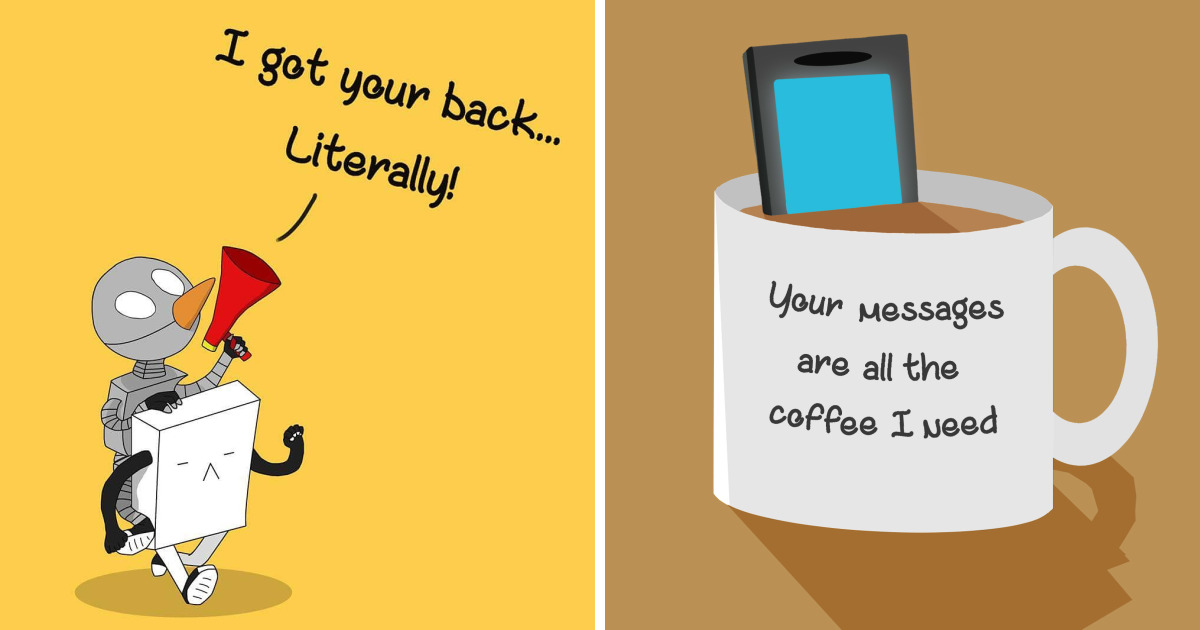
Some quotes politely knock on the door of your imagination. Funny quotes kick it open, bring snacks, and ask why your coffee mug has more personality than your calendar. When paired with sweet illustrations, a clever line can become a tiny emotional universe: part joke, part comfort blanket, part “send this to my best friend immediately.”
That is the charm behind funny quote illustrations. They are simple enough to understand in one glance, but memorable enough to stick around like glitter after a craft project. A cute drawing can soften a joke. A sharp caption can give a doodle a heartbeat. Together, they turn ordinary observations into visual stories that feel warm, relatable, and delightfully human.
Why Funny Quotes And Sweet Illustrations Work So Well Together
Illustration has always been more than decoration. In magazines, children’s books, newspapers, posters, greeting cards, and digital media, illustrations help people see an idea instead of merely reading about it. A strong illustration can translate personality, mood, timing, and emotion faster than a paragraph can put on its shoes.
Funny quotes add another layer: surprise. Humor often works because it bends expectations. You think the sentence is walking one way, then it slips on a banana peel and lands somewhere smarter. When an illustrator captures that twist with a cute character, warm color palette, or exaggerated facial expression, the quote becomes more than words. It becomes a moment.
This is especially powerful online, where people scroll with the speed and mercy of a caffeinated squirrel. A funny quote paired with a sweet illustration can stop the thumb, deliver a quick emotional reward, and invite sharing. That is why illustrated quotes are everywhere: social posts, stickers, greeting cards, classroom posters, tote bags, planner pages, and cozy little corners of the internet where cats wear glasses for no legal reason.
1. “I came, I saw, I needed a snack.”
The Illustration Concept
Picture a tiny medieval knight standing at the entrance of a refrigerator like it is a glowing castle gate. Instead of a sword, the knight holds a spoon. Instead of a shield, there is a round cookie. The helmet is slightly too big, because courage is important, but so is comedic headwear.
This funny quote works because it turns a grand historical rhythm into a very modern truth: many personal quests end in the kitchen. The sweetness of the illustration comes from treating hunger like an epic adventure. A snack is not merely a snack. It is a dragon to be conquered, a treasure to be discovered, and possibly a cheese stick to be eaten while standing with the fridge door open.
Why It Feels Relatable
Everyone has had a moment when ambition collapses into appetite. You sit down to be productive, open one tab, answer half an email, and suddenly your brain announces, “This would go better with crackers.” The quote gives that everyday behavior a heroic costume. The illustration makes it gentle instead of judgmental.
For artists, this is a great example of scale humor. A tiny character facing a huge refrigerator instantly creates visual comedy. The joke is not mean or complicated. It is cozy, silly, and easy to love. That is the secret sauce: exaggerate the ordinary until it becomes adorable.
2. “My plants are thriving emotionally; physically, no comment.”
The Illustration Concept
Imagine three houseplants sitting on a sunny windowsill. One is drooping dramatically, another has one heroic leaf left, and the third is wearing a tiny therapist-style cardigan. Beside them sits a watering can with a guilty expression. The room is bright, the pots are pastel, and the plants look like they have seen things.
This quote is funny because it plays with the difference between emotional support and actual care. It captures the affectionate chaos of plant ownership. Many people talk to their plants, name them, move them toward the light, and then somehow forget the whole “water is necessary” chapter of botany.
Why It Makes A Sweet Illustration
The illustration works best when the plants look loved, even if they are not exactly flourishing like a botanical garden with a public relations team. A tiny smile on a wilted leaf changes the tone. The audience understands the joke immediately: the plant parent means well. The plant is trying. Everybody is doing their best, including the suspiciously dry soil.
Sweet illustrations often succeed by refusing to shame the viewer. Instead of saying, “You are bad at keeping plants alive,” the image says, “Look, your fern has emotional depth.” That shift makes the humor friendly. It turns guilt into giggles.
3. “I put the ‘pro’ in procrastination.”
The Illustration Concept
Here, the main character could be a fluffy raccoon at a desk, surrounded by sticky notes, open notebooks, and one very serious pencil. On the laptop screen: a blank document. On the desk: a perfectly arranged snack plate, a reorganized pencil cup, three sharpened pencils, and a to-do list titled “Things To Do Before Doing The Thing.”
This quote turns a common weakness into a fake professional title. That is why it lands so neatly. Procrastination is frustrating, but when framed as a suspiciously polished skill, it becomes something people can laugh about without feeling attacked.
The Visual Joke Behind The Quote
The illustration should exaggerate “productive avoidance.” The raccoon is not lazy. Absolutely not. The raccoon is deeply busy. It has alphabetized paper clips. It has cleaned the keyboard with the focus of a museum conservator. It has researched the history of task management systems while refusing to start the task.
This type of funny quote illustration is ideal for students, writers, office workers, artists, and anyone who has ever opened a new document and immediately decided that the room needed vacuuming. The sweetness comes from recognition. The character is not a villain. It is a furry little mirror.
4. “Today’s forecast: 90% chance of overthinking.”
The Illustration Concept
Visualize a tiny cloud hovering above a person’s head. Instead of rain, the cloud releases question marks, miniature clocks, speech bubbles, and one dramatic umbrella labeled “What If?” The character wears rain boots indoors, because anxiety does not respect flooring choices.
This quote works because it borrows the language of weather reports and applies it to mental habits. A forecast is supposed to feel practical and neutral. Overthinking feels anything but neutral. Combining the two creates a charming contrast.
Keeping The Humor Gentle
When illustrating a quote about overthinking, sweetness matters. The goal is not to make light of serious stress. The goal is to create a soft, familiar image that says, “You are not the only person whose brain hosts a full committee meeting over a two-word text.”
A good illustration might show the character carrying a cup of tea, surrounded by soft colors and rounded shapes. The design can acknowledge worry without making it heavy. Humor becomes a small window, letting fresh air into a crowded room.
This is where funny quote art can feel surprisingly kind. The joke does not erase the feeling. It makes the feeling easier to name. Once people can name it, they often feel less alone with it.
5. “Be the reason someone smiles… or at least the reason their dog tilts its head.”
The Illustration Concept
This quote practically begs for a dog illustration. Picture a cheerful pup with one ear up, one ear confused, and a face that says, “I support you, but your decisions require further analysis.” A person kneels nearby holding a bouquet, a squeaky toy, or perhaps a cupcake with a single candle. The dog’s head tilt becomes the punchline.
The quote begins like an inspirational poster, then swerves into pet comedy. That twist is what makes it memorable. It is sweet without becoming syrupy. It is positive without sounding like it was written by a motivational calendar trapped in an elevator.
Why Animals Make Quotes Sweeter
Animals are illustration magic. A dog with a tilted head can express curiosity, affection, confusion, and comic timing all at once. Cats, birds, rabbits, frogs, bears, and even grumpy toast can do the same when drawn with personality. A cute animal gives the viewer an emotional shortcut into the joke.
This kind of quote is perfect for greeting cards, stickers, social media posts, and small gifts. It carries kindness, but it also has a wink. It tells people to spread joy, while admitting that sometimes joy looks like a dog wondering why humans sing in the shower.
What Makes A Funny Quote Illustration “Sweet” Instead Of Just Silly?
Not every funny quote becomes a sweet illustration. Some jokes are sharp. Some are sarcastic. Some need a bigger stage. Sweet illustrated humor usually has a few important ingredients: warmth, simplicity, surprise, and emotional safety.
Warmth
Warmth comes from the feeling that the joke is laughing with the viewer, not at them. The plant parent, the procrastinating raccoon, and the snack-seeking knight are all flawed, but lovable. Their imperfections are presented as human, not humiliating.
Simplicity
A strong illustrated quote should be understood quickly. The viewer should not need a detective board, red string, and three podcasts to figure it out. A short quote plus a clear visual metaphor works beautifully because the brain can connect the dots fast.
Surprise
Humor needs a twist. The best funny quotes often begin with something familiar, then turn it slightly sideways. A weather forecast becomes overthinking. A heroic phrase becomes snack hunting. An inspirational message becomes a dog’s confused head tilt.
Emotional Safety
Sweetness depends on kindness. If the illustration punches down, it loses charm. If it invites recognition, it gains heart. That is why cozy humor performs so well in visual formats. It makes people feel seen without making them feel exposed.
How Artists Turn Funny Quotes Into Memorable Illustrations
Great quote illustration is not just “write words, add doodle, hope for applause.” It is a small design puzzle. The quote and the image have to support each other. If the quote already says everything, the illustration should add mood or character. If the quote is simple, the illustration can add the twist.
Start With The Emotional Core
Before drawing, ask what the quote really feels like. Is it cozy? Embarrassed? Chaotic? Proud? Sleepy? Dramatic? The emotional core guides the character, color, expression, and setting.
For “I came, I saw, I needed a snack,” the emotional core is playful hunger. For “Today’s forecast: 90% chance of overthinking,” it is gentle recognition. Those feelings lead to very different visual choices.
Use Characters With Personality
A character does not need to be complex to be memorable. A single raised eyebrow can do heroic work. Rounded shapes, tiny props, expressive eyes, and exaggerated posture can make even a spoon look like it has a mortgage and opinions.
Let The Details Tell Mini-Stories
Small background details make illustrations rewatchable. A sticky note that says “start now?” A watering can hiding behind a curtain. A dog staring at a human like it just heard jazz for the first time. These tiny jokes reward people who look twice.
Balance Text And Image
The quote should be readable. The illustration should not smother it like frosting on a cupcake that has lost its structural integrity. Good spacing, clear typography, and a clean composition help the humor land without visual clutter.
Why These Illustrations Are So Shareable
Funny quote illustrations are popular because they are emotionally efficient. They say, “This is me,” “This is us,” or “Please look at this raccoon and understand my work ethic” in seconds. That makes them perfect for social media, where quick recognition often drives engagement.
They also travel well across audiences. A snack joke does not require a niche degree. A houseplant joke speaks to anyone who has ever turned a windowsill into a leafy drama department. A procrastination joke belongs to humanity. We should probably deal with that, but later.
Another reason they work is that people like sharing small, positive emotions. A sweet illustration can act like a tiny digital gift. Sending one to a friend is a way of saying, “I thought of you,” without writing a long message or accidentally sounding like a customer service email.
Experience Notes: What It Feels Like To Create Sweet Funny Quote Illustrations
Working with funny quotes and illustrations feels a lot like trying to catch soap bubbles with a butterfly net. The idea appears quickly, shines for half a second, and then floats away unless you grab it. The best concepts often start as tiny observations: a coffee cup that looks judgmental, a dog that stares at toast like it has legal concerns, a houseplant that seems to be holding a press conference about neglect.
One of the most useful creative habits is keeping a small list of everyday phrases. Not perfect quotes. Not polished slogans. Just little scraps of life. “Why is Monday so loud?” “This sandwich understands me.” “I am emotionally attached to this blanket.” These fragments can become illustrations because they already contain a feeling. The artist’s job is to build a visual home around that feeling.
In my experience, the sweetest illustrations usually happen when the artist does not over-explain the joke. A quote like “I put the ‘pro’ in procrastination” does not need a full office scene with twelve labeled objects and a pie chart called “Reasons I Avoided Work.” It needs one expressive character, a clear setting, and maybe two or three details that reward attention. The more the illustration trusts the viewer, the more charming it becomes.
Color also changes everything. Soft colors make humor feel friendly. Bright colors create energy. Muted colors can make a joke feel dry and clever. For cute quote art, gentle contrast often works best: enough pop to catch the eye, enough softness to feel comforting. A pastel raccoon avoiding deadlines feels different from a neon raccoon avoiding deadlines. Both are valid, but one is more likely to end up on a planner sticker next to “buy milk.”
Typography matters too. A funny quote can lose its sparkle if the lettering feels stiff or crowded. Hand-drawn lettering often pairs beautifully with sweet illustration because it feels personal. Rounded fonts feel friendly. Slightly uneven letters can make the quote feel human, as if someone wrote it on a napkin while laughing into their iced coffee.
The biggest lesson is that funny quote illustrations are not really about being clever. Cleverness helps, of course. But the heart of the format is recognition. People respond because they see themselves, their friends, their pets, their habits, or their tiny domestic disasters. A good illustrated quote says, “Yes, life is weird. Yes, you are trying. Yes, the snack knight inside you deserves respect.”
That is why this style remains so lovable. It does not demand much from the viewer. It offers a quick smile, a soft landing, and a little reminder that ordinary life is packed with comic material. The laundry pile is dramatic. The calendar is suspicious. The dog is confused. The plant is emotionally resilient. And somewhere, an illustrator is turning all of it into something sweet enough to share.
Conclusion: Small Quotes, Big Feelings, Tiny Dogs With Questions
Funny quotes become sweetest when they are paired with illustrations that understand the joke’s emotional center. A snack-loving knight, a dramatic houseplant, a procrastinating raccoon, an overthinking weather cloud, and a head-tilting dog all prove the same point: humor does not need to be loud to be memorable.
The best funny quote illustrations make everyday life feel lighter. They turn small failures into shared jokes, simple thoughts into visual stories, and ordinary moments into tiny works of comfort. They are cute, clever, and surprisingly powerful because they remind us that being human is basically one long illustrated caption waiting to happen.











