Frozen broccoli is the dependable friend of the vegetable world. It is washed, chopped, avaiin the freezer while your fresh produce quietly turns into an expensive science experiment. Better still, you can transform it into a satisfying side dish without thawing it first.
The catch is that frozen broccoli contains more surface moisture than fresh broccoli. Cook it slowly or crowd it in a pan, and the florets steam in their own water until they become soft, gray-green, and deeply uninspiring. Handle that moisture correctly, however, and frozen broccoli can emerge browned, flavorful, and pleasantly tender.
This guide explains five practical ways to cook frozen broccoli: roasting it in the oven, crisping it in an air fryer, cooking it in a skillet, steaming it in the microwave, and briefly boiling it. Each method has a different personality, from crispy weeknight side dish to emergency vegetable ready in five minutes.
Do You Need to Thaw Frozen Broccoli?
For most cooking methods, no. Frozen broccoli can generally go directly from the freezer into the oven, air fryer, skillet, microwave, or pot. Thawing adds an extra step and often leaves the florets sitting in released water, which makes browning more difficult.
Most commercially frozen broccoli is briefly blanched before freezing. This process helps preserve its color and quality, but it also means the broccoli is partially cooked. Your goal is therefore to heat it thoroughly, remove excess moisture, and build flavor without cooking it into submission. >There is one important safety note: frozen vegetables are not automatically ready to eat. Read the package and follow its cooking instructions, especially when it identifies the product as “not ready to eat” or says it must be thoroughly cooked. Frozen vegetables should not be sampled straight from the bag like frosty little snacks. 2>1. Roast Frozen Broccoli in the Oven
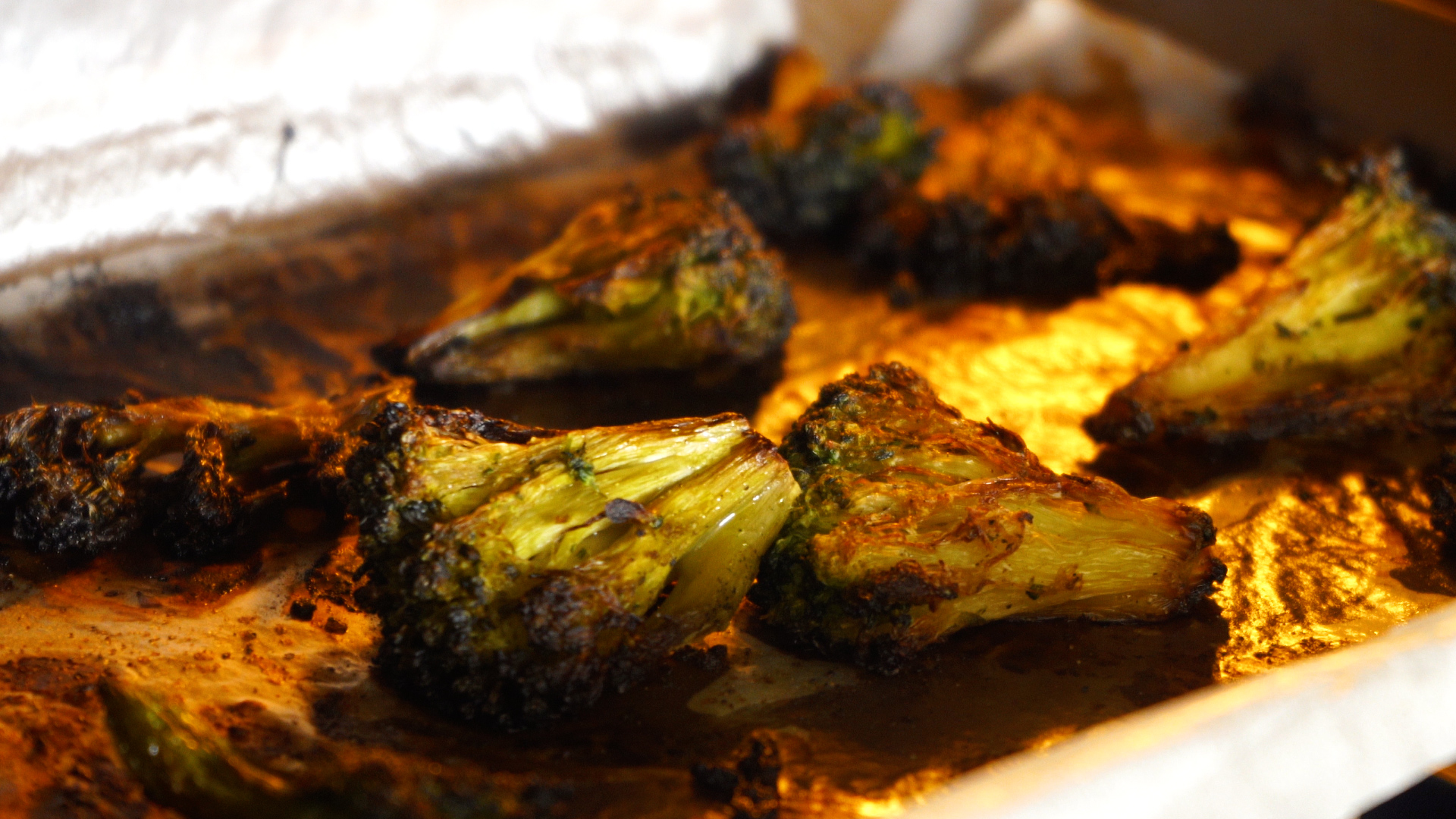
Roasting is the best choice when you want browned edges, concentrated flavor, and broccoli that feels like a real side dish rather than an obligation. High oven heat evaporates surface moisture while encouraging caramelization.
What You Need
- 1 pound frozen broccoli florets
- 1 to 2 tablespoons olive oil
- 1/2 teaspoon kosher salt
- Black pepper to taste
- Optional garlic powder, smoked paprika, Parmesan, or lemon juice
How to Roast Frozen Broccoli
- Place a large rimmed baking sheet in the oven and preheat the oven to 425°F.
- Remove any unusually large clumps of ice from the frozen broccoli.
- Carefully spread the broccoli across the hot baking sheet in one layer.
- Roast for 10 minutes without adding oil. This gives some of the surface moisture time to evaporate.
- Remove the pan, drizzle the broccoli with olive oil, and add salt, pepper, and other dry seasonings.
- Toss carefully and roast for another 10 to 15 minutes, turning once, until the edges are browned and the centers are tender.
- Finish with lemon juice, grated Parmesan, or red pepper flakes.
A preheated pan gives the frozen florets immediate contact with a hot surface, helping them roast instead of sitting in a cold puddle. Leaving space between the pieces is equally important. A crowded sheet pan becomes a broccoli sauna, and nobody bought an oven to recreate the steam-table experience. 3>Best Flavor Variations
For Italian-style broccoli, use garlic powder, oregano, Parmesan, and lemon. For a smoky version, combine smoked paprika, cumin, and a pinch of cayenne. Sesame oil, soy sauce, and toasted sesame seeds create an easy Asian-inspired finish, although sesame oil is best added after roasting because its flavor is strongest when used sparingly.
2. Cook Frozen Broccoli in an Air Fryer
The air fryer is essentially a compact convection oven with an enthusiasm for circulating hot air. It is especially useful when you want roasted-style broccoli without heating a full-size oven.
Air-Fryer Instructions
- Preheat the air fryer to 390°F for 3 to 5 minutes.
- Place 10 to 12 ounces of frozen broccoli in a bowl.
- Toss it with 1 tablespoon of oil, 1/2 teaspoon garlic powder, salt, and pepper.
- Arrange the florets in the basket without packing them tightly.
- Air-fry for 10 to 14 minutes, shaking the basket after about 6 minutes.
- Continue cooking until the broccoli is hot, tender, and browned in several places.
Cooking time varies with the size of the florets and the design of the appliance. Small pieces may be ready in 9 or 10 minutes, while thick stems can take several minutes longer. Check early rather than relying blindly on the timer; air fryers have individual personalities, and some behave like tiny tornadoes.
Do not overfill the basket. Hot air must move around the broccoli to evaporate water and brown the surface. For a larger family-sized bag, cook in two batches instead of compressing everything into a single vegetable brick. 3>Easy Air-Fryer Finishes
Immediately after cooking, toss the broccoli with one of these combinations:
- Parmesan, lemon zest, and black pepper
- Buffalo sauce and a little melted butter
- Honey, mustard, and a splash of apple cider vinegar
- Chili crisp and toasted sesame seeds
- Tahini, lemon juice, and a pinch of salt
3. Sauté Frozen Broccoli in a Skillet
Skillet cooking is useful when the oven is occupied, the air fryer is hiding in a cabinet behind three appliances, or you want to turn the broccoli into part of a complete meal. The best technique uses a brief covered cooking stage followed by uncovered high heat.
How to Cook Frozen Broccoli on the Stove
- Heat a large skillet over medium-high heat.
- Add the frozen broccoli and 2 tablespoons of water.
- Cover the skillet and cook for 3 to 4 minutes, allowing the trapped steam to heat the centers.
- Remove the lid and let any remaining water evaporate.
- Add 1 tablespoon of oil or butter.
- Cook uncovered for another 4 to 6 minutes, stirring only occasionally so the broccoli has time to brown.
- Add minced garlic during the final minute, then season with salt, pepper, and lemon juice.
Adding garlic too early can cause it to burn before the broccoli is ready. Wait until most of the water has evaporated, then add the garlic near the end. This gives you fragrant garlic instead of bitter black confetti.
For a quick meal, add drained chickpeas, diced cooked chicken, tofu, or leftover rice. Finish with soy sauce, teriyaki sauce, pesto, or a spoonful of grated Parmesan. Frozen vegetables can be cooked directly in a sauté pan and combined with beans or other ingredients for an inexpensive, filling dish. 3>How to Prevent Watery Skillet Broccoli
Use the widest skillet you own and keep the heat moderately high after uncovering it. A small pan traps released water around the florets. If the broccoli remains watery, push it to the sides and allow the moisture in the center of the pan to boil away before adding oil.
4. Steam Frozen Broccoli in the Microwave
Microwaving is the fastest method and produces tender broccoli with minimal cleanup. It will not create crisp edges, but that is not always the assignment. Sometimes dinner needs a vegetable immediately, not after an inspirational journey of caramelization.
Microwave Instructions
- Place 10 to 12 ounces of frozen broccoli in a microwave-safe glass or ceramic bowl.
- Add 1 to 2 tablespoons of water. Large ice crystals already provide some moisture, so do not turn the bowl into a swimming pool.
- Cover with a microwave-safe lid or plate, leaving a small opening for steam.
- Microwave on high for 3 minutes.
- Stir carefully and check the texture.
- Continue cooking in 30-second intervals until the broccoli is thoroughly heated and tender.
- Drain any excess water before seasoning.
Use caution when removing the cover because trapped steam can cause burns. Lift the side farthest from you first so the steam escapes away from your face and hands.
Microwave steaming works best with a small amount of water and a short cooking time. Covering the bowl traps steam, while checking the broccoli in brief intervals helps prevent overcooking. 3>How to Make Microwaved Broccoli Taste Better
Drain it thoroughly, then add both richness and acidity. Butter plus lemon juice is the classic answer. Olive oil and red wine vinegar also work. For a creamy side dish, stir in shredded cheddar while the broccoli is hot, cover the bowl for one minute, and let the residual heat melt the cheese.
5. Boil or Blanch Frozen Broccoli
Boiling is easy, but it is also the method most likely to produce mushy broccoli. The solution is not to ban boiling from your kitchen; it is to make the cooking time extremely brief.
How to Boil Frozen Broccoli
- Bring a large pot of salted water to a rolling boil.
- Add the frozen broccoli.
- Once the water returns to a simmer, cook for approximately 2 to 4 minutes.
- Test a floret. It should be hot and tender but should not collapse when touched.
- Drain immediately in a colander.
- Shake away as much water as possible and season while hot.
Brief boiling is especially useful when the broccoli will be added to macaroni and cheese, pasta, casseroles, soups, or blended sauces. You can also add frozen broccoli to pasta water during the final few minutes of the pasta’s cooking time, then drain everything together. This saves a pot and creates the deeply satisfying illusion that you have mastered weeknight efficiency. >If you are serving the broccoli immediately, coat it with butter or olive oil after draining. Season it with salt, pepper, lemon, grated cheese, or toasted breadcrumbs. Never leave boiled broccoli sitting in hot water while you finish the rest of dinner; it will continue softening long after it has abandoned hope.
Which Cooking Method Is Best?
The best method depends on the result you need:
- For the deepest flavor: Roast it in the oven.
- For speed plus browned edges: Use an air fryer.
- For a one-pan meal: Cook it in a skillet.
- For the fastest cleanup: Steam it in the microwave.
- For pasta, casseroles, and soups: Briefly boil it.
Regardless of the method, avoid overcooking. Because frozen broccoli is usually blanched before freezing, it often needs less cooking time than fresh broccoli. Taste or test a piece as soon as it is thoroughly heated rather than automatically adding another five minutes “just to be safe.” That innocent extra five minutes has ruined many vegetables.
Common Mistakes When Cooking Frozen Broccoli
Thawing It on the Counter
Countertop thawing is unnecessary and can create a wet, unevenly warmed pile. Cook the broccoli directly from frozen unless the package or a specific recipe instructs otherwise.
Crowding the Pan
Whether you are roasting, air-frying, or sautéing, crowded florets trap moisture. Spread them out or work in batches to encourage browning.
Using Too Much Water
Frozen broccoli releases water as it cooks. When steaming or microwaving, start with only a small amount. You can always add another spoonful, but removing water from broccoli is considerably less glamorous.
Cooking It Like Fresh Broccoli
Fresh broccoli is raw and firm. Frozen broccoli has usually been blanched, frozen, and structurally softened. It normally needs a shorter cooking time, especially when boiled or steamed.
Forgetting the Final Seasoning
Broccoli benefits from salt, but it becomes far more interesting when you combine salt with fat, acid, and a flavorful topping. Try olive oil, lemon juice, and Parmesan; butter, vinegar, and toasted almonds; or sesame oil, soy sauce, and chili flakes.
Kitchen Experience: What Cooking Frozen Broccoli Teaches You
After cooking frozen broccoli by several methods, the biggest lesson is that moisture management matters more than complicated seasoning. The same bag of florets can become deeply browned in one meal and strangely damp in the next, depending on the pan, temperature, and amount of space between the pieces.
Oven roasting produces the most dramatic transformation. The first time frozen broccoli hits a preheated sheet pan, it may hiss, release water, and look as though the plan has failed. Give it room and leave it alone, however, and the smaller florets begin developing dark, crisp edges. The stems remain softer than those of freshly roasted broccoli, but the contrast between tender centers and browned tips makes the vegetable satisfying enough to eat directly from the pan.
The two-stage roasting approach is particularly useful: begin with the broccoli plain, then add oil after some moisture has evaporated. It takes longer than tossing everything together at the start, but it can improve browning. On rushed evenings, adding oil immediately still works; the important elements are high heat, a hot pan, and enough space.
The air fryer delivers similar results with less preheating, although the basket size creates a practical limitation. A half-empty basket can produce nicely crisp broccoli, while an overloaded basket gives you unevenly cooked floretssome browned, some cold, and some apparently experiencing their own private weather system. Cooking in batches sounds inconvenient, but each batch is quick.
Skillet broccoli is the most adaptable. Starting with a splash of water and a lid heats the thick stems, while removing the lid allows the released moisture to disappear. Once the pan is dry, oil, garlic, and seasonings can cling to the florets instead of floating in diluted vegetable water. This method also makes it easy to add beans, noodles, chicken, or rice without dirtying another pan.
Microwaving wins whenever speed matters more than browning. The difference between pleasant and mushy microwave broccoli can be less than a minute, so short intervals are essential. Draining the bowl is equally important. Butter or olive oil will slide off waterlogged florets, but it coats properly drained broccoli beautifully.
Boiling works best as part of another recipe rather than as the star attraction. Adding frozen broccoli near the end of pasta cooking is efficient and gives the vegetable just enough time to heat through. Leaving it in the pot for the entire pasta cooking time, on the other hand, creates a green sauce whether you wanted one or not.
Seasoning experiments reveal another dependable pattern: broccoli likes contrast. Rich ingredients such as cheese, butter, tahini, or olive oil pair well with bright lemon juice or vinegar. Garlic, chile flakes, smoked paprika, toasted nuts, and breadcrumbs add personality and texture. Even a basic bag of frozen florets can support Italian, Asian-inspired, Mediterranean, or spicy flavors without requiring a complicated recipe.
The practical conclusion is encouraging. Frozen broccoli does not have to imitate perfect fresh broccoli to be valuable. It succeeds by being affordable, convenient, easy to store, and ready whenever a meal needs something green. Treat it with high heat, short cooking times, and confident seasoning, and it becomes much more than an emergency freezer vegetable.
Conclusion
Learning how to cook frozen broccoli is mainly a matter of choosing the right technique for the meal. Roast or air-fry it when you want browning, sauté it for a flexible one-pan dish, microwave it when dinner needs to happen immediately, or briefly boil it before adding it to pasta and casseroles.
Keep the florets frozen until cooking, avoid crowding, remove excess water, and stop cooking as soon as the broccoli is thoroughly heated and tender. Then add salt, fat, acidity, and a flavorful finishing ingredient. With those simple habits, the bag in the back of your freezer can become a side dish people actually choose to eat.
Editorial note: This article synthesizes cooking and food-safety guidance from the USDA, university cooperative extension programs, and established U.S. culinary publications. Always follow the preparation and safety instructions printed on the specific frozen broccoli package you purchase. re>